


Bringing out the beauty of wood: Veneer drying with humidity control
Vaisala DRYCAP® Dew Point and Temperature Probe DMP5 is designed for in-line humidity measurement in industrial drying applications with high…
Technical note
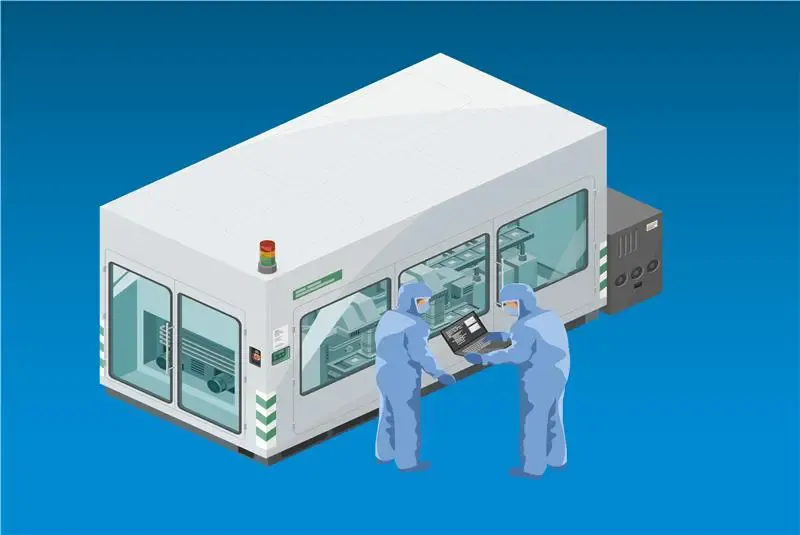
When it comes to maintaining the integrity of cleanroom environments, human contamination remains the single greatest threat. In a recent webinar featuring Patricia Sitek, a leading biotechnologist and cleanroom consultant, and Jason Kelly, Director of Applications at Lighthouse, industry professionals gathered to discuss the critical role of personal hygiene and behavior in contamination control.
Here’s what you need to know to keep your cleanroom truly clean – To control contamination, cleanroom personnel must adopt behaviors based on ISO 14644 standards and industry-proven protocols.
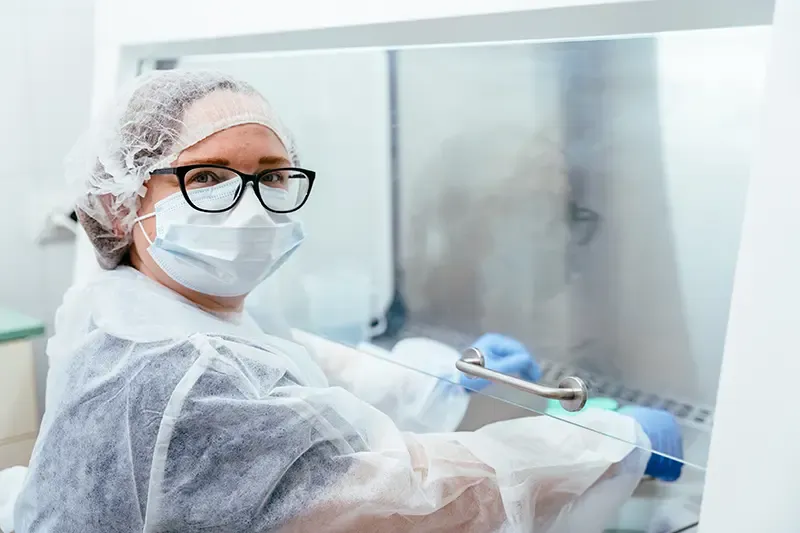
All movement should be slow, deliberate, and necessary.
Opening and closing doors quickly—or leaving them open—disrupts pressurization and airflow, allowing particles to spread.
Do not:
Talking releases saliva and fine droplets, which can contaminate nearby surfaces.
What you wear — and how you wear it — matters.
Any grooming, nose blowing, or skin contact should be handled outside the cleanroom. These behaviors are significant contamination risks and can undo the protection offered by cleanroom garments.
Reducing human movement also comes down to smart cleanroom layout and process design:
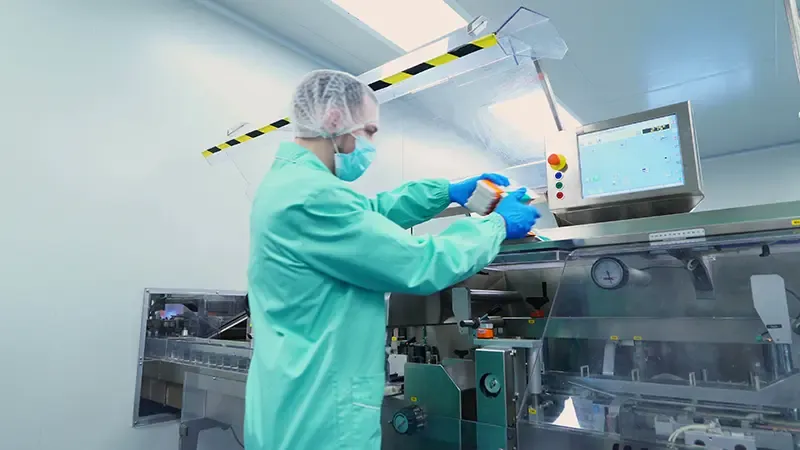
As Patricia Sitek pointed out during the webinar, training is essential—not just in what to do, but why it matters. While industries like pharma often have rigorous standards and audits, others (like electronics or medical devices) may lack harmonized guidance. This inconsistency makes employee awareness even more critical.
Key Training Topics:
Cleanroom contamination control isn’t just about HEPA filters and clean surfaces—it’s about people. Human behavior, hygiene, and movement can make or break a contamination strategy. By following best practices rooted in ISO 14644 and emphasizing training, awareness, and smart facility design, cleanroom teams can reduce contamination risk and boost operational performance.
At the end of the day, the cleanest cleanroom is one where every action is intentional, every movement is minimal, and every worker understands their role in maintaining control.
Vaisala DRYCAP® Dew Point and Temperature Probe DMP5 is designed for in-line humidity measurement in industrial drying applications with high…

Dr. Lauri Reuter is an expert in the future of food, and the person to ask if you’ve ever wondered what we are going to eat in the future, and how…

Industrial companies are continuing to take action to minimize their carbon emissions. Many are reducing their use of fossil fuels and switching to…

In the causticizing process, passive chemicals are converted into active cooking chemicals to make white liquor. This is used in the digester as a…
A specialist replies with the solution, the instrument and the service that fit.
Products to quote
No products yet. An enquiry can be sent anyway: a specialist answers.