

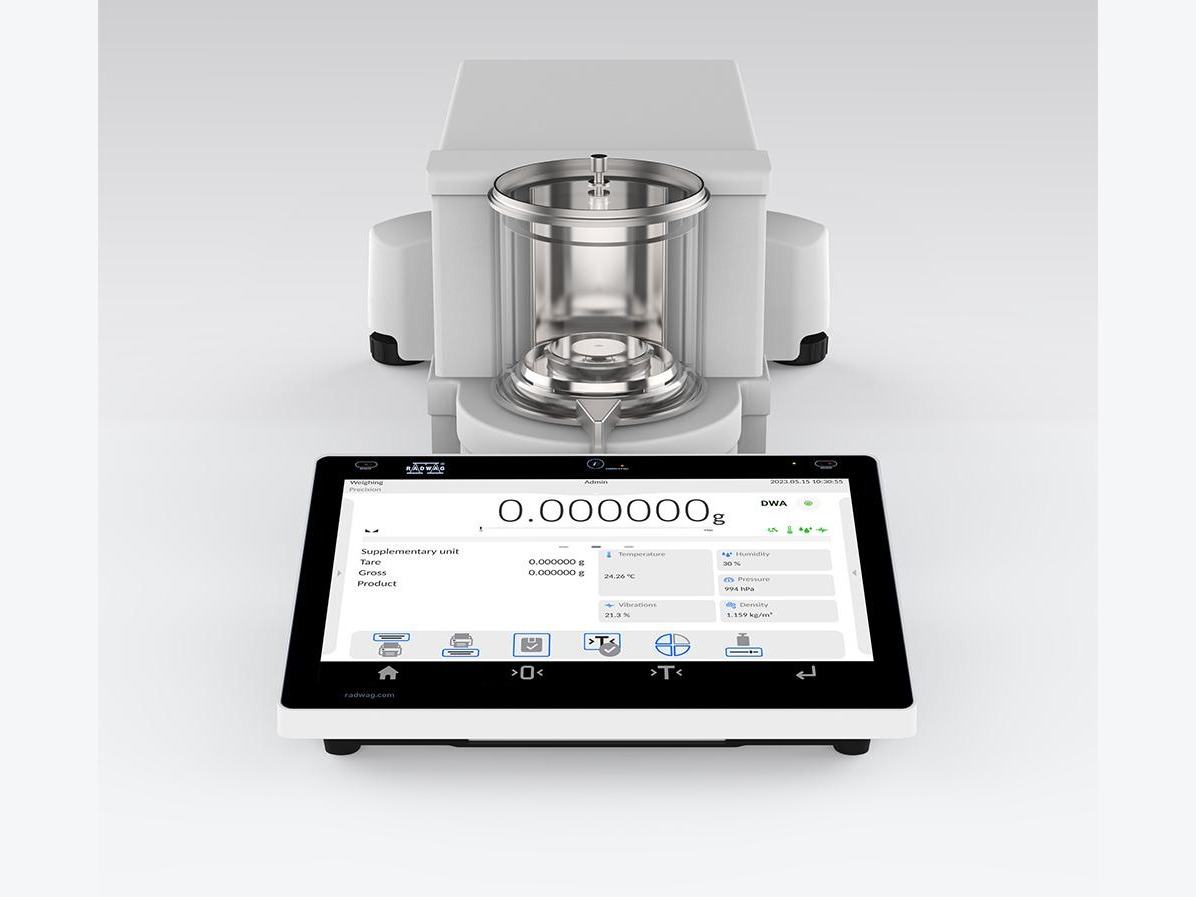
MYA 5.5Y Microbalance
MYA Microbalances have the world’s lowest reading unit [d] 1 μg and the lowest minimum weight [USP] 0.82 mg. They are equipped with an automatic…
Technical note
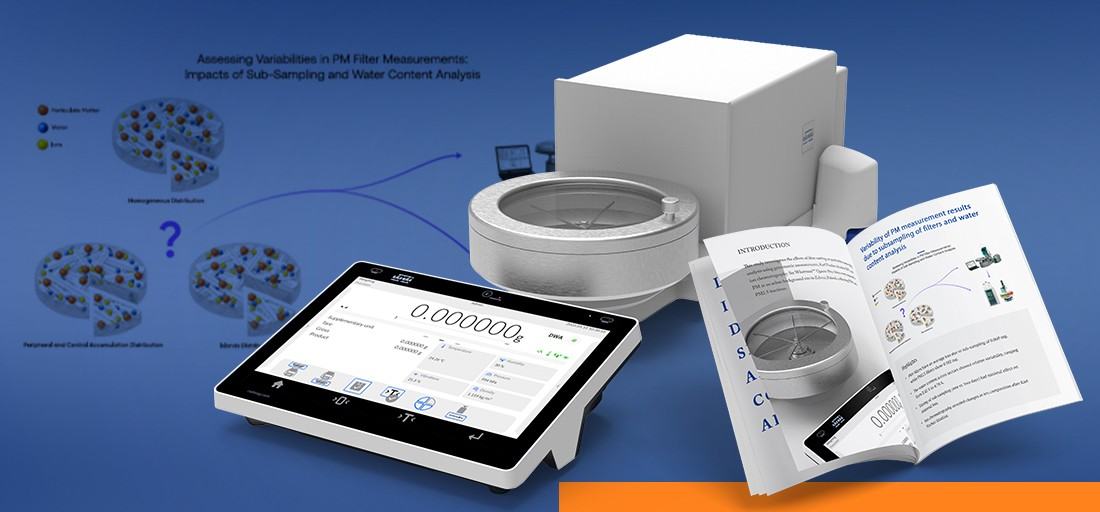
Researchers at the Institute of Fundamentals of Environmental Engineering of the Polish Academy of Sciences in Zabrze conducted a study on the effect of filter cutting on the accuracy of particulate matter (PM) analysis. They used advanced measurement techniques, including gravimetric weighing, Karl Fischer (KF) titration and ion chromatography. One of the key tools used in the study was the MYA 5.5Y.F1 Microbalance, which provides extremely accurate mass measurements of even the smallest samples.
The aim of the study was to determine to what extent filter cutting affects the accuracy of PM analysis and thus the reliability of measurement results. Samples were taken at an urban background pollution site in Zabrze, collecting PM1 and PM2.5 fractions. After exposure, the filters were weighed under controlled conditions and further analysed.
The use of the MYA 5.5Y.F1 Microbalance made it possible to accurately determine the mass loss resulting from filter cutting. It turned out that this process leads to significant material losses:
In addition, analysis of the variation in the water content of the samples showed that it is the moisture content that has a greater influence on the accuracy of the measurements than the filter cut itself.
The study showed that filter cutting can lead to significant material loss, which in turn can affect the accuracy of the particulate mass assessment. This is why it is so important to use top-of-the-range measuring equipment that allows precise analysis of even minimal mass differences. The MYA 5.5Y.F1 Microbalance proved to be an indispensable tool, as it enabled a reliable assessment of mass loss during the analysis of environmental samples.
The results of this study represent an important step towards improving both PM analysis methods and filter cutting procedures in order to minimise measurement errors.
The article, co-authored by: Dmytro Chyzhykov, Kamila Widziewicz-Rzońca and Barbara Mathews was published in “Chemosphere”, Volume 374, April 2025, 144177, and can be read in full here
For PM1 filters, the average mass loss resulting from filter cutting was 0.060 ± 0.073 mg. This corresponds to a loss of approximately 3.34-3.54% of the deposited dust mass. For PM2.5 filters, the mass loss due to filter cutting was higher, reaching an average of 0.192 ± 0.142 mg. This corresponds to a loss of 5.96-9.65% of the deposited dust mass. Analysis of the variation in water content showed that moisture content has a greater influence on the accuracy of the measurements than the filter cut itself. The MYA 5.5Y.F1 Microbalance was used in the study. This instrument provided extremely accurate mass measurements of even the smallest samples. The aim of the study was to determine to what extent filter cutting affects the accuracy of particulate matter (PM) analysis and thus the reliability of measurement results.What was the average mass loss for PM1 filters due to filter cutting?
What was the average mass loss for PM2.5 filters due to filter cutting?
What factor was found to have a greater influence on measurement accuracy than filter cutting?
What type of microbalance was used in the study for accurate mass measurements?
Check out professional precision balances at our distributor in your country.What was the main aim of the study conducted by the Institute of Fundamentals of Environmental Engineering?
MYA Microbalances have the world’s lowest reading unit [d] 1 μg and the lowest minimum weight [USP] 0.82 mg. They are equipped with an automatic…
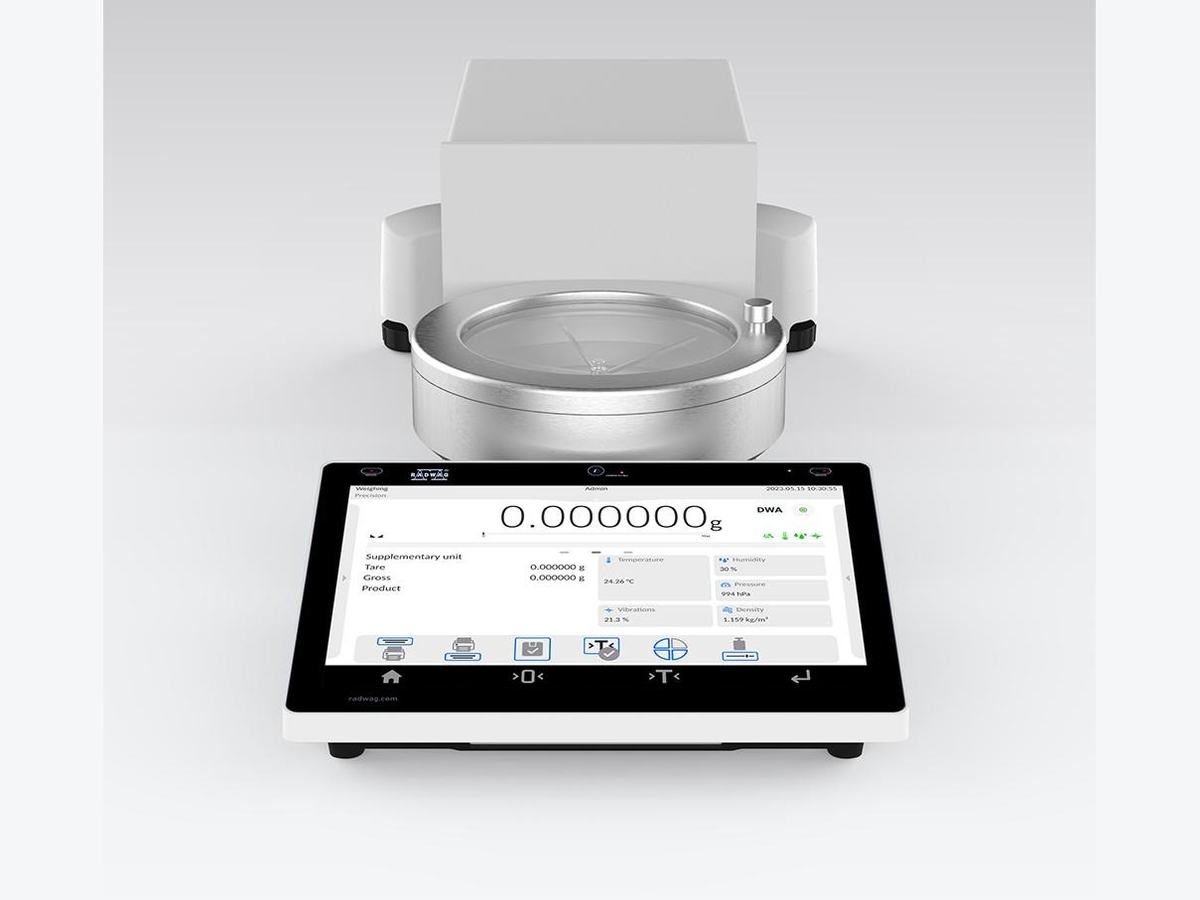
Microbalances for filters are high-precision laboratory balances designed for accurate filter weighing in analytical, pharmaceutical, environmental…
MYA Microbalances have the world’s lowest reading unit [d] 1 μg and the lowest minimum weight [USP] 0.82 mg. They are equipped with an automatic…
MYA Microbalances have the world’s lowest reading unit [d] 1 μg and the lowest minimum weight [USP] 0.82 mg. They are equipped with an automatic…
MYA Microbalances have the world’s lowest reading unit [d] 1 μg and the lowest minimum weight [USP] 0.82 mg. They are equipped with an automatic…
MYA Microbalances have the world’s lowest reading unit [d] 1 μg and the lowest minimum weight [USP] 0.82 mg. They are equipped with an automatic…

Vaisala DRYCAP® Dew Point and Temperature Probe DMP5 is designed for in-line humidity measurement in industrial drying applications with high…

Dr. Lauri Reuter is an expert in the future of food, and the person to ask if you’ve ever wondered what we are going to eat in the future, and how…

Industrial companies are continuing to take action to minimize their carbon emissions. Many are reducing their use of fossil fuels and switching to…

In the causticizing process, passive chemicals are converted into active cooking chemicals to make white liquor. This is used in the digester as a…
A specialist replies with the solution, the instrument and the service that fit.
Products to quote
No products yet. An enquiry can be sent anyway: a specialist answers.