

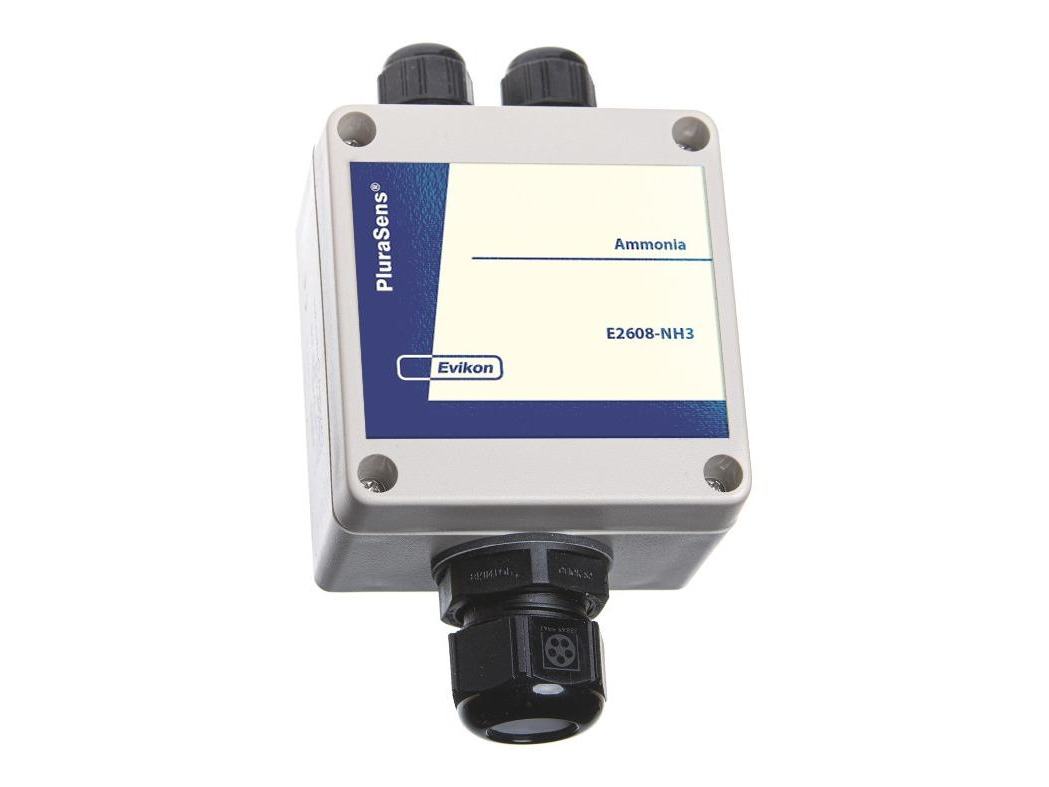
Gas Detectors E2608
2 × SPST relays, 2 × 4-20mA / 0-10V, RS485 Modbus RTU, ABS 82 × 85 × 55 mm, IP65
Technical note
Please see the list of gases here. If you can not find the target gas, please ask your sales contact.
PluraSens® is our multifunctional transmitter platform that enables connecting different measuring devices to automation systems.
The features and options include:
- Digital output change rate limiting filter
- Digital integrating (averaging) filter
- Temperature measurement channel with internal sensor
- Free assignment of each analog output to the chosen parameter
- Flexible setting of analog output scales for each output
- Output shift and slope adjustment for calibration
- Free assignment of each of two relays to the chosen parameter
- Several relay control logic modes (HI or LO with hysteresis, U or П)
- Switch delays and minimum on/off state durations for each relay
- Modbus controlled forced state option for analog outputs and relays
E2608, E2618, E2630, E2632, E2638, E2660, E2670 series have IP65 enclosures, meaning they are dust tight and exposure to water jets does not harm the detector.
E2610 and E2611 series have IP20 enclosures, meaning they are suitable for indoor use.
E2613 and E2615 have the option for IP20 or IP65, depending on application.
E2648 has IP66 enclosures, meaning it is dust tight and exposure to powerful water jets does not harm the detector.
Yes, our E2670 series is a line of flameproof detectors and transmitters intended for use in ATEX Zones 2 and 22.
Our E2618 series has the option for either 24 VAC or 24 VDC, all other series have three power supply options: 24 VAC, 24 VDC, or 230 VAC.
Yes, E2608, E2610, E2611, E2613, E2618, E2630 and E2632 series have relays by default. E2638, E2648, E2660 and E2670 series have optional relays. Please specify relay setpoints when ordering, default setpoints can be found on data sheets.
When a detector is first powered on, it takes some time for the sensor reading to stabilize. The detector may read high values in the beginning during the warm-up period. This is especially so for metal-oxide and electrochemical sensors, for which we recommend keeping them powered on for at least 2 hours (even 24 hours in the ideal case) to let the reading stabilize. For optical sensors and pellistors, the reading stabilizes in approximately 15 minutes.
Generally, you can evaluate the need for recalibration based on the sensor technology you use. However, if your application is more demanding, the detector should be calibrated more frequently.
There is no official figure, however, 50 to 100 m2 per detector is a reasonable general guide, adding more detectors at points where leakage could occur. It must be remembered that gas has to contact a point-type detector to be detected.
There are no precise rules or standards to follow when installing the gas detectors, it is important to consider the following: application for the detector, geometry of the room and airflows, the detected gas (toxic or flammable, can it replace oxygen, density), interfering factors (for example strong vibrations) and accessibility (for repairs and maintenance).
For early leakage detection, install the sensor as close as possible to the potential leakage sources (flanges, valves, pressure reducers, pumps, etc). For general area monitoring without definite leakage sources, the detectors should be distributed evenly in the room. For personal safety control, the detectors are installed in the breathing zone (at the height of the head of people or animals).
Please see the user manual of the specific gas detectors for further installation guidelines.
The accuracy of our gas detectors with analog sensors is approximately ±2% (as written on calibration certificates). Aspects affecting the accuracy are sensor drift, temperature, presence of other gases, humidity, etc. As the accuracy of sensors changes in time, the detectors should be recalibrated (interval depends on sensor type).
Accuracy of Evikon MCI detectors complies with the European and international standards and is completely sufficient for using the instruments to avoid toxicity or explosion hazards.
Yes, in most cases the best solution for a custom range is setting the analog scale to correspond to the range required. In this case, custom range should be at least 15% of sensor’s original detection range.
If this is not suitable, we offer a custom range for an additional price.
Yes, E2608, E2618, E2638, E2648 and E2660 series have remote probe options. Default cable lengths are 3 meters and 10 meters. For custom length, please ask your sales contact.
Please note that for CO2 with detection range 0...10 000 ppm, the maximum cable length is 5 meters.
Yes, our E2638 series has LCD display options. Please note that if the LCD option is chosen, one analog output is used for LCD.
2 × SPST relays, 2 × 4-20mA / 0-10V, RS485 Modbus RTU, ABS 82 × 85 × 55 mm, IP65
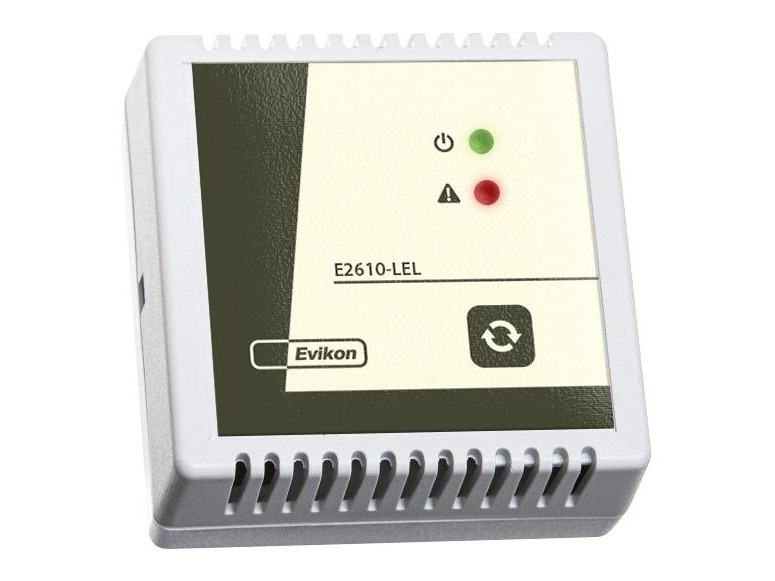
2 × SPDT relays, slotted ABS 85 × 85 × 37 mm, IP20, LEDs, buzzer, 24 VDC / 24 VAC / 230 VAC
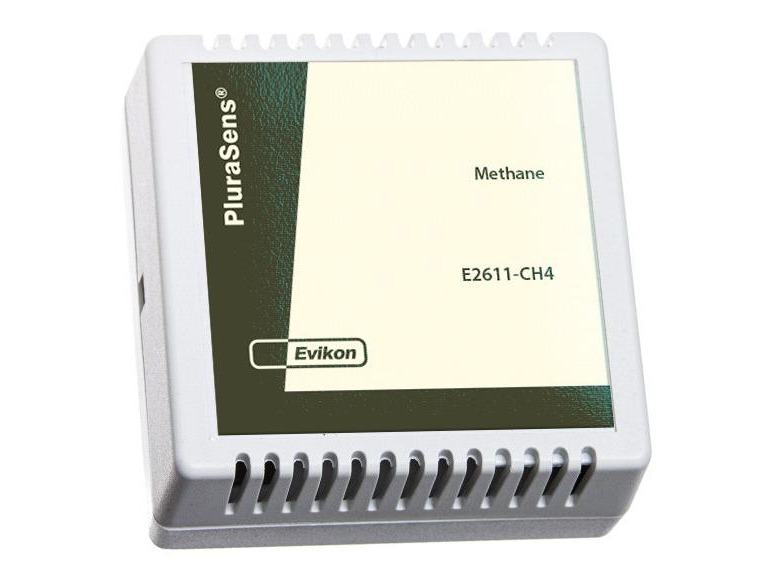
2 × SPST relays, 2×4-20mA/0-10V, RS485 Modbus RTU, slotted ABS 85 × 85 × 37 mm, IP20
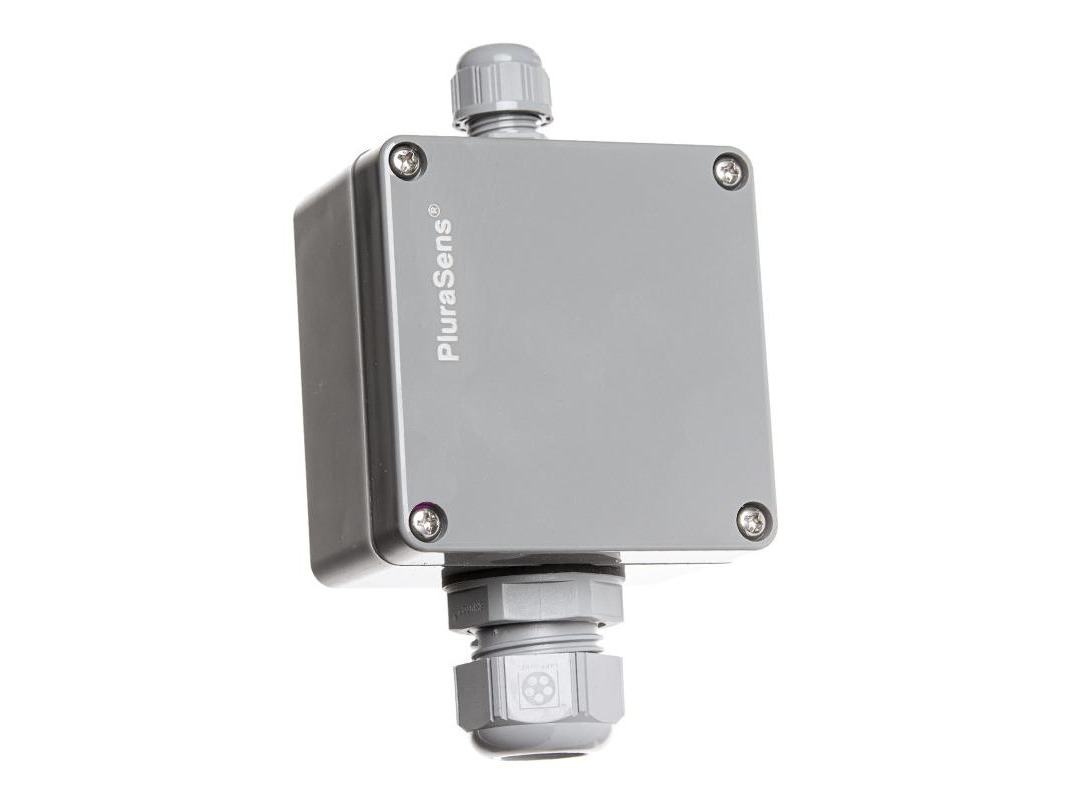
transmitter only, 2×4-20mA/0-10V, RS485 Modbus RTU, grey ABS 80 × 82 × 55 mm, IP65
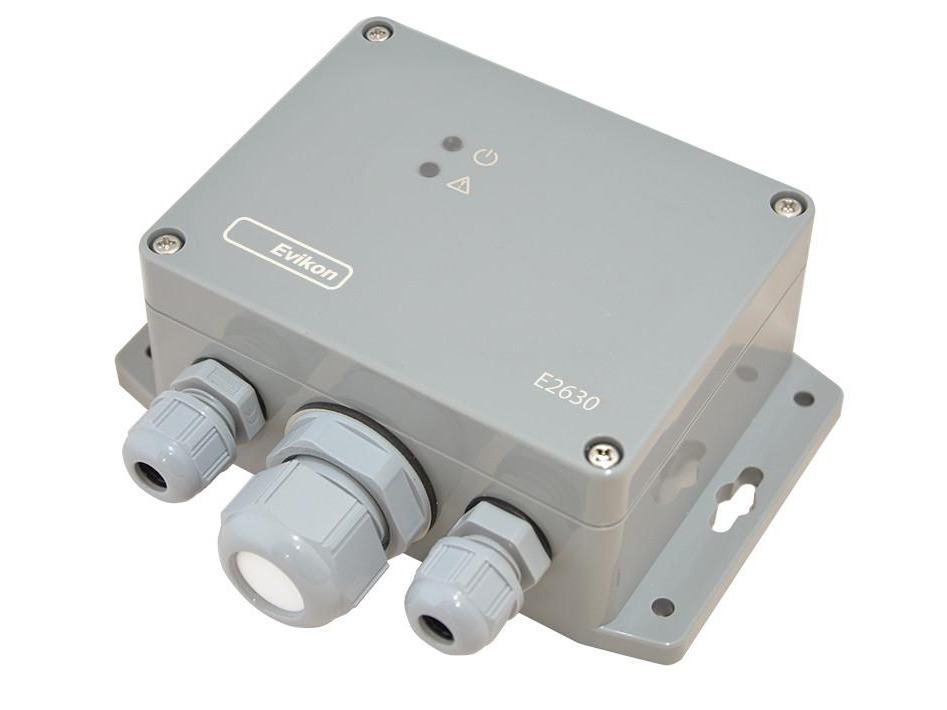
2 x SPDT relays, ABS plastic 90 x 145 × 55 mm, IP65, LEDs, buzzer, 24 VDC / 24 VAC / 230 VAC
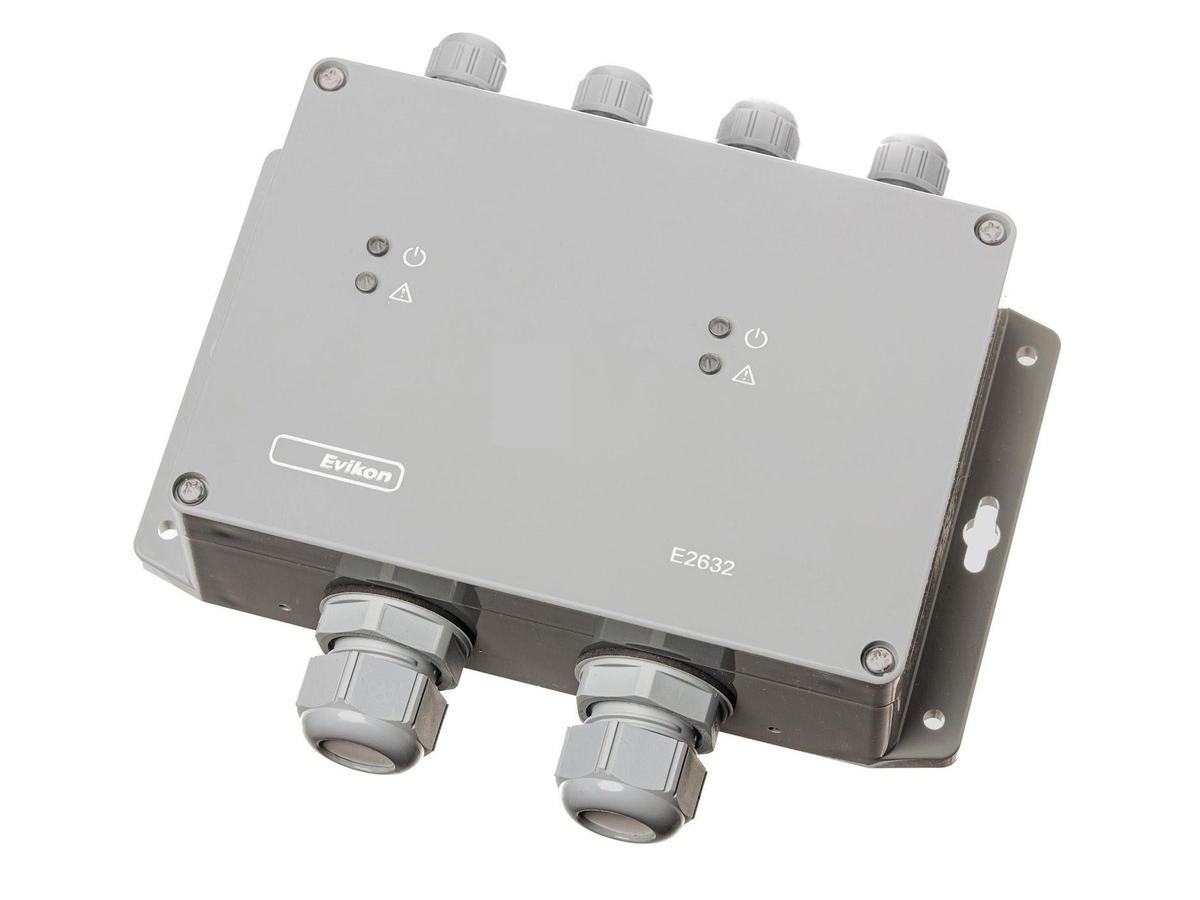
The instrument utilizes novel fully calibrated and temperature compensated gas sensors with excellent repeatability, stability, and long lifetime.

Vaisala DRYCAP® Dew Point and Temperature Probe DMP5 is designed for in-line humidity measurement in industrial drying applications with high…

Dr. Lauri Reuter is an expert in the future of food, and the person to ask if you’ve ever wondered what we are going to eat in the future, and how…

Industrial companies are continuing to take action to minimize their carbon emissions. Many are reducing their use of fossil fuels and switching to…

In the causticizing process, passive chemicals are converted into active cooking chemicals to make white liquor. This is used in the digester as a…
A specialist replies with the solution, the instrument and the service that fit.
Products to quote
No products yet. An enquiry can be sent anyway: a specialist answers.