

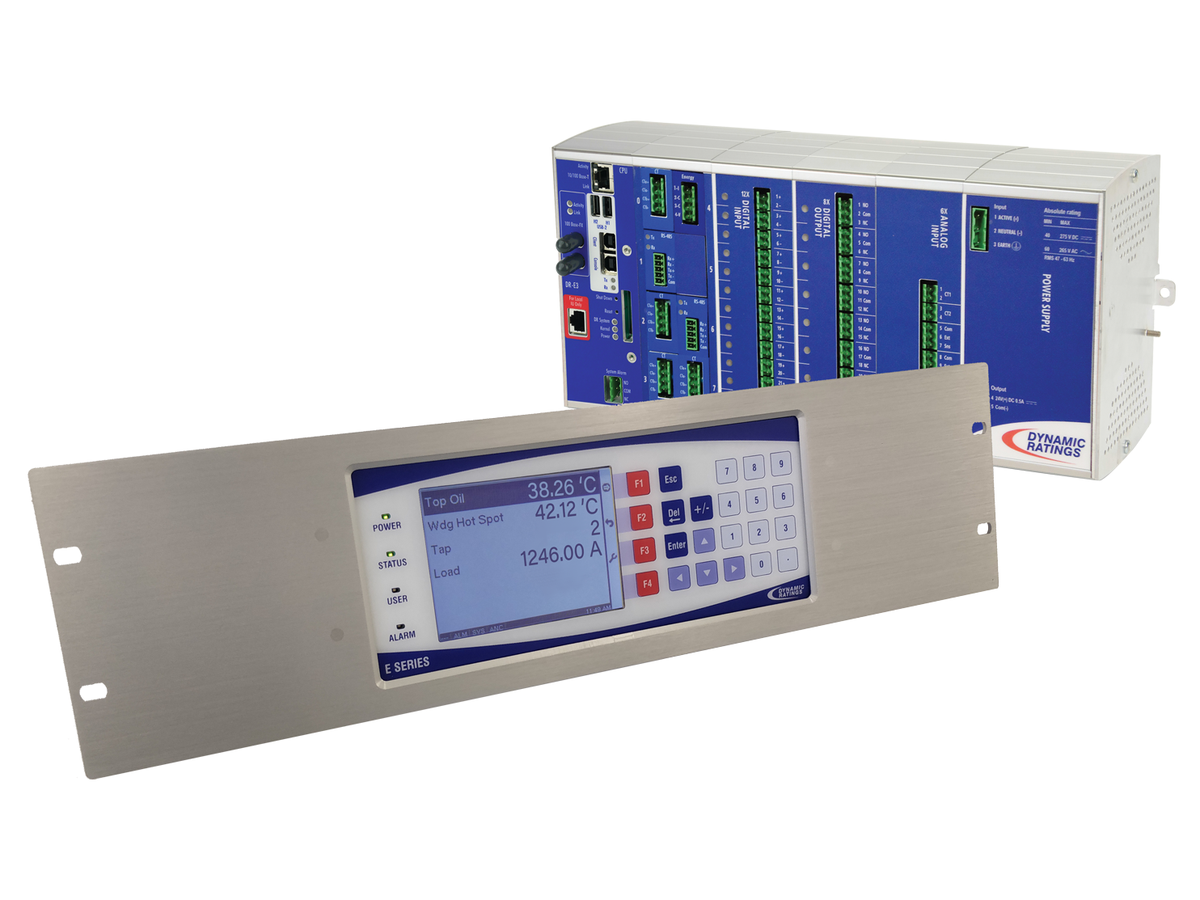
E3 Transformer Monitor
The E3 Transformer Monitor is a comprehensive, customizable solution for transformer asset management. Use data to smart decisions.
Technical note
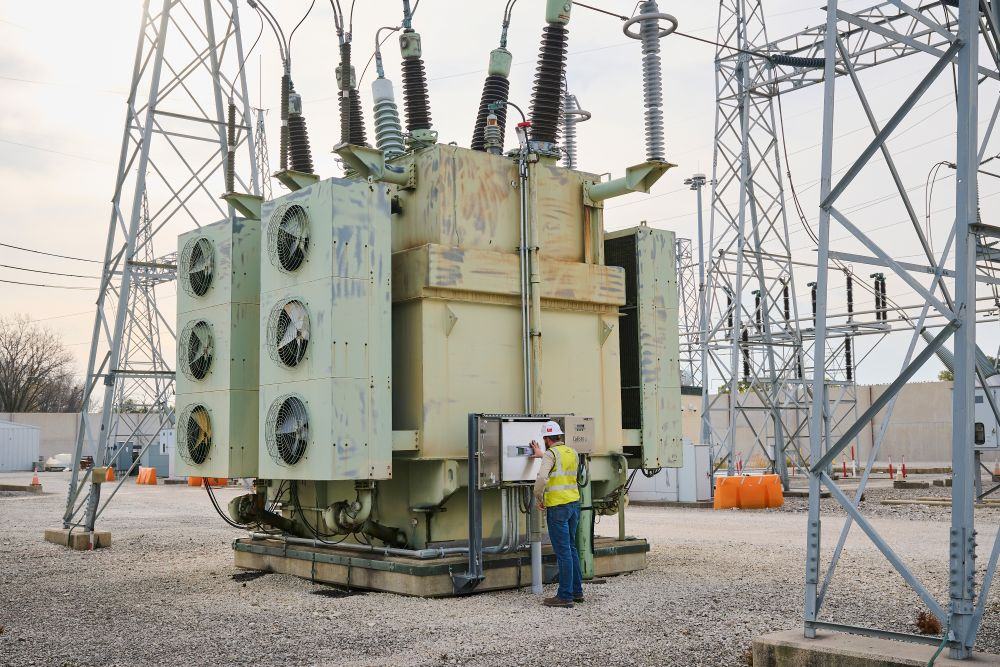
Transformers are the backbone of electrical infrastructure, and their longevity depends on effective temperature monitoring. Excessive heat accelerates insulation degradation, increasing the risk of failures, outages, and costly repairs.
Fiber optic temperature monitoring has emerged as an advanced solution, providing real-time, direct winding temperature measurements with a high degree of accuracy. Reliable real-time temperature tracking leads to improved condition based monitoring, helping utilities optimize performance.
Based on insights from the Fiber Optic Temperature Monitoring Webinar and supporting industry resources, this post explores the advantages of fiber optic monitoring, its installation process, and how it integrates with modern transformer management systems.
Fiber optic temperature monitoring provides real-time, direct measurement of winding temperatures. Unlike traditional methods, fiber optic sensors measure actual hot spot temperatures, offering precise data that allows utilities to optimize load management.
The collected data is transmitted to Dynamic Ratings’ E3 and C50 Transformer Monitors for real-time processing, ensuring precise analytics for predictive maintenance. The latest enterprise asset management software, such as that offered by Dynamic Ratings, plays a crucial role in achieving these benefits.
Fiber optic sensors are installed during transformer manufacturing for maximum reliability. They are embedded directly into the winding spacers, positioned as close as possible to the hot spots identified during transformer design. This placement allows for the most precise temperature measurement. Sensors are routed through tank wall penetrators, creating a durable connection between the internal fiber optic probes and external monitoring systems. Once installed, the sensors work continuously with our advanced monitoring technology to provide real-time temperature analysis.
Two types of fiber optic sensors are frequently used in transformer temperature monitoring. GaAs-based probes, used in FISO and Neoptix modules, measure temperature shifts by analyzing variations in the semiconductor’s absorption spectrum rather than relying on white light absorption. Ceramic phosphorescent probes, used in Luxtron modules, rely on patented Fluoroptic® technology. These sensors use fluorescence decay time to calculate temperature.
The Fluoroptic® technology in Luxtron sensors leverages a temperature-sensitive phosphorescent sensor attached to a fiber optic cable to achieve its results. When pulses of light travel through the fiber, they cause the sensor to fluoresce. The decay time of this fluorescence is then analyzed using digital signal processing (DSP), which provides dependable temperature measurement. This technology ensures exceptional measurement stability over time, eliminating the need for recalibration. Designed for use in SE-604 fiber optic modules, Luxtron sensors provide direct winding temperature measurements. Their ability to maintain long-term reliability makes them a trusted solution for utilities monitoring large transformers. With a rugged design that withstands harsh transformer environments, Luxtron sensors offer durable and long-term monitoring capabilities.
FISO sensors operate using Gallium Arsenide (GaAs) technology, which measures temperature fluctuations through shifts in its absorption spectrum. The semiconductor’s transmission properties adjust as temperature changes, allowing for highly accurate and real-time temperature readings. This direct hot spot monitoring capability ensures that utilities receive immediate and precise thermal data for effective transformer management.FISO fiber optic modules support both 62.5 µm and 200 µm fiber optic probes. The 62.5 µm fiber, with its tighter bend radius, is easier to install in compact transformer designs, making it ideal for applications with space constraints. The 200 µm fiber, while more rigid and requiring more careful handling during installation, is often used in retrofits where existing probe infrastructure is already in place.
Neoptix sensors, like FISO sensors, utilize GaAs technology to detect temperature variations through absorption spectrum shifts. This method allows for continuous, direct monitoring of transformer windings, providing utilities with precise and dependable data.
Neoptix sensors are commonly used in power transformers and integrate seamlessly with Dynamic Ratings’ fiber optic temperature monitoring systems. They are particularly suited for applications requiring 200 µm fiber optic probes, making them an excellent option for utilities retrofitting existing transformers with fiber optic temperature monitoring. Their compatibility with industry-standard monitoring systems ensures a smooth integration process while delivering highly accurate and real-time temperature readings.
SCADA (Supervisory Control and Data Acquisition) plays a crucial role in modern transformer monitoring by enabling utilities to analyze and manage transformer conditions in real-time remotely.
When integrated with fiber optic temperature monitoring, SCADA provides automated alerts when temperatures exceed safe thresholds, allowing operators to address potential issues before they escalate. The combination of SCADA and fiber optic monitoring also enhances predictive maintenance by reducing the need for frequent manual inspections.Through SCADA integration, utilities gain complete visibility into transformer performance, allowing real-time adjustments to optimize efficiency and extend operational lifespan. Unlike traditional monitoring systems, which require periodic on-site checks, recalibrations and manual data collection, SCADA-linked fiber optic monitoring provides continuous, precise data, enabling proactive management of transformer assets.
The three main approaches for monitoring transformer winding hot spots are traditional temperature gauges, electronic temperature monitoring, and direct fiber optic temperature monitoring.
Traditional temperature gauges, such as winding temperature indicators, estimate winding temperatures using a simulated heater element. This method is prone to lag times, leading to delayed readings. Inaccuracies can arise due to environmental conditions and fluctuations in load, making traditional gauges less effective for real-time monitoring. These systems require regular maintenance and recalibration, adding to operational costs.
WTI systems do not inherently support integration with SCADA systems. However, modifications with additional components allow for some compatibility.Electronic temperature monitoring offers improved accuracy over traditional gauges by using IEEE/IEC algorithms to calculate winding temperatures. These systems provide more consistent readings over WTI by considering factors such as load fluctuations and cooling system behavior. They also support SCADA integration, allowing remote access to temperature data.
Despite these advancements, electronic temperature monitoring still relies on modeled estimations rather than direct temperature measurements. Specifically, electronic monitoring relies on algorithms that comply with IEEE C57.91 and IEC 60076 standards.
Compared to traditional temperature gauges and electronic temperature monitoring, direct fiber optic temperature monitoring offers multiple benefits, resulting in widespread use cases.
Fiber optic sensors provide direct, real-time temperature readings, helping utilities prevent insulation degradation and safely optimize transformer loading. The system measures real-time temperatures with ±1°C precision. This level of precision allows for very granular monitoring, which in turn allows operators to respond to minute changes in temperature, significantly reducing the risk of large-scale failures. Utilities rely on fiber optic sensors in bulk power transformers, generator step-up (GSU) transformers, and critical fleet transformers, where precise temperature tracking ensures long-term asset performance.
Unlike traditional monitoring methods that require frequent recalibration, fiber optic sensors maintain performance without regular maintenance. This greater efficiency results in reduced maintenance costs. Retrofitting older transformers with fiber optic sensors is a sound investment as it eliminates the need for periodic recalibrations associated with traditional winding temperature indicators (WTI).
Immediate access to reliable temperature data enables utilities to make informed load management decisions. For instance, real-time monitoring minimizes unnecessary shutdowns and enhances grid stability by allowing operators to respond to fluctuations proactively. This real-time data also improves electrical usage monitoring, allowing for better grid optimization. Mobile transformers and emergency response units benefit from fiber optic monitoring, as real-time data helps ensure reliability in fluctuating power conditions, especially during temporary or backup power applications.
Fiber optic sensors feature nonintrusive, solid-state designs that enhance long-term performance in harsh environments. For instance, fiber optic sensors are immune to electromagnetic interference, making them vital in environments with significant electrical noise, including power plants and military facilities. Likewise, they can operate reliably in corrosive industries or environments with high temperatures.
Dynamic Ratings provides a range of fiber optic temperature monitoring solutions tailored to transformer applications. These systems integrate seamlessly with Luxtron, FISO, and Neoptix sensors, offering flexible monitoring options. Modules are bundled with E3 and C50 Transformer Monitors to provide real-time analytics and comprehensive asset management.
The E3 Transformer Monitor provides real-time transformer condition monitoring, ensuring peak operational efficiency. Combined with fiber optic temperature sensors, the E3 Monitor delivers accurate temperature readings based on real-time data rather than theoretical models.
The C50 Transformer Monitor makes condition monitoring easy and affordable. It looks at the condition of your assets so that you can use real-time data to make decisions about your high voltage transformers. The C50 Monitor also analyzes historical data to identify patterns and detect anomalies before they escalate.
Fiber optic monitoring provides real-time insights, helping utilities prevent failures, reduce maintenance costs, and optimize load management. As power demands grow, investing in precise temperature tracking ensures long-term operational reliability.
Author: Tyler Willis, Dynamic Ratings
The E3 Transformer Monitor is a comprehensive, customizable solution for transformer asset management. Use data to smart decisions.
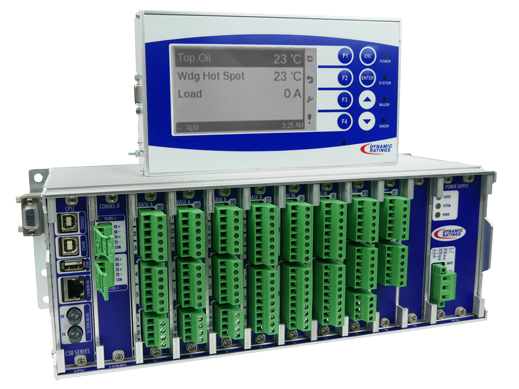
The C50 Transformer Monitor makes condition monitoring easy and affordable. It looks at the condition of your assets so that you can use real-time…
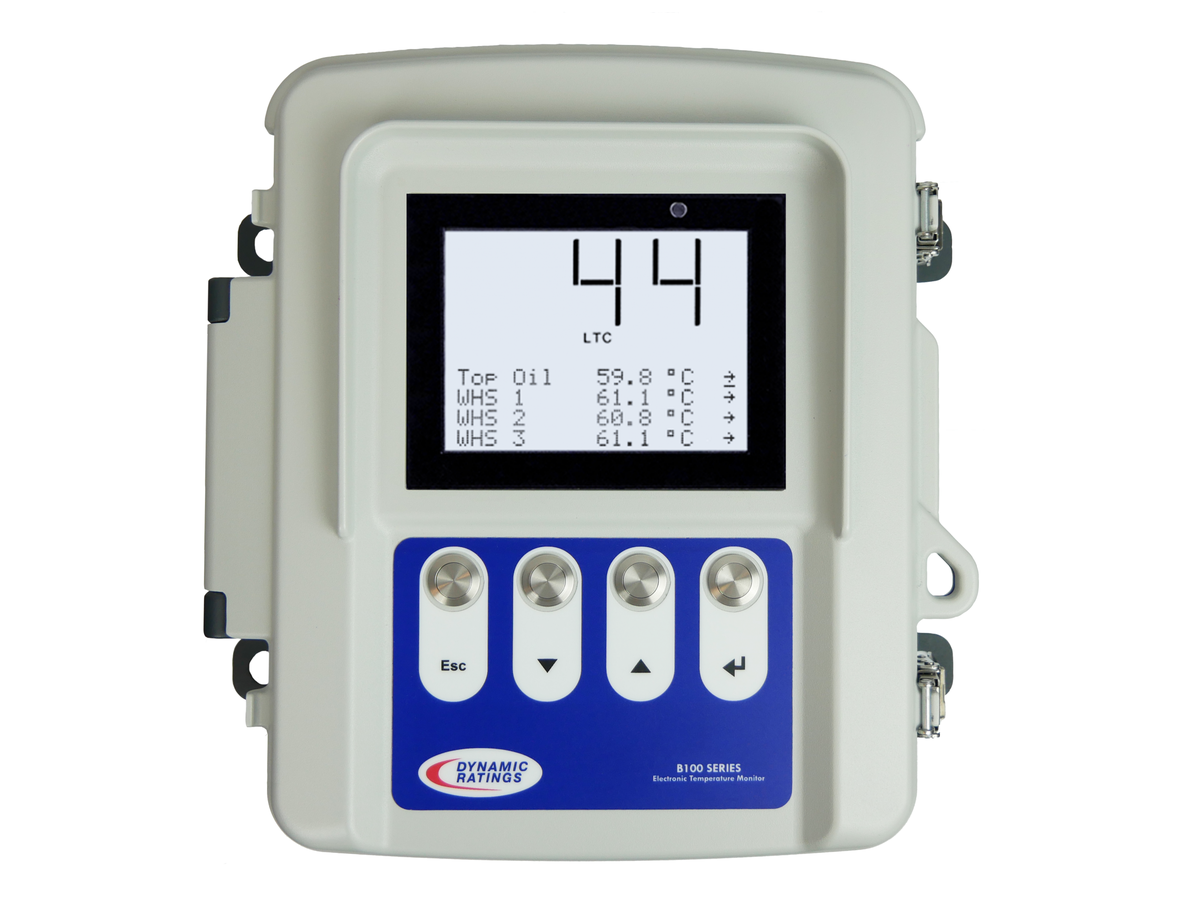
The B100 Series Electronic Temperature Monitor (ETM) is a complete monitoring solution for any distribution, transmission or generation transformer…
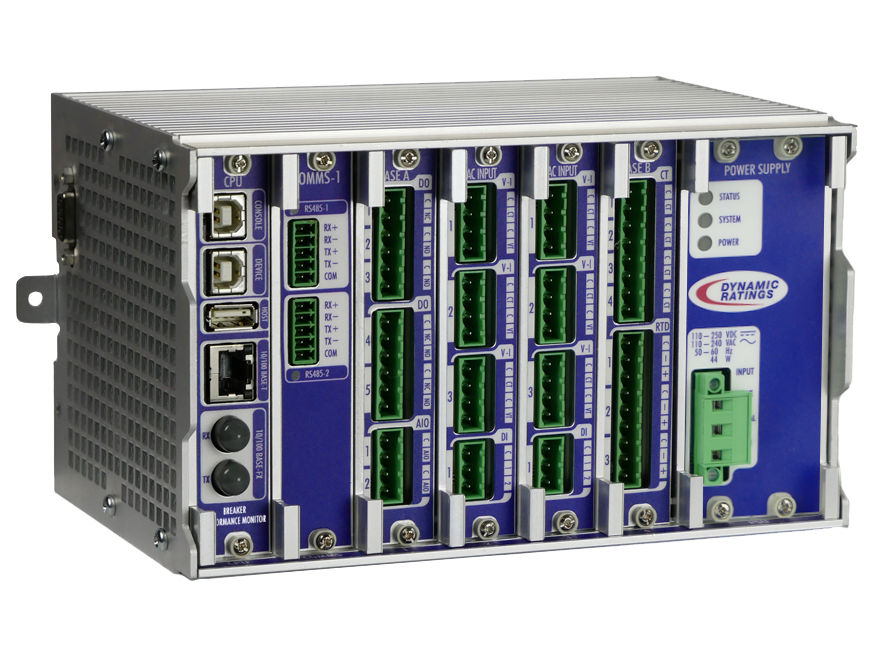
The Breaker Performance Monitor is ideally suited for implementing predictive maintenance, maintenance deferral, condition based maintenance and…
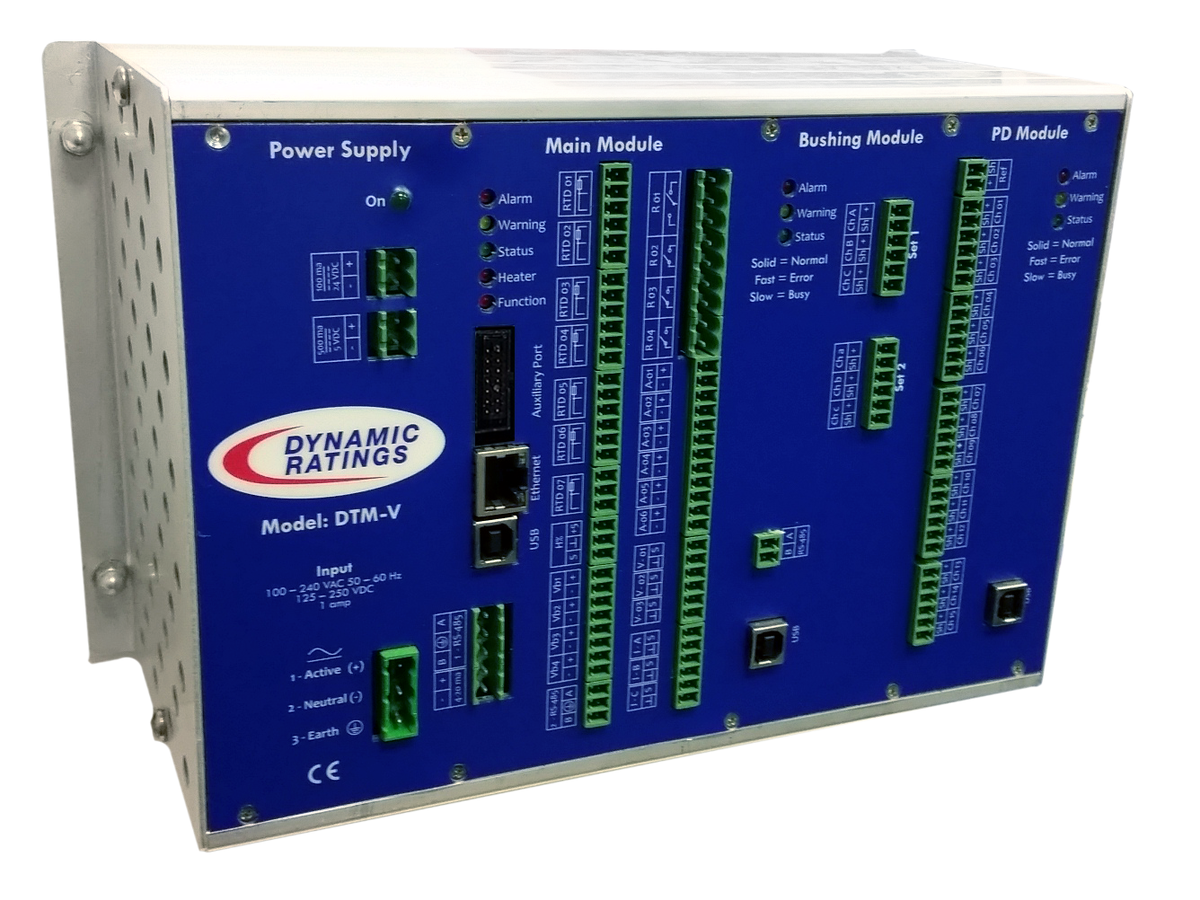
The DTM Bushing Health Monitor detects problems to prevent failure of transformer bushings, windings, and the bus connected to the transformer.
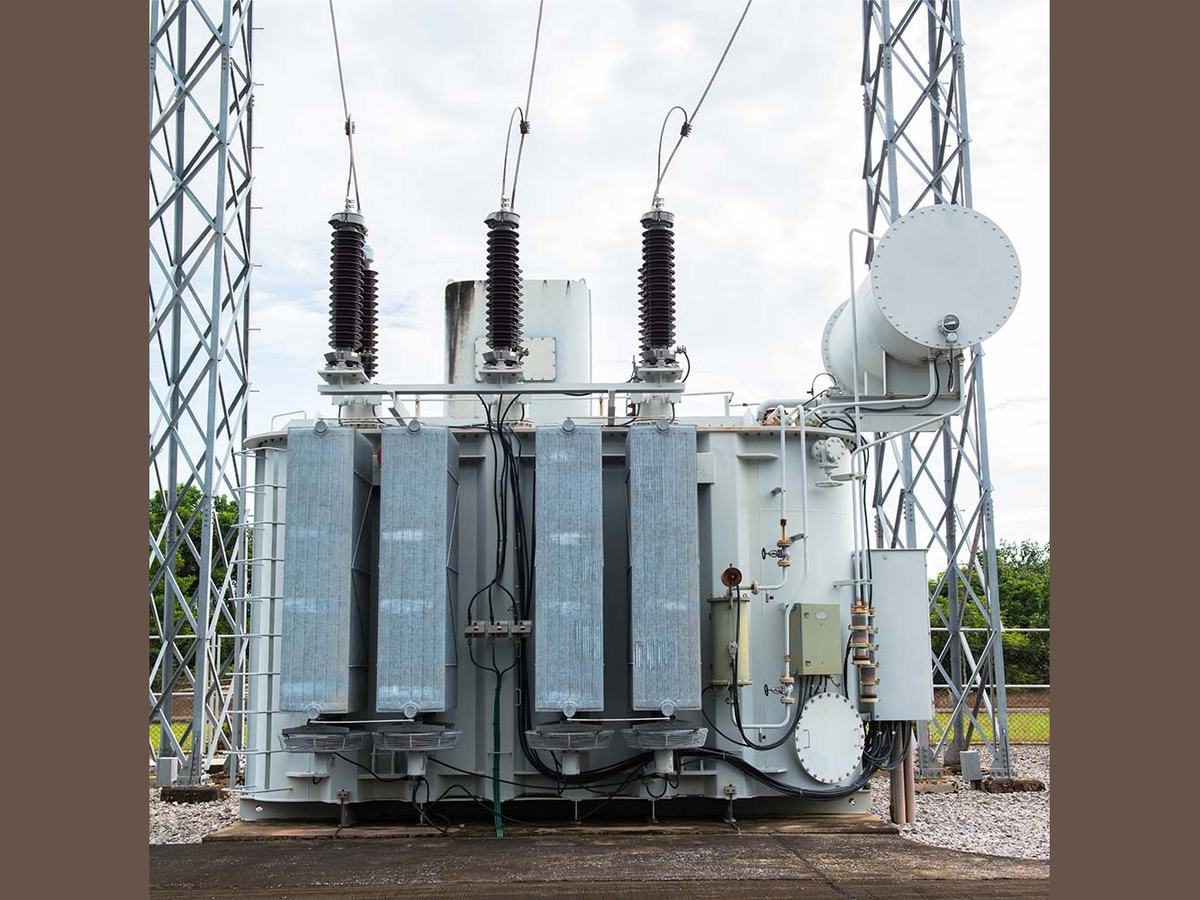
Dynamic Ratings continues to provide technical and hardware support to the T1, T2, and T3 Monitors. However, we are no longer actively producing…

Vaisala DRYCAP® Dew Point and Temperature Probe DMP5 is designed for in-line humidity measurement in industrial drying applications with high…

Dr. Lauri Reuter is an expert in the future of food, and the person to ask if you’ve ever wondered what we are going to eat in the future, and how…

Industrial companies are continuing to take action to minimize their carbon emissions. Many are reducing their use of fossil fuels and switching to…

In the causticizing process, passive chemicals are converted into active cooking chemicals to make white liquor. This is used in the digester as a…
A specialist replies with the solution, the instrument and the service that fit.
Products to quote
No products yet. An enquiry can be sent anyway: a specialist answers.