

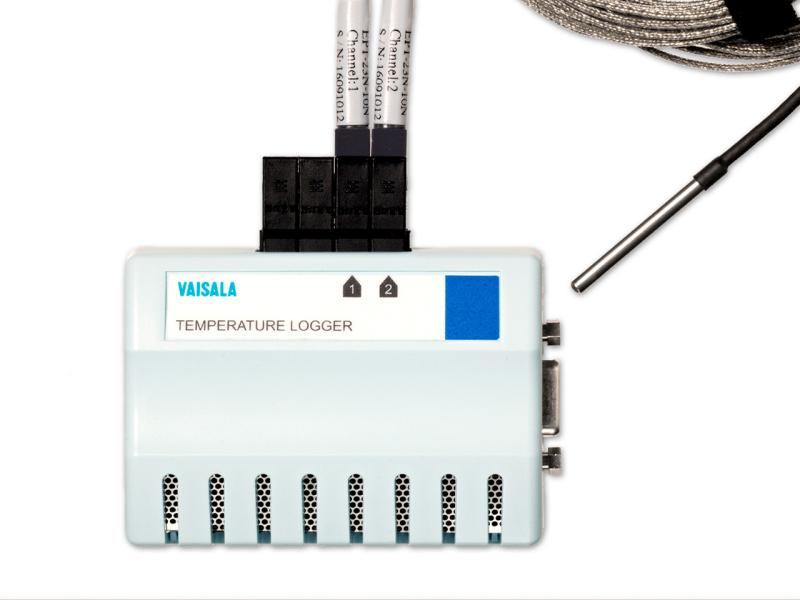
DL1000-1400 Temperature Logger
for demanding temperature monitoring & mapping
Application note
Phosphoric acid is used in a wide range of industrial applications, including the manufacture of:
Phosphoric acid (H₃PO₄) is a key industrial chemical with a wide range of applications. While it is most commonly associated with phosphate fertilizer production, its mildly acidic and non-toxic properties also make it valuable in the food, beverage, pharmaceutical, and cosmetics industries.
The most prevalent method for producing phosphoric acid is the wet process, in which phosphate rock reacts with sulfuric acid (H₂SO₄) to yield phosphoric acid (H₃PO₄) and gypsum as a byproduct.
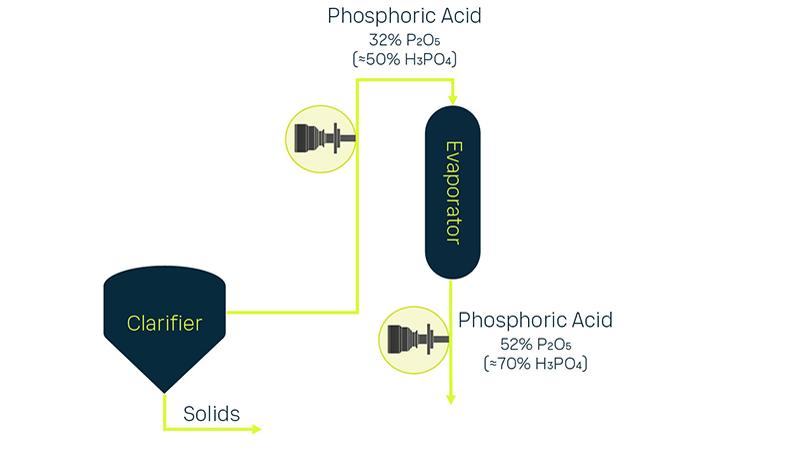
Phosphoric acid concentration is typically expressed as phosphoric anhydride (% P₂O₅) rather than as H₃PO₄. The two primary grades are:
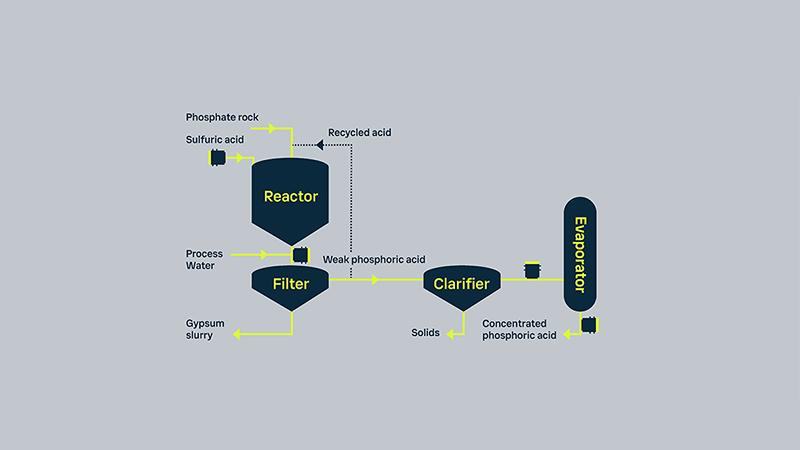
The wet process involves three primary steps: reaction, filtration, and concentration.
Reaction:
Phosphate rock is first ground and fed into a reactor, where it reacts with sulfuric acid. This step is known as acidulation. During this reaction, tricalcium phosphate from the rock is converted into phosphoric acid and calcium sulfate (CaSO₄) — commonly known as gypsum.
Maintaining sulfuric acid concentration between 93–98% is critical for optimal process performance. It ensures effective dissolution of phosphate rock, promotes proper formation of gypsum crystals for efficient filtration, and minimizes the water load that must be removed during acid concentration.
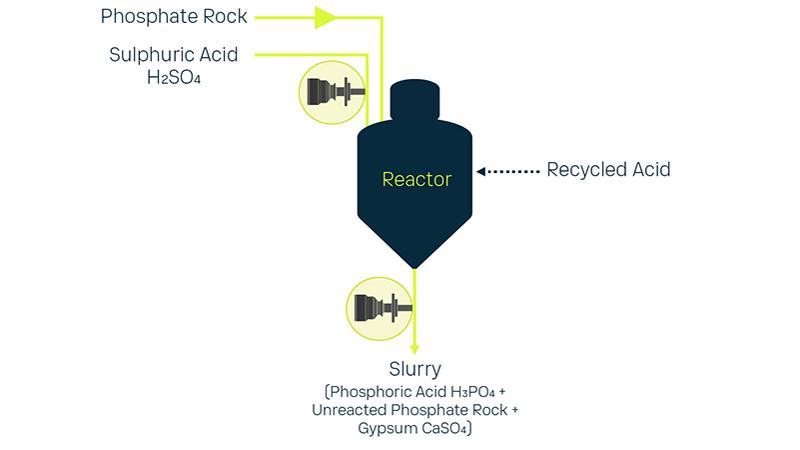
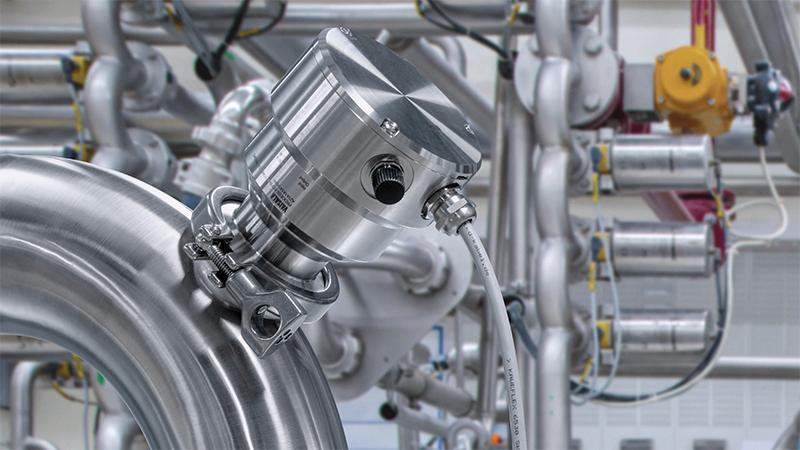
The Vaisala Polaris™ PR53GP Process Refractometer enables in-line monitoring of acid concentrations throughout the wet process, eliminating the need for manual sampling and titration. There are two key locations for inlet refractometer installation:
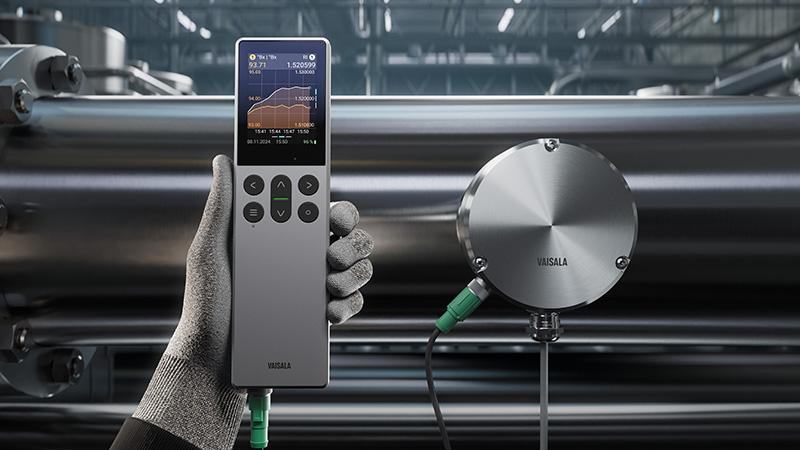
Vaisala Polaris PR53GC and PR53GP refractometers are built for demanding industrial environments. The PR53GC is ideal for small pipelines and bypass lines, while the PR53GP offers flexible installation in a wide range of pipe sizes using standard flanges.
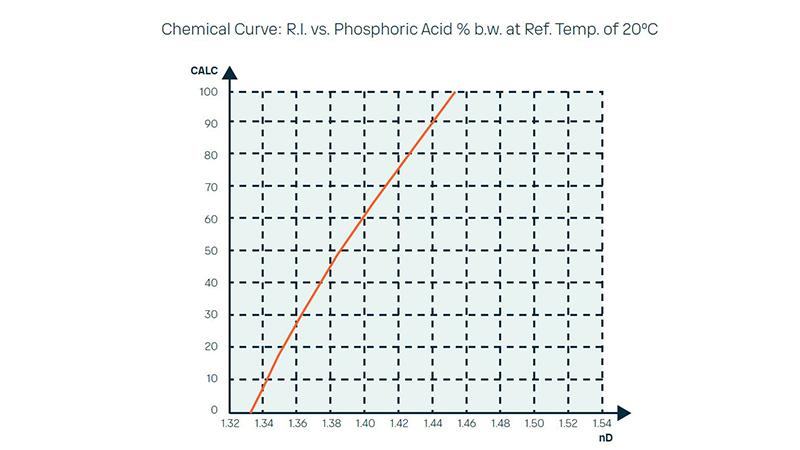
The refractometer measurement output can be configured in the preferred unit—% sulfuric acid, % phosphoric acid, % P₂O₅, or refractive index.
Features:
for demanding temperature monitoring & mapping
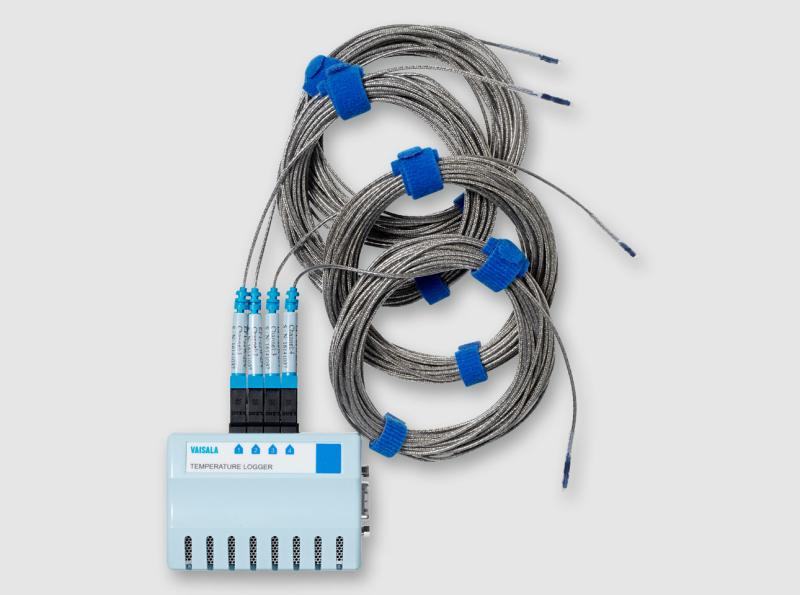
for wide-range temperature monitoring
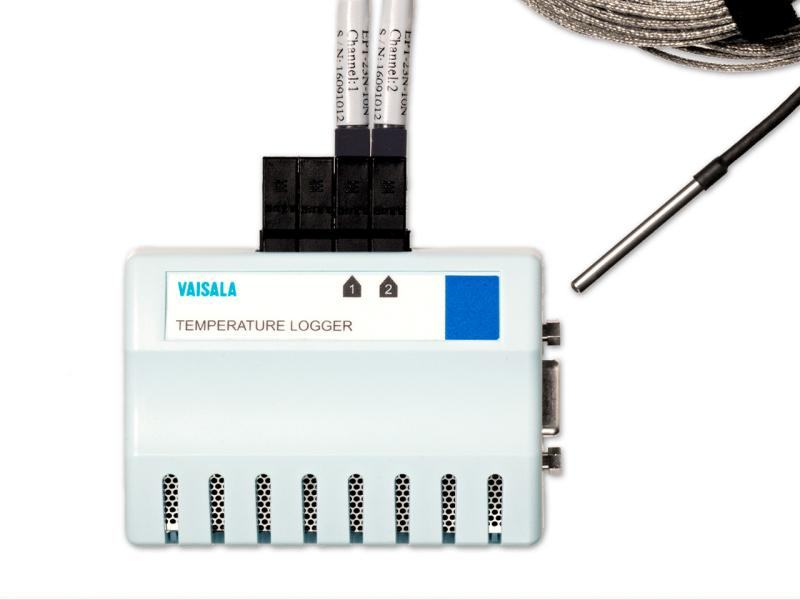
for demanding temperature monitoring & mapping
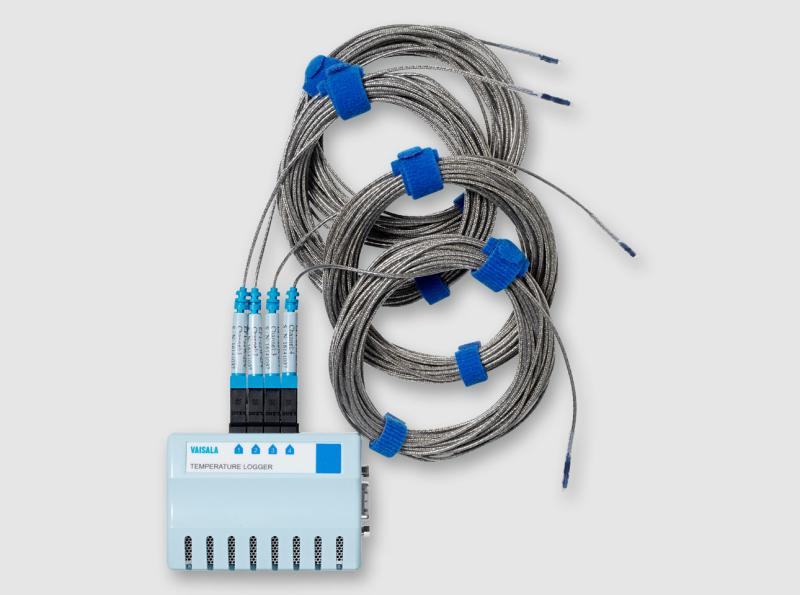
for wide-range temperature monitoring
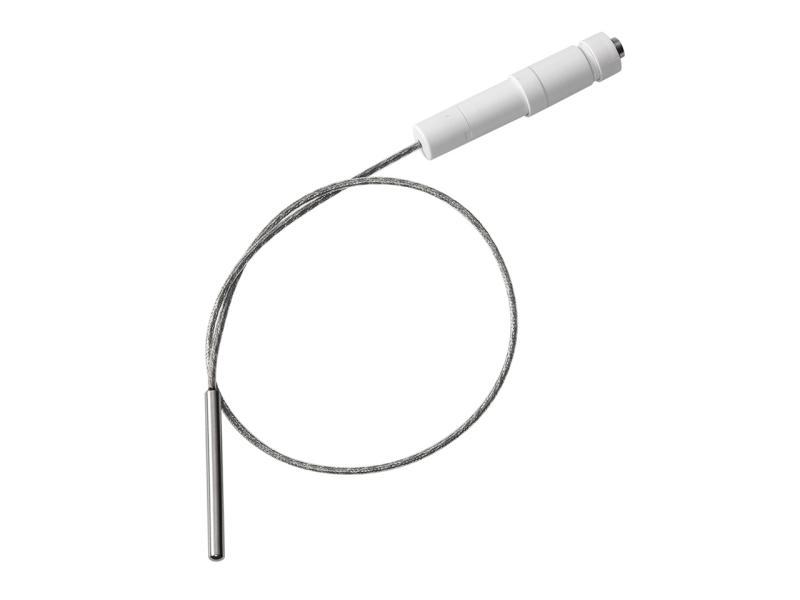
for demanding temperature-controlled environments

The Vaisala viewLinc Monitoring System tracks environmental conditions wirelessly using Vaisala’s VaiNet wireless devices based on LoRa®* technology…

One of the most important requirements to reduce cooling costs is to measure conditions properly in the first place. The first things to consider are:

Carbon dioxide and other gases consisting of two or more dissimilar atoms absorb infrared (IR) radiation in a characteristic, unique manner. Such…
Another approach to preventing explosions is to install electrical equipment inside of “explosion proof” housings. These housings can withstand…
A specialist replies with the solution, the instrument and the service that fit.
Products to quote
No products yet. An enquiry can be sent anyway: a specialist answers.