

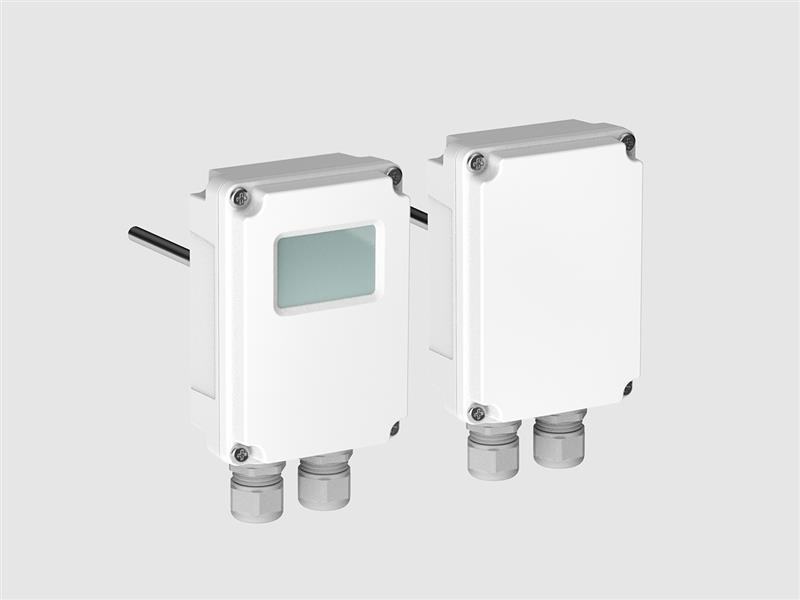
Immersion Temperature Transmitter TMI110
For high precision measurements in HVAC applications
Technical note
With over seven million data centers around the world consuming roughly 2% of global energy demand, anything that can increase their energy efficiency will have a big impact. On average, cooling and air conditioning account for 40% of a data center’s energy consumption – making accurate heating, ventilation, and air conditioning (HVAC) measurements critical to optimizing energy use. So how do high-quality HVAC sensors save energy and improve reliability in data centers?
The demand for data centers is only set to increase thanks to processing-hungry applications like virtual reality, AI, and machine learning. In addition, there is a shift towards cloud computing as well as increased demand for edge data centers located near end users to reduce latency.
During the past decade, we have also seen the “hyperscale shift” toward large, business-critical data centers typically associated with big-data companies like Google and Amazon. While still a small percentage of the total, hyperscale data centers have increased their relative market share.
All of this means that energy consumption will increase as more data centers are brought online and current ones expand. According to estimates in a study by Huawei Technologies, the global energy consumption of IT will likely triple by 2030 compared to current levels, meaning there is a pressing need to increase data centers’ energy efficiency.
The most common metric used to measure the energy efficiency of data centers is Power Usage Effectiveness (PUE), which is defined as the ratio of the total energy used in the data center and the energy used by IT equipment only.
In the best-case scenario, PUE should be 1. This means that all energy is spent on IT equipment and the supporting infrastructure does not consume anything. In reality, the typical PUE in traditional data centers is around 2, and in hyper-scale sites around 1.2. In 2020, the global average PUE was about 1.6, which means that almost 40% of the energy used in data centers is consumed by non-IT systems.
Cooling and air conditioning account for the majority of non-IT energy consumption in data centers, and cooling costs alone can easily represent 25% or more of total energy expense. This is because server racks generate a lot of excess heat which needs to be removed.
Read more: Taking the heat out of data center energy costs
Cooling can be optimized with good design and, crucially, accurate HVAC measurements. If temperature readings are too high, it can lead to overcooling, and consequently, to excessive energy consumption; if the temperature readings are too low, it can lead to undercooling, which increases the risk of unplanned server downtime. Even a 1 °C measurement error can increase energy costs by millions of euros over a period of ten years.
With critical data worth billions of dollars processed and stored in a data center, power-hungry servers must always be maintained at an ideal temperature and humidity to prevent downtime.
Doing so requires several types of measurements to be made using different sensors in different locations, including:
High-quality sensors are the key to efficiently controlling HVAC processes and ensuring stable indoor environments. The sensors that offer the best overall lifetime value are those that are accurate, provide stable long-term measurements, and are easy to maintain.
Read more: The sensor requirements of data centers
There are many factors to consider when choosing sensors for a data center, including:
Instruments with exchangeable measurement probes or modules can be changed quickly without disturbing the measurement process. Traceable calibration certificates are important as they indicate a sensor was in perfect shape when it left the factory. It’s also an advantage if you’re able to do field-checking, calibrations, tuning, and adjustments easily on-site with tools provided by the instrument provider.
From both a reliability and cost perspective, high-quality HVAC sensors offer excellent value. The investment is modest in comparison with the benefits that accurate measurements can provide in the form of precise controls, improved energy efficiency, and as-designed indoor conditions. Want to learn more about how to reduce cooling energy costs through higher measurement accuracy? Download a free insider’s guide to get the best tips on cutting data center cooling energy consumption with accurate measurements.
Get the free eGuide on how to cut cooling costs
For high precision measurements in HVAC applications
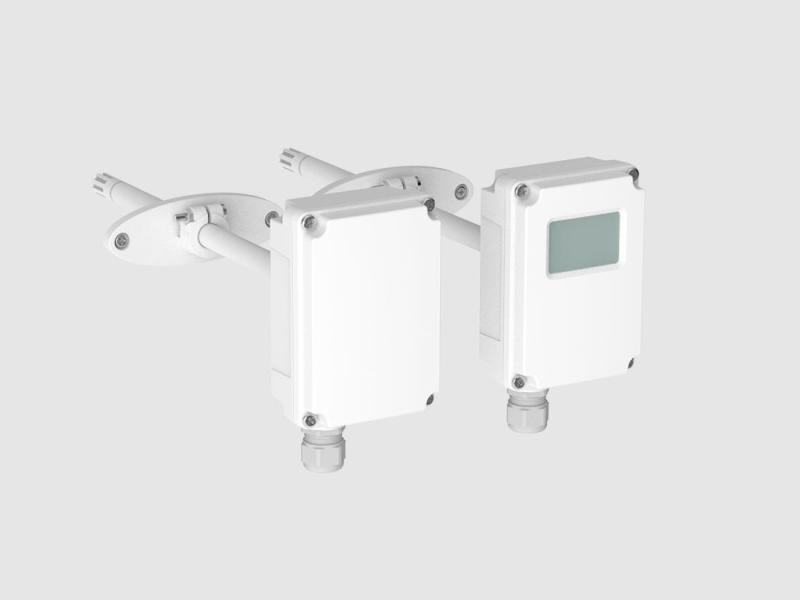
For high-precision measurements in HVAC applications

For high precision measurements in demanding HVAC applications
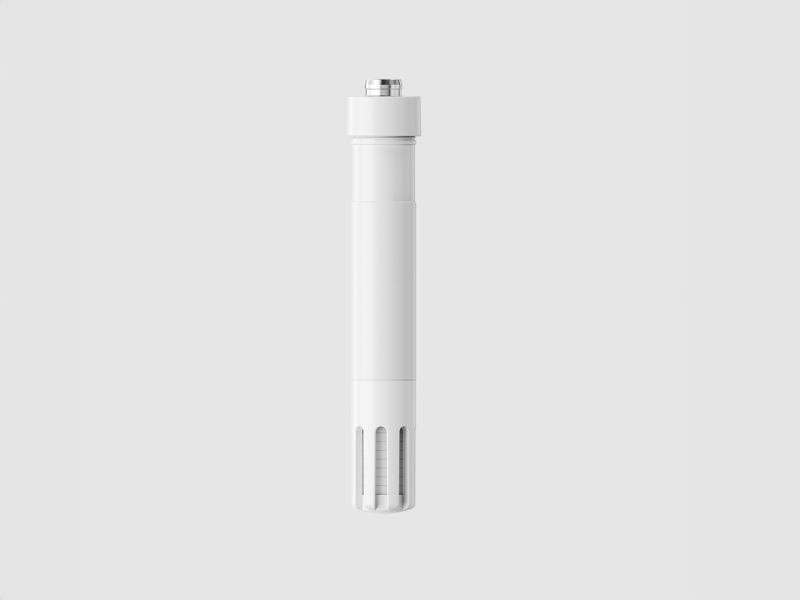
The Vaisala HUMICAP® Humidity and Temperature Probe HMP113 is a highly accurate and cost-effective humidity probe with a plastic enclosure. It has…
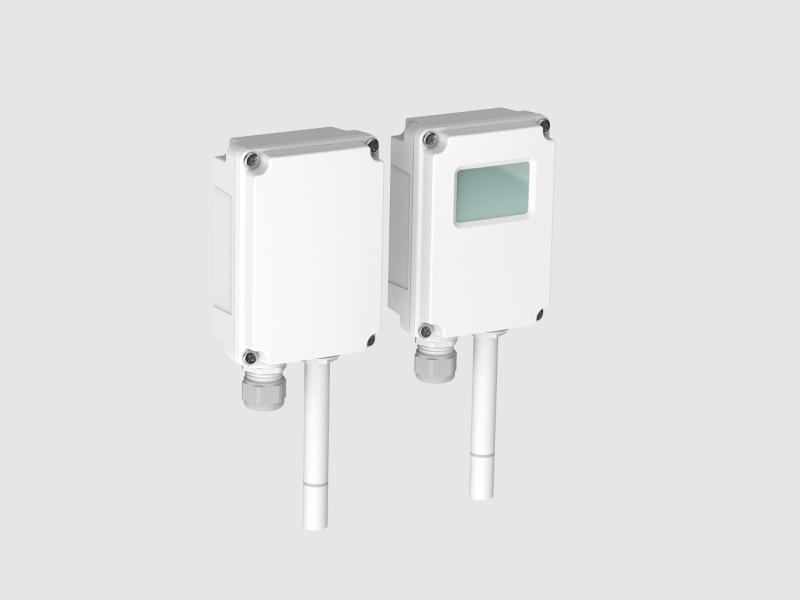
For high-precision measurements in HVAC applications
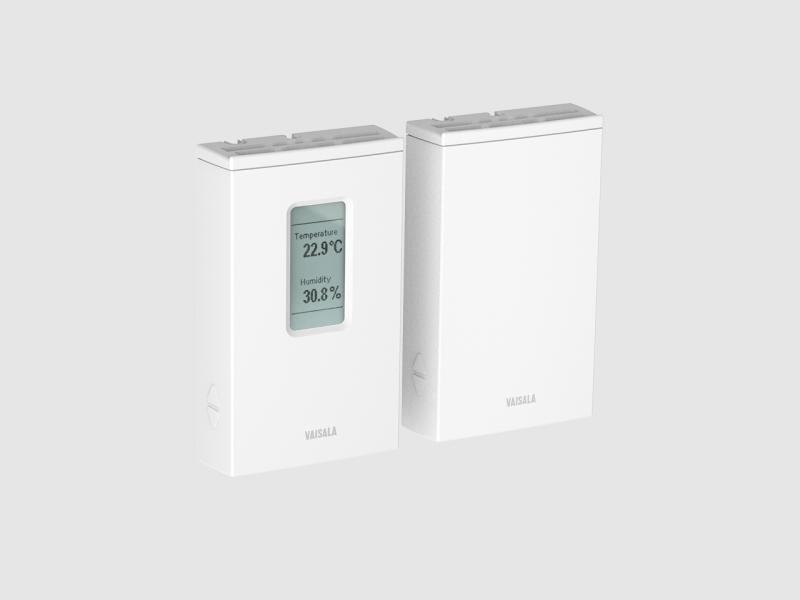
±1.7%RH wall transmitters with a certificate for demanding HVAC

What relative humidity, dew point, absolute humidity and mixing ratio are, how temperature and pressure distort the reading, and why dew point is…

How humidity behaves in real conditions, the three most common measurement problems, and two practical scenarios —heated air and compressed air—…

When to measure relative humidity vs. dew point, what high and low humidity demand, how temperature and pressure factor in, and when a warmed probe…

Cooling accounts for up to 40% of a data center's energy demand. This Vaisala guide explains how measurement accuracy cuts costs and risks, with a…
A specialist replies with the solution, the instrument and the service that fit.
Instruments to quote
No instruments yet. An enquiry can be sent anyway: a specialist answers.