

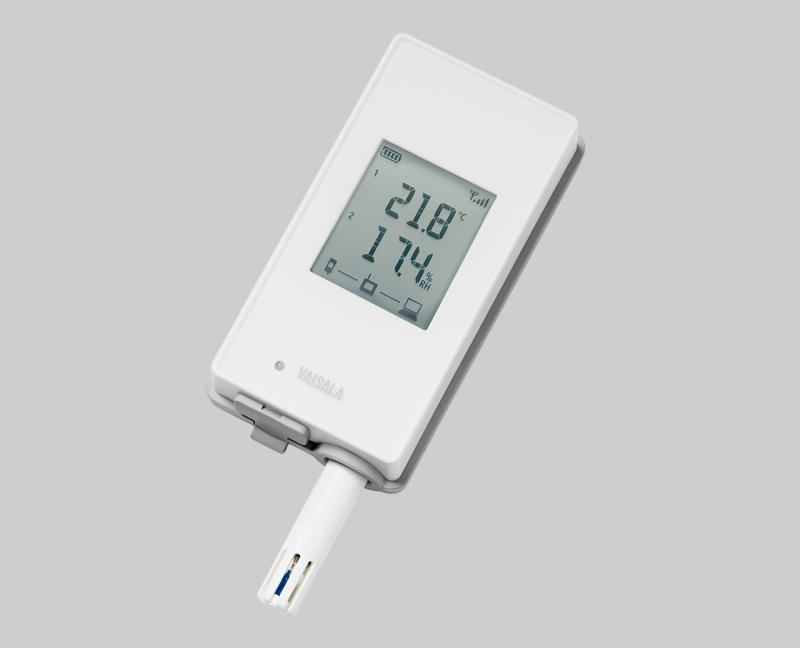
VaiNet wireless data logger RFL100
For wireless monitoring of controlled areas
Technical note
Combating the silent threat in museum environments to preserve our cultural heritage in the digital age
What if a priceless 16th-century painting on loan from a private collector showed signs of degradation just weeks into its exhibition? Fine cracks and flaking paint could lead to irreversible damage, compromising the artwork's value and historical integrity.
Museums are not just custodians of historical objects but protectors of our collective memory and cultural identities. While temperature and humidity monitoring may seem mundane, these systems play a crucial role in preserving our cultural heritage and ensuring the longevity of priceless artifacts. Stable humidity and temperature in museums are essential for slowing down the natural decay of materials. For conservators and facility managers, maintaining stable conditions preserves the integrity of art and artifacts. Heat accelerates chemical reactions that degrade materials like paper, canvas, and wood, while improper humidity levels can also cause deterioration. While some artifacts can adapt to slow changes, long-term environmental stability is key to preservation. Museums globally maintain carefully controlled temperature and humidity in galleries, conservation labs, and storage. Beyond preservation, environmental monitoring also has economic implications, such as conservation costs, insurance, energy efficiency.
For decades, museums used large chart recorders with paper rolls to track temperature and humidity, requiring frequent manual checks. Digital devices followed, but staff still had to connect via USB cables to download data. Early wireless loggers were convenient but limited by range, especially in older buildings, needing extra access points for consistent coverage.
Cloud-based monitoring systems like Vaisala Jade Smart Cloud offer key advantages for museums, addressing their unique challenges in artifact preservation.
While recognizing the benefits of cloud-based monitoring systems, museums must consider factors like coverage, usability, data security, integration, and support to implement a solution that meets their needs and prepares them for future artifact preservation challenges. Vaisala plays a crucial role in protecting priceless artifacts through its humidity and temperature monitoring solutions. Notable examples include preserving the 1927 Magna Carta and the Virginia copy of the Bill of Rights during its 50-state tour and safeguarding the "Mona Lisa" at the Louvre. Vaisala also helps protect the Vasa Museum’s 17th-century Swedish warship and supports renowned conservator Kikuko Iwai’s work on masterpieces by Picasso and Van Gogh. Vaisala’s technology ensures precise conditions for preserving cultural treasures and supporting conservation efforts worldwide.
Cloud-based monitoring solutions offer advanced capabilities, ease of use, and flexibility, helping museums preserve cultural heritage. These systems provide data access and maintain optimal conditions, ensuring artifacts are protected for future generations. Cloud technology is the key to achieving more efficient and precise preservation, making it essential for museums of all sizes to embrace it.
Tired of dealing with inconsistent environmental monitoring systems? Upgrade to advanced, cloud-based solutions from Vaisala, a globally trusted provider. Trade in your old devices and enjoy a seamless transition to cutting-edge technology. Click here to learn more about Vaisala upgrade offer, book your demo today and take the first step toward confidently protecting your valuable artifacts like never before!
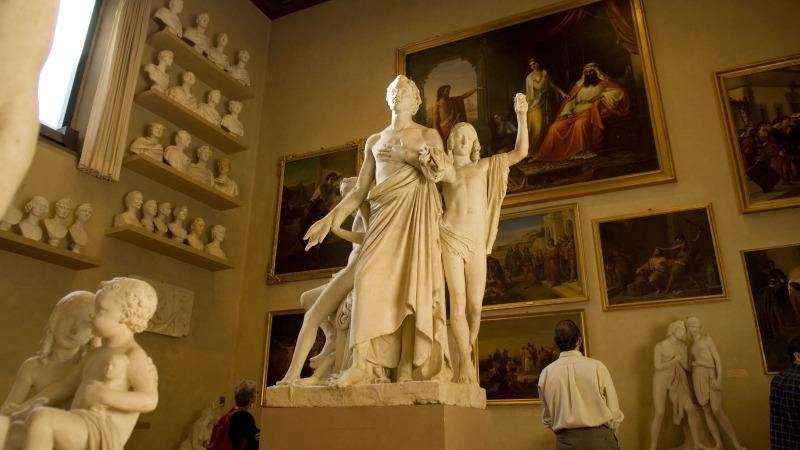
Learn from the expert
For paintings, archives, and other priceless items to last for posterity, a museum must pay careful attention to not only the restoration of the works of art, but to the environment in which they are preserved. Reliable instruments to monitor the humidity and temperature in the environment provide accurate data to help maintain the integrity of the items. They are also critical in helping museum professionals maintain ideal levels, thus providing a stable environment for the art.
In this webinar, Jarno Mitjonen, Product Manager at Vaisala, presents the importance of monitoring humidity and temperature in museum environments. He also highlights how a cloud-based monitoring system helps museum professionals easily track and share data while enabling data-driven decisions to preserve the integrity of priceless items.
For wireless monitoring of controlled areas
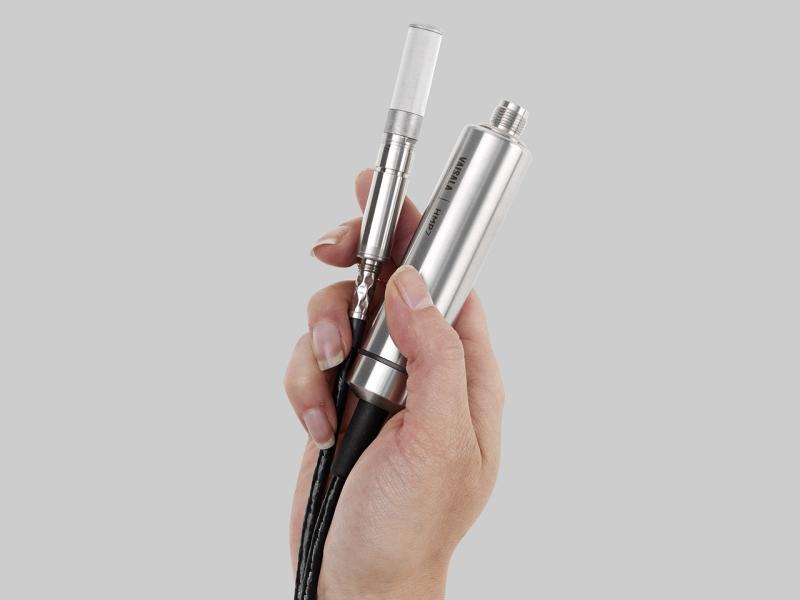
for high humidities
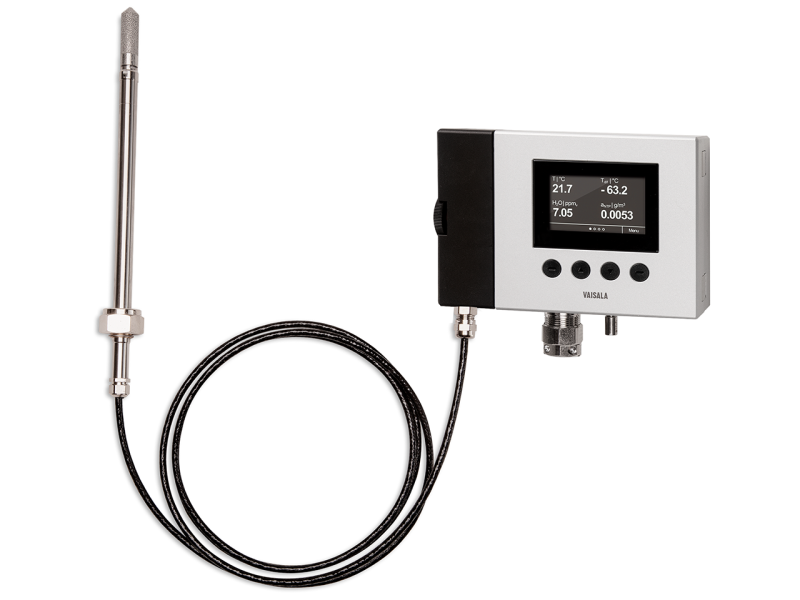
For use up to zone 0 and 20

for cleanrooms and industrial settings
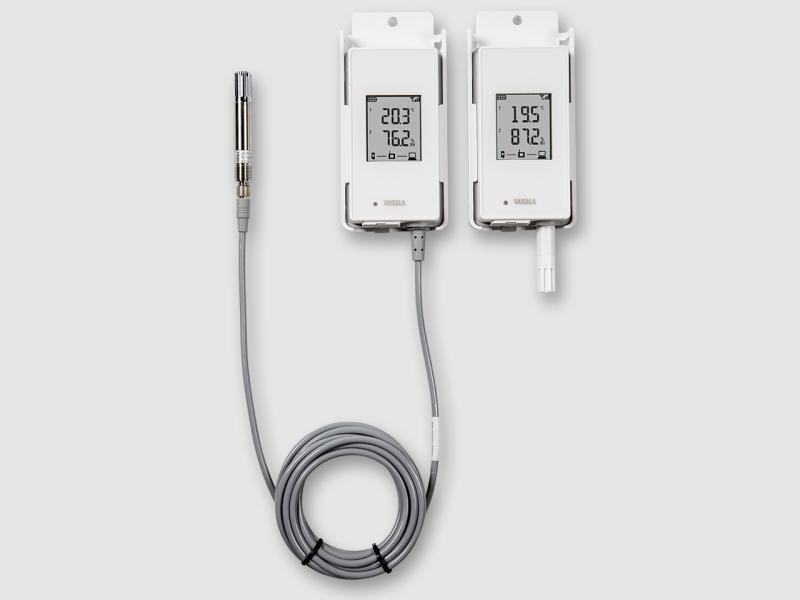
for monitoring humidity and temperature

for OEM applications

What relative humidity, dew point, absolute humidity and mixing ratio are, how temperature and pressure distort the reading, and why dew point is…

How humidity behaves in real conditions, the three most common measurement problems, and two practical scenarios —heated air and compressed air—…

When to measure relative humidity vs. dew point, what high and low humidity demand, how temperature and pressure factor in, and when a warmed probe…

Cooling accounts for up to 40% of a data center's energy demand. This Vaisala guide explains how measurement accuracy cuts costs and risks, with a…
A specialist replies with the solution, the instrument and the service that fit.
Instruments to quote
No instruments yet. An enquiry can be sent anyway: a specialist answers.