

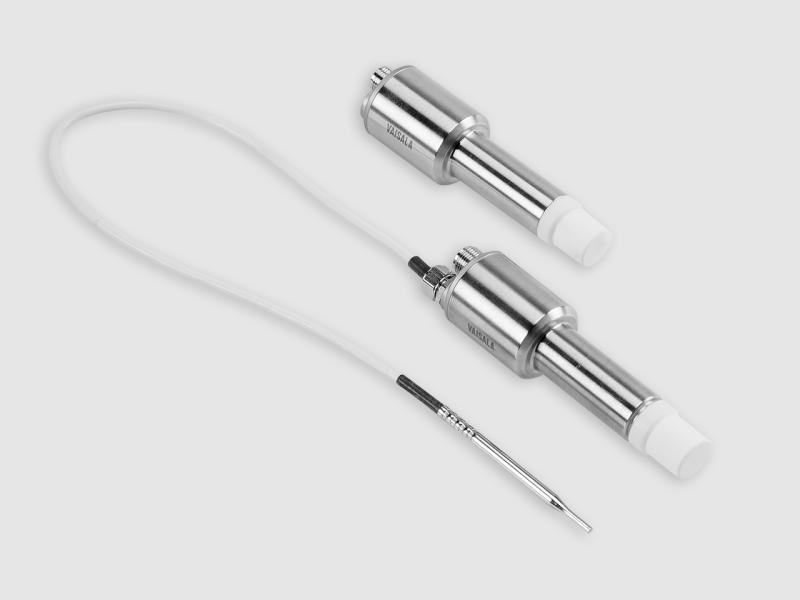
Vaporized Hydrogen Peroxide, Humidity and Temperature Measurement HPP270 Series
for bio-decontamination processes
Technical note
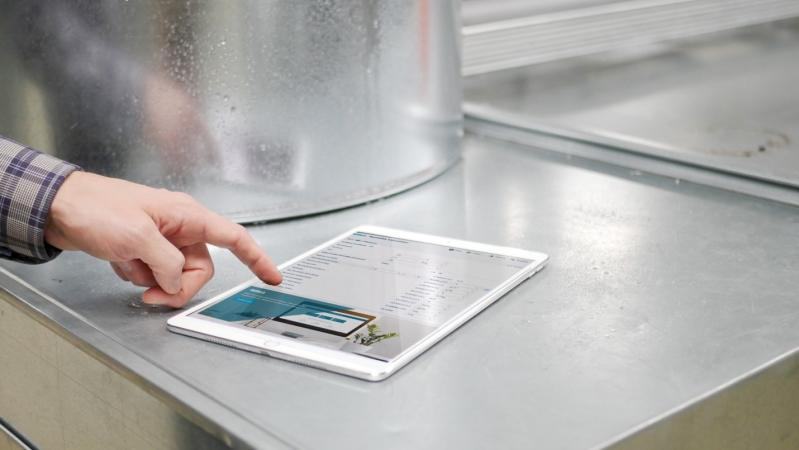
In the world of bio-decontamination and sterilization technologies, vaporized hydrogen peroxide has emerged as a fascinating subject, sparking numerous questions and discussions. Vaporized hydrogen peroxide is receiving more attention, partly because of it is an environmentally friendly sterilization method, but also because of wider acceptability from regulators.
In early 2024, this agency press release “FDA Facilitates Broader Adoption of Vaporized Hydrogen Peroxide for Medical Device Sterilization” established VHP as a Category A method of sterilization. In its newly revised guidance, "Submission and Review of Sterility Information in Premarket Notification (510(k)) Submissions for Devices Labeled as Sterile" the FDA supported using VHP as a sterilization method in the medical device industry.
However, with increasing use of VHP to bio-decontaminate GxP-regulated applications, the regulatory expectations of documenting processes will likely also increase. One of the key parameters to monitor when developing a VHP cycle is Relative Saturation. But what is this parameter and how does it impact bio-decontamination cycles?
In our webinar, Relative Saturation: The key to better vH2O2 Bio-decontamination, we received several intriguing queries that delve into the complexities of bio-decontamination. For many of the questions, the Vaisala vH2O2 calculator could have provided insights with full data visualization.
In this blog, we share some of the questions from the webinar and explore how, for some of the questions, the Vaisala calculator can provide answers.
Question: "Why does the background H2O level help for the saturation of H2O2 concentration in the chamber?"
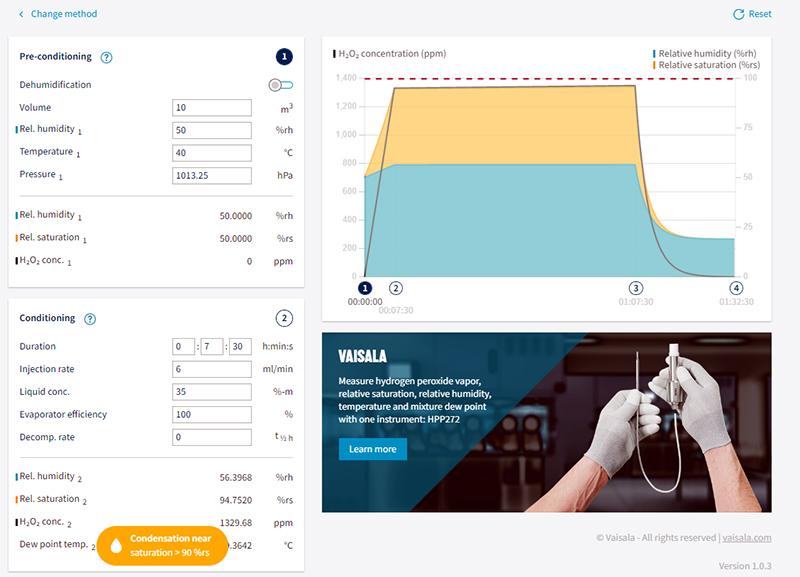
Joni: Background humidity prior to bio-decontamination dictates how much capacity is left in the air for the injected H2O2+H2O vapor. One way to see this effect is to use our H2O2 calculator. This tool allows you to input different parameters and see how they affect the result.
Question: “Is there any possibility for detection of conversion rate of vaporized hydrogen peroxide to H20? If so, how?”
Joni: The rate of decomposition can be detected by monitoring the vH2O2 concentration with a probe such as the HPP270. Vaporized hydrogen peroxide naturally begins to decompose during a cycle. This is typically compensated for by injecting more hydrogen peroxide vapor into the environment. In a closed system this will accumulate humidity. If you are trying to avoid condensation, you will need to leave some safety margin before the dwell phase in order to get all the vapor to fit in the space.
Question: “Is sensor purge done between the bio-decontamination cycles? If so, what should be the time between the cycles?”
You can run as many cycles per day as needed. The probe performs the purge every time it is powered on, or in intervals of every 24 hours. The best performance and long-term stability of the HPP272 is achieved by performing a purge before each cycle. There are several ways to control the purge triggering. More information can be found in the Quick Guide.
Question: “What is the holding capacity of vHP in air when there is T=40 deg and more RH = ~50%?”
Joni: I used our H2O2 calculator to answer this question. It is important to know the liquid H2O2 concentration used. Using our calculator, I estimated 35% liquid concentration and that yielded a simulated value of 1330 ppm in 95% relative humidity.
This webinar showcased the dynamic nature of the critical process parameters in vaporized hydrogen peroxide bio-decontamination. As the method gains wider use, the need to monitor and analyze processes will likely increase. Tools such as the HPP270 series probes, which can combine multiple parameters into a single unit, as well as the remains at the forefront, driving scientists, researchers, and practitioners to explore new frontiers in bio-decontamination.
for bio-decontamination processes
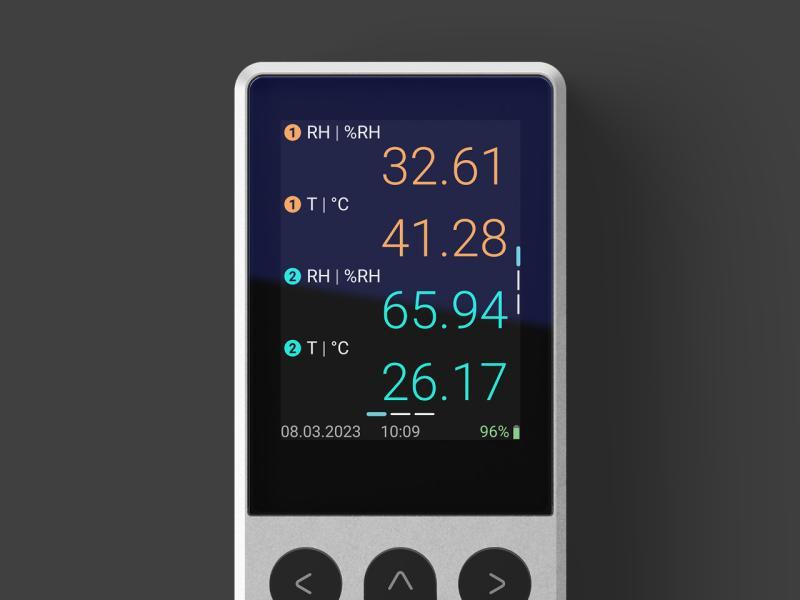
The latest addition to the Indigo family of transmitters and probes, the Indigo80 is a compact, handheld indicator and data logger. Ideal for field…
The latest addition to the Indigo family of transmitters and probes, the Indigo80 is a compact, handheld indicator and data logger. Ideal for field…

Upper air soundings provide the crucial data necessary for a complete atmospheric weather profile that leads to accurate forecasting. However…
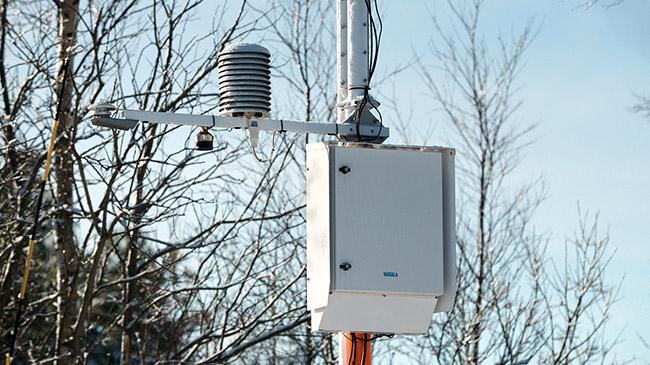
Vaisala Automatic Weather Station AWS310 is a complete communication and weather observation solution that can be used as a standalone unit, or as…
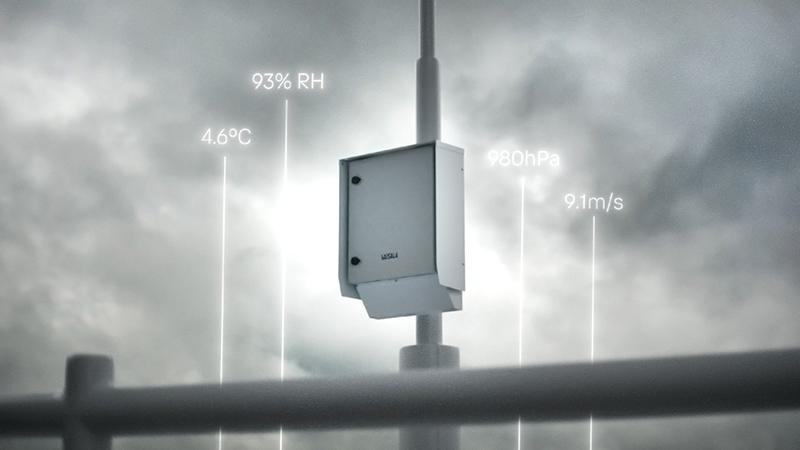
Our next-generation, cyber secure and modular Maritime Automatic Weather Station AWS830 is engineered for harsh marine environments and compliant…

Vaisala DRYCAP® Dew Point and Temperature Probe DMP5 is designed for in-line humidity measurement in industrial drying applications with high…

Dr. Lauri Reuter is an expert in the future of food, and the person to ask if you’ve ever wondered what we are going to eat in the future, and how…

Industrial companies are continuing to take action to minimize their carbon emissions. Many are reducing their use of fossil fuels and switching to…

In the causticizing process, passive chemicals are converted into active cooking chemicals to make white liquor. This is used in the digester as a…
A specialist replies with the solution, the instrument and the service that fit.
Products to quote
No products yet. An enquiry can be sent anyway: a specialist answers.