FAQ
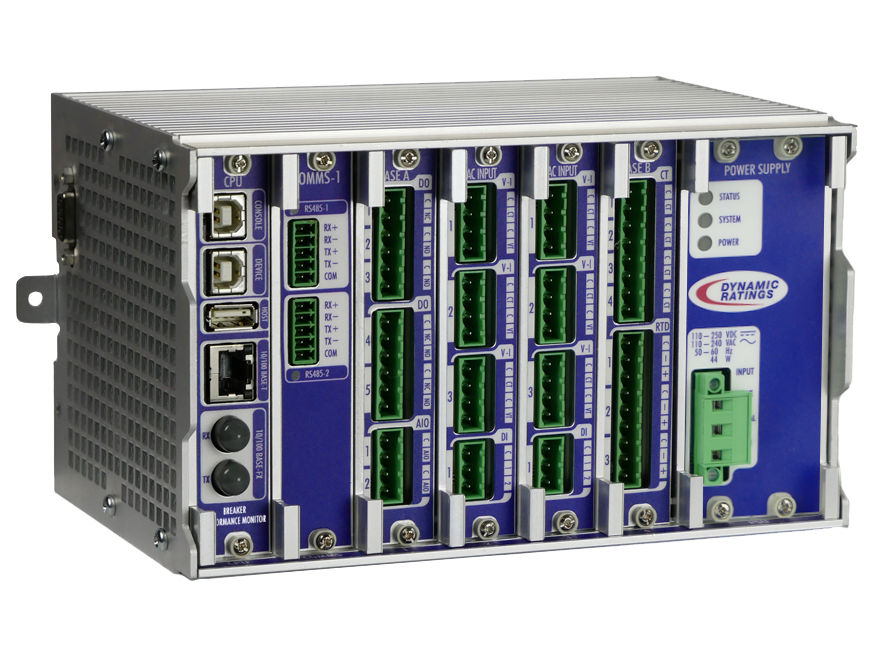
What is a breaker performance monitor (BPM)?
A breaker performance monitor is a device that continuously monitors the operating condition of a circuit breaker to identify changes in performance and help detect developing problems before they result in failures.
Why is circuit breaker monitoring important?
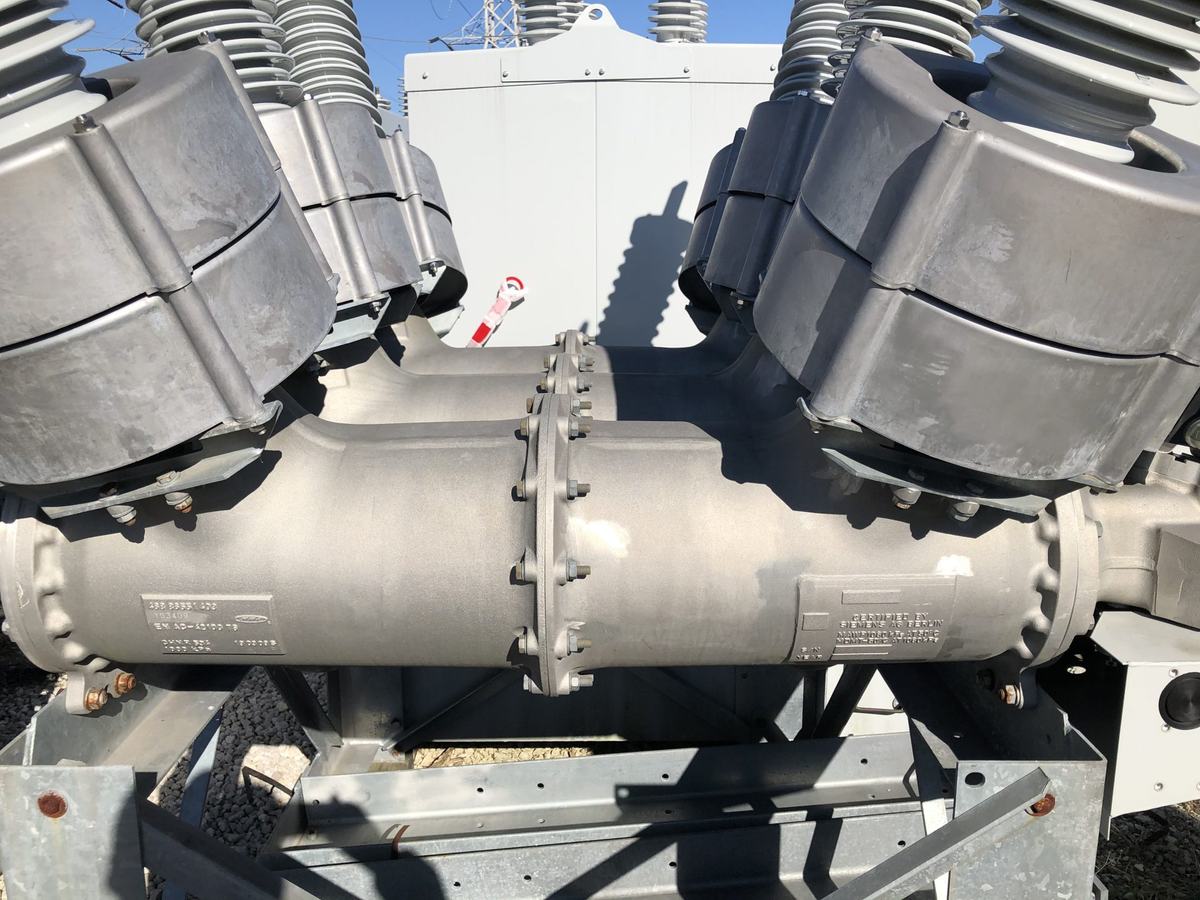
Circuit breakers are critical assets that must operate correctly during fault conditions. Monitoring allows utilities to identify degradation, verify performance, and reduce the risk of breaker failure during operation.
What parameters can the BPM monitor?
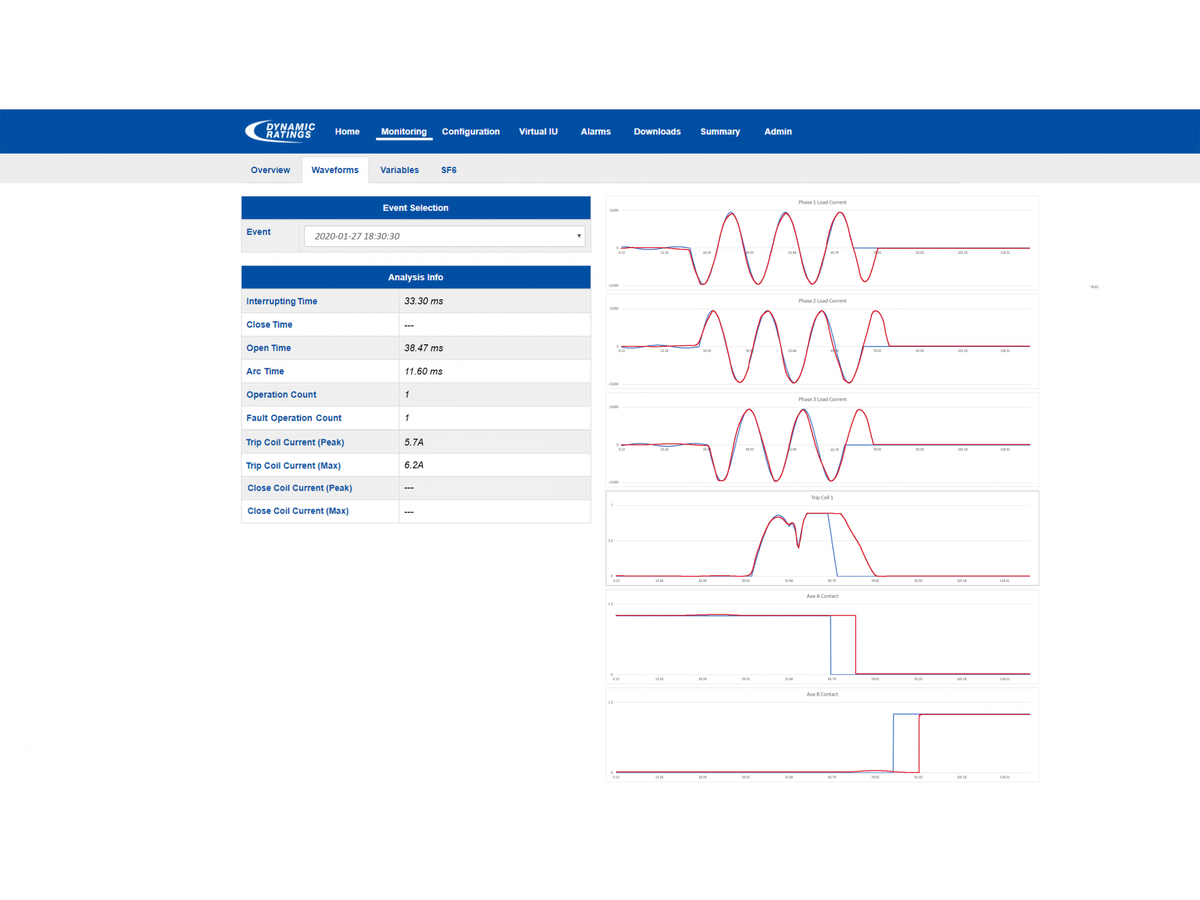
The BPM platform can monitor breaker timing, operating mechanisms, current signatures, SF6-related information, and other performance indicators depending on configuration.
Can the BPM reduce maintenance costs?
Yes. Continuous monitoring allows utilities to move from time-based maintenance to condition-based maintenance by focusing resources on breakers that exhibit signs of deterioration.
Can the BPM be integrated into existing substations?
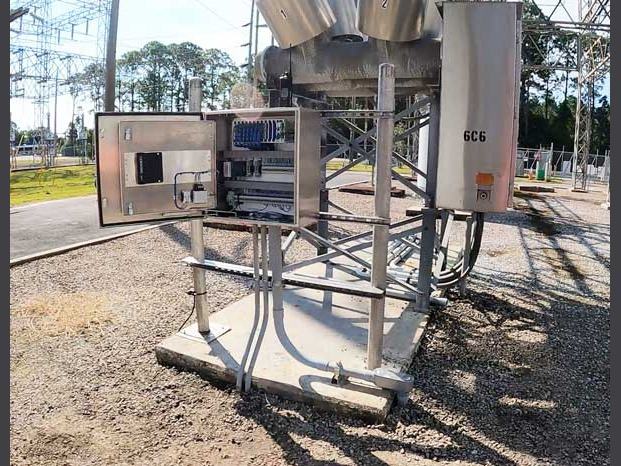
Yes. The BPM can be integrated into existing substation environments and connected to utility communications and asset management systems.
How does the BPM help improve reliability?
By continuously collecting data and identifying abnormal operating conditions, the BPM helps maintenance teams address issues before breaker performance is compromised.
How does the BPM help improve reliability?
By continuously collecting data and identifying abnormal operating conditions, the BPM helps maintenance teams address issues before breaker performance is compromised.
Can BPM data be viewed remotely?
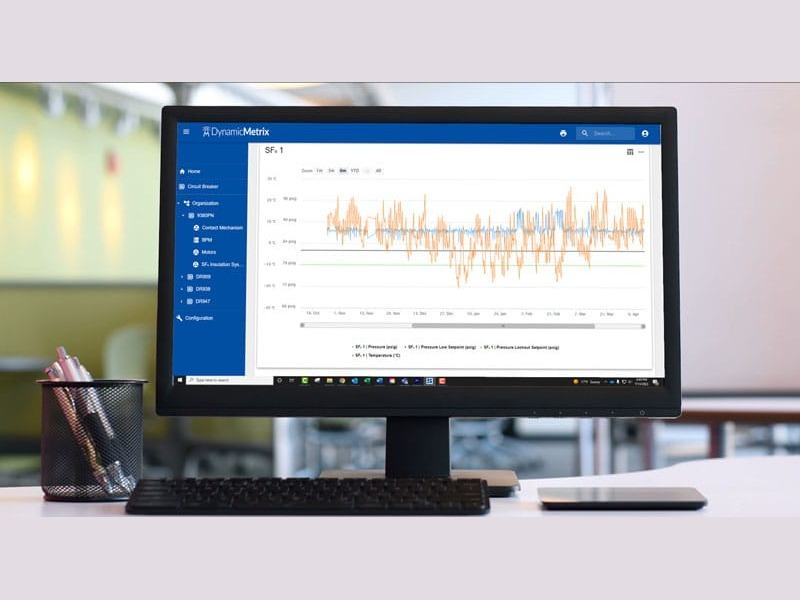
Yes. BPM data can be integrated into software platforms such as DynamicMetrix for remote access, analysis, and asset management.
Is the BPM suitable for transmission and distribution substations?
Yes. The platform is used across a variety of utility applications requiring breaker condition monitoring and diagnostics.