
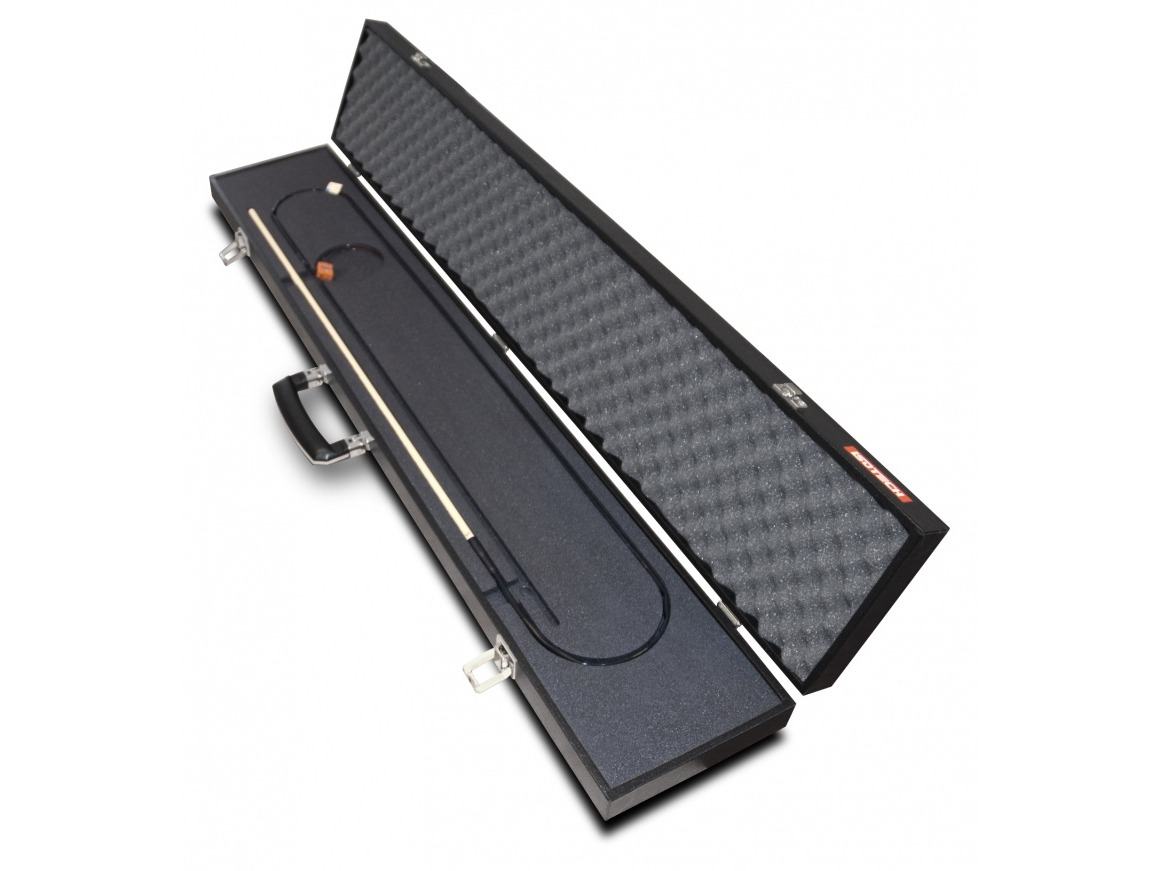
Standard Thermocouple Model 1600 NCJ
The Isothermal range of Thermocouple Standards are the result of many years development. The type R and S standards will cover the range from 0°C to…
Model-18205
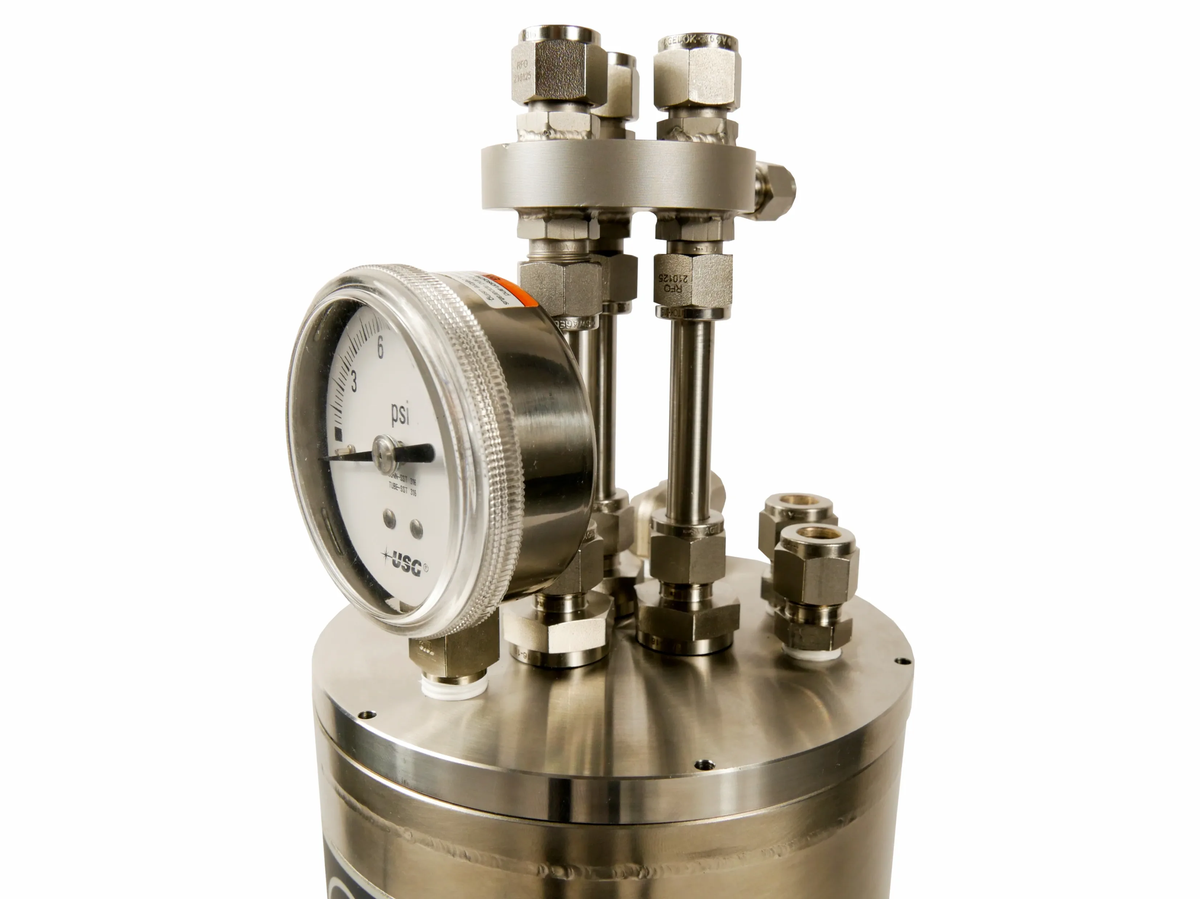
Isotech Nitrogen Boiling Point Apparatus is designed specifically to realise and maintain the liquid/vapour equilibrium (boiling point) of nitrogen or argon, for the calibration of thermometers on the International Temperature Scale of 1990.
Solicitar cotaçãoBaixar ficha técnica
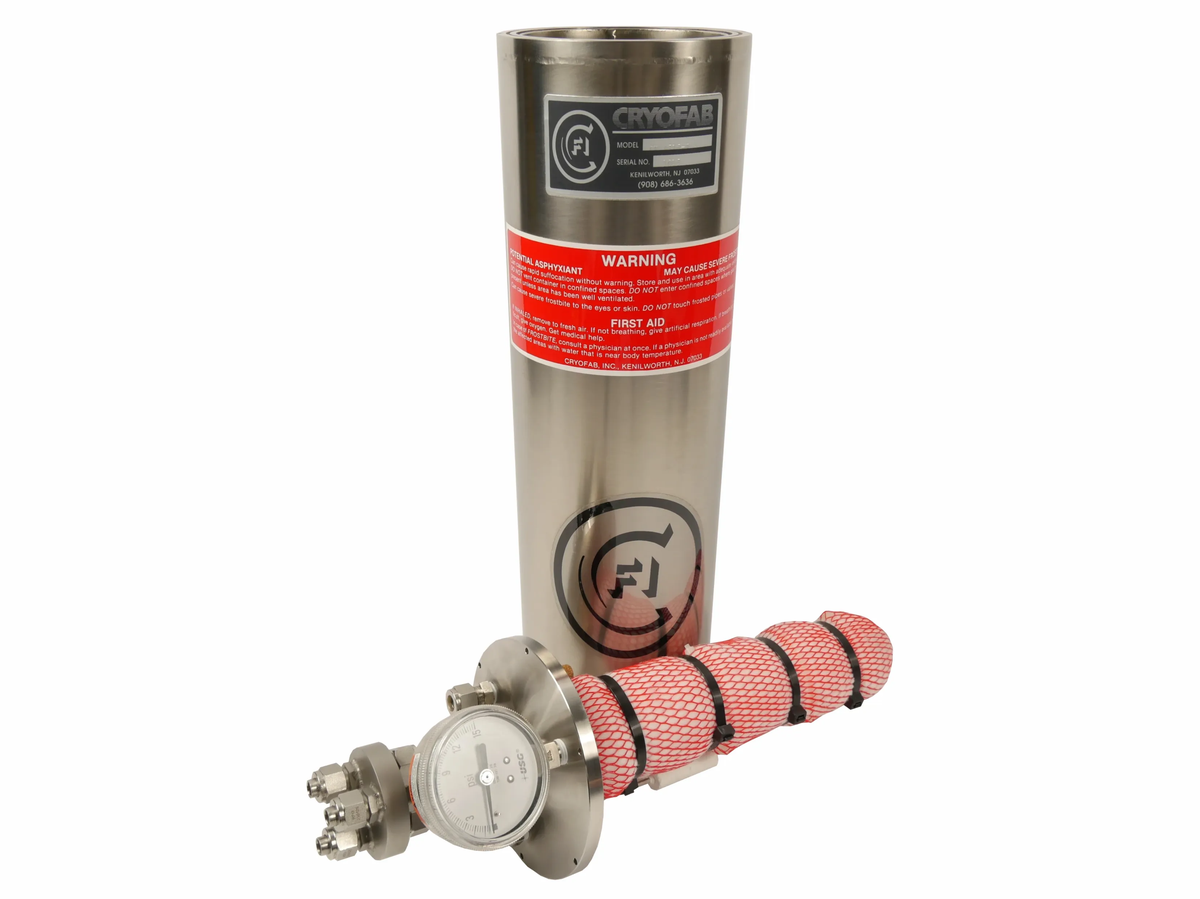
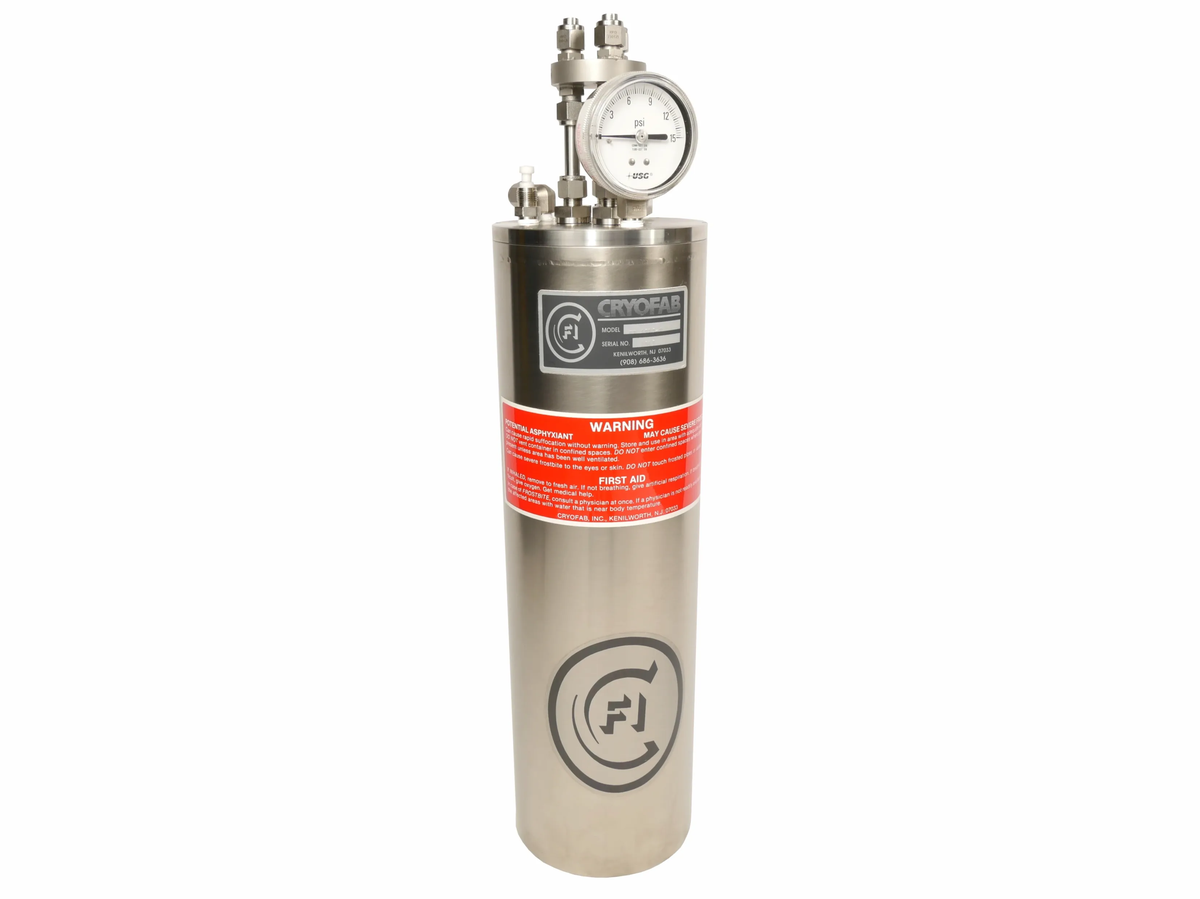
The Boiling Point Apparatus is self-contained and refrigerated by liquid nitrogen or liquid argon, which must be supplied by the user. Either liquid is suitable for the purpose. Liquid nitrogen is generally less costly and more readily available than liquid argon. The Apparatus does not require electrical power for its operation.
The Boiling Point Apparatus will maintain the liquid-vapour equilibrium of nitrogen (-195.798°C) or of argon (-185.8468°C) indefinitely, provided boiled-off gas is replenished.
ITS-90 specifies the triple point of argon (-189.3442°C) as the low end of the long-stem Standard Platinum Resistance Thermometer range. As a practical matter, realisation of this triple point is a costly (in equipment and time) and complicated process.
Most laboratories will choose to calibrate this end of the platinum range by comparison of the thermometer under test with a thermometer of known calibration. National Laboratories themselves will invariably calibrate thermometers submitted to them by comparison, realising the actual argon triple point only infrequently for calibration of their own reference thermometers. The National Physical Laboratory of England makes this statement:
“Most thermometers (submitted for calibration) will involve measurements (by) … comparison with NPL standards in a bath of liquid nitrogen (about -196°C)”
Model 18205 Comparator is designed for precisely such comparison calibration. It comprises a stainless steel dewar, an inner equalising block having wells for 3 thermometers, top connections for filling and monitoring the level of liquid coolant, a pressure safety blow-off and a manifold which may be used to thermally tie the thermometers under test to the equalising block with helium gas (optional).
Since the slopes (dR/dT) of Standard Platinum Resistance Thermometers are very similar at any temperature, calibration uncertainties not larger than 0.002K can be obtained at a small fraction of the cost of an absolute calibration.
| Model | ITL-M-18205 |
|---|---|
| Temperature Range | -185°C or -196°C nominal |
| Uncertainty | ±0.002°C – the temperature distribution across the copper block is less than 2mK. Uncertainty must be added issued with the calibration certificate from the National Laboratory. Extra uncertainties will exist if dissimilar probes are compared. |
| Power | N/A |
| Dimensions | Overall Diameter 142mm, Overall Height 570mm, Weight 14kgs |
| How to order | ITL-M-18205 Nitrogen Boiling Point Apparatus. Note – the Nitrogen Boiling Point Apparatus may be adapted for use with liquid argon. Please contact the factory for details. |
The Isothermal range of Thermocouple Standards are the result of many years development. The type R and S standards will cover the range from 0°C to…
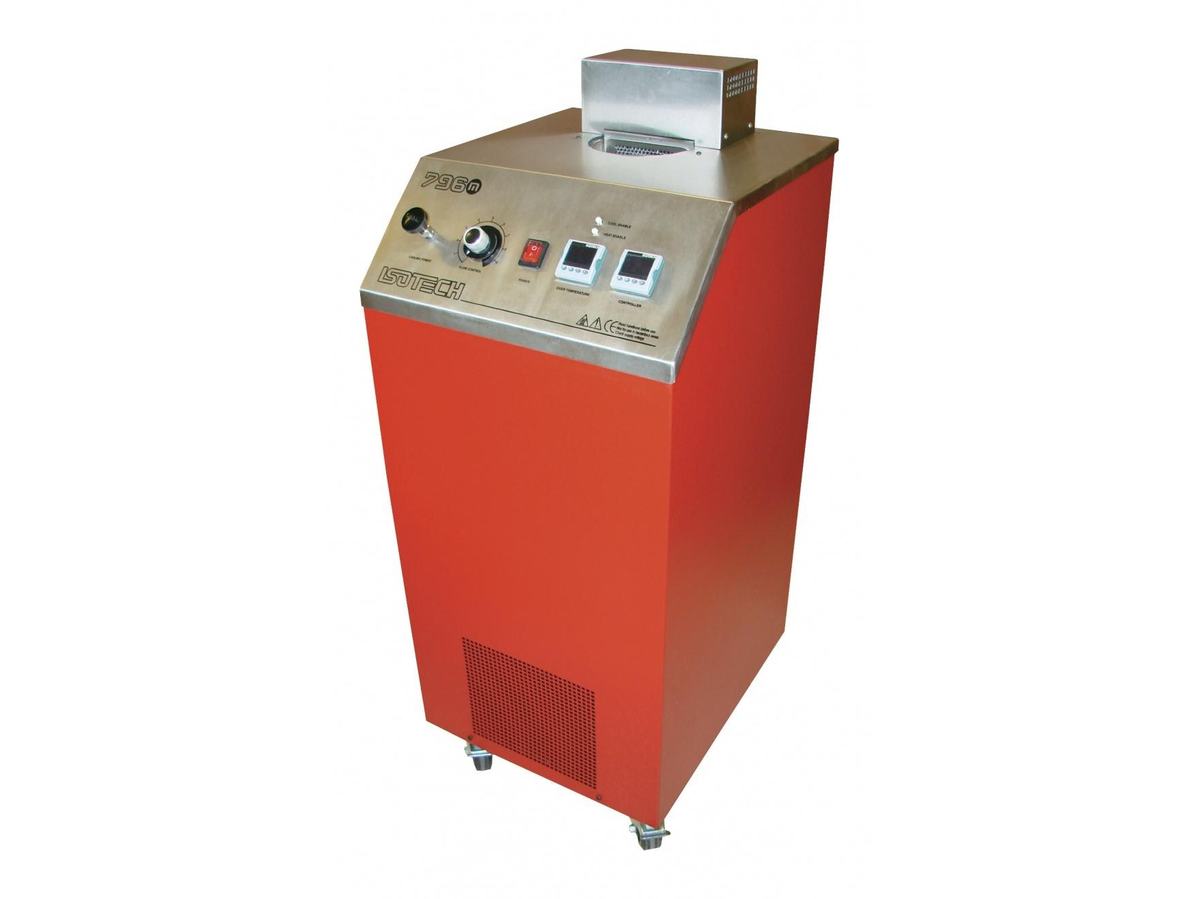
The Isotech Hydra range of calibration baths have proved very successful since their introduction in 2003. The Orion range has been introduced to fit…
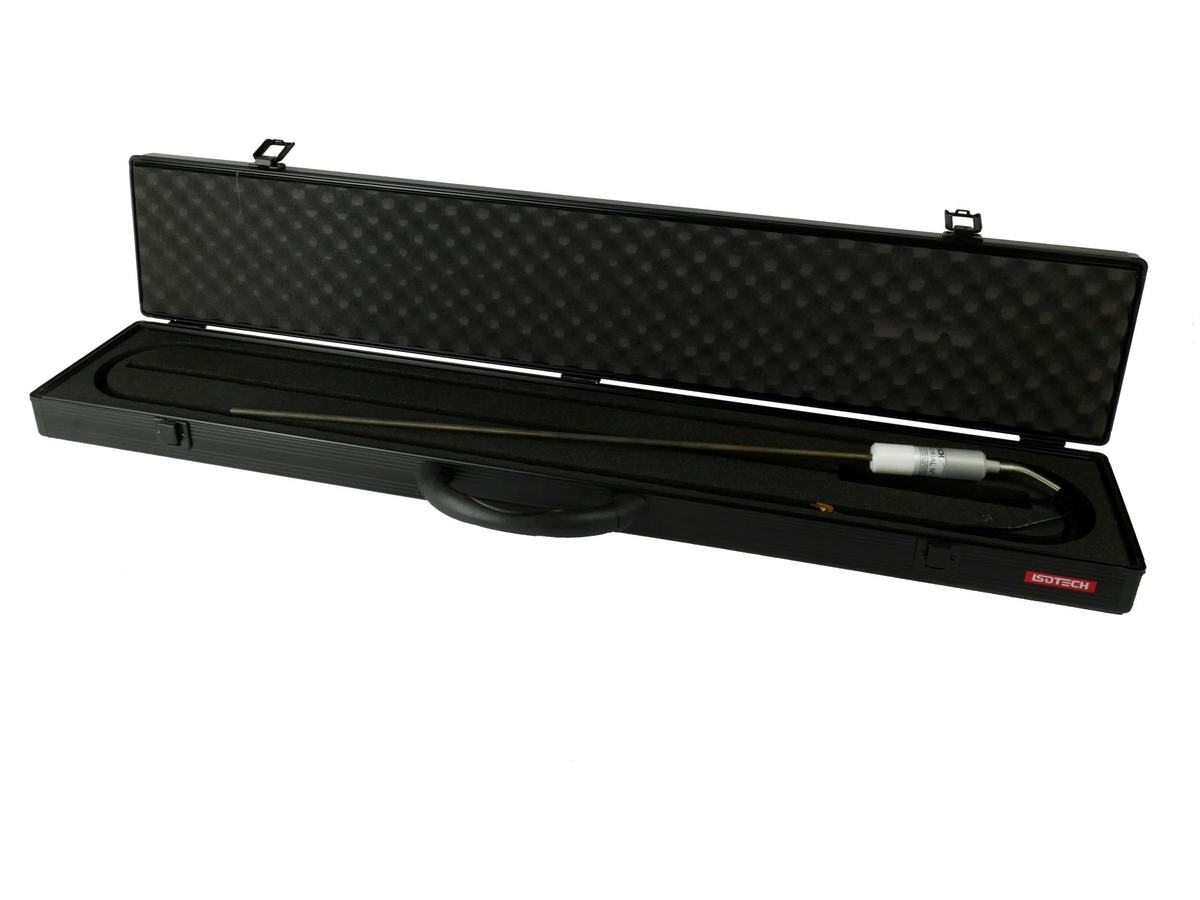
This economically-priced Standard Platinum Resistance Thermometer, Model 909, is the workhorse of calibration laboratories all over the world. During…
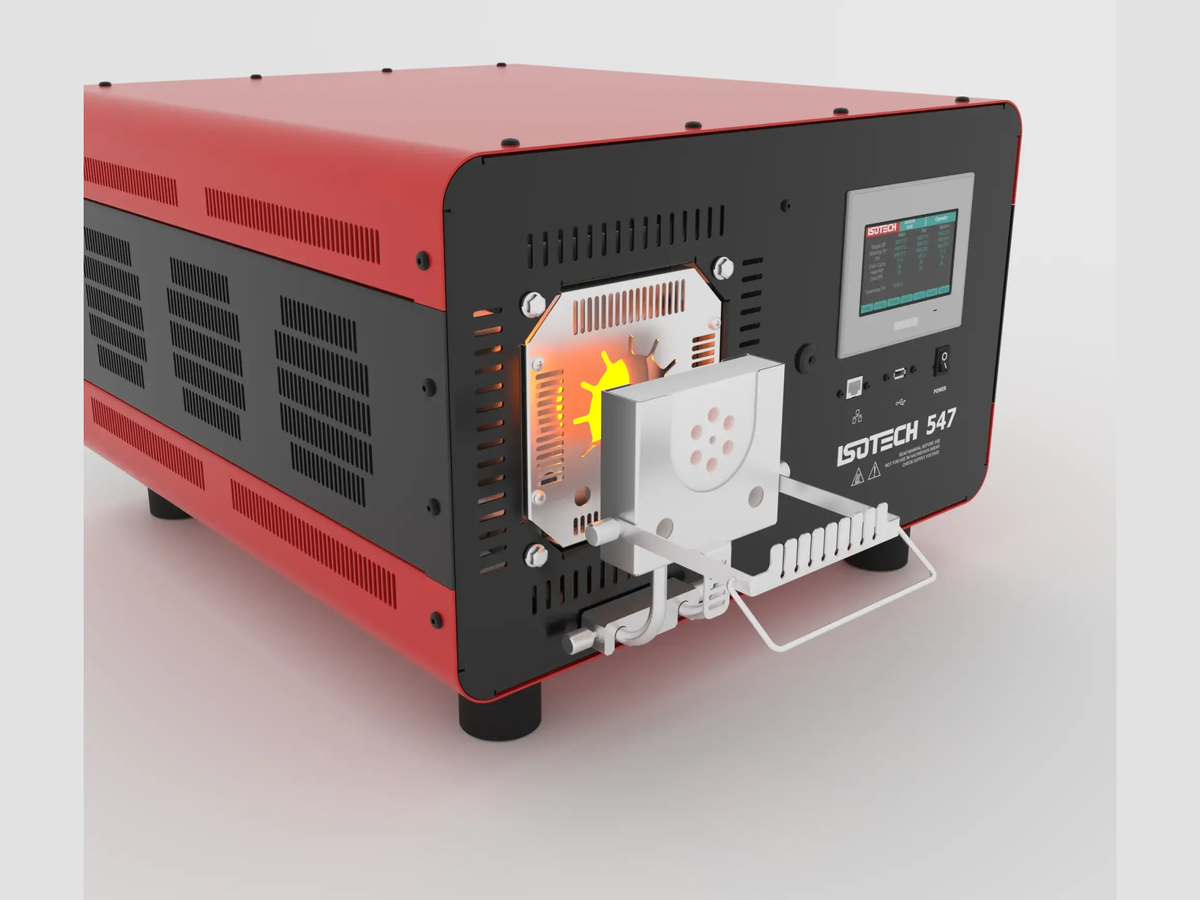
The Model 547 is the professional solution for accurate and contamination-free temperature calibration, designed to meet the needs of professionals…
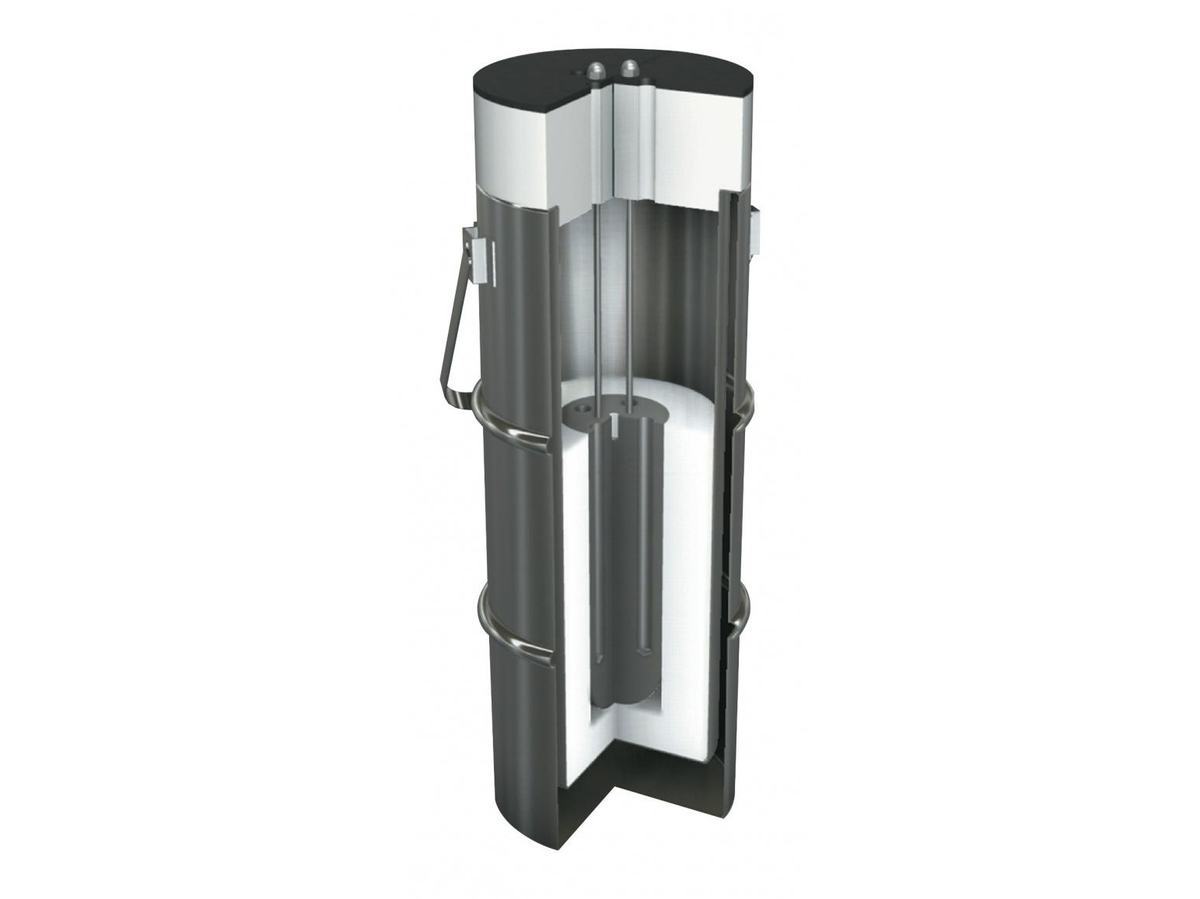
This model is a lower cost alternative to the ITL M 18205. This model is a simple apparatus open to the atmosphere comprising a stainless steel dewar…
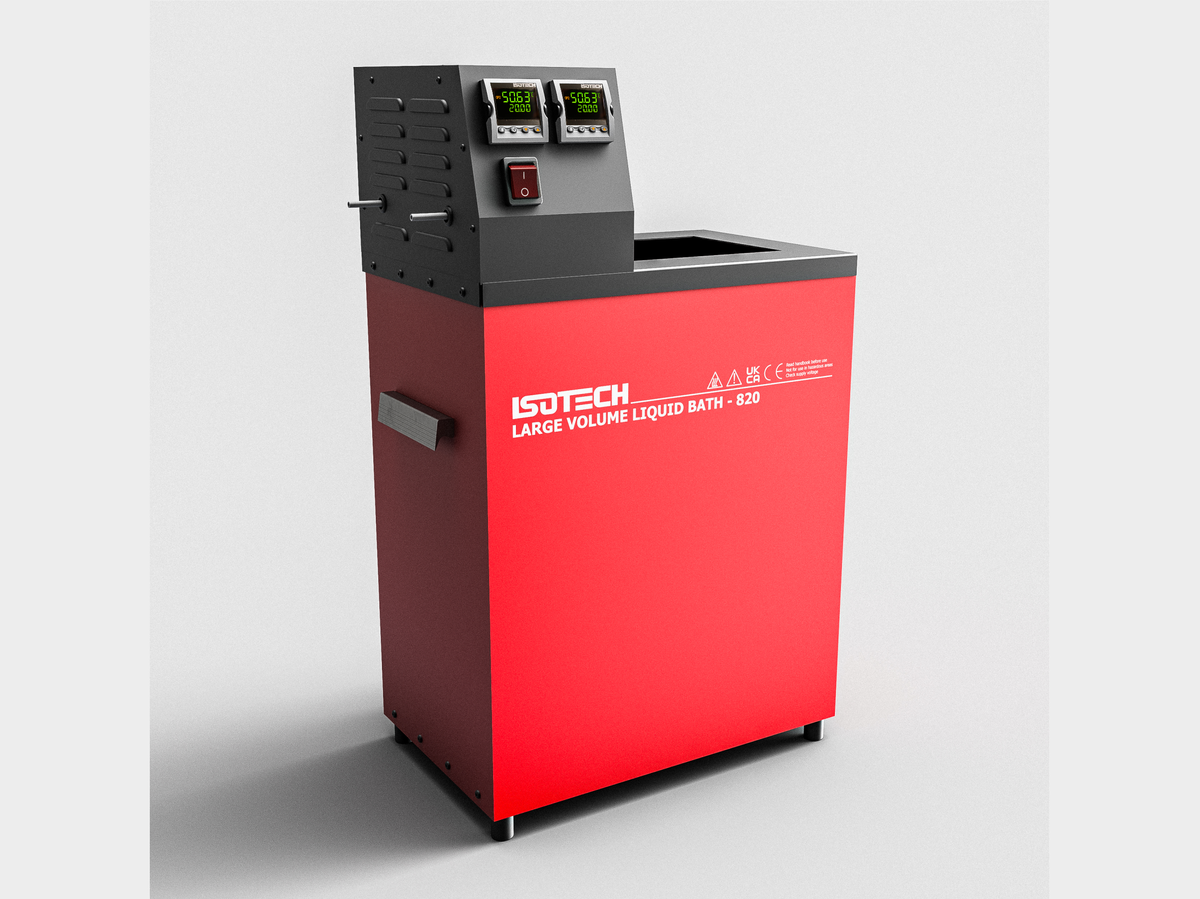
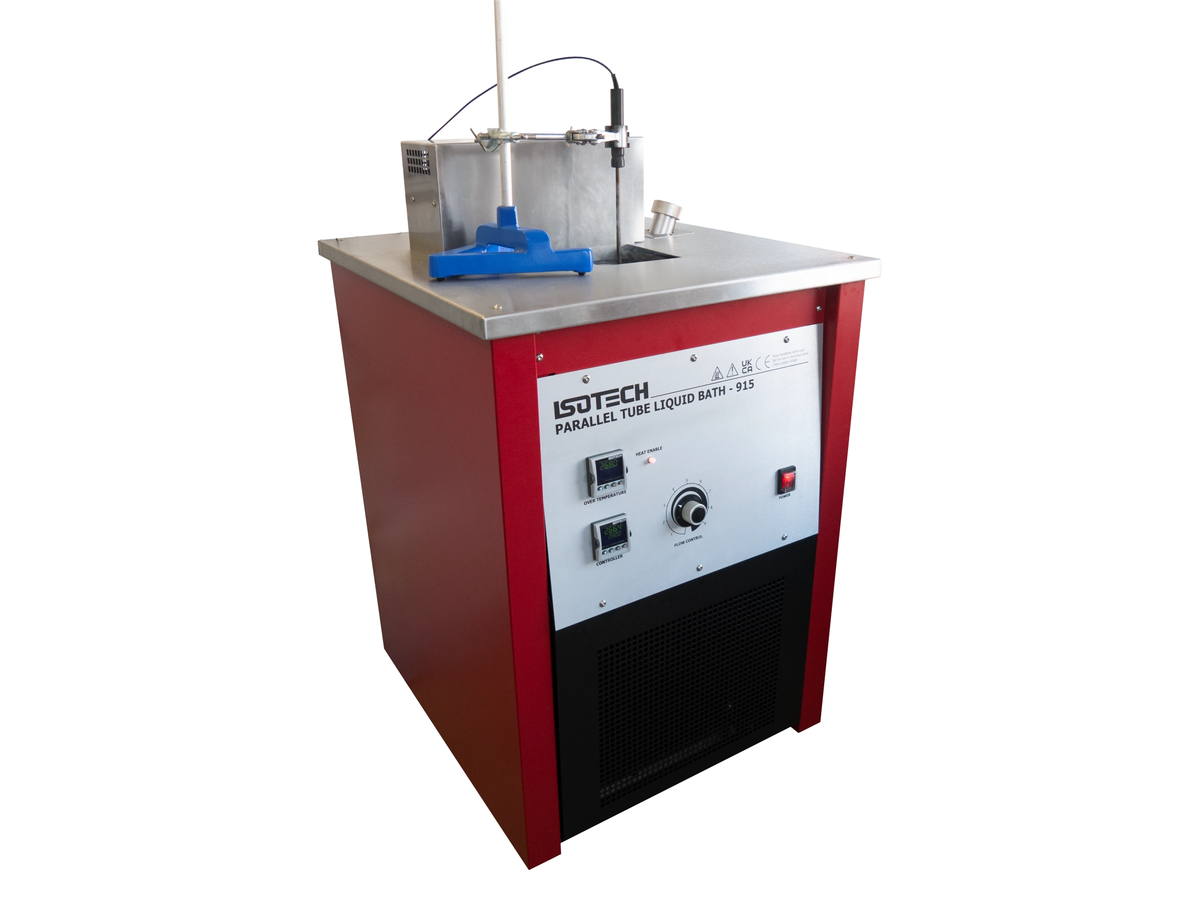
If you have a large number of sensors to calibrate then this economically priced stirred liquid bath is the solution.
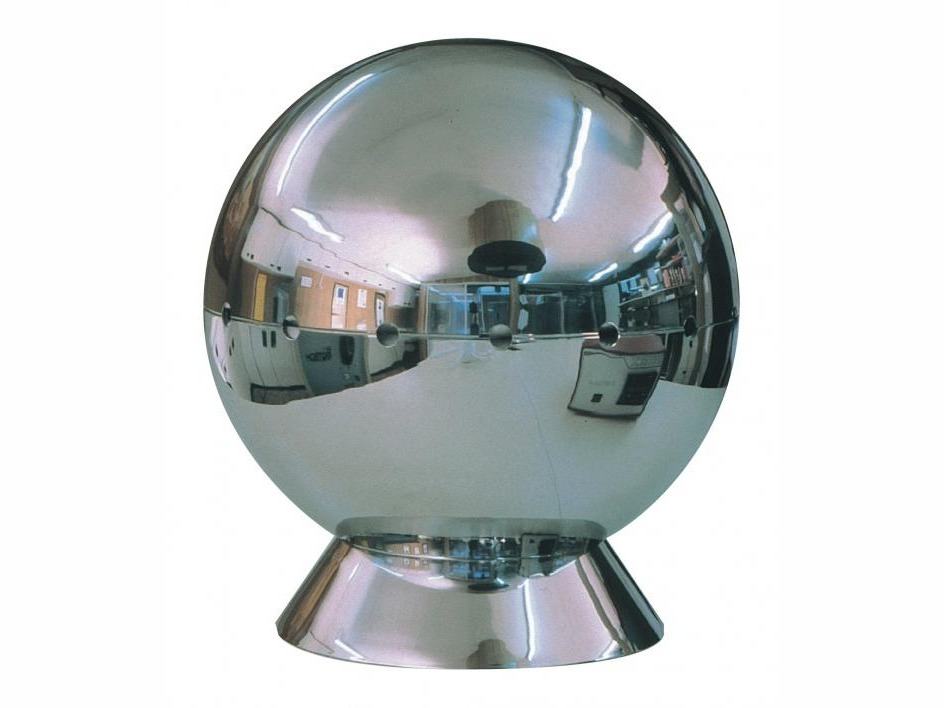
The Saturn spherical furnace comprises a number of concentric shells. The outer shell of spun metal is for containment and support. Inside this is a…
Instrumentos para cotar
Ainda não há instrumentos. É possível escrever mesmo assim: um especialista responde.