

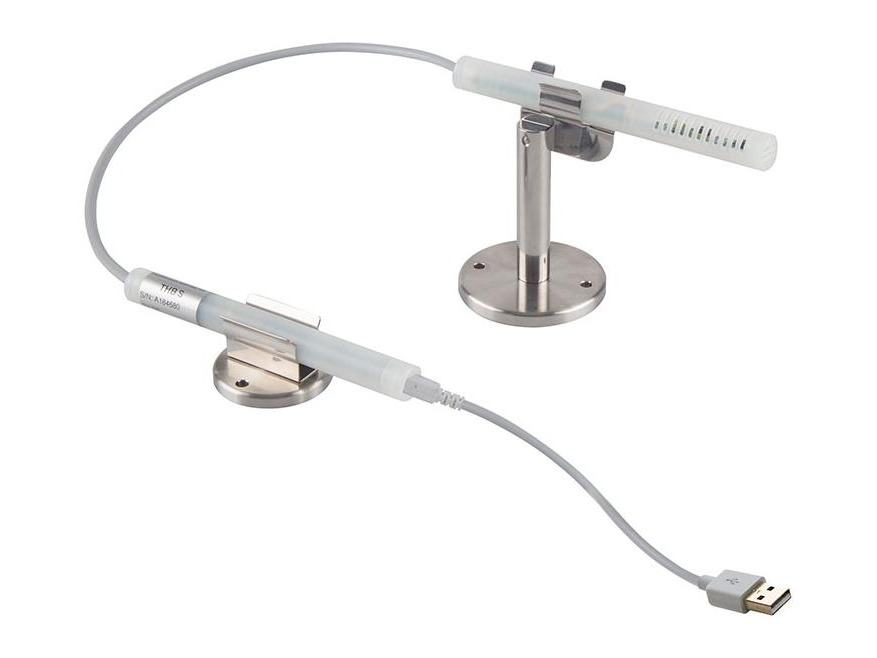
THB S Environmental Conditions Sensor
THB sensor is a device measuring ambient conditions, it cooperates with:
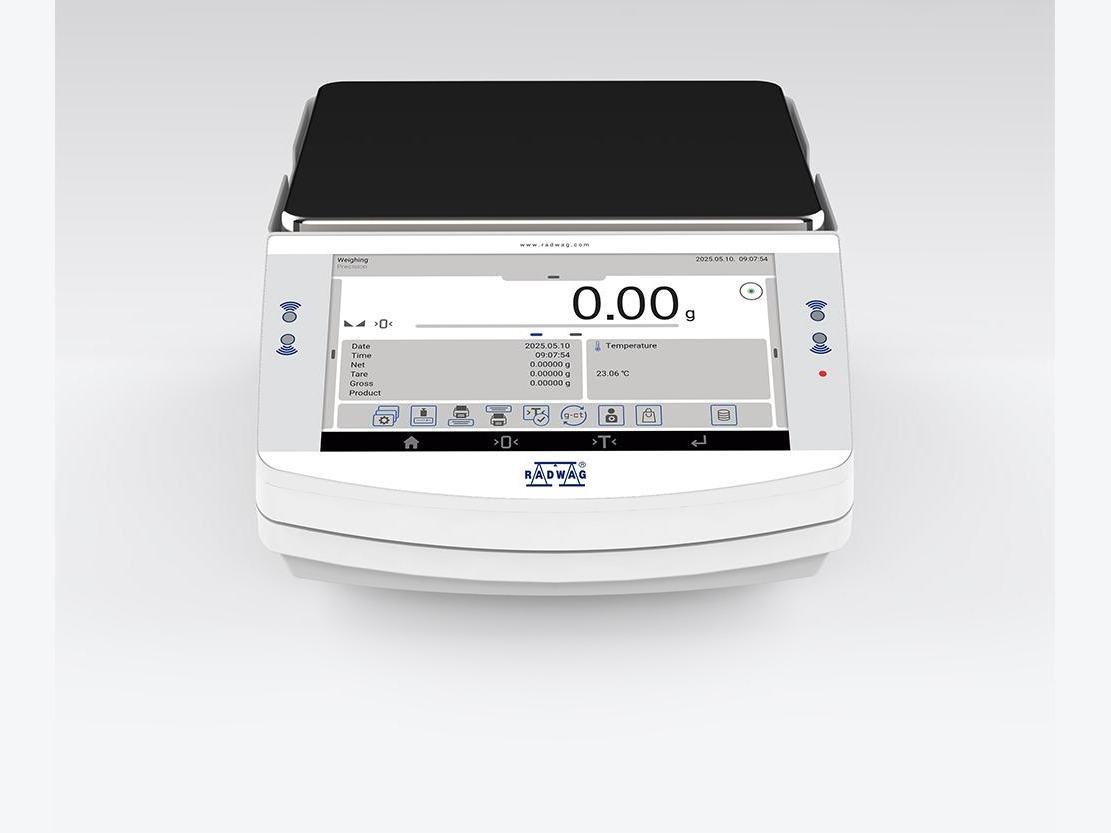
PS X7.M is a series of advanced-class precision balances of high resolution based on
MONO
BLOCK
technology. The innovative construction of PS X7.M balance features a new single-point weighing pan fastening, which ensures its excellent geometry and minimizes eccentricity error. The labyrinth-shape fastening guarantees excellent resistance to contamination.
MONO
BLOCK
technology enables weighing loads with the readability of d=0.01 g at the maximum capacity of10 kg. Rigid base ensures stability of the weighing system and great resistance to shocks. Internal adjustment system means precision and high measurement repeatability. Leverage of internal weight mass enables adjustment within the whole measuring range.
The balances housing is made of plastic, and the pan is made of stainless steel.
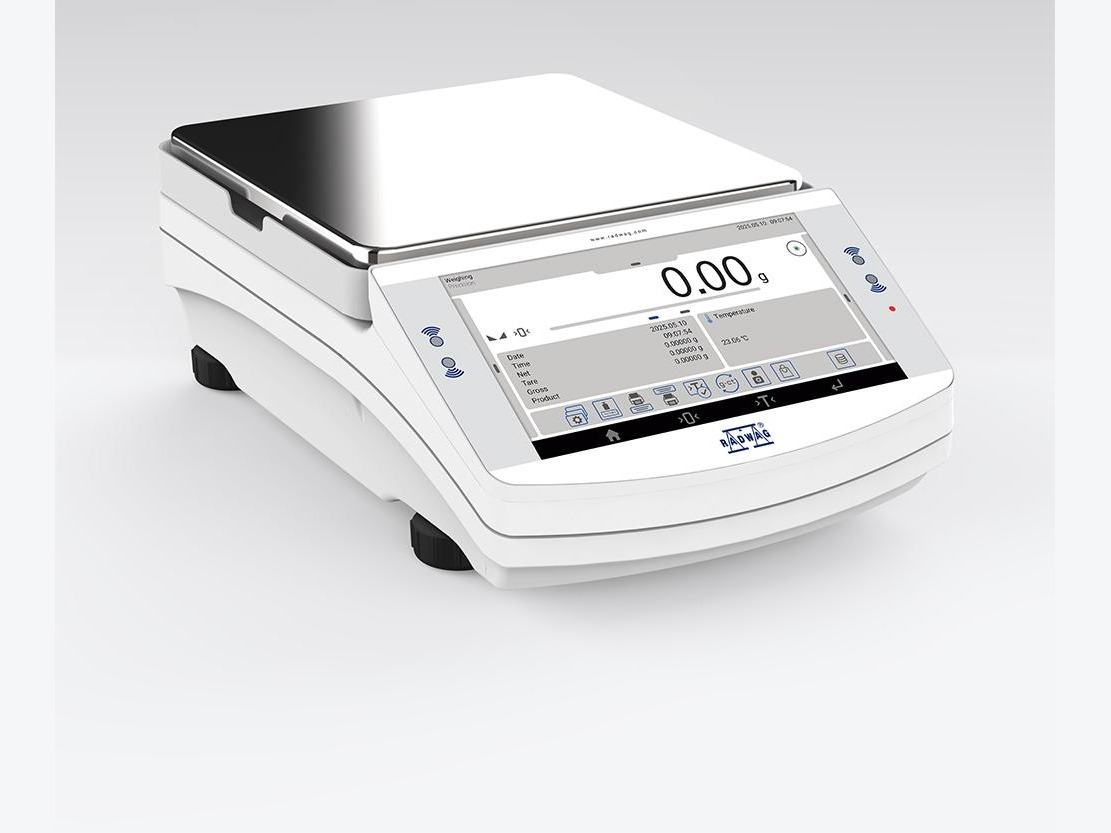
In PS X7.M Precision Balances the information system is based on 9 databases which allow several users to work with database storing several products. The registered weighing results can be subject to further analysis.
The data is registered in 9 databases:
PS X7.M Precision Balances feature ALIBI memory, which guarantees safety as it automatically records measurements, and allows data prereview, copying and archiving. The ALIBI memory allows to record up to 512,000 weighment records.
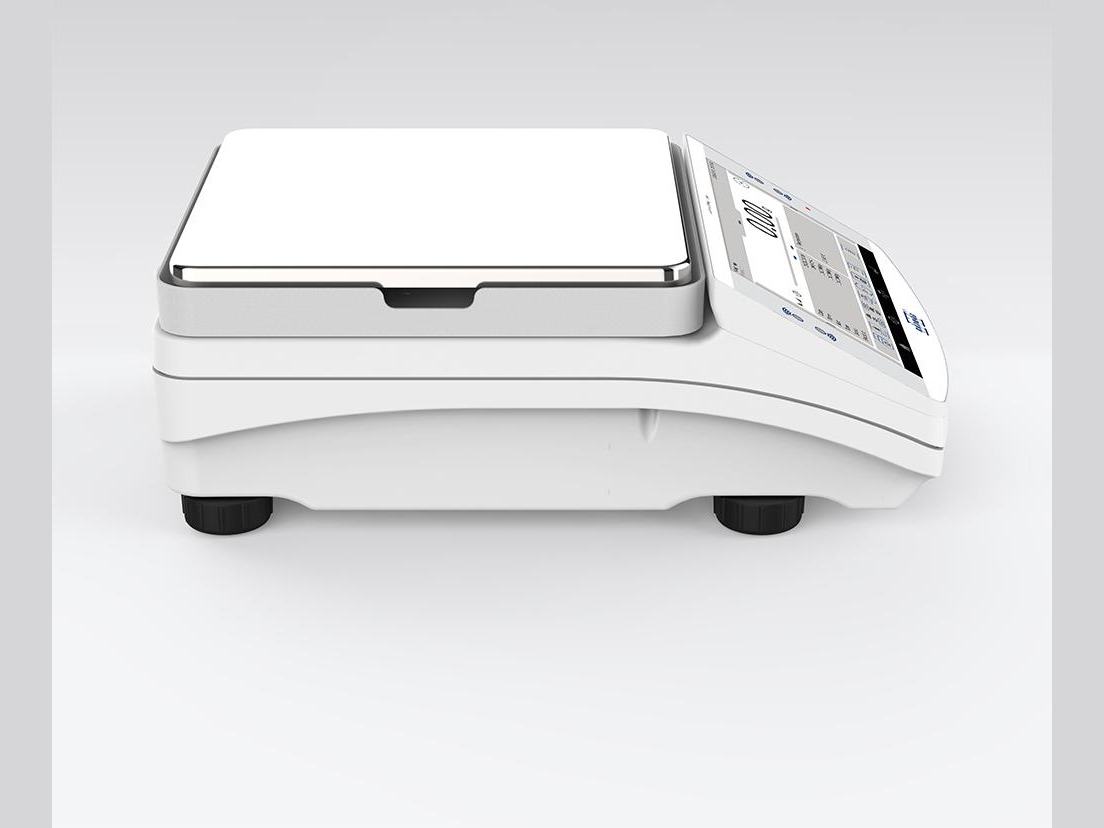
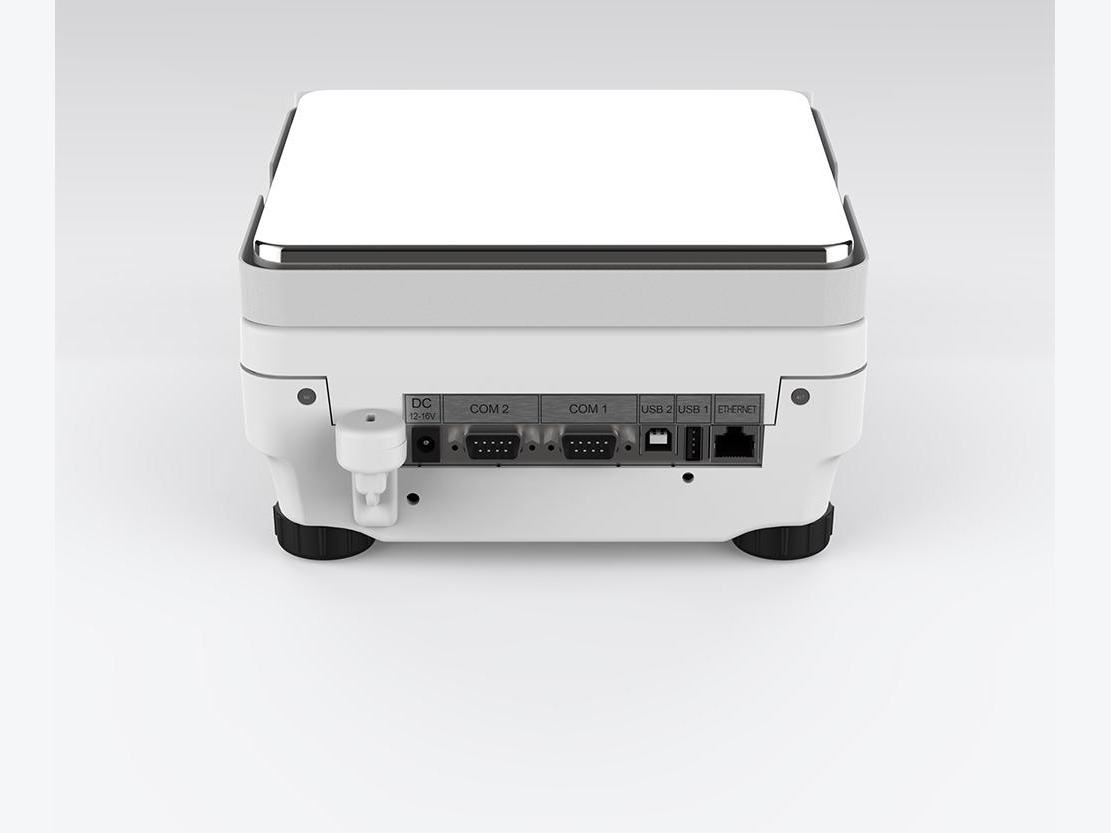
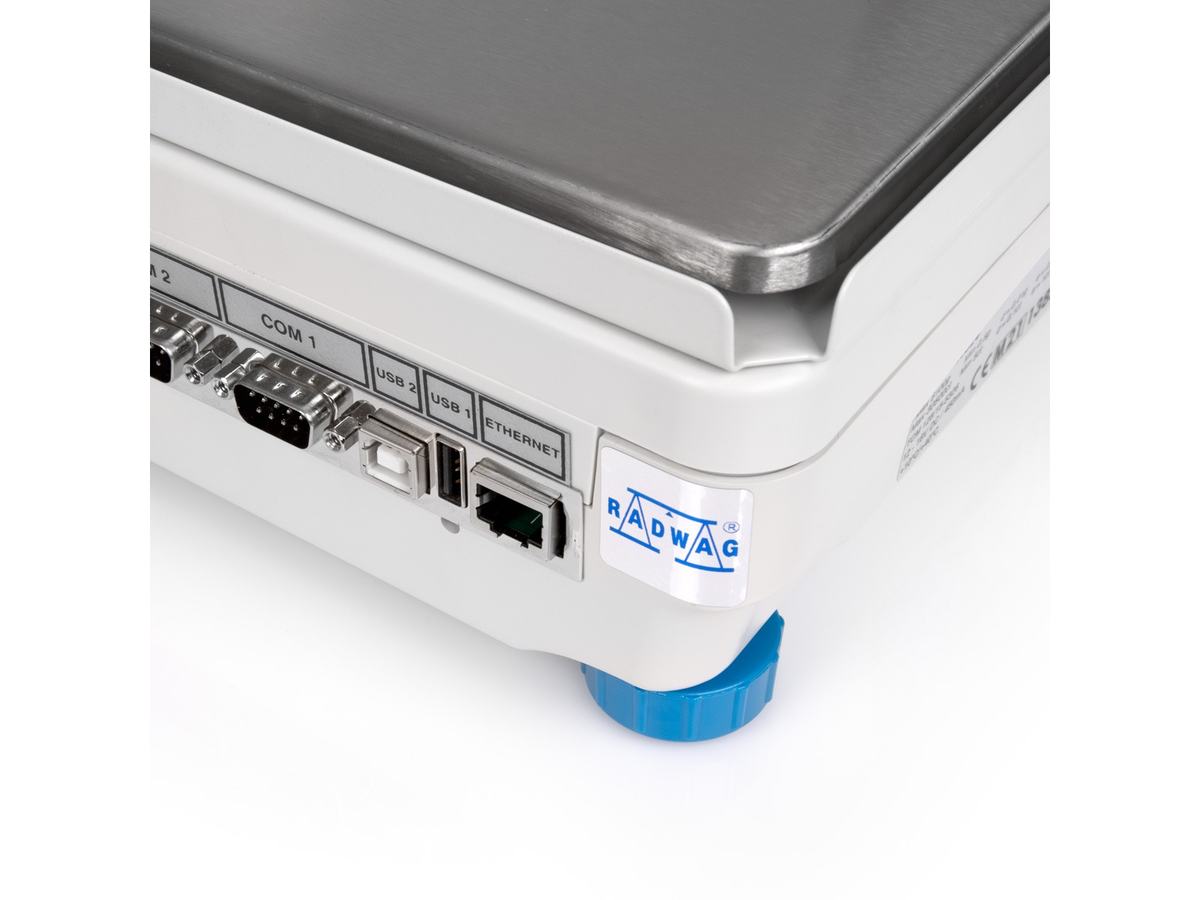
PS X7.M Precision Balances enable user to design the layout of the information on the display through a wide selection of widgets. Personalizing the PS X7.M balance display gives access to information and operating results directly from the main display panel. PS X7.M Precision Balances are equipped with multiple communication interfaces: 2 x RS232, USB-A, USB-B, Ethernet and Wi-Fi®.
USB allows for fast transfer and copying of work results (measurements, reports, databases) to a computer or other weighing device. The balance provides possibility of remote data management.
THBR 2.0 System
The balances work with THBR 2.0 System for ambient conditions monitoring.
Stainless Steel in RADWAG products
Learn about the use and maintenance of stainless steel products:
Stainless Steel in RADWAG products. Standard and special applications
Wi-Fi® is a registered trademark of Wi-Fi Alliance®.
| Maximum capacity [Max] | 2100 g |
|---|---|
| Minimum load | 500 mg |
| Readability [d] | 10 mg |
| Verification unit [e] | 100 mg |
| Tare range | -2100 g |
| Minimum weight (USP) | 10 g |
| Minimum weight (U=1%, k=2) | 1 g |
| Standard repeatability [Max] | 8 mg |
| Standard repeatability [5% Max] | 5 mg |
| Linearity | ±20 mg |
| Stabilization time | 1,5 s |
| Adjustment | internal (automatic) |
| OIML Class | II |
| Leveling system | manual |
|---|---|
| Display | 7″ graphic colour touchscreen |
| Delivery components | Balance, weighing pan, weighing pan shield, power supply |
| Weighing pan dimensions | 195×195 mm |
| Packaging dimensions W x D x H | 490×400×520 mm |
| Net weight | 5,4 kg |
| Gross weight | 7,6 kg |
| Protection class | IP 43 |
|---|
| Database capacity | Products, Users, Packaging, Customers, Formulations, Formulations reports, Ambient Conditions, Weighings, Alibi memory |
|---|---|
| Touch-free operation | 2 IR Sensors |
| Communication interface | 2×RS232¹, USB-A, USB-B, Ethernet, Wi-Fi ® |
|---|
| Power supply | Adapter: 100 – 240V AC 50/60Hz 0.6A Max; 12V DC 1,2A Balance: 12 – 15V DC 0,9A max; 4 – 8W* |
|---|---|
| Power consumption | 4 W |
| Operating temperature | +10 – +40 °C |
|---|---|
| Ambient conditions monitoring (option) | THBR 2.0 System, THBR BOX, THB P, THB W, THB S |
| Relative humidity | 40% – 80% |
Diagnostic function aiming at metrological parameters determination (repeatability), the parameters are determined for the actual conditions of use. When speaking of repeatability it may be also used for weighing time optimization. Autotest is operated in an automatic mode thus operator’s time is saved.
Weighing process for which reference mass has been determined together with tolerance for its determination. Dosing tolerance is given in [%] and it is calculated in relation to the reference value thus being a permissible deviation of this process. This solution is used for weighing powders, liquids and loose materials. Dosing function performance is often supported with bargraph - load indicator. For industrial scales it is possible to use a control systems of dosing process.
Control of sample's mass carried out with reference to specified MIN and MAX thresholds. The weight is considered to be correct if it is comprised within threshold values. A graphic visualisation of weighing result is displayed in a form of a bar graph.
Percent Weighing function is used for comparision of measured products with mass standard. Mass of a mass standard may be a numeric value taken from a database or it may be determined through a measurement process. Each measured product is compared to mass standard, mass of which is presumed as a model 100% ideal mass. For products weighing less than the mass standard, obtained results are lower than 100%, for products weighing more, the obtained results are greatly exceeded.
Function using mass measurement for determination of measured items quantity. Mass of a single item is required for this process. It may be either estimated through weighment or taken from a database. For items counting the following algorithm is used: all items mass / single item mass = quantity. Function operation is supperted by a mechanism of Automatic Correction of Accuracy. This allows to update single item mass in course of the process. To a certain extend Automatic Correction of Accuracy eliminates error which may be a result of different mass values of seemingly alike single elements. For industry solutions items counting may be simultaneously carried out with checkweighing and dosing thus industry solutions feature audio signalling base informing that specified number of items has been weighed. It is possible to apply weighing systems using few platfroms of different MAX capacities and different accuracies.
Function registering the greatest temporary indication occurring in course of the weighing process. It is most often used in medical scales in order to hold the measurement indication.
Function supporting the mixture making process, wherein the mixture contains various components. Formulation function usually uses the balance/scale database of components. Formulation serves for monitored checkweighing of every single component with a given tolerance. It is enriched with a set of individual settings.
Statistiscs function registers and analyses performed measurements. This supplies the user withthe following information: Max and Min standard deviation, average value, variance, range et.
Checkweighing function is used for checking whether the measured sample mass is within the predefined threshold values, Low [LO] and Hgh [HI]. The thresholds are given in [g] and [kg] units. Current state of a sample being measured is signalled by means of pictorgams located on a display for laboratory balances, for industrial scales Stackligt System is used. This visual +/- inspection is in operation during segregation, control or packing process of products for which mass has bees determined with a specifaied tolerance, eg. 12860 g ± 5 g
Programmable function supporting the weighing process through control of the following options: sliding weighing chamber doors, printout, zeroing, tarring etc. Especially appreciated wherever preventing the balance from soiling is important.
The solution enables weighing with use of a stand, which is advisable for loads of non-standard shapes and dimensions and those that generate magnetic field.
Diagnostic function allowing to objectively document performed measurements. GLP procedures may be either presented in a short report form or extended one.
Process of mass determination for a product which may unwillingly reposition within the weighing pan. Mass determination in such cases requires much longer period of time when compared to typical weighing process. It is the user who defines period of time needed for control of measured product mass. The user can thus optimize the function depending on the measured product characteristics.
Liquid or solid body density function uses the Archimedes principle and it requires a special kit to be applied. The kit when used, replaces a weighing pan. For solids mass of the sample must be determined first in the air, next in the liquid of specified density. For liquids the so called sinker, density of which has been determined, must be measured first in the air, next in the tested liquid. The density determination process is disturbed by air bubbles which may stick either to the measured sample or the sinker. In case of laboratory equipment very light solids may be measured. For industry, solid bodies density may be determined by means of under-pan weighing. Tested load of significant size may be measured this way.
The possibility of cooperation with the THBR 2.0 system
Weight function to change the weight unit.
Statistical control for determination of basic statistical criteria: maximum, minimum, standard deviation, mean values for each batch, etc.
"ALIBI" memory enables saving and storing up to 100000 measurements. Measurements are saved automatically upon each pressing of the key. There is no need for any additional operations or changing settings.
The following data related with the measurements is saved: measurement date; measurement time; result (mass); tare value; operator carrying out the measurement (logged in); product name.
The software saves the measurement in a so called loop, i.e. when the measurement no. 100001 is saved, the measurement 1 gets automatically deleted from the memory.
Measurements saved to balance memory cannot be deleted.
You can preview and print out the data saved to the ALIBI database.
'Mass value for a titrator' working mode enables establishing connection between the weighing device and a titrator. The titrator receives information about the quantity of dispensed mass, and the weighing instrument receives a signal to start subsequent weighing.
Thanks to wireless communication between the computer and a balance, it is possible to use a balance inside a laminar flow hood and a fume cupboard.
WX-016-0154 RES level: 0,1,2 (PUE HY10)
WX-016-0212 RES level: 0,1,2 (WLY, PUE71)
WX-016-0264 RES level: 0,1,2 (4Y, 5Y)
WX-016-0265 RES level: 0,1,2 (X2, X7)
WX-016-0292 RES level: 0,1,2 (PUE HX7)
WX-016-0293 RES level: 0,1,2 (PUE C32)
WX-001-0133 CFR 21 (4Y, 5Y, CY10)
WX-001-0187 CFR 21 (X2, X7)
The module includes "Audit Trail".
Audit Trail is a kind of a log where all modifications of balance settings, changes in database records and user activity are recorded. Audit Trail, for example, keeps record of previous and new modifications in databases and informs by whom and when they were introduced. This log allows the administrator to track and find out who logged in, when, who signed a document or who used invalid password.
The Audit Trail Reader freeware allows users, upon connection with a balance, to display Audit Trail log and manage it by generating reports of various formats: pdf, xls, csv, html.
THB sensor is a device measuring ambient conditions, it cooperates with:
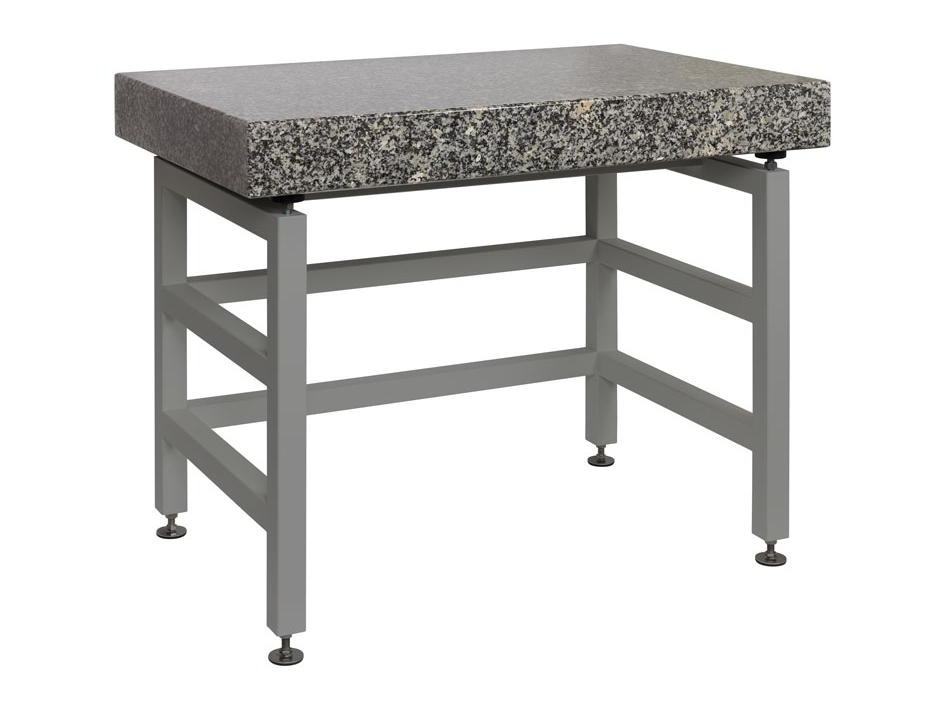
The table has been designed to eliminate ground vibrations during the operation of laboratory equipment such as microbalances, analytical balances…
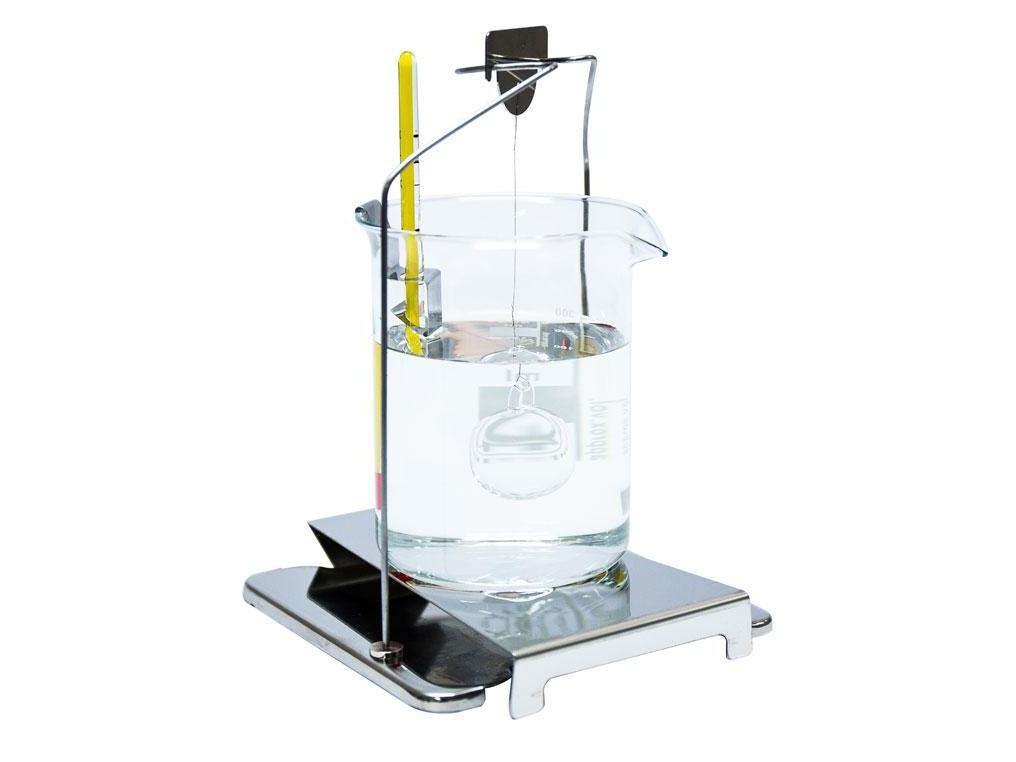
KIT 195.M is a density determination kit intended for PS M precision balances of high capacity, operating on the basis of
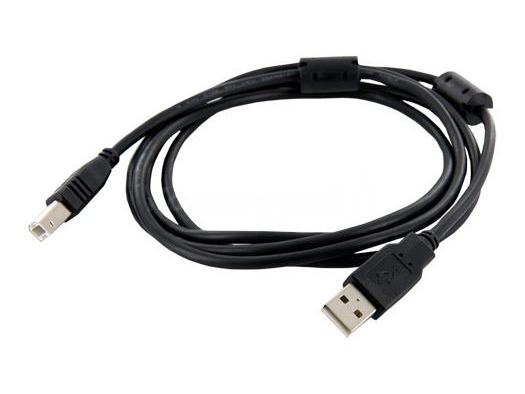
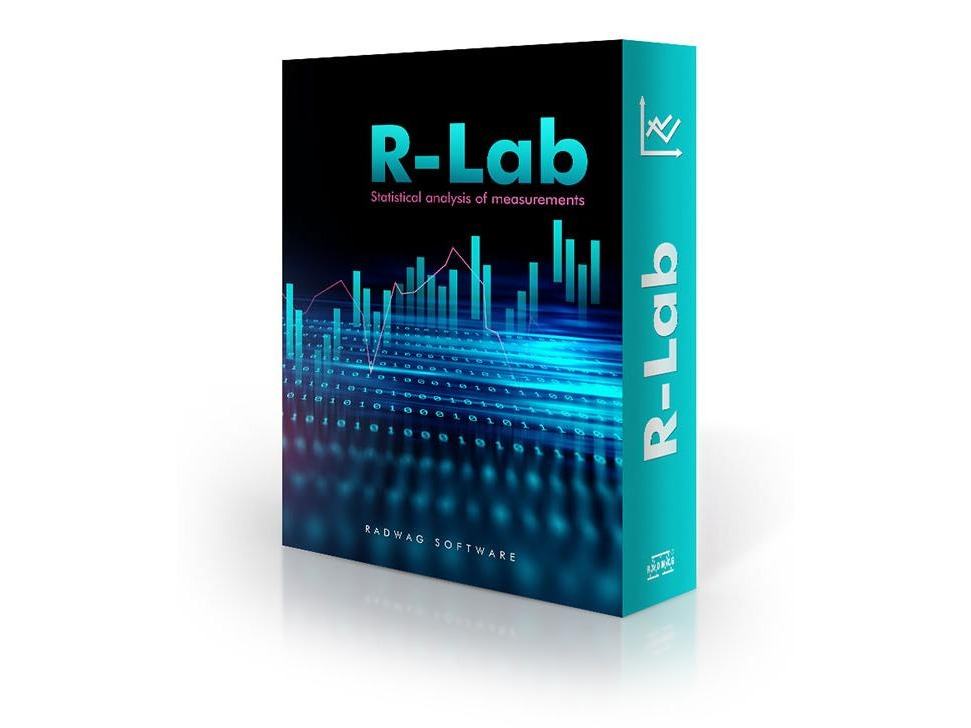
enables collecting, presenting and carrying out statistical analysis of measurements sent from RADWAG scales to a computer. The software operates…
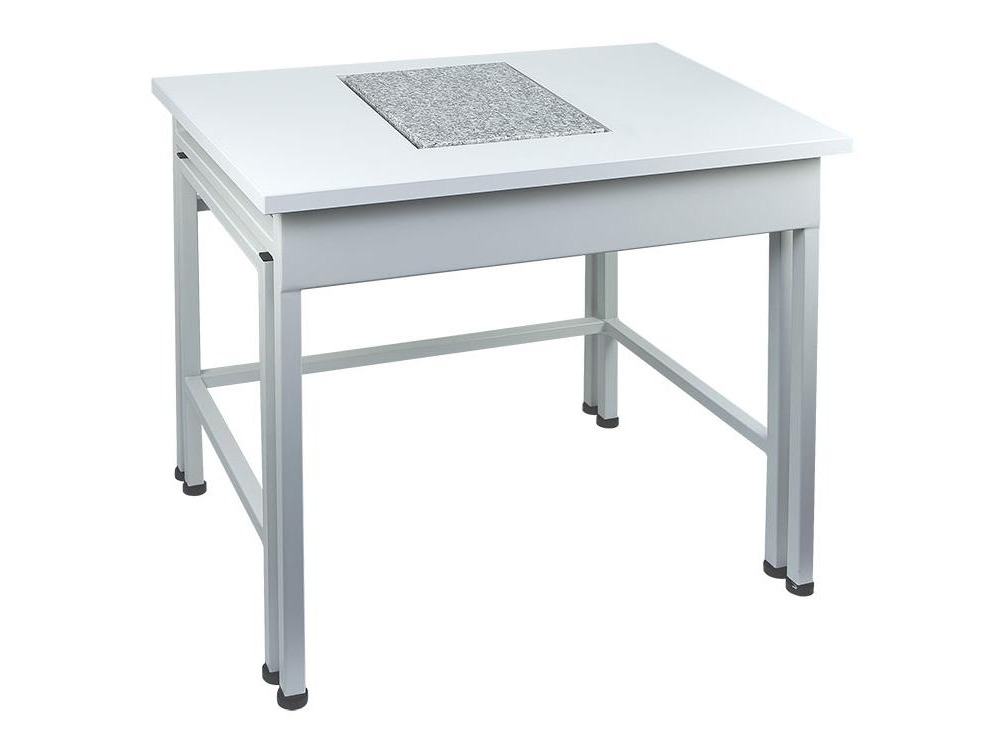
The antivibration table has been designed to eliminate ground vibrations during the operation of laboratory equipment such as microbalances…
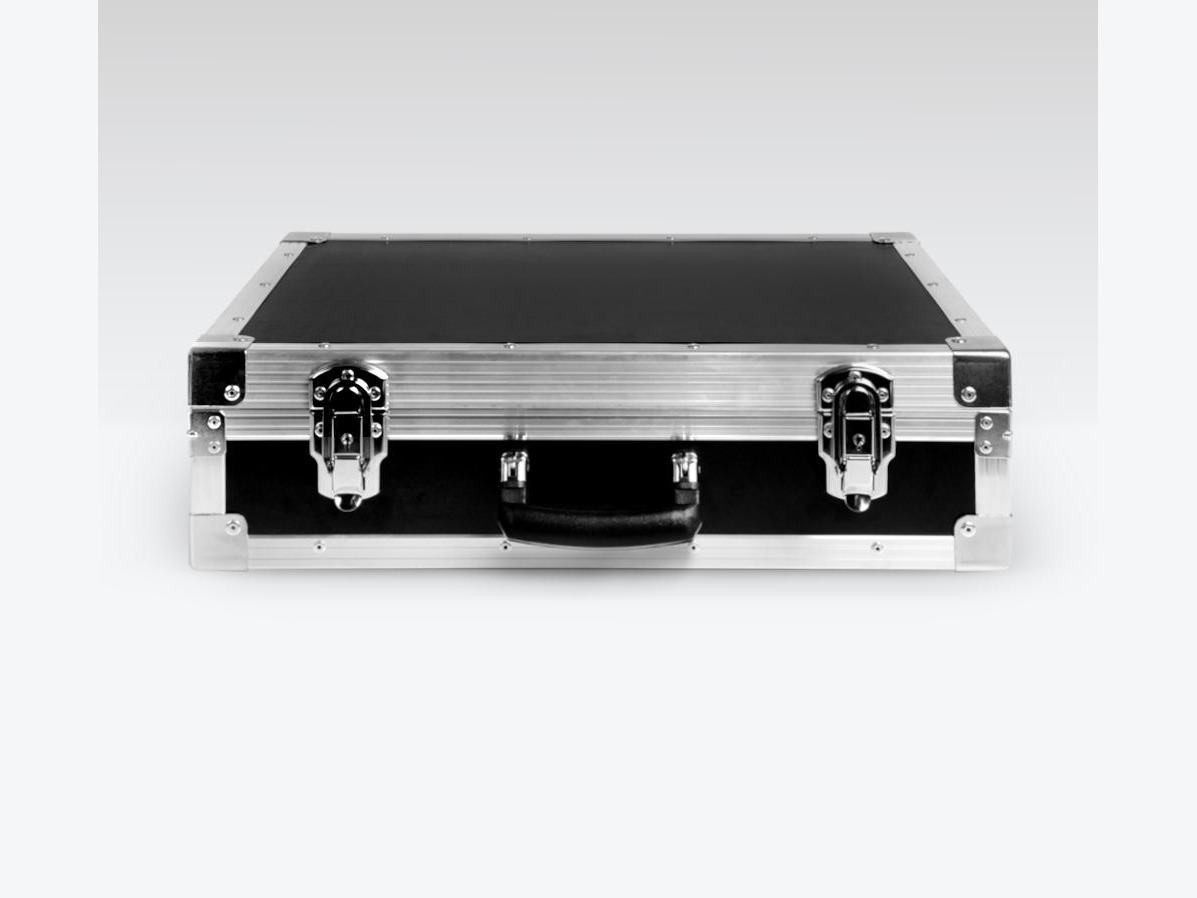
The case is designed for safe transportation of PS.R, PS.X7.M, WLC.X7, WLC.A1 and WLC.A2 balances. It was made of 6-millimeter-thick plywood. It has…
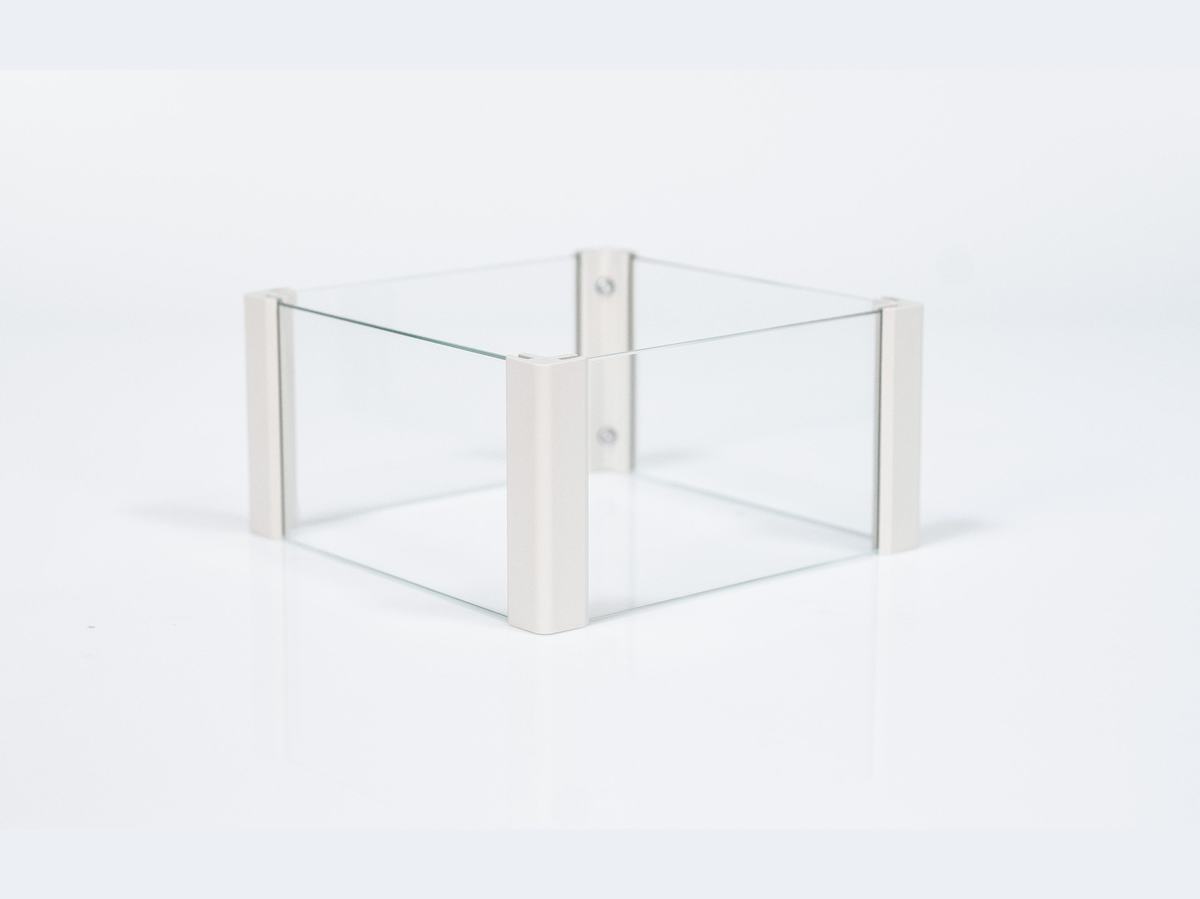
Glass-made draft shield for precision balances with 128 x 128 weighing pan. Designed to prevent the balance from the influence of unfavourable…
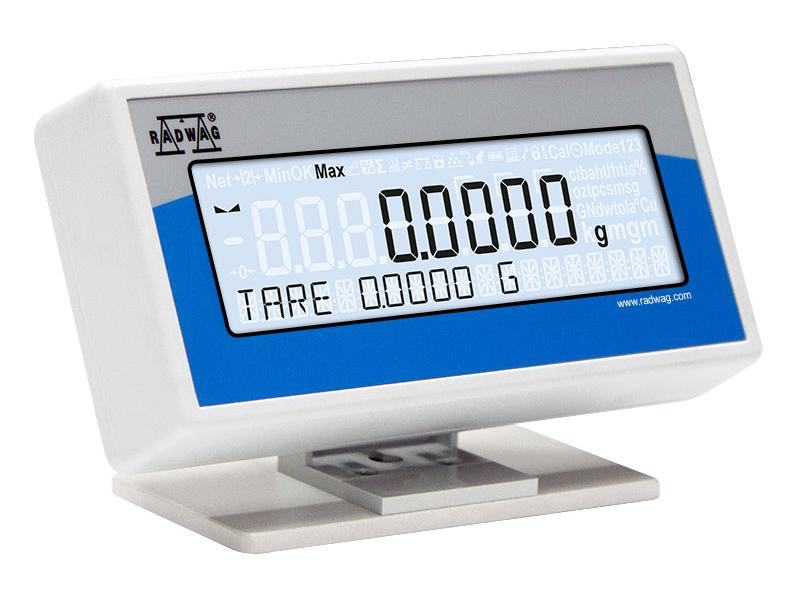
Additional LCD display in plastic housing and on a stand. The display enables presentation of the weighing result in a place distant from the balance…
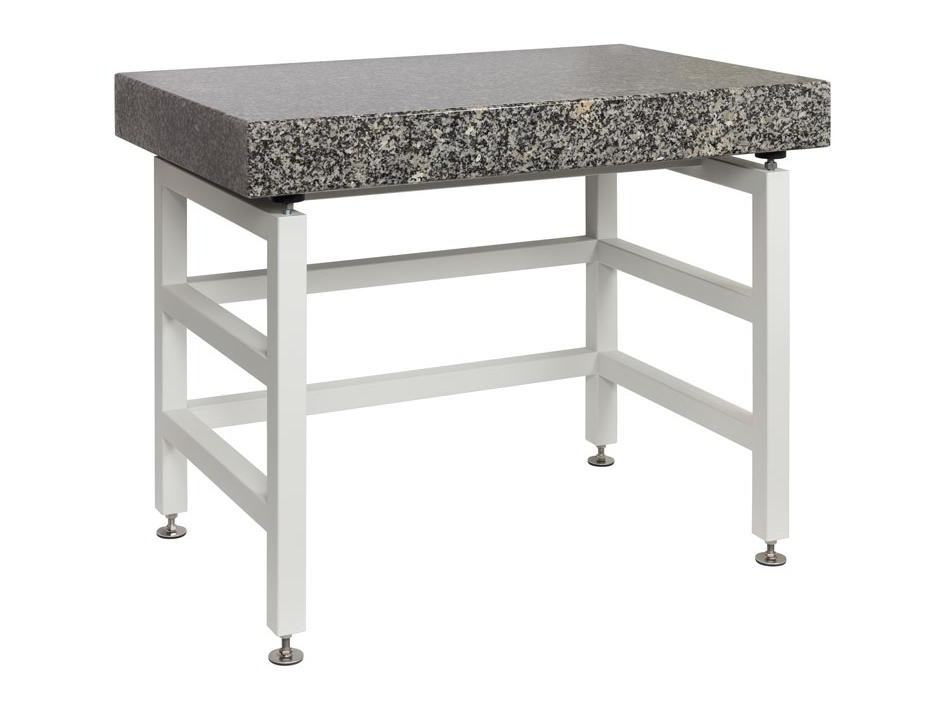
The table has been designed to eliminate ground vibrations during the operation of laboratory equipment such as microbalances, analytical balances…
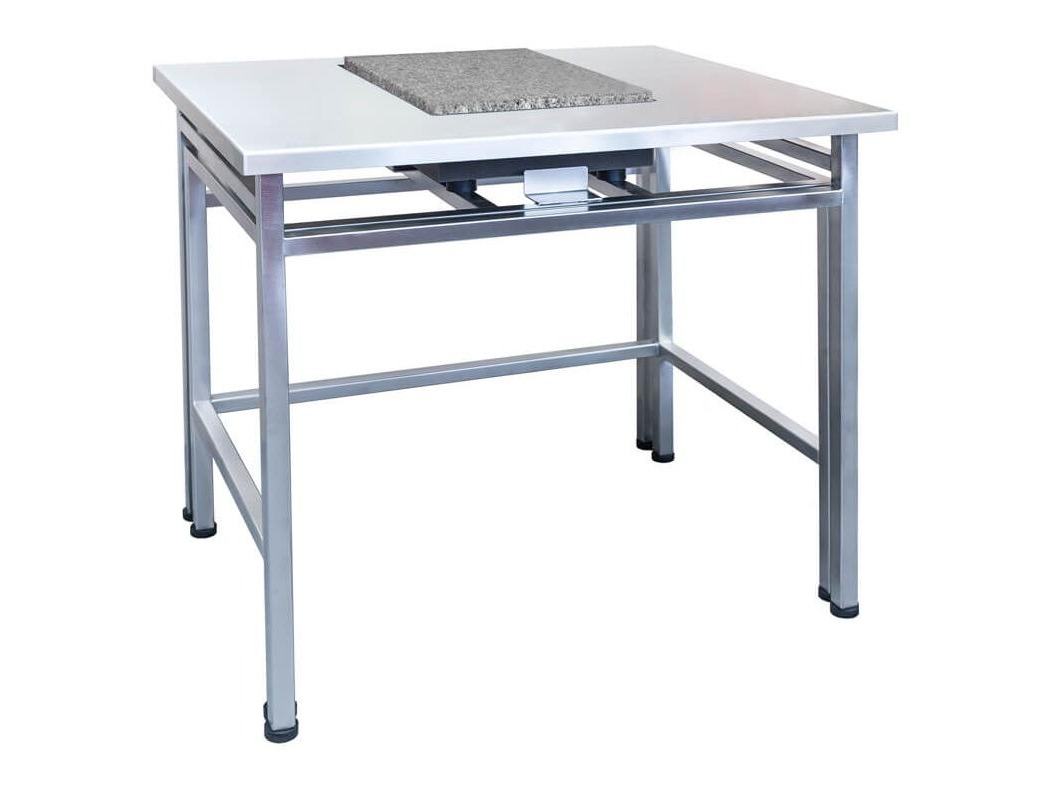
The antivibration table has been designed to eliminate ground vibrations during the operation of laboratory equipment such as microbalances…
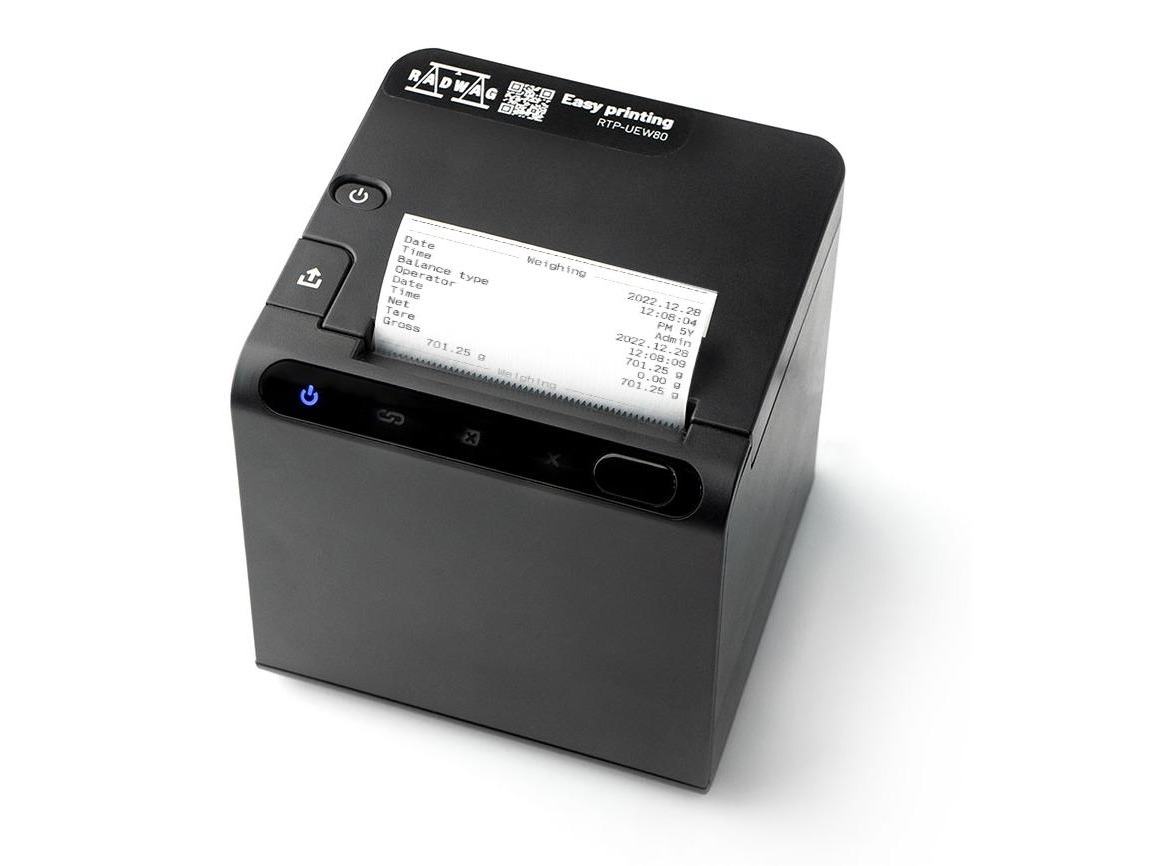
Wireless Wi-Fi® communication is a key advantage of the RADWAG RTP-UEW80 printer. The device enables convenient printing of weighing results…
Instruments to quote
No instruments yet. An enquiry can be sent anyway: a specialist answers.