

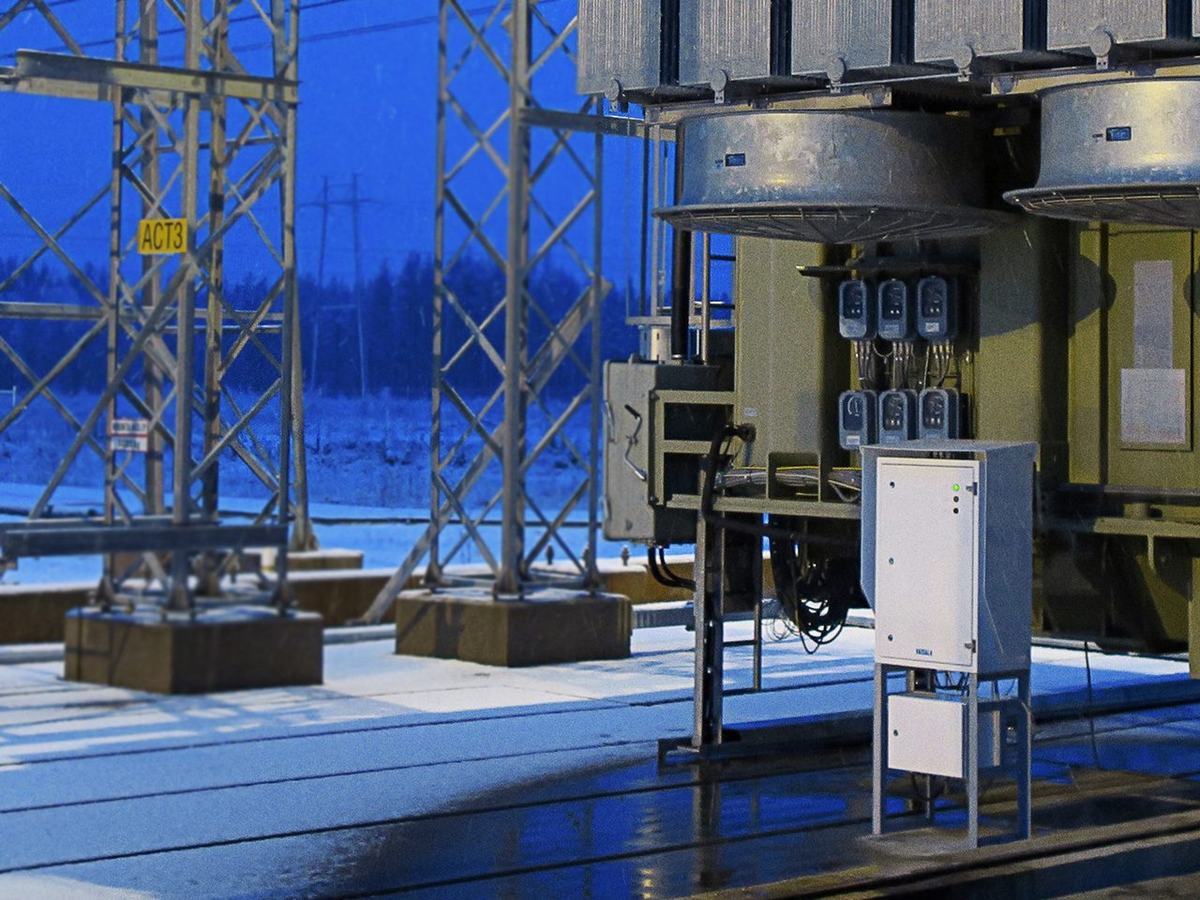
The Role of Online DGA Monitoring in Power Transformers
Which fault gases form in insulating oil and what each one reveals, why laboratory sampling is only a snapshot, and which criteria drive the choice…
Measurement
Vaisala's real-time online DGA monitors help mitigate the risks and safeguard the power industry's critical assets.
Content from Vaisala · retrieved on View the original source
Dissolved Gas Analysis (DGA) of power transformers is critical to condition-based maintenance (CBM), identifying faults and preventing unplanned transformer outages. The gas levels in transformer insulation liquids can indicate the existence of a fault, and the gassing trends, ie. the rate of change in gas levels can be used to determine its severity.
The key fault gases in DGA are hydrogen , methane, ethane, ethylene, acetylene, carbon monoxide and carbon dioxide.
Utilities and industrial clients can now safely increase equipment performance, prolong lifespans, plan for timely maintenance, and prevent unexpected outages.
Dissolved gases appearing in transformer oil indicate a fault, while the rate of change in gas concentrations is used to determine the severity of the fault.
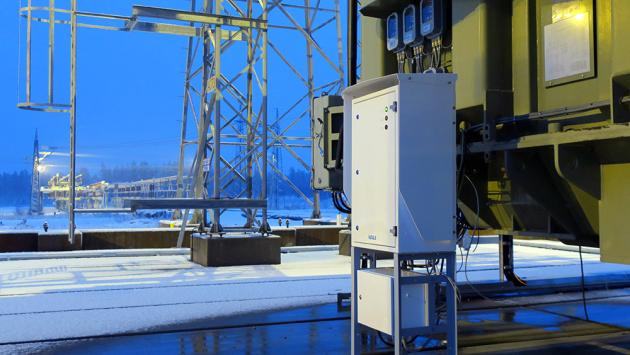
A multi-gas DGA monitor, like the Optimus DGA monitor, is your best choice for critical transformers, as it provides a comprehensive understanding of the transformer's condition. On the other hand, a single-gas monitor, such as the MHT410, can be used as a simple early warning indicator.
Total gas pressure is a groundbreaking method for detecting air leaks into your transformer. It's a robust, reliable, and intuitive method to ensure your transformer is still sealed against ambient air and its oxygen.
Oxygen will prematurely age and weaken the paper in your transformer's windings, potentially shortening your transformer's operational life by years. Total gas pressure is the answer. And comes as standard in the Vaisala Optimus™️ OPT100 online DGA monitor.
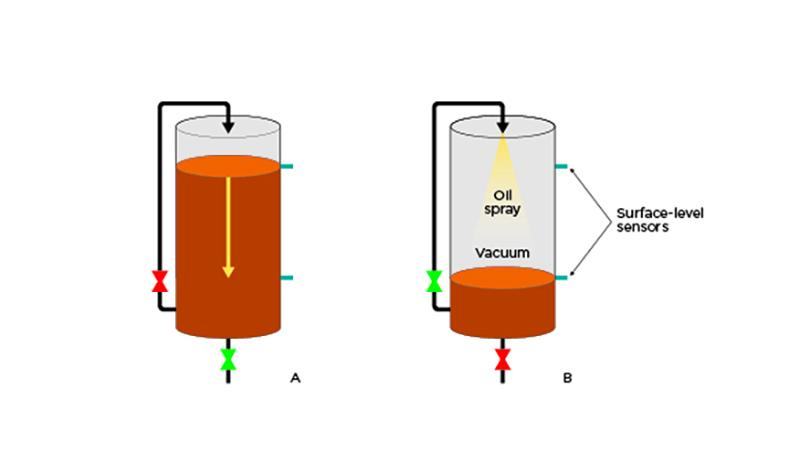
The Vaisala Optimus uses a patented Vacuum Gas Extraction technology, which results in a much more complete extraction of the dissolved gasses as compared to traditional Head Space and other separation methods.
This leads to more accurate and reliable results, independent of the oil type, age or the Total Dissolved Gases.
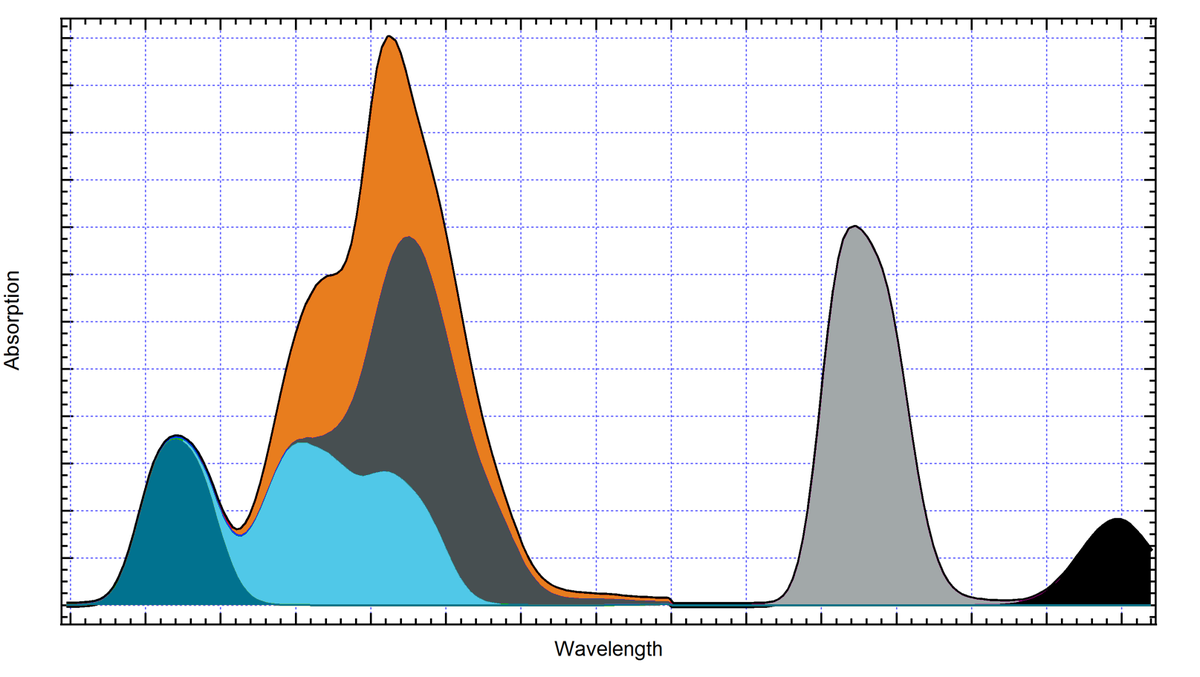
For actual gas measurement, the monitor uses infrared (IR) gas sensing technology, where Vaisala’s own tunable IR filters allow a wider range of IR scanning offering better gas selectivity. The measurement has integrated vacuum IR reference, which is used continuously to eliminate any drift mechanisms like decrease in light source intensity.
With all this we are able to achieve the best long term stability and measurement performance with nothing to service or maintain.
High gas extraction rate, novel vacuum IR reference method and patented autocalibration leads to more reliable results and excellent long-term stability.
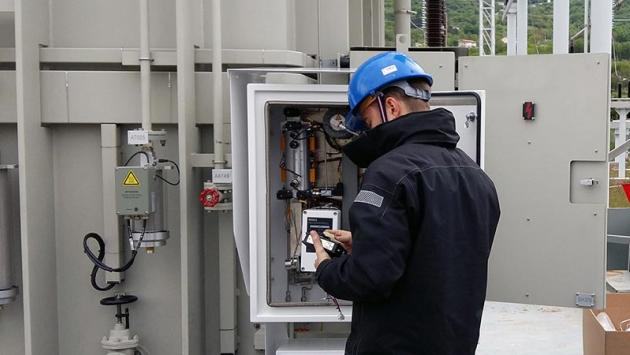
Maintenance free operation through robust design and hermetic metal structure of the oil and gas handling system. No moving parts in the optical IR measurement module. No consumables and no gas cylinders.
Online DGA monitoring provides real time view of the transformers condition. Enabling corrective actions taken on time.
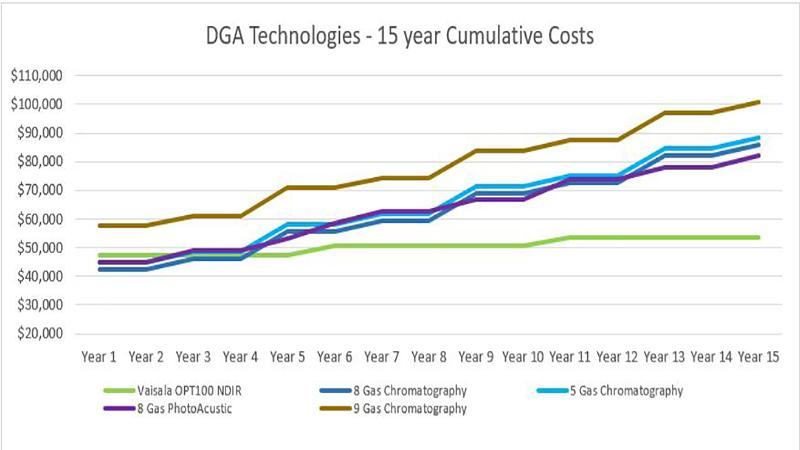
You get maintenance-free monitoring with the Vaisala Optimus™ DGA – no consumables, mechanicals or need for calibration. Compared to traditional DGA monitors, the Optimus offers real-time monitoring with no false alarms, no maintenance – and no extra lifetime costs.
By providing reliable trend data in real time and without false alarms, Vaisala DGA Monitors help you detect upstream problems.
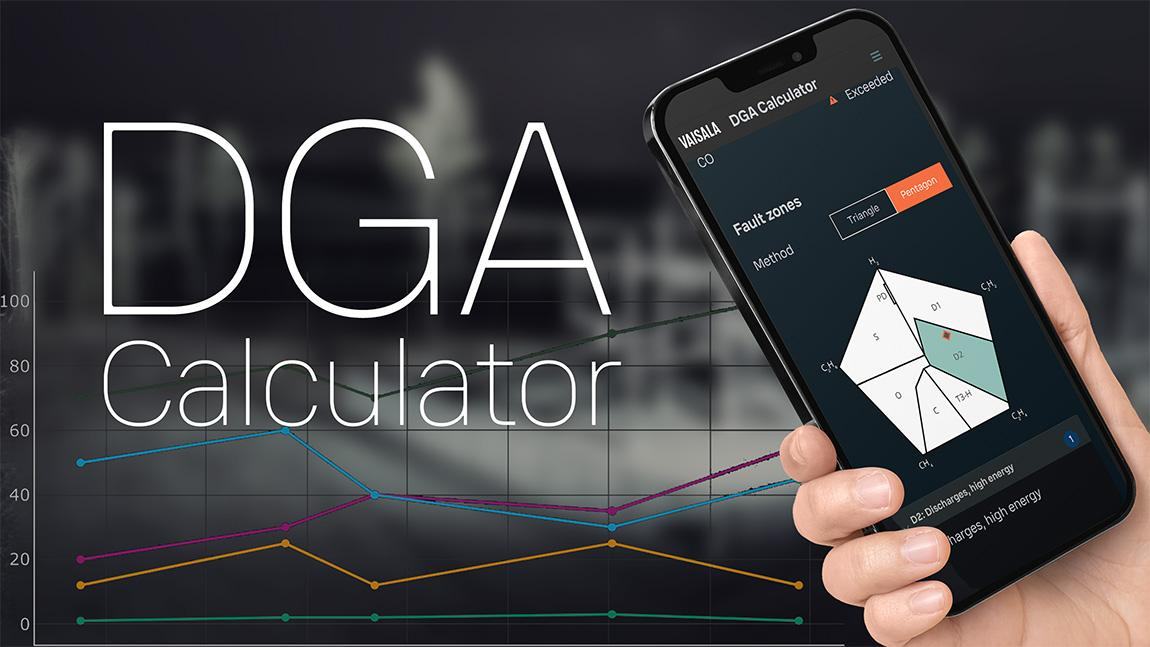
Visualize the state of your power transformer, with Duval Triangles, Pentagon, and gassing trend graphs. Supports IEC & IEEE standards, as well as data import & export.
Which fault gases form in insulating oil and what each one reveals, why laboratory sampling is only a snapshot, and which criteria drive the choice…
A real case: a 100 MVA transmission transformer from 1958 with recurring gassing, how hourly monitoring revealed the fault was evolving in discrete…
Why measuring oxygen concentration alone is not enough to detect air ingress in sealed transformers, and how total gas pressure turns leak detection…
Why oil aging produces hydrocarbons that interfere with infrared fault gas measurement, and how autocalibration analyzes the oil composition and…
A specialist replies with the solution, the instrument and the service that fit.
Instruments to quote
No instruments yet. An enquiry can be sent anyway: a specialist answers.