

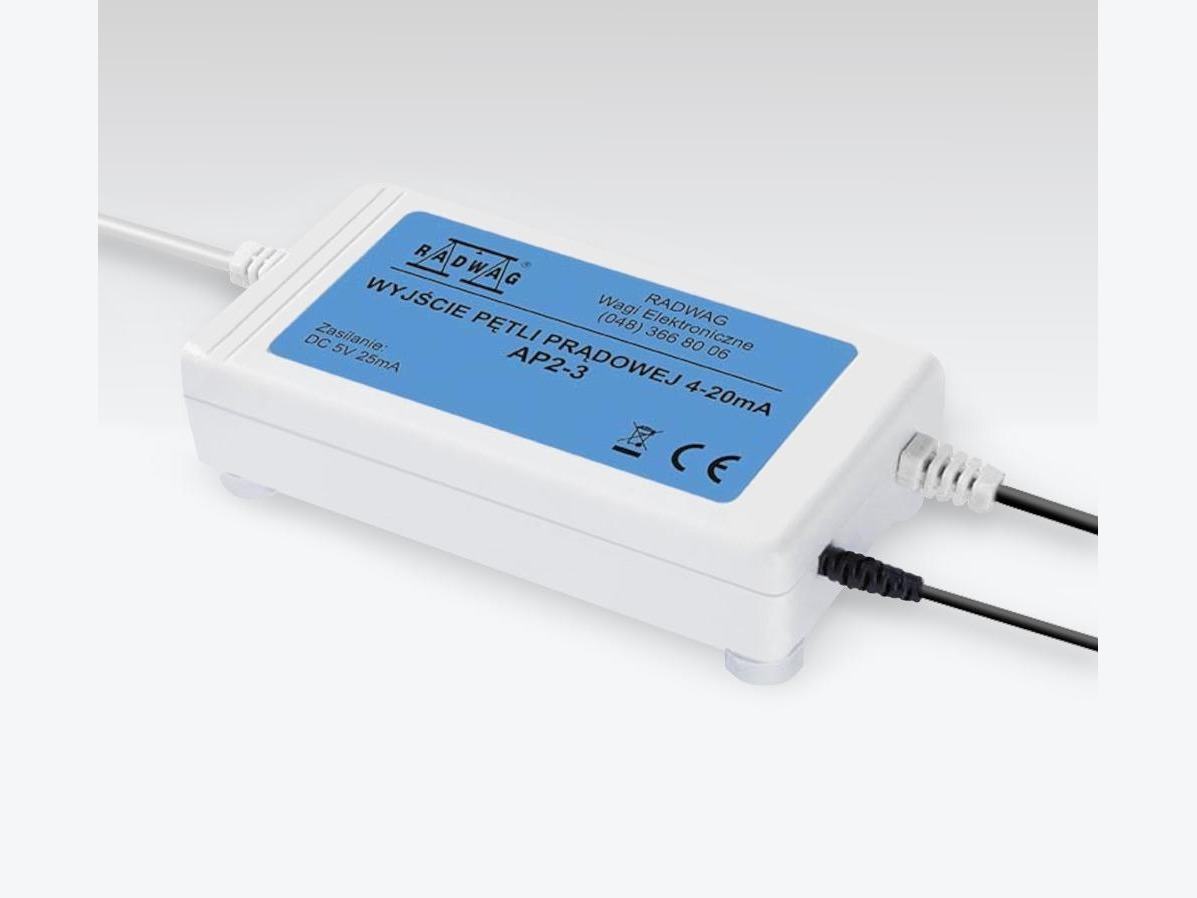
AP2-1 Current Loop Unit (Plastic Housing) (WX-016-0011)
AP2-1 Current Loop unit 4–20 mA has been designed to convert digital value of mass to analog value. It is a unit of passive type, i.e. it requires to…
PUE C32
The housing is made of durable ABS plastic. The terminal has been equipped with 5’’ colour display ensuring perfect readability, and 22-key membrane keypad featuring programmable function keys. The terminal offers customized menu, with this all your personal needs can be met which makes operation even more intuitive and simple.
Request a quoteDownload the datasheet
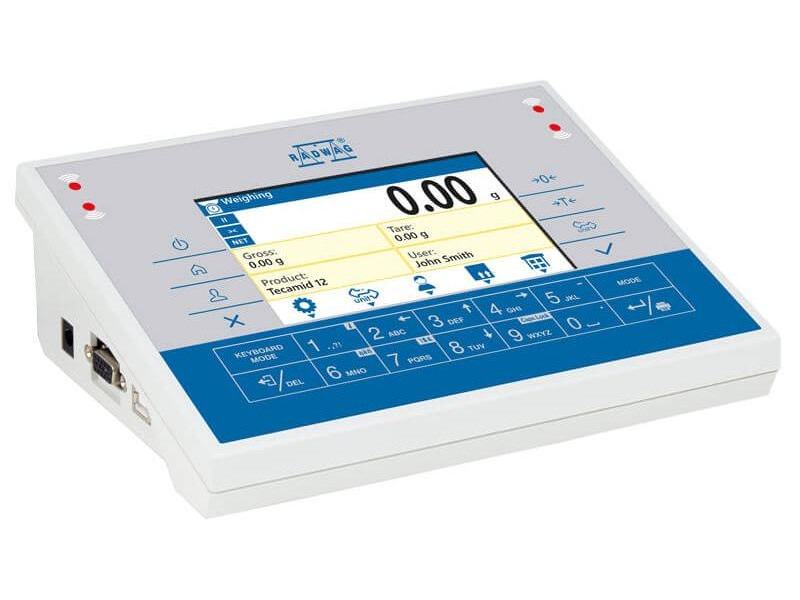
The housing is made of durable ABS plastic. The terminal has been equipped with 5’’ colour display ensuring perfect readability, and 22-key membrane keypad featuring programmable function keys. The terminal offers customized menu, with this all your personal needs can be met which makes operation even more intuitive and simple.
Use of the optional battery enables the PUE C32 terminal to operate even when there is either no or unstable power supply.
Standard terminal has been equipped with RS232, USB-A, USB-B, Ethernet, 4×IN, 4×OUTinterfaces which facilitate both cooperation with peripherals such as printer or computer and data exchange using USB drives. The terminal connects with wireless networks due to a Wireless Connection module, which comes standard.
PUE C32 information system is based on 7 databases, each of different maximum record quantity:
Databases can be imported and exported via USB flash drives.
ALIBI memory provides data safety and allows saving up to 500 thousand weighing records.This guaranties continuous storing of data over a long period of time.
| Display | 5” graphic colour |
|---|---|
| Device dimensions W x D x H | 206×140×71 mm |
| Packaging dimensions W x D x H | 300×250×130 mm |
| Net weight | 0,7 kg |
| Gross weight | 1,2 kg |
| Protection class | IP 43 |
|---|---|
| Housing | ABS plastic |
| Communication interface | 2×RS232, USB-A, USB-B, Ethernet, 4 IN / 4 OUT (digital), Wi-Fi ® |
|---|
| Power supply | 100 – 240 V AC 50/60 Hz |
|---|---|
| Optional power supply | internal rechargeable battery |
| Operation time on batteries | operation time up to 5 h |
| Maximum quantity of verification units | 6000 e |
|---|---|
| Minimum volatge per verification unit | 0,4 µV |
| Maximum voltage per verification unit | 3,25 µV |
| Minimum load cell impedance | 50 Ω |
| Maximum load cell impedance | 1200 Ω |
| Load cell excitation voltage | 5V DC |
| Maximum increase of signal | 39 mV |
| Connection of load cells | 4 or 6 wires + shield |
| Operating temperature | -10 – +40 °C |
|---|
| Multiple range | YES |
|---|---|
| Max number of platforms | 1 |
Marking products with the right symbols contributes to quick and reliable identification. The balance/scale usually transfers product mass or product quantity to the label printer. The transferred value is printed with the following information: bar code, pictogram, content, address etc. In laboratory the labelling is performed in a semi-automatic mode, for industry in an automatic one (dynamic scales).
Percent Weighing function is used for comparision of measured products with mass standard. Mass of a mass standard may be a numeric value taken from a database or it may be determined through a measurement process. Each measured product is compared to mass standard, mass of which is presumed as a model 100% ideal mass. For products weighing less than the mass standard, obtained results are lower than 100%, for products weighing more, the obtained results are greatly exceeded.
Function adding new mass value to already obtained one. This allows to determine mass content of the mixture, being a composition of number of different consistence components. Totalizing is limited by maximum capacity parameter.
Function using mass measurement for determination of measured items quantity. Mass of a single item is required for this process. It may be either estimated through weighment or taken from a database. For items counting the following algorithm is used: all items mass / single item mass = quantity. Function operation is supperted by a mechanism of Automatic Correction of Accuracy. This allows to update single item mass in course of the process. To a certain extend Automatic Correction of Accuracy eliminates error which may be a result of different mass values of seemingly alike single elements. For industry solutions items counting may be simultaneously carried out with checkweighing and dosing thus industry solutions feature audio signalling base informing that specified number of items has been weighed. It is possible to apply weighing systems using few platfroms of different MAX capacities and different accuracies.
Statistiscs function registers and analyses performed measurements. This supplies the user withthe following information: Max and Min standard deviation, average value, variance, range et.
Checkweighing function is used for checking whether the measured sample mass is within the predefined threshold values, Low [LO] and Hgh [HI]. The thresholds are given in [g] and [kg] units. Current state of a sample being measured is signalled by means of pictorgams located on a display for laboratory balances, for industrial scales Stackligt System is used. This visual +/- inspection is in operation during segregation, control or packing process of products for which mass has bees determined with a specifaied tolerance, eg. 12860 g ± 5 g
Programmable function supporting the weighing process through control of the following options: sliding weighing chamber doors, printout, zeroing, tarring etc. Especially appreciated wherever preventing the balance from soiling is important.
Diagnostic function allowing to objectively document performed measurements. GLP procedures may be either presented in a short report form or extended one.
Weight function to change the weight unit.
"ALIBI" memory enables saving and storing up to 100000 measurements. Measurements are saved automatically upon each pressing of the key. There is no need for any additional operations or changing settings.
The following data related with the measurements is saved: measurement date; measurement time; result (mass); tare value; operator carrying out the measurement (logged in); product name.
The software saves the measurement in a so called loop, i.e. when the measurement no. 100001 is saved, the measurement 1 gets automatically deleted from the memory.
Measurements saved to balance memory cannot be deleted.
You can preview and print out the data saved to the ALIBI database.
WX-016-0154 RES level: 0,1,2 (PUE HY10)
WX-016-0212 RES level: 0,1,2 (WLY, PUE71)
WX-016-0264 RES level: 0,1,2 (4Y, 5Y)
WX-016-0265 RES level: 0,1,2 (X2, X7)
WX-016-0292 RES level: 0,1,2 (PUE HX7)
WX-016-0293 RES level: 0,1,2 (PUE C32)
Character communication protocol is designed for communication between RADWAG balance and external device via RS232, Ethernet or Wi-Fi®®* interfaces.
The protocol consists of commands sent from the external device to the balance and responses sent from the balance to the device.
Responses are sent from the balance each time a command is received as a response to the command.
The commands that make up the communication protocol allow you to obtain information about the status of the balance and ways to influence its operation, for example, they allow you to receive weighing results from the balance, control the display, etc.
AP2-1 Current Loop unit 4–20 mA has been designed to convert digital value of mass to analog value. It is a unit of passive type, i.e. it requires to…
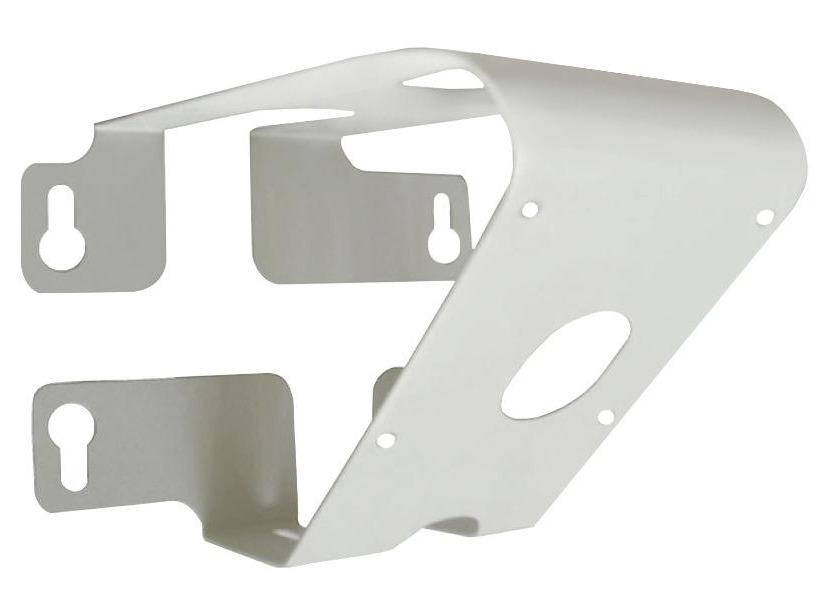
Wall-mounting kit has been designed to facilitate installation of PUE 7.1 and PUE C32 terminals on a vertical surface. The kit can be mounted in two…
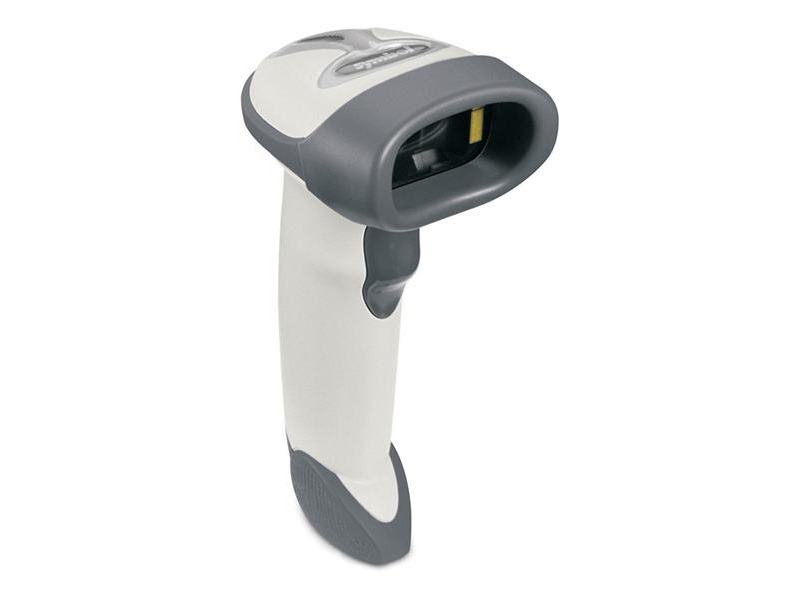
LS2208 barcode scanner is a manual device designed for operation in adverse industrial conditions. It integrates with RADWAG terminals, PUE H315, PUE…
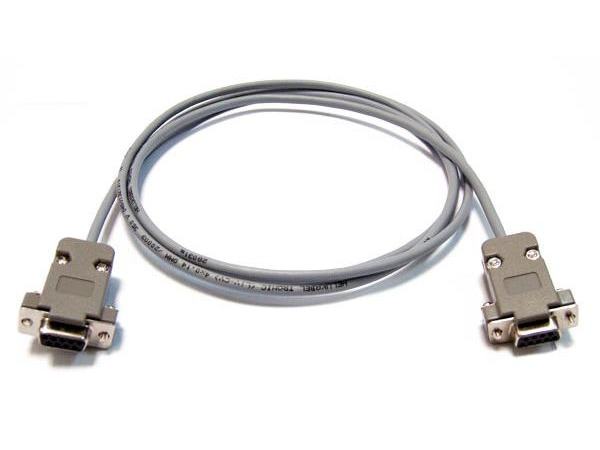
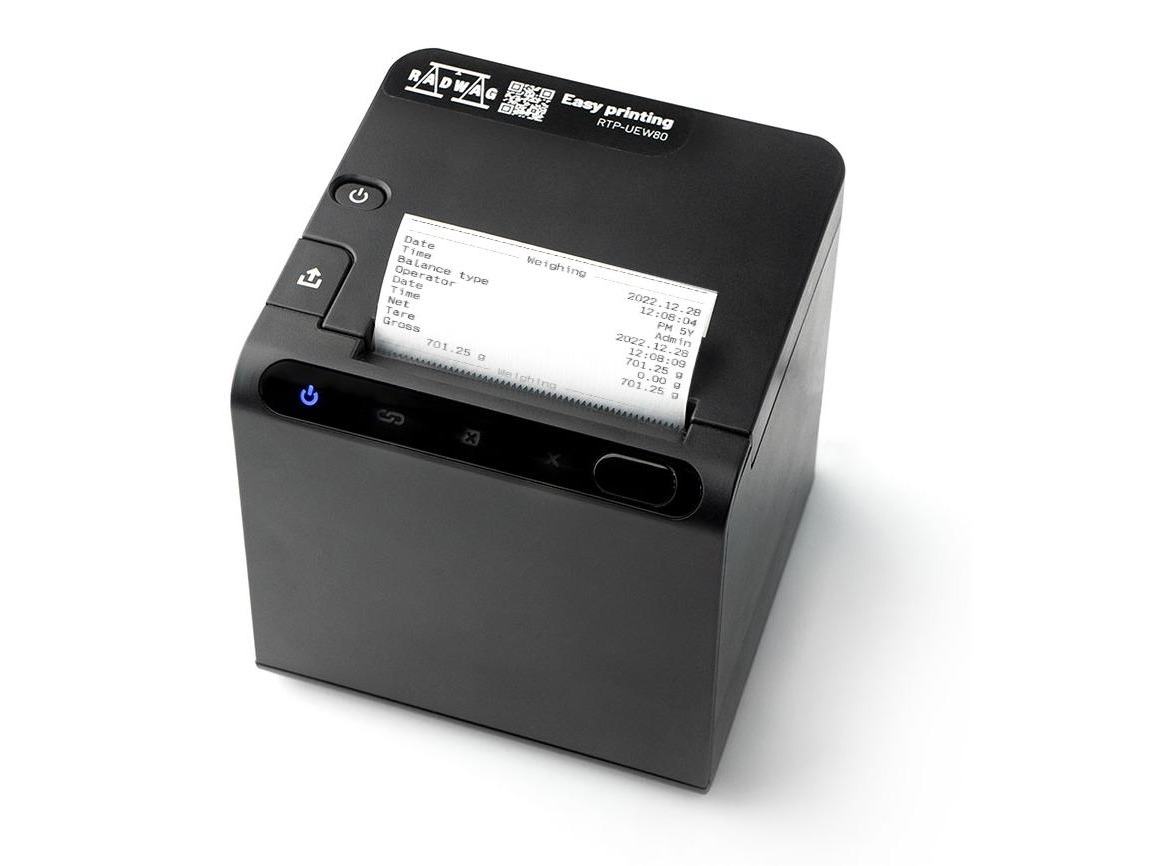
Wireless Wi-Fi® communication is a key advantage of the RADWAG RTP-UEW80 printer. The device enables convenient printing of weighing results…

enables collecting, presenting and carrying out statistical analysis of measurements sent from RADWAG scales to a computer. The software operates…
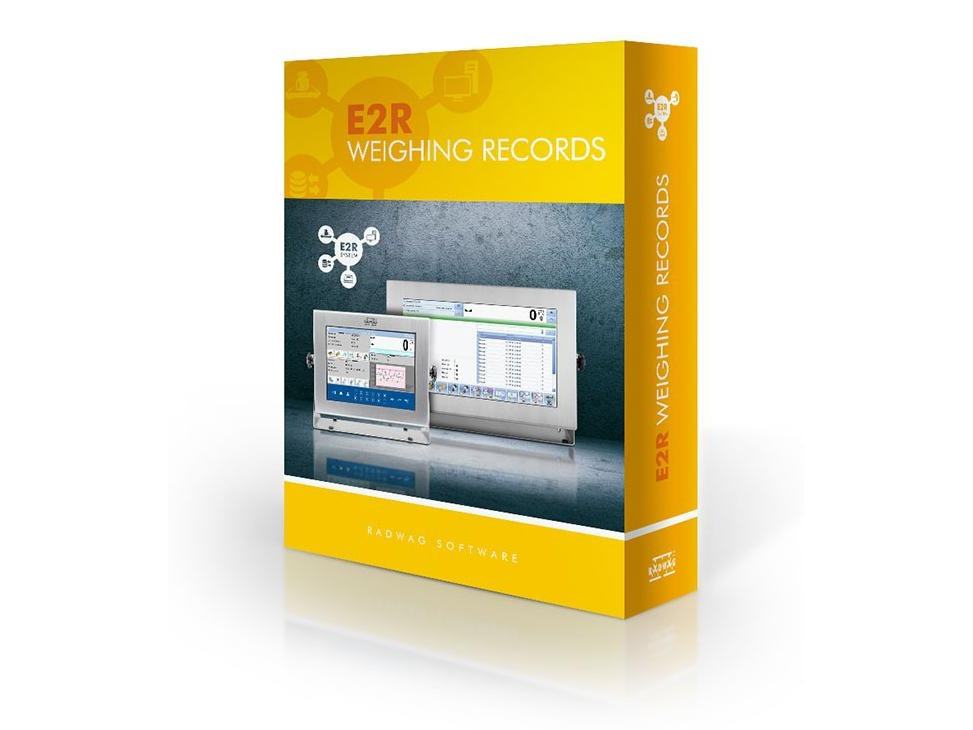
To be able to analyse and correct them in real time? After all, it is the key to increasing the efficiency of the production line! Our clients, the…
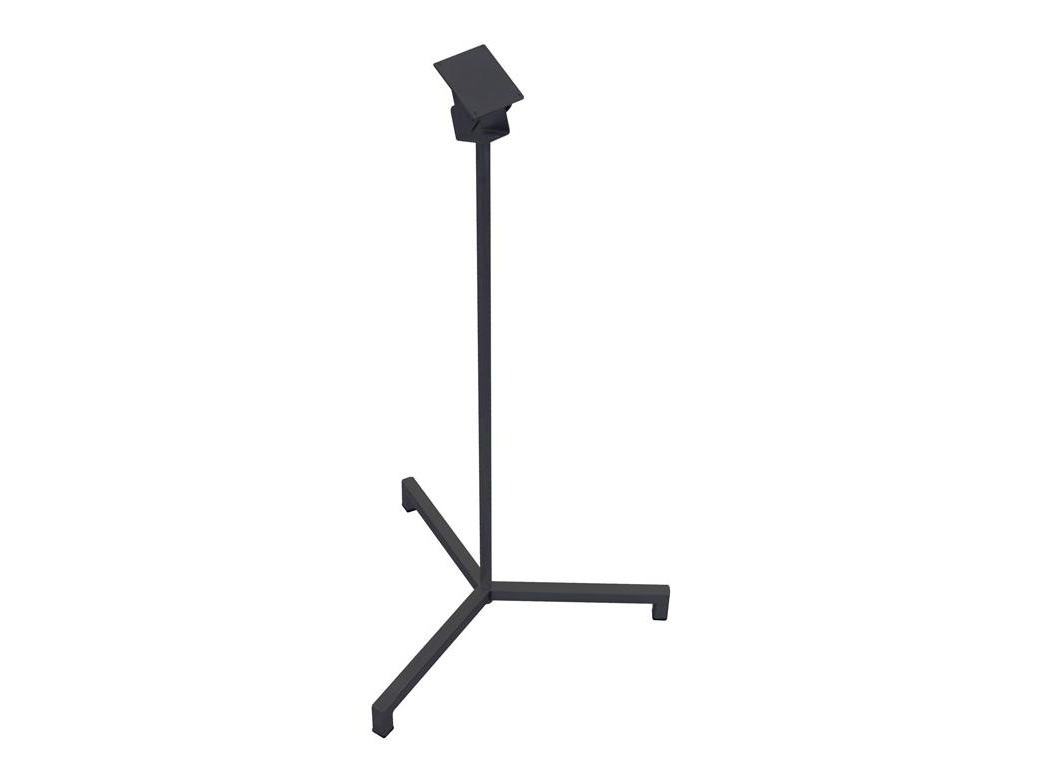
A stand, based on a tripod for supporting scale's indicator installed on a cable PUE C32 / PUE 7.1. Mild steel version available.
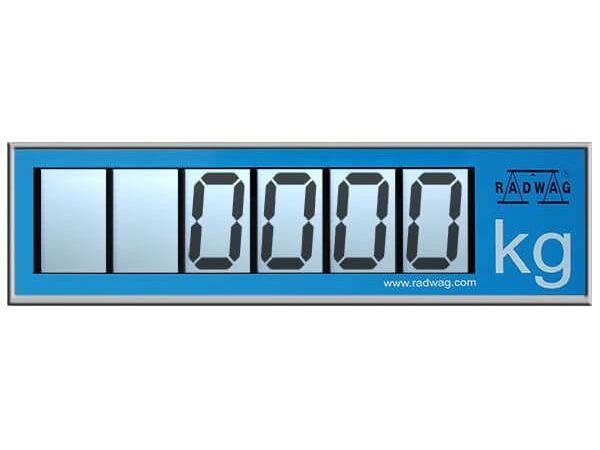
Large-size additional display is an accessory of load-cell scales.
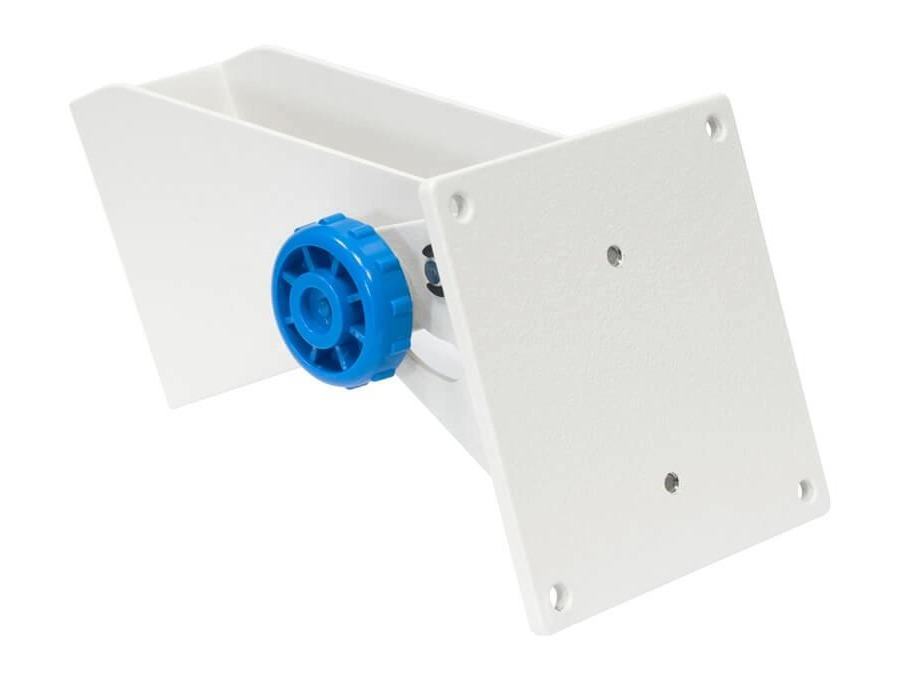
PUE-7-36 wall-mounting kit has been designed to facilitate installation of PUE 7.1 and PUE C32 terminals on a vertical surface. The kit enables…
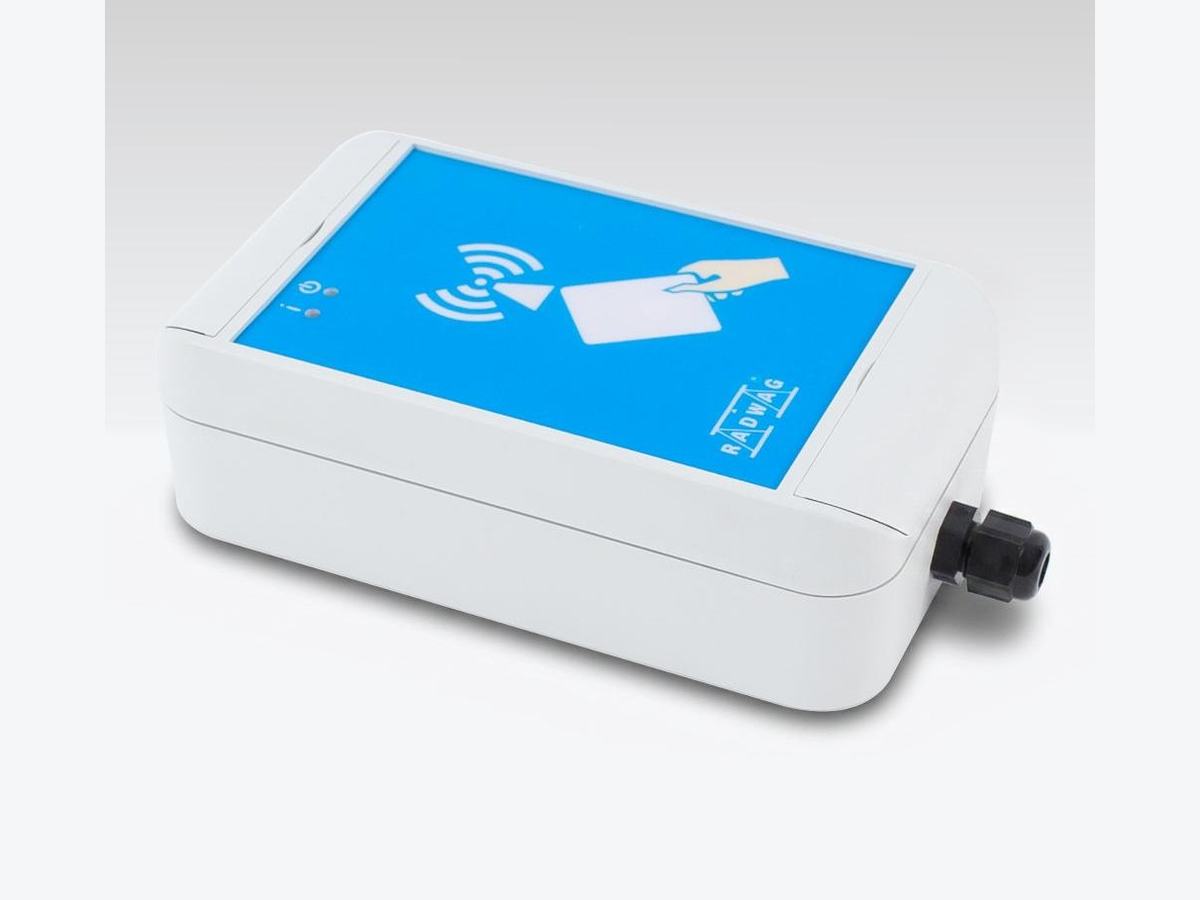
The CK-02/4 is additional equipment for load cell based industrial scales. It can be used for:
The RADWAG RTP-RU80 is a modern receipt printer designed to work with laboratory and industrial scales. Equipped with RS232 and USB interfaces, it…
Instruments to quote
No instruments yet. An enquiry can be sent anyway: a specialist answers.