

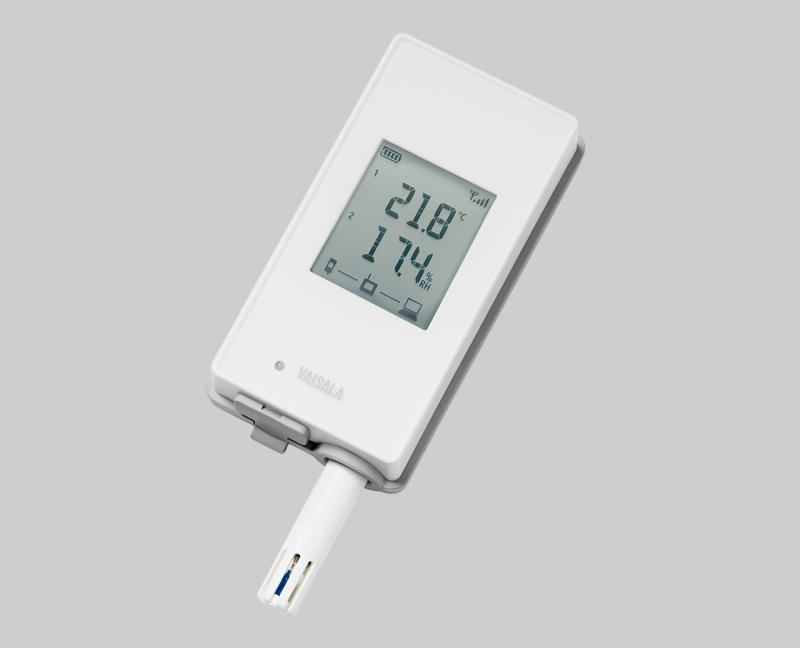
VaiNet wireless data logger RFL100
For wireless monitoring of controlled areas
Application note
The Vaisala viewLinc Monitoring System tracks environmental conditions wirelessly using Vaisala’s VaiNet wireless devices based on LoRa®* technology. By using a modified chirp spread spectrum (CSS)* signal modulation, VaiNet provides robust communication that is extremely reliable over long distances and under harsh, complex and obstructed conditions. Long-range wireless communication eliminates the need for repeaters to boost signal strength. VaiNet’s wireless data loggers and access points are preprogrammed to locate each other and establish communication. Less equipment and less configuration simplifies installation so users can deploy with little or no previous experience setting up networked monitoring systems.
* See Key Terms at the end of the page.
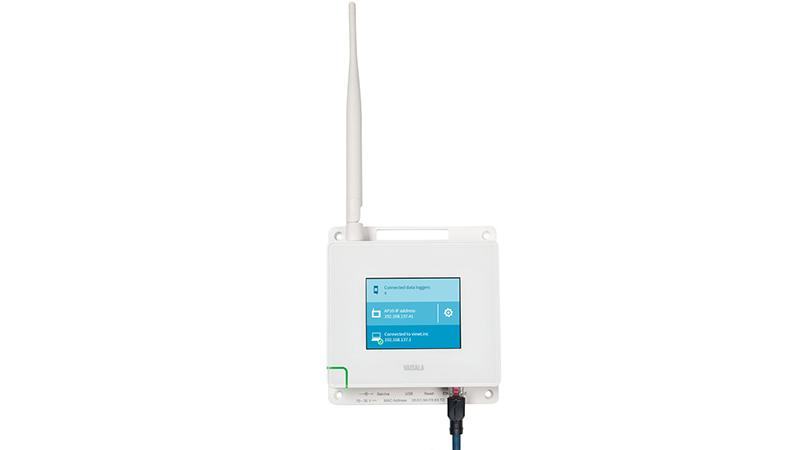
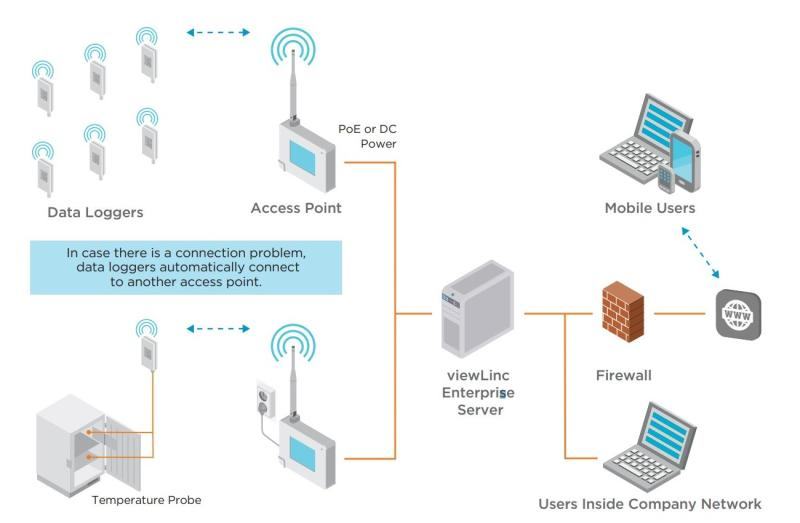
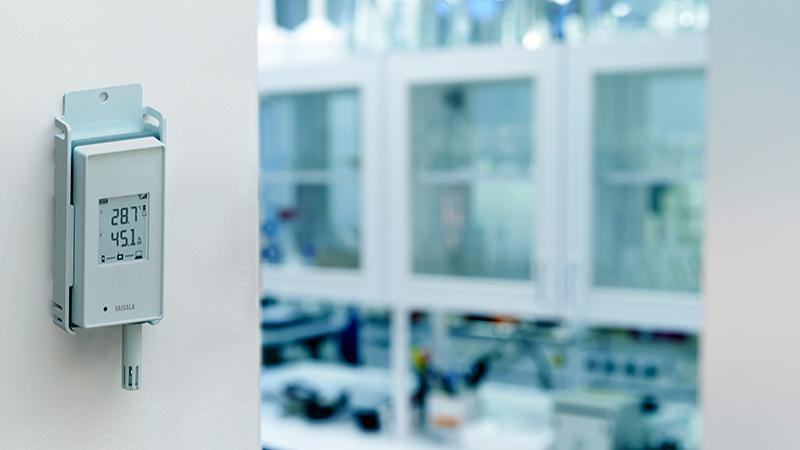
The Vaisala VaiNet Wireless technology uses sub-GHz frequencies to provide better signal propagation in environmental monitoring applications. Most industrial monitoring systems equipped with wireless devices use some sort of redundancy to protect against any single point of failure in a network of data loggers. VaiNet creates redundancy by distributing the signal load across several network access points. The wireless signal strength between access points and data loggers determines the optimum data path. Access points use Power over Ethernet (PoE) to reduce cabling and allow easy connection to a UPS*. A separate power supply is provided for installations where PoE is not available. Additionally, most RFL100 models are fully wireless, powered by batteries to ensure that the system continues monitoring during power outages. Each logger can maintain up to thirty days of data if the wireless network loses connectivity, and the access points provide additional data storage should the Ethernet LAN fail. As soon as the network is restored, data loggers and access points automatically backfill all historical data to the monitoring system software to ensure gap-free historical records.
The advantages of sub-GHz wireless technologies are compelling when considering the extensive use of other frequencies. By communicating outside the heavily trafficked 2.4 GHz bands, VaiNet’s signals are less vulnerable to interference. Another advantage of sub-GHz wireless communication is that low frequency signals mean longer range and better penetration. Barriers typical to industrial and warehouse environments — cement block walls, metal shelving, heavy duty equipment, liquid products, foil packs — can be more easily penetrated by a lowerfrequency signal. Importantly, the long range of the VaiNet signal allows for effective coverage in larger facilities with less networking equipment. Reliable data transmissions also mean fewer transmission retries, which saves on power.
* See Key Terms at the end of the page.
VaiNet provides all the benefits of spread spectrum wireless technology including resistance to interference, interception and multipath fading (reflections). Using the chirp signal to spread the RF energy over a wider band allows for reliable communications even when signal levels are below the background noise floor. It also reduces disruptions from overlapping signals the same frequencies.
Wireless device registration is handled by Vaisala’s monitoring software, the viewLinc Enterprise Server. Whenever a new data logger is added to the system, it is automatically identified by an access point, which forwards the logger’s information to viewLinc. Once accepted in viewLinc, data loggers will stay synchronized, even in situations where other nearby VaiNet networks overlap.
Measurements from data loggers are encrypted before they are transmitted between devices. The AP10 access point and the viewLinc Enterprise Server verify that data has been received correctly. Once data is verified, it is stored to viewLinc’s secure database where it is protected from tampering and loss.
VaiNet technology is designed as a multi-star network topology*. The access points are connected to the software in a star configuration and each access point can support its own “star” of data loggers. The long-range capability of VaiNet allows alternate signal paths from data loggers to access points in the event of disrupted communications.
No passwords or key phrases need to be configured during installation. Unlike many Wi-Fi monitoring systems that require manual setup, VaiNet data loggers can connect only to VaiNet access points. This removes the need for key phrases for recognition, so new VaiNet data loggers automatically appear in the viewLinc software. Following confirmation by a viewLinc administrator, the system and the data logger exchange unique passcodes, securing the connection against tampering. This removes the need for manual entry of passwords and key phrases even in case of multiple overlapping VaiNet systems.
The simple network architecture, along with other attributes like automatic recovery from power and network outages, makes VaiNet purpose-built for critical monitoring applications. Designed for industries that require gap-free historical data from controlled environments, VaiNet uses cutting-edge wireless networking technology to provide a reliable, resilient, and secure monitoring system.
For wireless monitoring of controlled areas

for cleanrooms and industrial settings
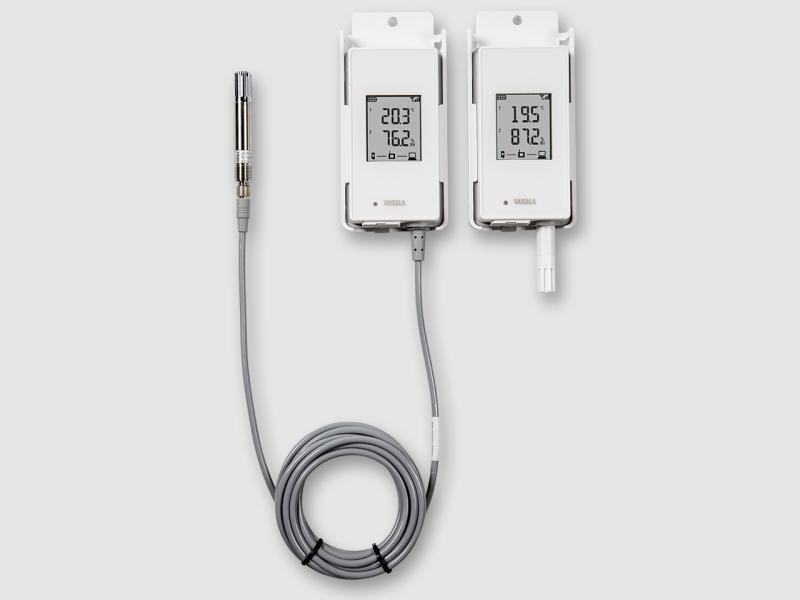
for monitoring humidity and temperature

for OEM applications
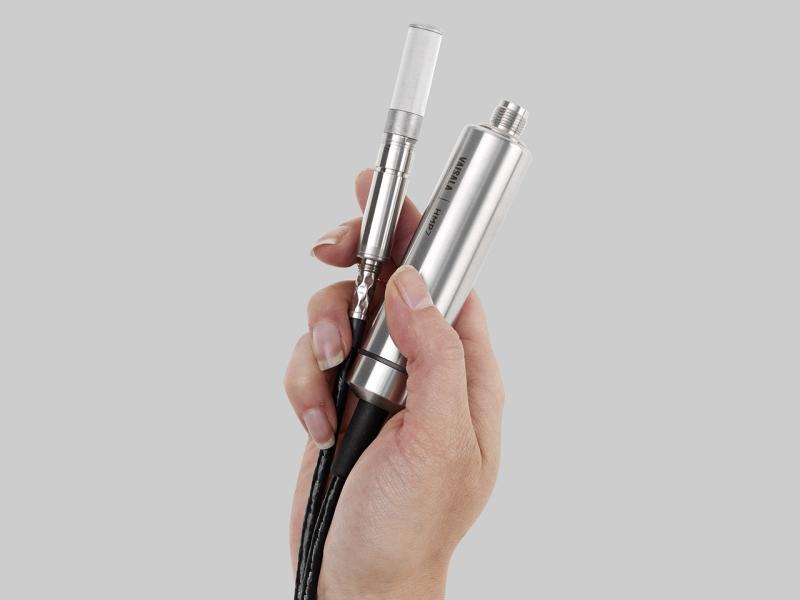
for high humidities
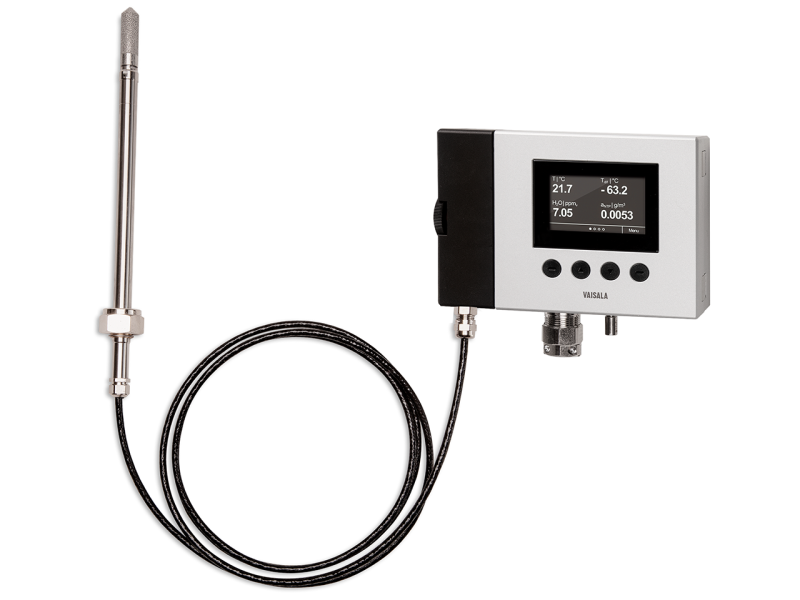
For use up to zone 0 and 20

How infrared sensors work, temperature/pressure/humidity compensation, and transmitter placement.
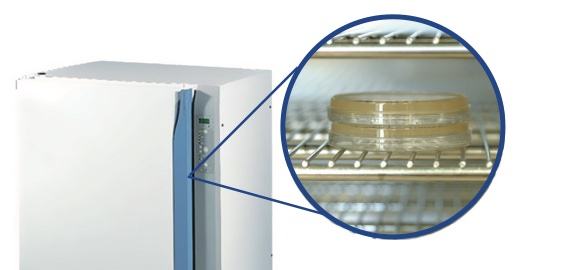
Why CO2 is critical in cell culture, the risk of condensation when measuring in high humidity and temperature, and why sterilization without removing…

Why O2 is lowered and CO2 raised in controlled-atmosphere rooms, and which instruments withstand the cold and high humidity of this environment.

What equilibrium sampling is, why sensor heating can skew field measurements, and what range is needed for deep soil profiles.
A specialist replies with the solution, the instrument and the service that fit.
Instruments to quote
No instruments yet. An enquiry can be sent anyway: a specialist answers.