

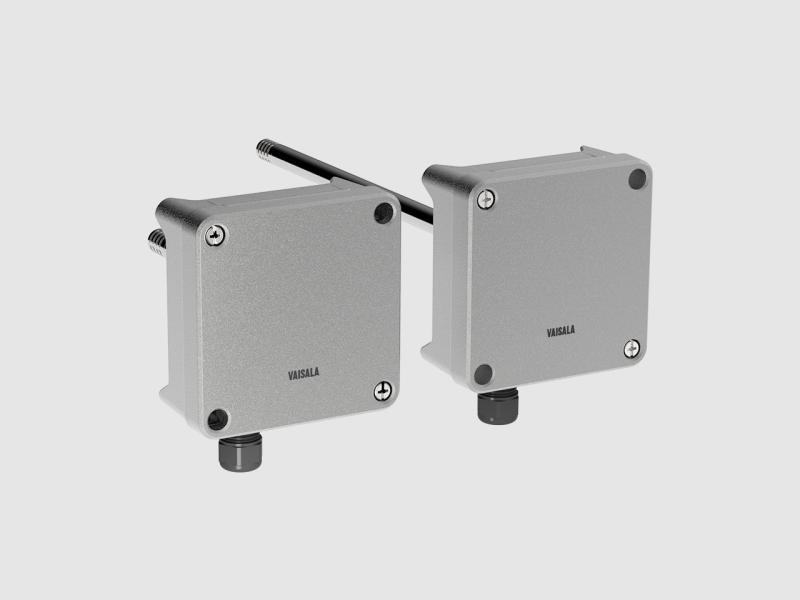
Duct Humidity and Temperature Transmitter HMD60
For high precision measurements in demanding HVAC applications
Application note
Another approach to preventing explosions is to install electrical equipment inside of “explosion proof” housings. These housings can withstand ignition of any explosive gases that may be present within the housing, eliminating the propagation of flames into the hazardous environment.
Explosion proof systems can be large, heavy, and expensive. Intrinsically safe systems offer a variety of advantages over explosion proof systems. However, intrinsic safety is only feasible for low voltage devices that require limited power (instrumentation, thermocouples, etc.). High voltage, high power devices cannot be intrinsically safe by their very nature.
An intrinsically safe (IS) system includes the IS device that is located in the hazardous environment, a power limiting device (IS barrier or galvanic isolator) located in a nonhazardous area, and the associated wiring.
IS devices typically operate on low voltage DC and consume less than 1 watt of power. For a manufacturer to achieve IS certification of a device, the design and the apparatus itself must be inspected and approved by an appropriate regulating authority ( for example, FM, CSA, PTB). When IS devices are correctly installed and connected, they are incapable of creating sparks or heat that could cause ignition of the hazardous environment.
IS devices must always be connected to power limiting devices, such as intrinsically safe barriers or galvanic isolators. These barriers are located in a safe, non-explosive environment. They are placed between the electrical power supply and the IS device. Their purpose is to limit the voltage and current available to the IS device that is in the hazardous environment.
Wire runs can change the electrical characteristics of a circuit and must therefore be considered as part of the overall system. Wiring of IS systems must be done according to standards created by regulating authorities.
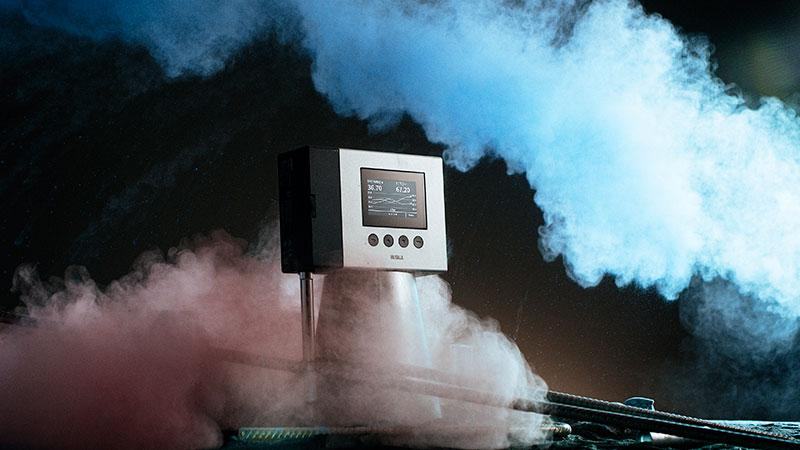
The elements of IS systems can be organized in several different ways. For example, IS barriers may be incorporated within an instrument, such as a humidity transmitter with a remote sensor. The electronic portion of this instrument would be installed in a safe environment and the remote probe installed in the hazardous environment. Such a system would include all of the necessary elements for an IS installation and would free the user from having to specify and acquire IS barriers. However, the electronic portion of the instrument could never be mounted in a hazardous location, seriously limiting the flexibility of installation.
Another approach is to separate the IS barriers from the instrument. This is how Vaisala’s IS humidity instruments are designed. In this case, the entire instrument and probe can be mounted anywhere within the hazardous environment. Power and signal wires terminate at the IS barriers in the safe environment. This allows for flexibility in installation, but it also requires that the user specifies and acquires barriers that are appropriate for the installation.
Learn more about Vaisala's intrinsically safe humidity transmitters
For high precision measurements in demanding HVAC applications
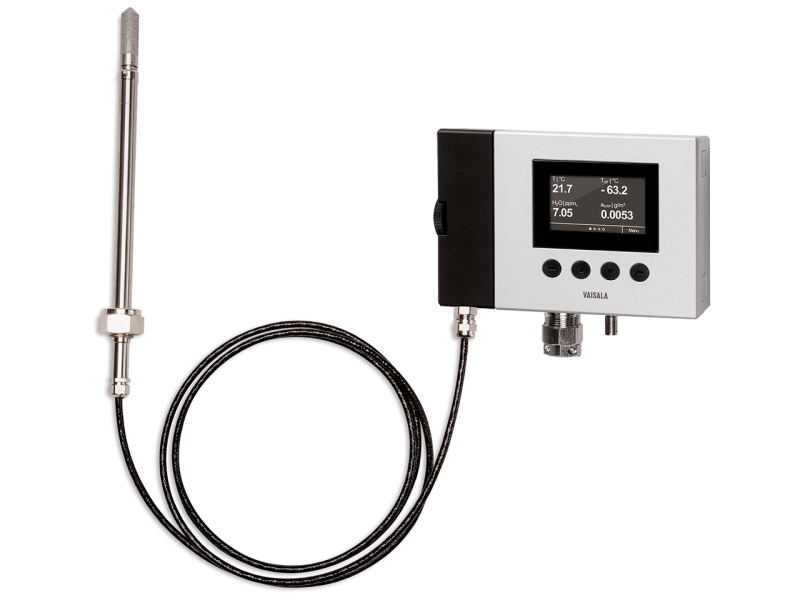
For use up to zone 0 and 20
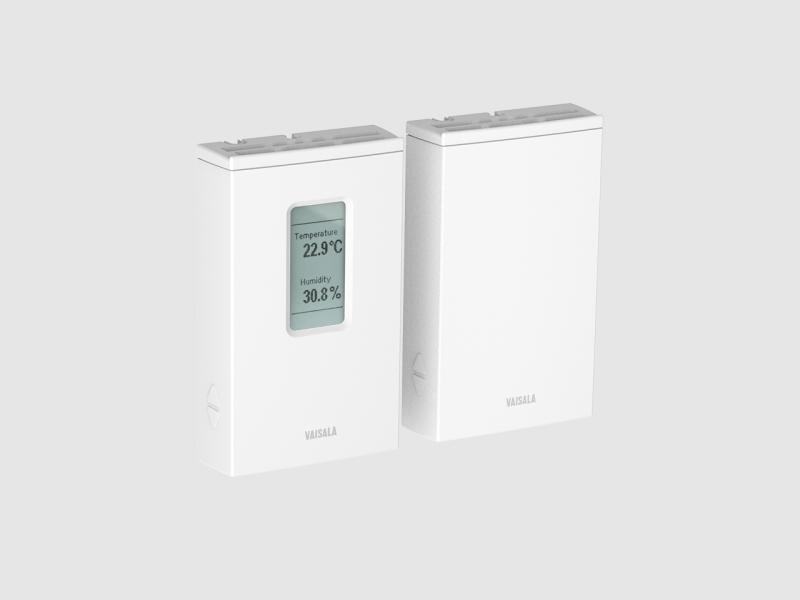
±1.7%RH wall transmitters with a certificate for demanding HVAC
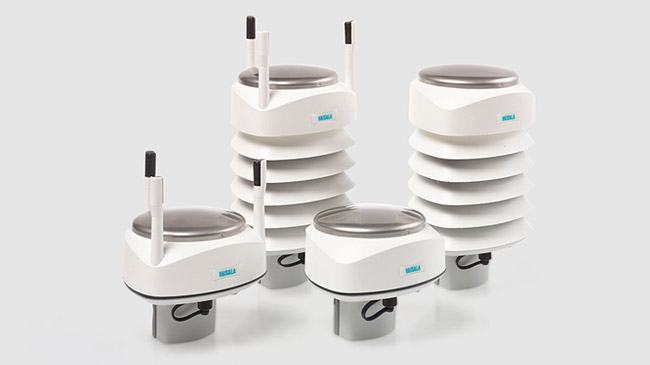
Vaisala Weather Transmitter WXT530 series is a unique collection of cost-effective sensors that accurately and reliably measure weather conditions…
Vaisala Weather Transmitter WXT530 series is a unique collection of cost-effective sensors that accurately and reliably measure weather conditions…
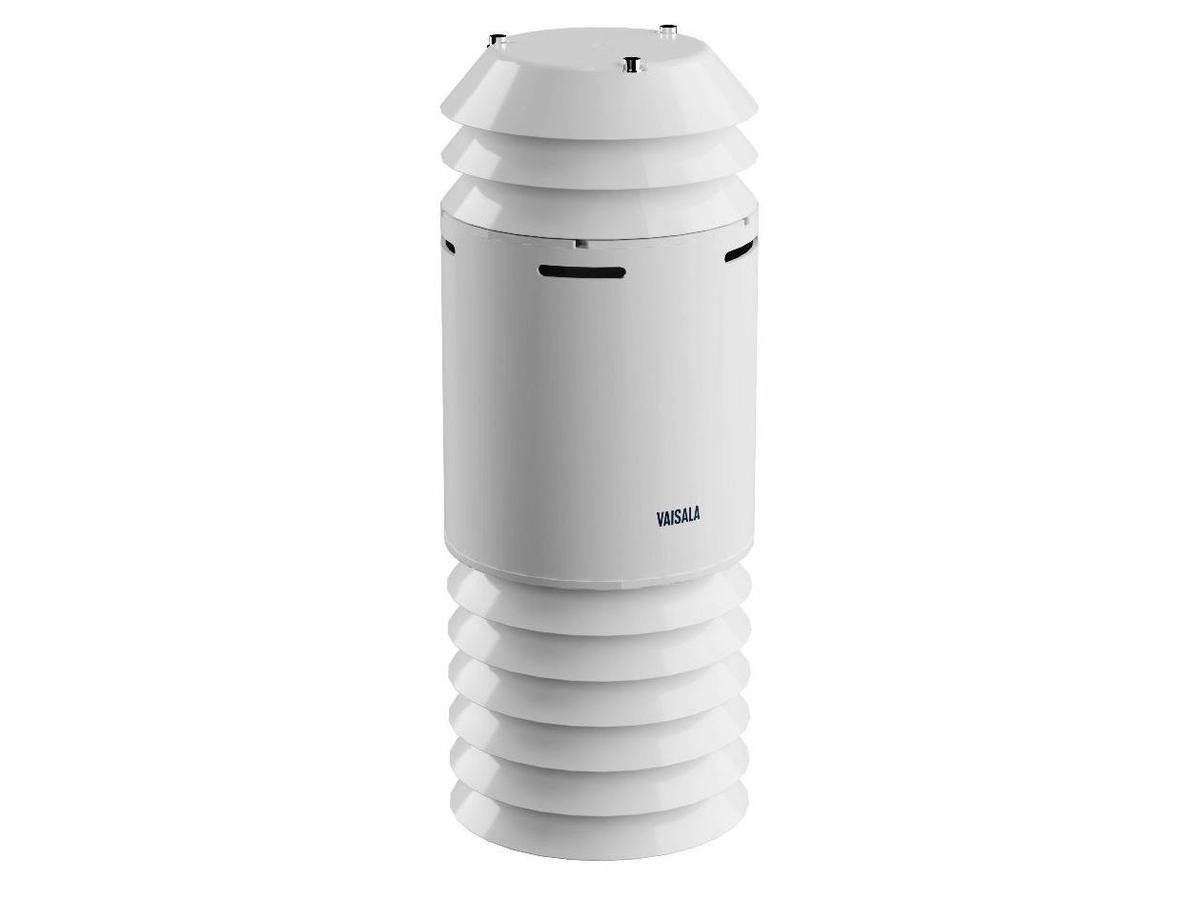
Vaisala Air Quality Transmitter AQT560 measures particles (PM10, PM2.5 and PM1) and the gases NO2, NO, O3 and CO in one compact, plug-and-play…
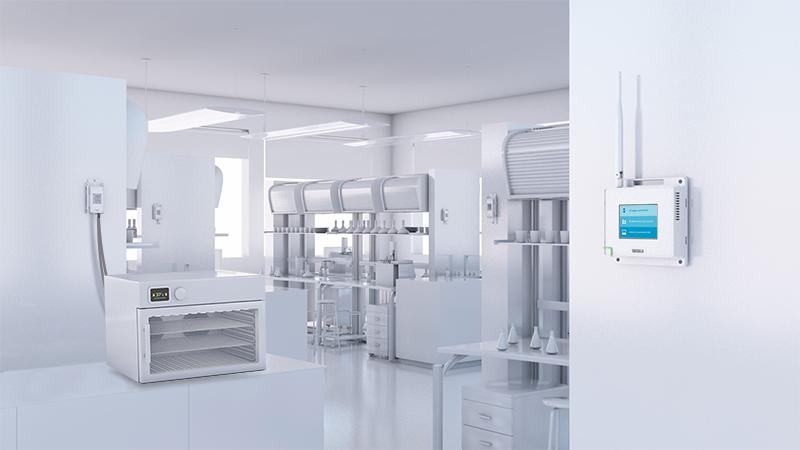
The Vaisala viewLinc Monitoring System tracks environmental conditions wirelessly using Vaisala’s VaiNet wireless devices based on LoRa®* technology…

One of the most important requirements to reduce cooling costs is to measure conditions properly in the first place. The first things to consider are:
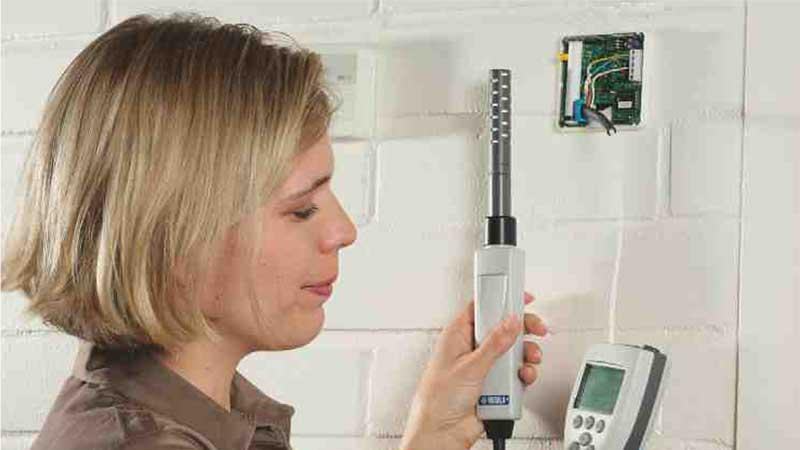
Carbon dioxide and other gases consisting of two or more dissimilar atoms absorb infrared (IR) radiation in a characteristic, unique manner. Such…
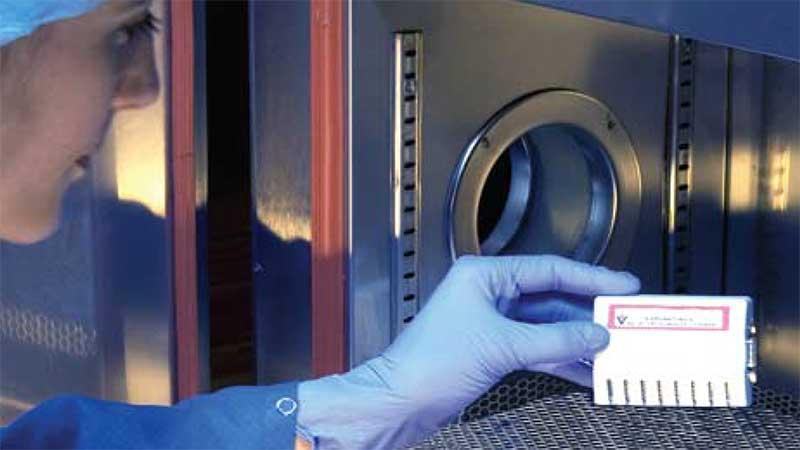
First, define the objective of the validation in writing, creating an outline of the methods to be used, and list any anticipated barriers. In most…
A specialist replies with the solution, the instrument and the service that fit.
Products to quote
No products yet. An enquiry can be sent anyway: a specialist answers.