

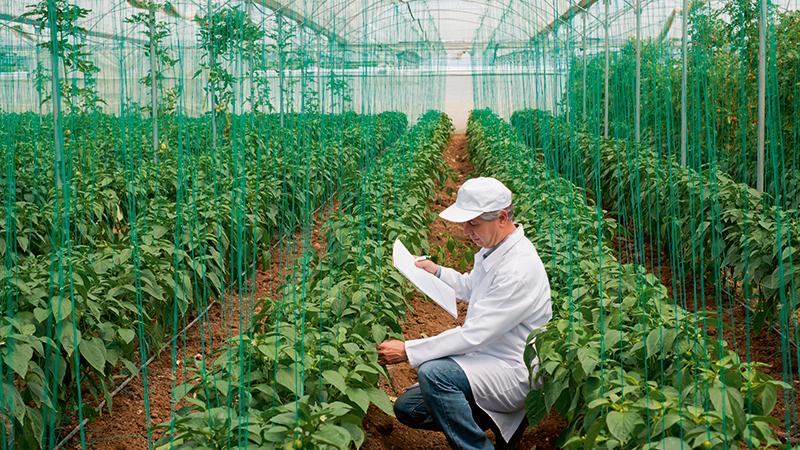
How to Measure Carbon Dioxide (CO₂)
How infrared sensors work, temperature/pressure/humidity compensation, and transmitter placement.
Application note
A transformer near the end of its service life poses an uncomfortable question: how much longer can it operate safely? This case — documented by Vaisala with a utility in the Southern United States — shows how online DGA monitoring turned that question into an informed decision. The asset: a 100 MVA transmission transformer with a preventive autotransformer (PA), manufactured in 1958, nitrogen-blanketed and insulated with mineral oil, which operated reliably for 50 years.
For the general context of the technique — which gases are measured and why —, see the dissolved gas in oil instrumentation landing and the note on the role of online DGA monitoring.
The first gassing patterns appeared in 2010. In 2013, an unidentified event drove ethylene from 35 ppm to 100 ppm within weeks; 2017 brought another significant event. In 2018 the transformer was relocated and its oil degassed — and in May 2019 a problematic DGA sample appeared again. A visual scope inspection in October 2019 found carbon-like debris on the preventive autotransformer's surfaces, and that same month the gassing began escalating continuously.
The underlying problem was temporal resolution: with laboratory sampling every two weeks, the utility could not tell when each gassing event occurred, nor distinguish whether increases were gradual or driven by discrete incidents — exactly the information that defines a fault's severity.
In October 2019 a Vaisala Optimus™ OPT100 online DGA monitor was installed, replacing the biweekly sample with hourly data and operating alongside frequent laboratory sampling for validation. The gas signature was consistent: dominating ethylene (58.7 to 77.4%), methane (16.1 to 32.6%) and ethane (6.5 to 10.0%), with carbon monoxide and dioxide stable. Duval triangle and pentagon analysis indicated a T3 thermal fault — above 700 °C, in oil only, with no paper involvement.
The decisive information was not the level but the pattern: continuous monitoring showed the gassing was not growing incrementally but in clear steps — separate incidents, not continuous degradation — and with no correlation to load, which stayed at just 40% of nameplate rating. As a utility engineer summed it up: replacement was already in their minds, but they were able to demonstrate that the issue was evolving — not steady state.
Between October and December 2019 the T3 fault indicators remained stable. In January 2020 the monitor revealed accelerated, continuous gas formation: the fault had stopped evolving in incidents and was progressing steadily. With that picture — a very high risk of imminent failure — the transformer was permanently removed from service in early January, as a planned outage rather than an emergency.
The inspection after opening the tank confirmed the diagnosis: no obvious overheating in the main parts and no severe paper degradation, but severe carbonization on the lower and middle wood spacers adjacent to the preventive autotransformer core, in multiple zones — consistent with separate incidents and with fault spot temperatures above 700 °C. The case's conclusion: laboratory DGA can identify that a fault exists, but only continuous monitoring reveals the actual gassing pattern — and that pattern is what makes it possible to run an end-of-life asset safely, right up to the correct moment to retire it.
This technical content is based on the Vaisala case study "Using online DGA to safeguard a transformer's end-of-life operation". AKRIBIS is an authorized Vaisala partner for distribution and technical support in the region — explore the full Vaisala instrumentation line. To evaluate monitoring for critical or end-of-life transformers, consult a specialist.
How infrared sensors work, temperature/pressure/humidity compensation, and transmitter placement.
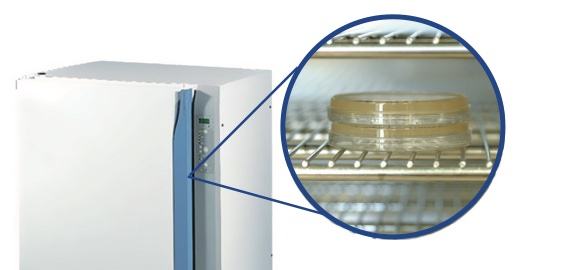
Why CO2 is critical in cell culture, the risk of condensation when measuring in high humidity and temperature, and why sterilization without removing…

Why O2 is lowered and CO2 raised in controlled-atmosphere rooms, and which instruments withstand the cold and high humidity of this environment.

What equilibrium sampling is, why sensor heating can skew field measurements, and what range is needed for deep soil profiles.
A specialist replies with the solution, the instrument and the service that fit.
Instruments to quote
No instruments yet. An enquiry can be sent anyway: a specialist answers.