

Application note
Application note
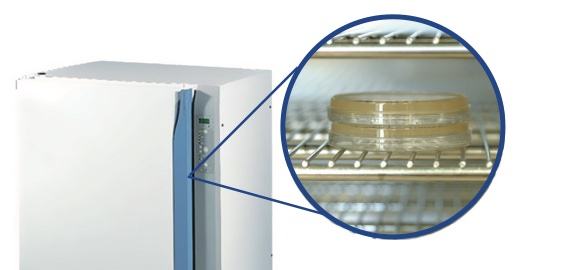
Cell culture incubators use CO2 to stabilize the culture medium's pH through a bicarbonate buffering system. This note focuses on the specific challenge of measuring CO2 inside an incubator; for the general principles of infrared measurement and temperature/pressure compensation, see the technical note on how to measure CO2.
The central challenge in this environment isn't the measurement principle itself, but the extreme conditions the sensor has to operate reliably in: heat, near-saturation humidity, and periodic sterilization cycles.
Most cell culture protocols keep the incubator within a range close to 5% CO2 (some up to 10%, depending on the culture medium used). That CO2 reacts with the medium's bicarbonate to keep the pH stable within the range cells need to grow normally.
A sustained deviation from that range — from a leak, a door that doesn't seal well, or a miscalibrated sensor — shifts the medium's pH and can affect culture viability and growth with no visible sign until the damage is already done. That's why sensor stability and accuracy matter as much here as in any industrial safety application.
A typical cell culture incubator operates at 37°C and relative humidity above 95% — conditions the culture needs, but demanding ones for any optical sensor. When a hot, humid gas sample moves to a cooler measurement point (for example, when a pump draws a sample out to a handheld meter), water vapor condenses on the sensor's optical surfaces and skews the reading.
There are two ways to solve this. The first is to measure by diffusion directly inside the chamber, without extracting the sample — avoiding the thermal jump that causes condensation. The second, when extractive sampling is needed (for example with a handheld verification meter), is to use humidity-selective tubing that removes water vapor from the sample before it reaches the measurement chamber.
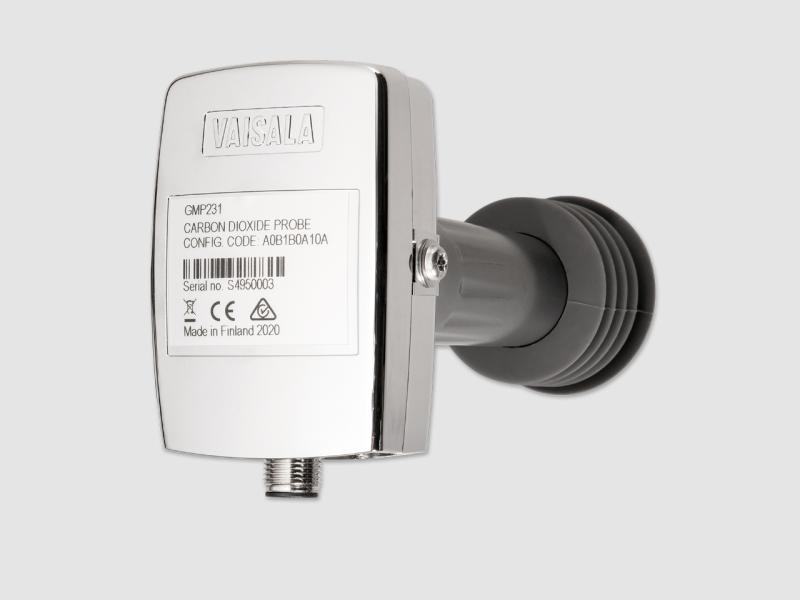
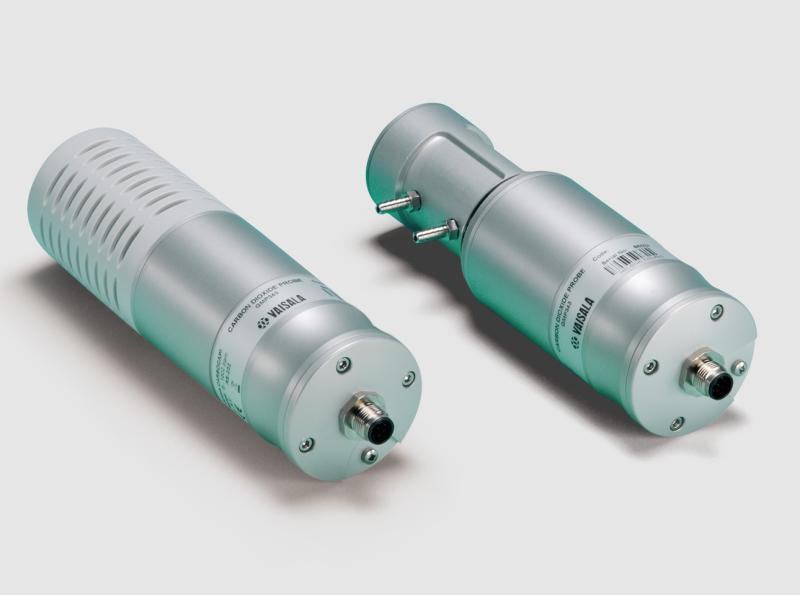
Vaisala CARBOCAP® probes designed for incubators, such as the GMP231, solve this with a heated sensor head that prevents condensation directly at the measurement point, with no need to extract the sample.
Life science incubators are periodically heat-sterilized to eliminate contamination between culture batches. Removing the CO2 probe for every cycle introduces a failure point — it has to be recalibrated or reinstalled, with a risk of damaging the sensor during reassembly.
The GMP231 probe is specifically designed to withstand the full sterilization cycle while installed in the equipment, rated for operation up to 180°C with 4-point traceable calibration. The incubator manufacturer integrates it once; the sensor stays in place for the equipment's entire service life.
This technical content is based on Vaisala's research on infrared CO2 sensors in incubators. AKRIBIS is an authorized Vaisala partner for distribution and technical support in the region — explore the full Vaisala instrumentation line.
for %-level measurements in life science incubators, cold storage facilities and all demanding applications
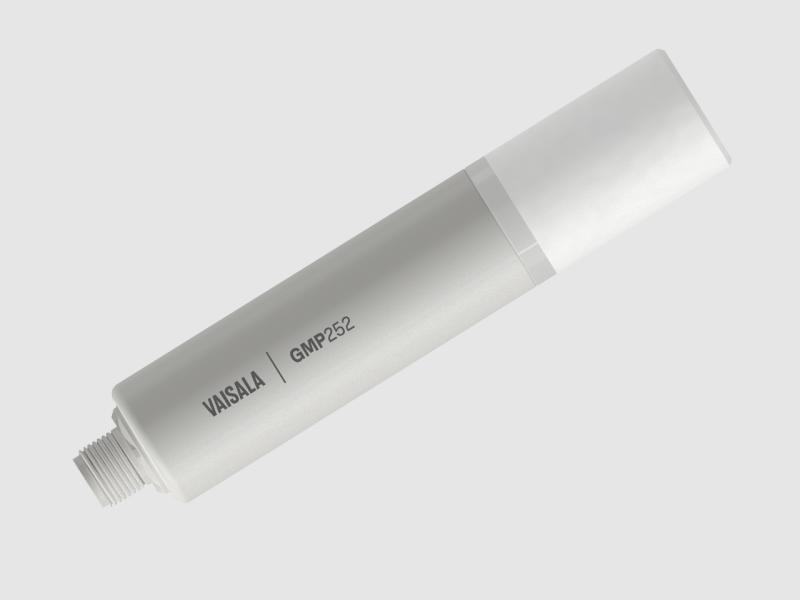
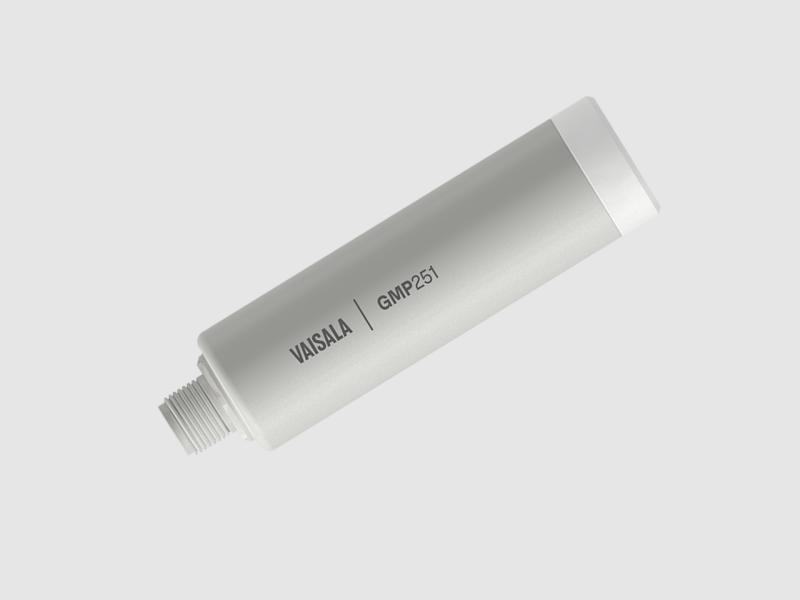
for ppm-level measurements in agriculture, refrigeration, demanding HVAC, and for plant growth manufacturers
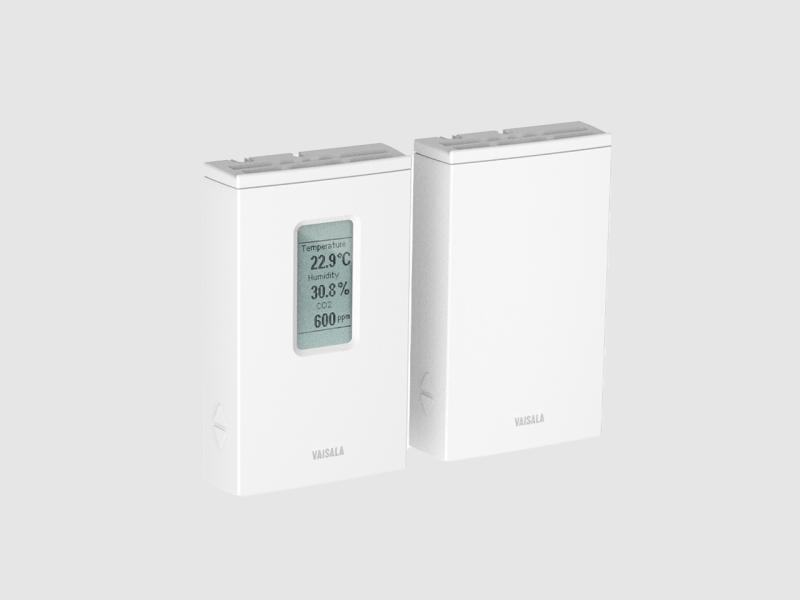
For high-accuracy measurements in HVAC applications
for CO₂ incubators
for %-level measurements in life science incubators, cold storage facilities and all demanding applications
for ppm-level measurements in agriculture, refrigeration, demanding HVAC, and for plant growth manufacturers
for demanding measurements
for green building projects
How infrared sensors work, temperature/pressure/humidity compensation, and transmitter placement.

Why O2 is lowered and CO2 raised in controlled-atmosphere rooms, and which instruments withstand the cold and high humidity of this environment.

What equilibrium sampling is, why sensor heating can skew field measurements, and what range is needed for deep soil profiles.

Why demand-controlled ventilation saves energy, and why sensor quality determines whether that ventilation works reliably.
A specialist replies with the solution, the instrument and the service that fit.
Instruments to quote
No instruments yet. An enquiry can be sent anyway: a specialist answers.