

Application note
Application note
Controlled-atmosphere (CA) storage adjusts the air composition — lower O2, higher CO2 than ambient air — to slow down the natural respiration of fruit and vegetables and extend their shelf life during long-term storage and transport. For the general principles of infrared CO2 measurement, see the technical note on how to measure CO2.
This note focuses on why CO2 is measured alongside O2 and humidity in this type of room, and on the particular challenge of instrumenting a cold, consistently high-humidity environment over time.
In a controlled-atmosphere room, O2 concentration is lowered and CO2 raised relative to ambient air, alongside strict temperature and relative humidity control. By reducing available oxygen and raising CO2, the respiration rate of the stored fruit or vegetable slows down and ripening is delayed — allowing the storage period to be extended significantly without loss of quality.
The balance is delicate: too little CO2 fails to achieve the intended effect, but an excess can cause physiological damage to the product (for example, internal browning or spotting in some apple varieties). That's why sensor accuracy and stability over the whole storage period — which can run for several months — matter as much here as in any industrial process application.
Controlled-atmosphere rooms typically operate near 0°C, with high relative humidity to prevent dehydration of the stored product. These are exactly the conditions under which many electronic sensors lose accuracy or suffer condensation on their optical components.
A probe designed for this environment needs a wide operating temperature range (including sub-zero temperatures), a housing rating suited to humidity and dust, and internal compensation for temperature, pressure and humidity so the CO2 reading stays stable throughout the whole storage cycle.
Vaisala's GMP251 probe is designed specifically for this type of environment: it measures CO2 at percentage level (0–20%), operates from -40°C to +60°C, carries an IP65 housing rating, and compensates internally for temperature, pressure, background gases and humidity. Its heated sensor head prevents the condensation typical of a cold, humid environment.
For continuous monitoring with data logging and alerts, that same reading can be integrated into a monitoring system — relevant both inside the storage room and during refrigerated transport.
This technical content is based on Vaisala's research on CO2 instrumentation for food storage and transport. AKRIBIS is an authorized Vaisala partner for distribution and technical support in the region — explore the full Vaisala instrumentation line.

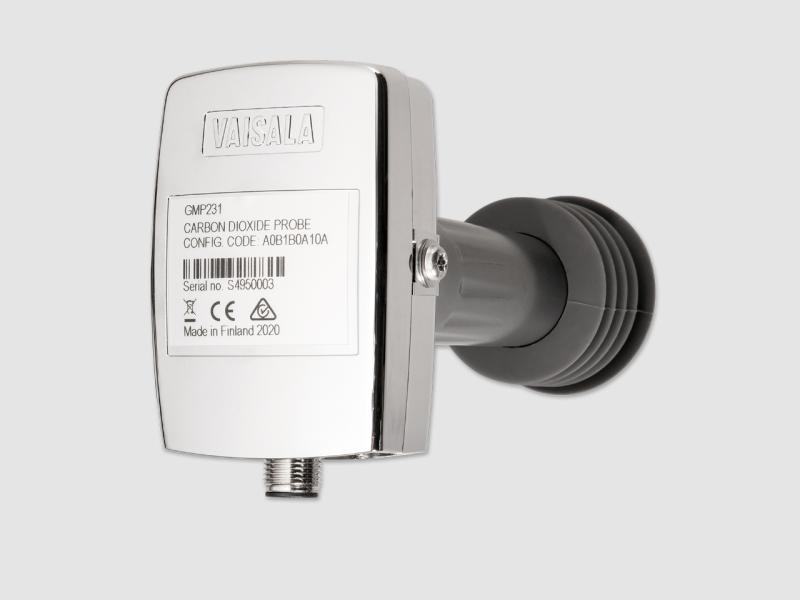
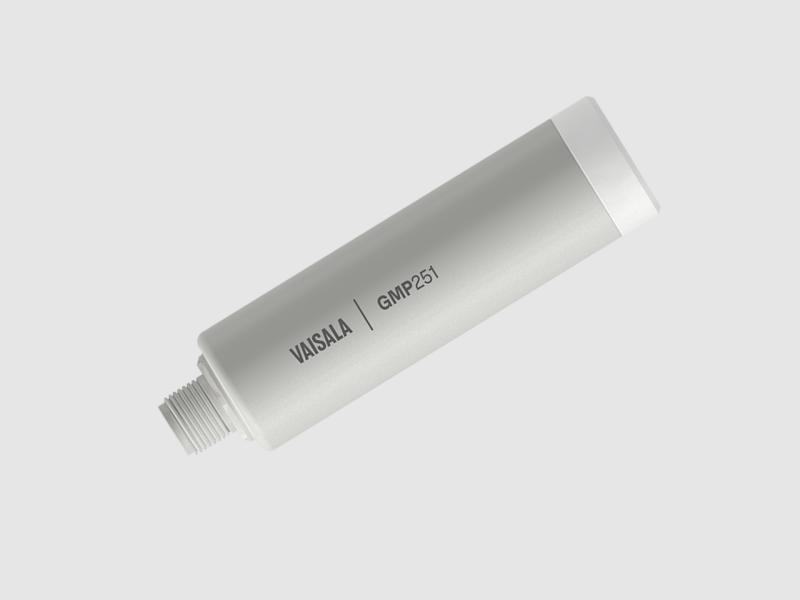
for %-level measurements in life science incubators, cold storage facilities and all demanding applications
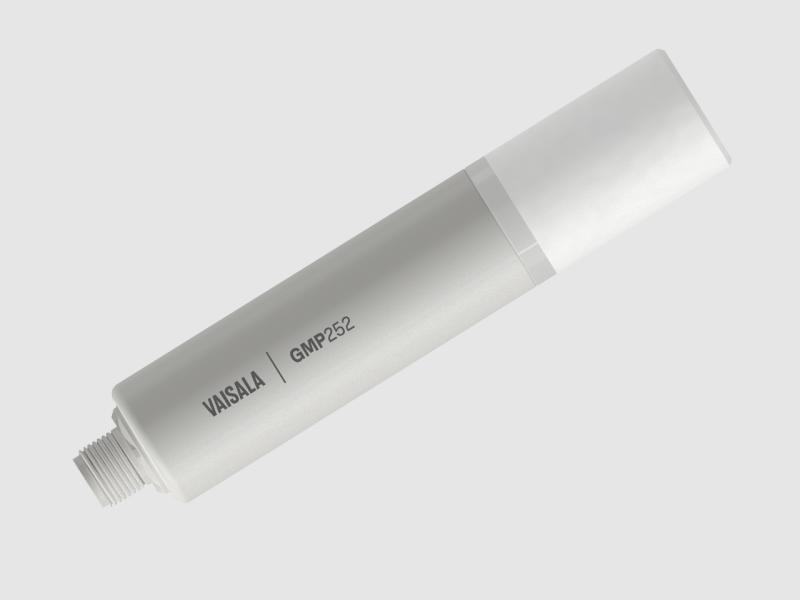
for ppm-level measurements in agriculture, refrigeration, demanding HVAC, and for plant growth manufacturers
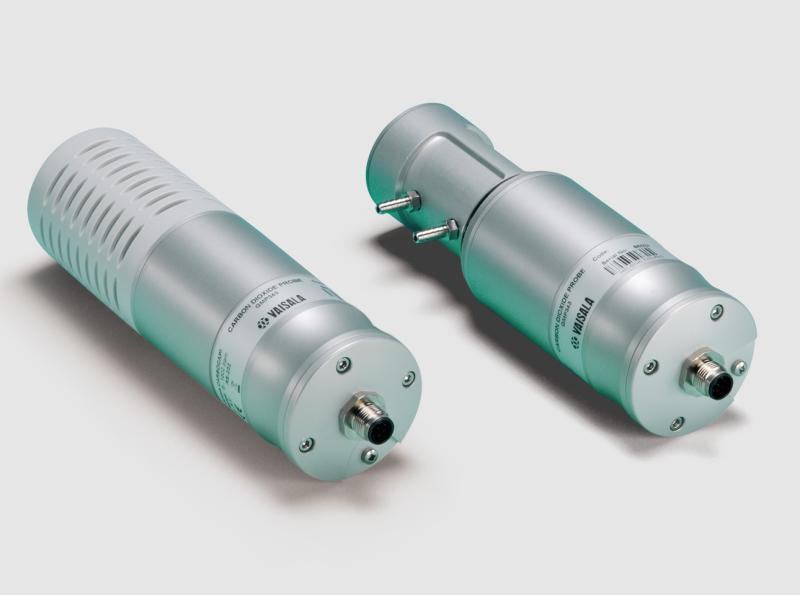
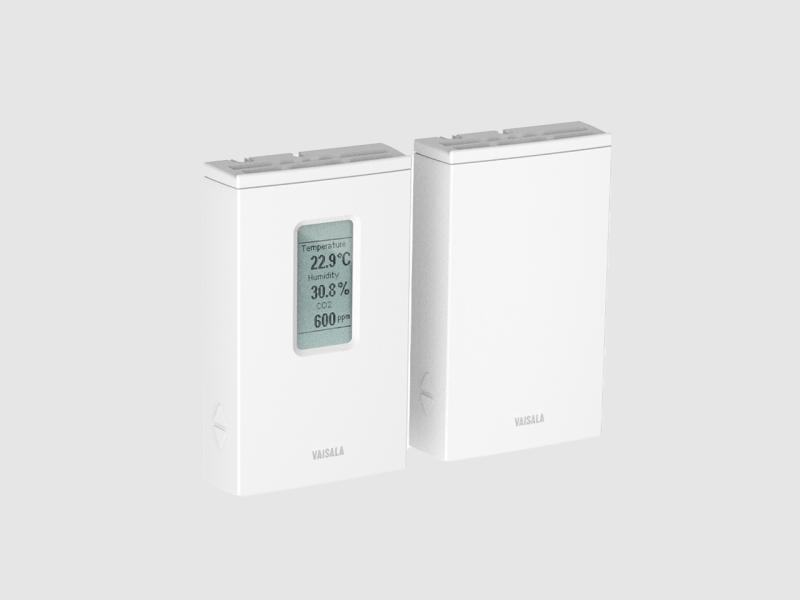
For high-accuracy measurements in HVAC applications
for CO₂ incubators
for %-level measurements in life science incubators, cold storage facilities and all demanding applications
for ppm-level measurements in agriculture, refrigeration, demanding HVAC, and for plant growth manufacturers
for demanding measurements
for green building projects
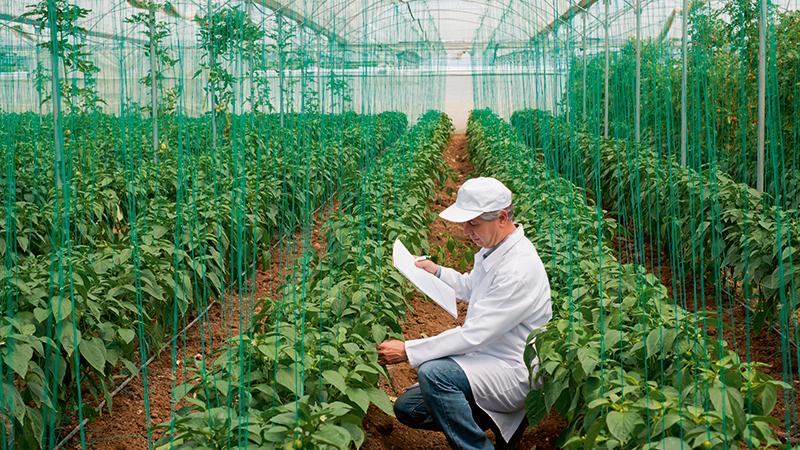
How infrared sensors work, temperature/pressure/humidity compensation, and transmitter placement.
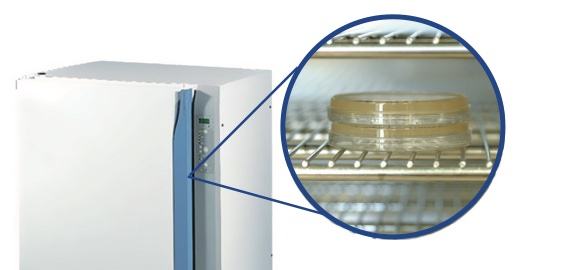
Why CO2 is critical in cell culture, the risk of condensation when measuring in high humidity and temperature, and why sterilization without removing…

What equilibrium sampling is, why sensor heating can skew field measurements, and what range is needed for deep soil profiles.

Why demand-controlled ventilation saves energy, and why sensor quality determines whether that ventilation works reliably.
A specialist replies with the solution, the instrument and the service that fit.
Instruments to quote
No instruments yet. An enquiry can be sent anyway: a specialist answers.