

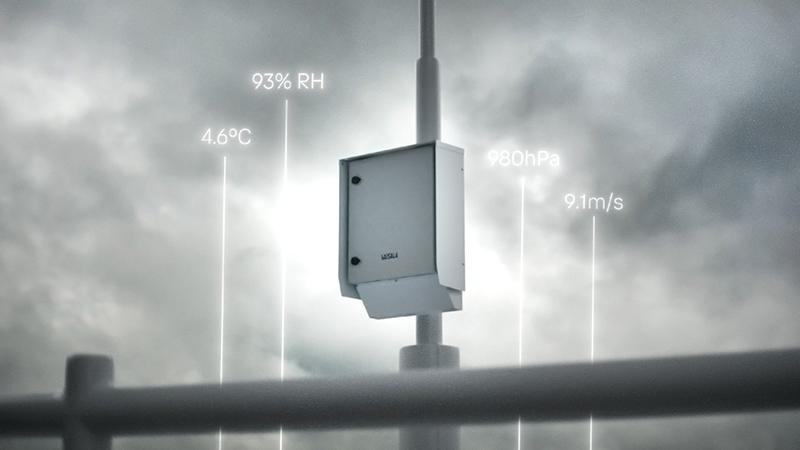
Maritime Observation System AWS430
Our next-generation, cyber secure and modular Maritime Automatic Weather Station AWS830 is engineered for harsh marine environments and compliant…
Application note
Intuition is a mighty tool in the armory of any skilled mariner. But while a trusty pair of binoculars and a glance out of the window have long served many a harbor master well, today’s complex and busy port operations demand far more. The real-time and accurate local weather and sea-state information provided by modern maritime weather monitoring systems reduces the uncertainty and risks associated with making operational decisions based on intuition alone, in and around the port.
Weather monitoring systems, such as those offered by Vaisala, provide local real-time data collection, intuitive display software, data storage and management. They also facilitate access to real-time and historical weather information for all necessary parties, from ships’ captains and tug masters to crane operators and mooring teams.
What to monitor, where, and how will depend on the characteristics of the port in question. Especially where large tanker operations are the case, reliable and accurate measurement of visibility, wind direction and speed are critical to ensuring navigational safety. In addition, oceanographic measurements such as current, wave height, sea level, and salinity can all be part of a modern system supporting complex port environments.
Confident operational decision making is enabled by reliable meteorological data. The heart of any system is the weather station, which collects, processes, and communicates the information from the connected measurement equipment. Offerings such as the Vaisala AWS430 Maritime Observation System provide a wide range of meteorological and statistical calculation options and integrate all essential weather measurements into one single system and data stream.
For oil and gas operations, and liquid natural gas (LNG) transportation in particular, severe weather – especially lightning – can present a significant safety risk when vessels are in port loading or unloading their dangerous cargo. This is true no only within the harbor, but also for the approach and surrounding area as well as the community at large.
The danger posed by lightning was brought into sharp focus in 2011, when the Malaysian-operated tanker Bunga Alpinia was struck while taking on board a cargo of methanol at the Petronas Chemicals Methanol Sdn Bhd terminal in the South China Sea. The resulting explosion led to five fatalities, a significant environmental threat to the surrounding area, and the almost total destruction of the vessel.
A reliable lightning detection system would have provided advance warning of the potential danger and could have ensured that sensitive operations were halted prior to lightning threatening the safety of the operation.
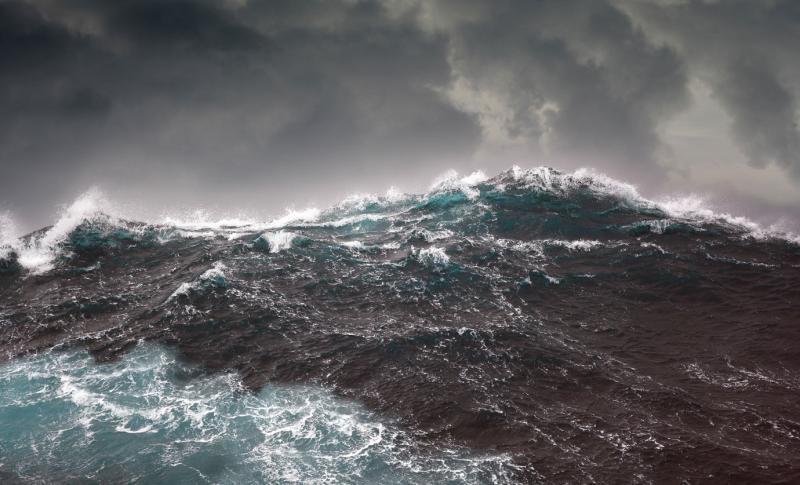
Prevention is the keyword. With a modern weather monitoring system in place, weather-critical operations can be carried out when conditions are optimal and halted when there is a safety risk. Lightning poses an explosion risk, and approaching storms and high winds can interfere crane operations, preventing loading and unloading.
Accurate weather information and forecasting not only ensure the safest possible operation portside, they also enhance the attractiveness of the terminal to potential customers. In an increasingly competitive market, a comprehensive weather monitoring system can give a port that extra edge.
While real-time weather information is not critical for all harbor operations – passenger ferries and hard-cargo vessels, for example, can often operate in even the most demanding conditions – it is a critical resource in the case of emergency situations, in terms of determining liability and processing insurance claims.
One of the major challenges faced by port operators when deciding to implement weather observation systems is how to gain a better understanding of the weather in relation to their specific environment. How does it affect operations and, therefore, what should be measured, where, and how? This is where close collaboration with a knowledgeable partner is extremely valuable, particularly when it comes to determining the optimal location for sensor equipment and predicting the behavior of the potential parameters to be measured.
For oil and gas operations, and again LNG in particular, a supplier with an in-depth knowledge of electrical storm behavior and detection, and the capability to support Exi areas – also known as hazardous locations or explosive atmospheres – is critical to ensuring safety and enabling effective planning of operations. As demonstrated by the case of the Bunga Alpinia, and as gas-related operations expand and become more complex, a reliable lightning detection system is fast becoming a fundamental tool.
Services such as the Vaisala Global Lightning Dataset GLD360 can be combined with local lightning sensors, displays, and alarms for on-site lightning detection. A comprehensive system like this will provide early warning and tracking of thunderstorm movement.
It’s certainly not time just yet to pack away the binoculars and dismiss the keen intuition that years of experience bring, but for port operators, a modern and accurate maritime observation system provides a crystal-clear picture of the conditions out on the water and sky – whatever the weather. And that means plainer sailing for everyone.
Our next-generation, cyber secure and modular Maritime Automatic Weather Station AWS830 is engineered for harsh marine environments and compliant…
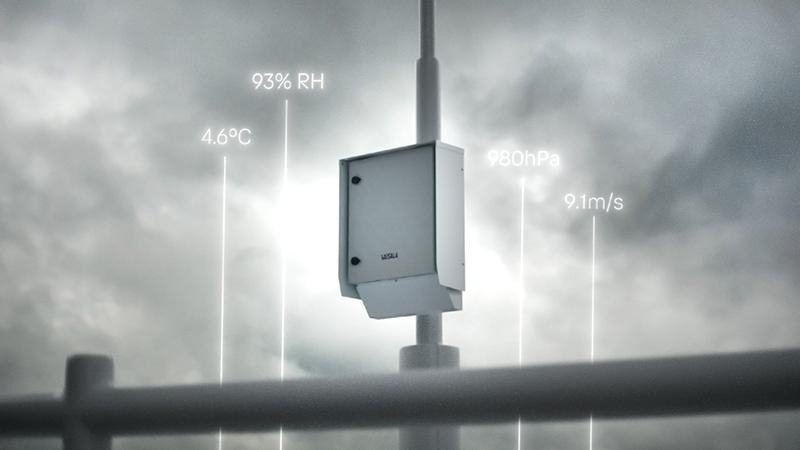
Vaisala Maritime Automatic Weather Station AWS830 delivers accurate, always‑on weather, environmental, oceanographic, and motion data for demanding…
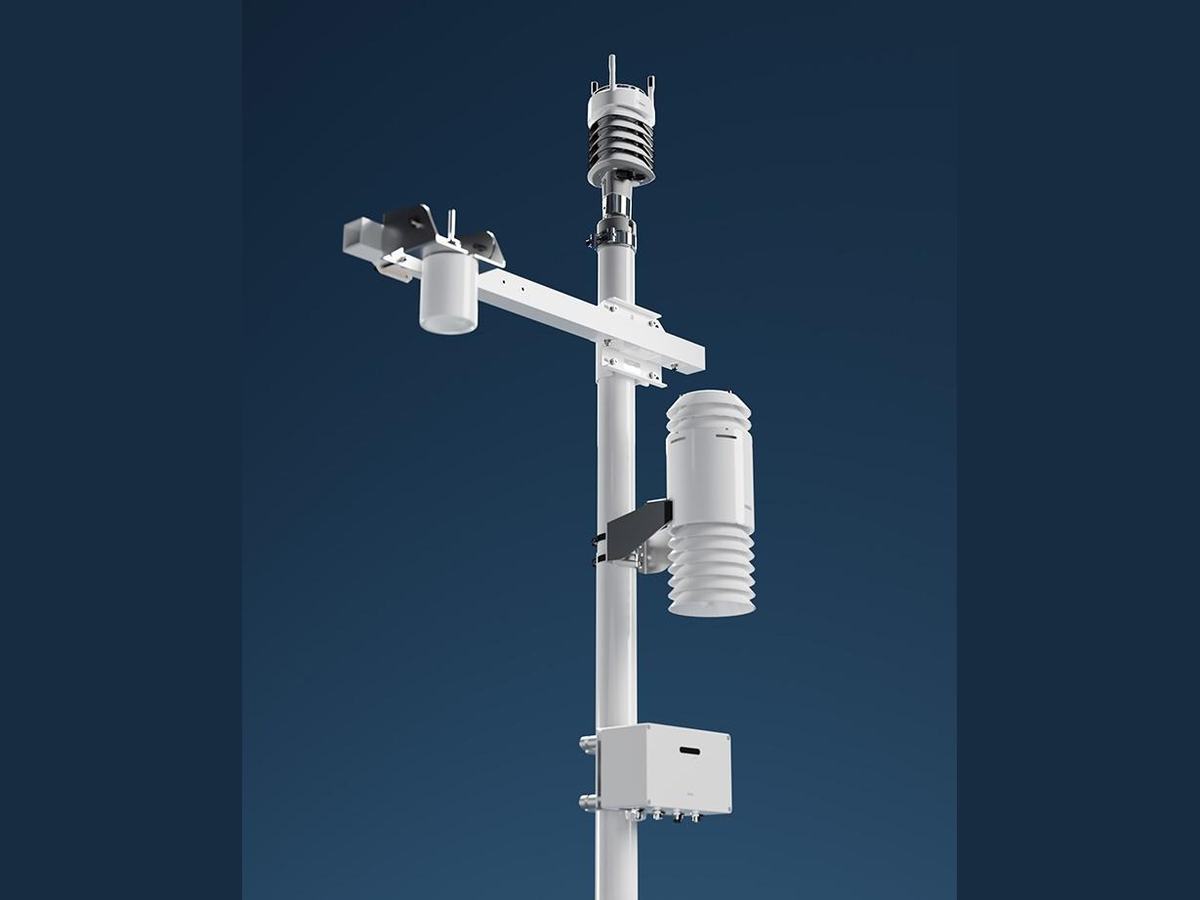
Vaisala Beam Weather Station BWS500 is a compact, scalable station for weather, air quality and road condition data, from a single standalone station…
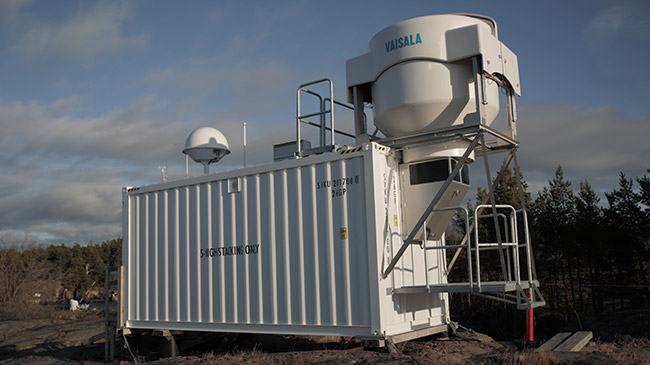
Upper air soundings provide the crucial data necessary for a complete atmospheric weather profile that leads to accurate forecasting. However…
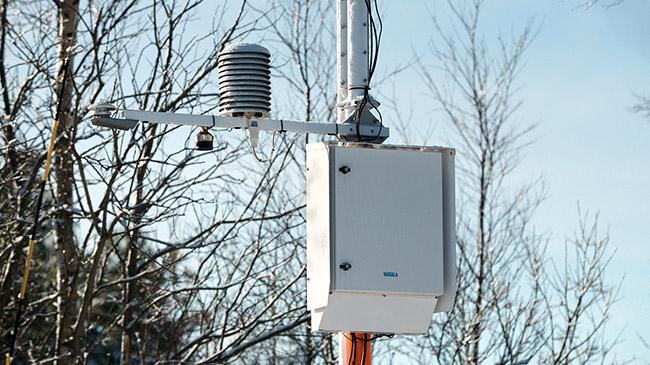
Vaisala Automatic Weather Station AWS310 is a complete communication and weather observation solution that can be used as a standalone unit, or as…
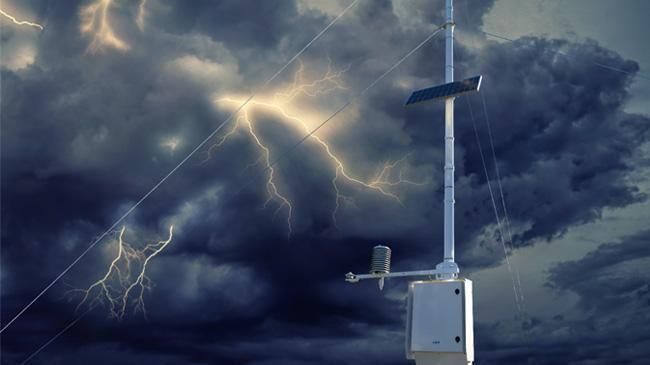
The Vaisala Automatic Weather Station AWS810 enables modern, high-quality surface weather observation networks anywhere in the world.
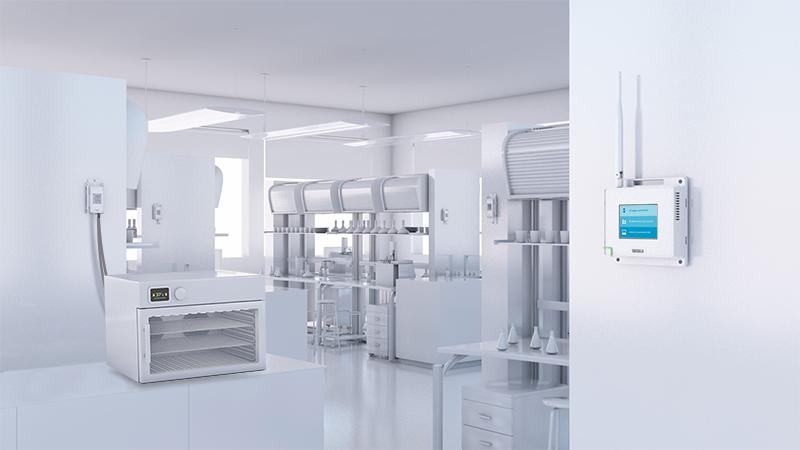
The Vaisala viewLinc Monitoring System tracks environmental conditions wirelessly using Vaisala’s VaiNet wireless devices based on LoRa®* technology…
One of the most important requirements to reduce cooling costs is to measure conditions properly in the first place. The first things to consider are:
Carbon dioxide and other gases consisting of two or more dissimilar atoms absorb infrared (IR) radiation in a characteristic, unique manner. Such…
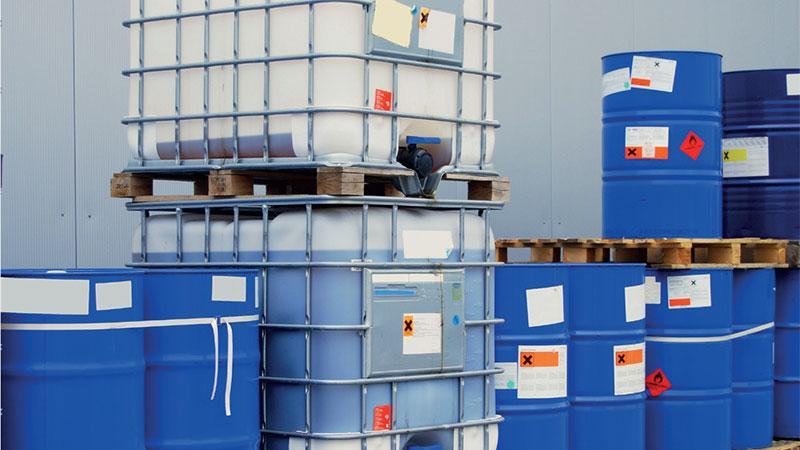
Another approach to preventing explosions is to install electrical equipment inside of “explosion proof” housings. These housings can withstand…
A specialist replies with the solution, the instrument and the service that fit.
Products to quote
No products yet. An enquiry can be sent anyway: a specialist answers.