

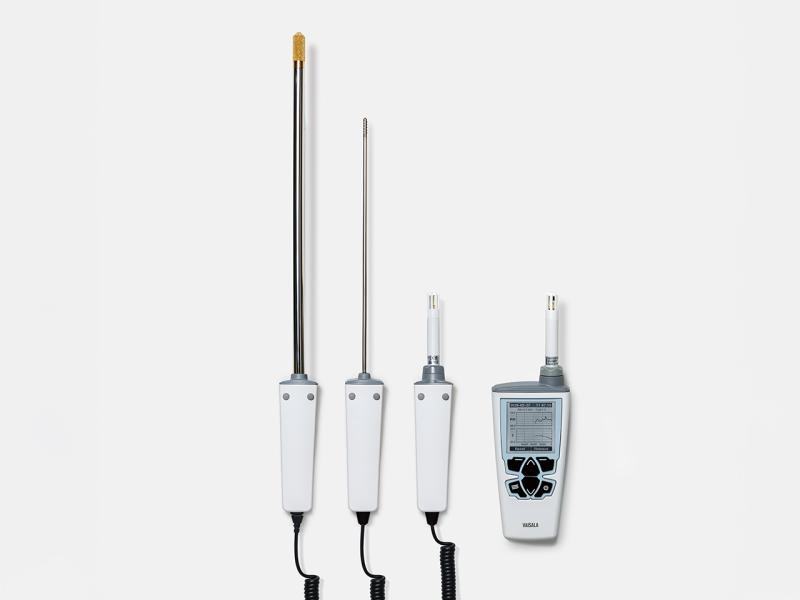
Hand-Held Humidity and Temperature Meter HM40
for quick inspections and spot-checking
Application note
Carbon dioxide is perhaps better known for its harmful effects on health and as one of the greenhouse gases contributing to global warming, than for its beneficial effects in the more traditional types of greenhouse. CO2 is the ‘fuel’ for photosynthesis, a process by which plants convert solar energy into biomass. It is an important growth factor beside warmth, light, nutrients and water in greenhouse cultivation. Consequently, carbon dioxide fertilization is essential for any greenhouse that aims for better productivity.
Carbon dioxide fertilization is an efficient and safe way of ensuring high-class products and good yield. Its principle is very simple. The CO2 concentration is monitored and adjusted in greenhouses to enhance photosynthesis in the plants. This is very important, especially in that period of the year when there is very little light.
Optimized CO2 concentrations not only raise productivity considerably (by as much as 40 % in the darkest time of the year), but also improve, for example, the quality of the cucumbers. If the CO2 level is ideal in the greenhouse, the plants will produce nice produce of uniform quality that will qualify for the best class.
Vaisala Carbon Dioxide Probe GMP252 is ideal for monitoring the CO2 concentrations at greenhouses. Designed for harsh and humid environments, the GMP252 has a dustproof and waterproof housing (IP65/NEMA4) with high corrosion resistance. The greenhouse control system that automatically controls and adjusts the CO2 concentration can be equipped with the CO2 probe. When greenhouses have several measurement points for CO2 readings, the right concentration is shown throughout the greenhouse.
When the CO2 concentration falls below the ideal level in the greenhouse, more carbon dioxide is automatically fed in through a system of pipes and nozzles. To distribute it evenly, the nozzles are located in several points of the greenhouse at a distance of two meters from each other. The CO2 is either produced by a liquid gas fuelled boiler or is administered in pure form. It is essential to maintain the right level, which lies in the range of 800 to 1000 ppm, as too high concentrations can have an adverse effect on the plants. The optimal temperature in the greenhouse depends on the plant species grown and the desired level of photosynthetic activity varying between 15–24 °C (60–75 °F). Also optimal relative humidity depends on the plant species grown with a typical range varying between 50% and 70%. The interaction of all growth factors must be taken into account to ensure the wellbeing of the plants.
The CO2 fertilization also works in the dark season, enhancing the effect of artificial light, thus compensating for the lack of light that would otherwise hamper plant growth. This is crucial in greenhouse cultivation, especially up in Northern Europe. With the right CO2 concentration, the plants will start producing earlier than they normally do. This fertilization method produces no toxic by-products and creates no excessive moisture. Rather, it produces healthy plants and a good yield.
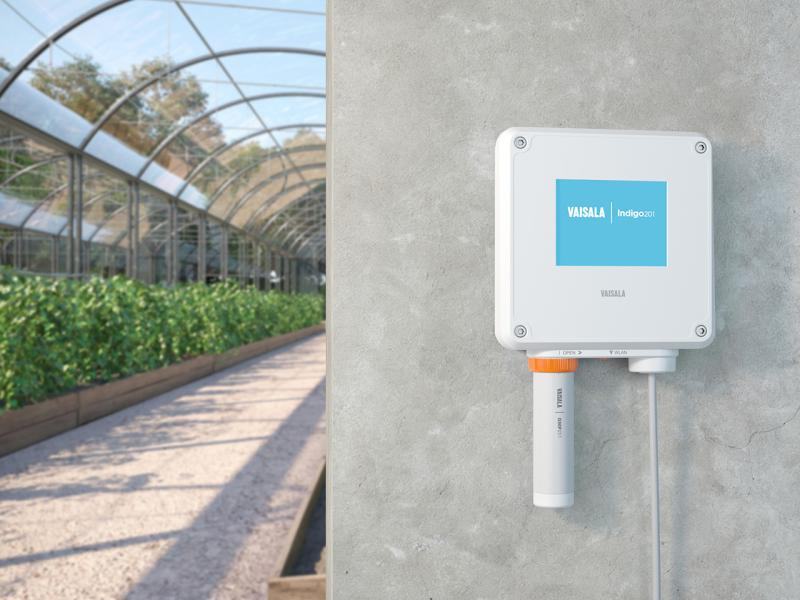
GMP252 is an intelligent, stand-alone probe with analog (V, mA) and digital outputs (RS485 with Vaisala protocol or Modbus). The GMP252 probe can be connected to the Indigo 200 Series host device to extend its features, for example, for a display or relays.
for quick inspections and spot-checking
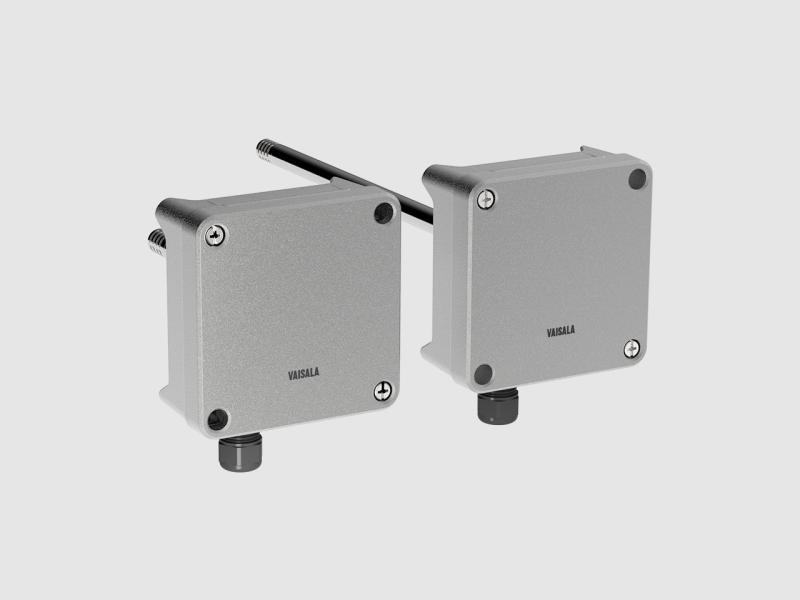
For high precision measurements in demanding HVAC applications
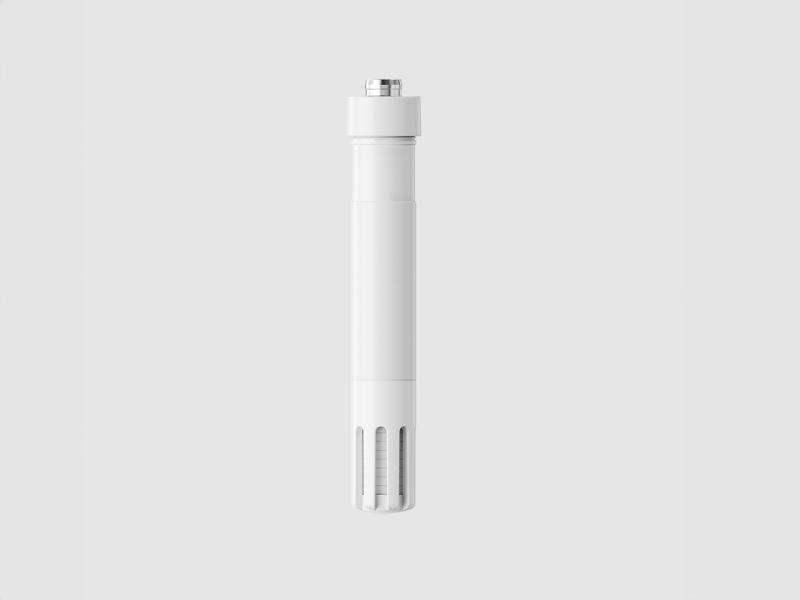
The Vaisala HUMICAP® Humidity and Temperature Probe HMP113 is a highly accurate and cost-effective humidity probe with a plastic enclosure. It has…
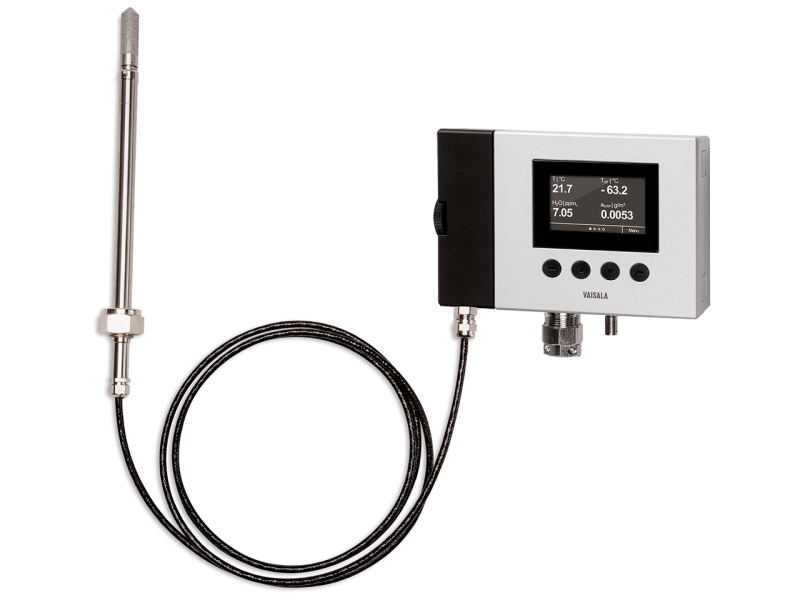
For use up to zone 0 and 20
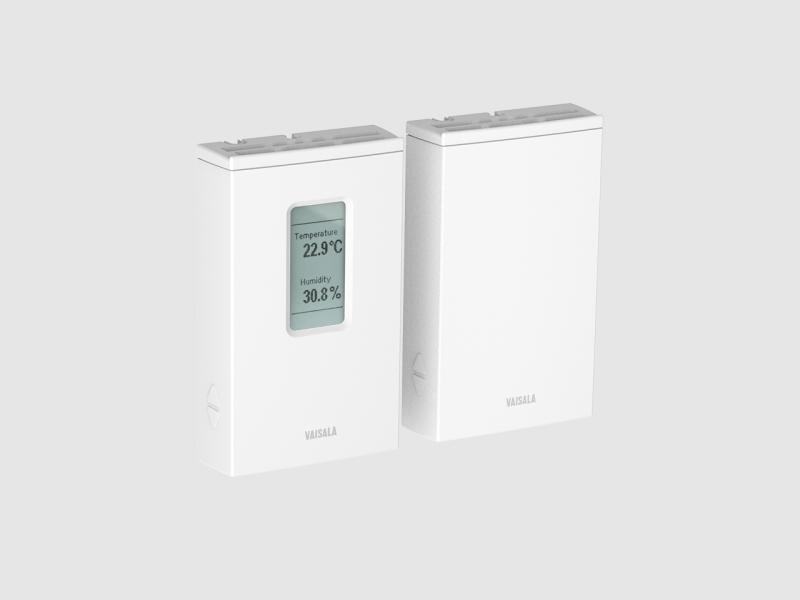
±1.7%RH wall transmitters with a certificate for demanding HVAC
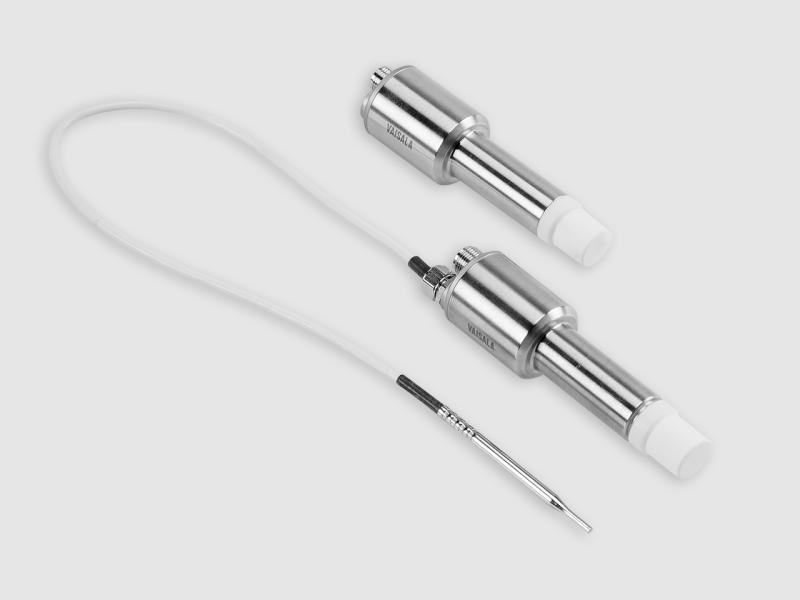
for bio-decontamination processes
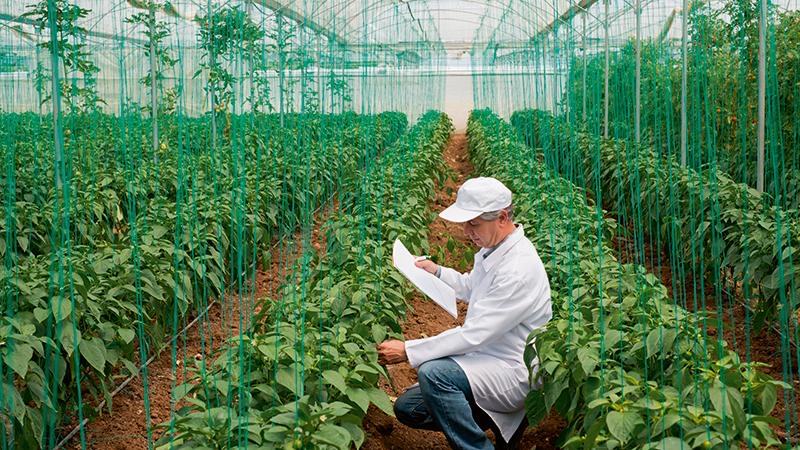
How infrared sensors work, temperature/pressure/humidity compensation, and transmitter placement.
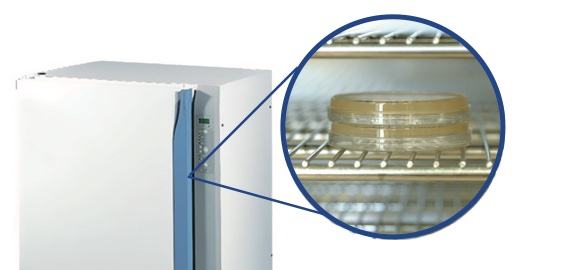
Why CO2 is critical in cell culture, the risk of condensation when measuring in high humidity and temperature, and why sterilization without removing…
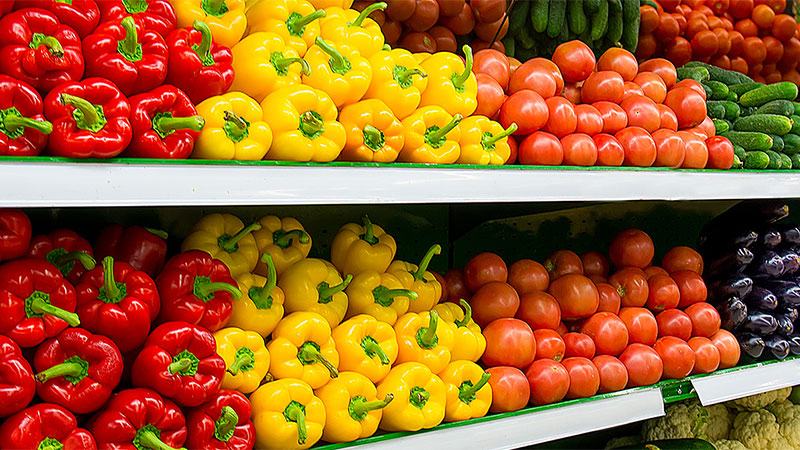
Why O2 is lowered and CO2 raised in controlled-atmosphere rooms, and which instruments withstand the cold and high humidity of this environment.

What equilibrium sampling is, why sensor heating can skew field measurements, and what range is needed for deep soil profiles.
A specialist replies with the solution, the instrument and the service that fit.
Instruments to quote
No instruments yet. An enquiry can be sent anyway: a specialist answers.