

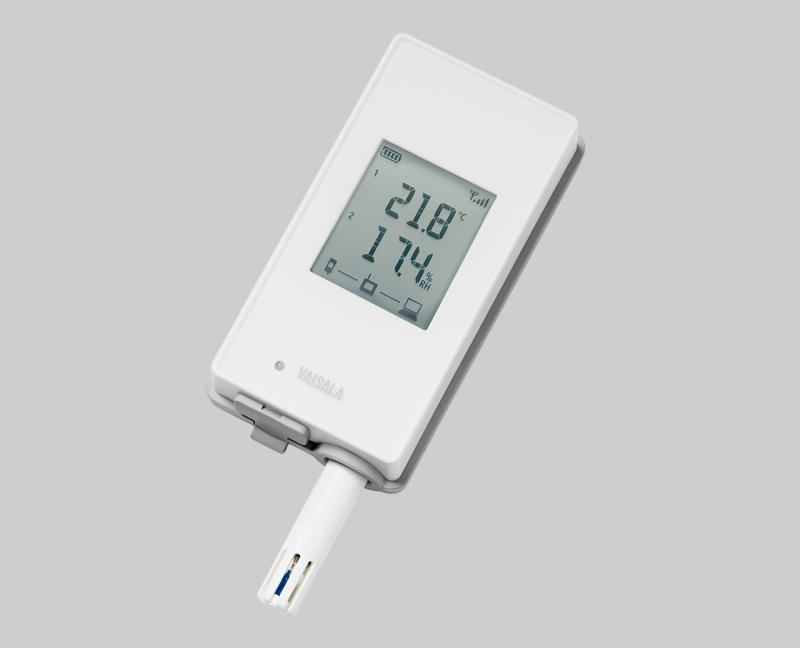
VaiNet wireless data logger RFL100
For wireless monitoring of controlled areas
Application note
Mapping and monitoring are very similar processes. In both cases, environmental data is collected at regular intervals from field-deployed data loggers. The primary difference is that in monitoring, the data loggers are permanently deployed in a set location and the data can be viewed live. In a temperature mapping qualification, the data loggers are typically deployed for short time periods in locations that change from study to study. Because of this similarity, temperature mapping qualifications can easily be performed with viewLinc.
The Vaisala DL-Series data loggers have been used for mapping studies in regulated applications all over the world. These data loggers are valued for their 10-year battery, large memory capacity, and high-accuracy sensors. In a typical mapping with DL-Series loggers, Vaisala vLog software is used to configure the loggers and download the data when the study is complete. The viewLinc monitoring software can more easily perform the same functions for configuring loggers, downloading data, and reporting results.
Our new wireless RFL-Series data loggers are as reliable as the DL-Series loggers, but have features that make them better suited to mapping, including the Vaisala VaiNet wireless communication protocol and smart probes on the data loggers.
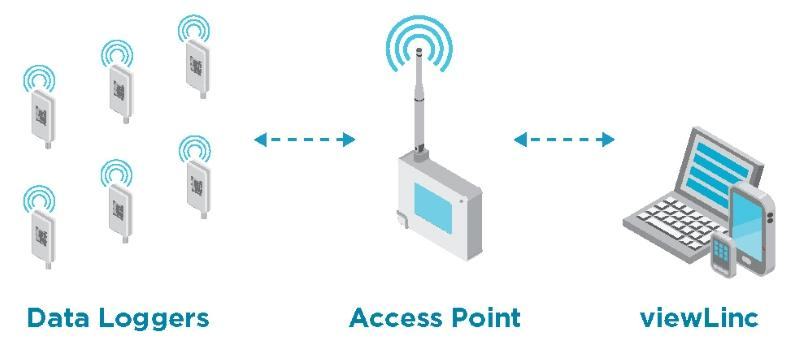
VaiNet is Vaisala's proprietary wireless technology based on LoRa® wireless radio frequency technology. As the devices in VaiNet, the RFL-Series data loggers can reliably transmit data over 100 meters, even in complex manufacturing environments. In our field experience with the RFL-Series data loggers, line-of-sight ranges exceed one kilometer. Live mapping data can be viewed from any environment – from a freezer room to a large ambient warehouse. The practical importance of this feature is efficiency; data is transferred live in real-time, and it is not necessary to wait to know if study data will meet acceptance criteria. You will never again collect your data loggers only to learn that the study failed.
The RFL-Series data loggers use smart probes that are separate measurement devices with calibration data stored in on-board memory (e.g. Vaisala HMP115). The smart probe also performs local A/D signal conversion. These functions mean that only the smart probe needs to be calibrated, not the data logger. After a mapping study, the smart probes can be removed for post-study calibration verification and the logger body can be equipped with a calibrated smart probe to be immediately deployed in the next mapping study.
Customers who perform high volume mapping studies can do more studies with the RFL because the data logger units never need to be taken out of service for post-study calibration verification.
The RFL-Series data loggers are also equipped with other features that simplify mapping studies:
viewLinc is an enterprise-level continuous monitoring system software designed for GxP-regulated industries. The software can be used for temperature mapping with only a few procedural steps to account for the fact that mapping studies are a noncontinuous operation.
The viewLinc software is designed to accommodate and repair interrupted network connections. If connection is temporarily lost, monitoring data is stored locally in the data loggers. When network connection is re-established, the data is downloaded from the data loggers to the viewLinc database in a process we call “backfill”. When using viewLinc to download data from a mapping logger, you take advantage of the backfill process. When a data logger is connected to viewLinc after a mapping study, the software regards the data logger as if it was temporarily disconnected and automatically begins the download.
Because of the long range of the VaiNet wireless signal, you can leave the RFL-Series data loggers connected while performing a mapping study. This allows you to view live data throughout the study. Because viewLinc is a monitoring system, it can instantly notify you if your mapping data fails to meet acceptance criteria, preventing time lost to failed studies.
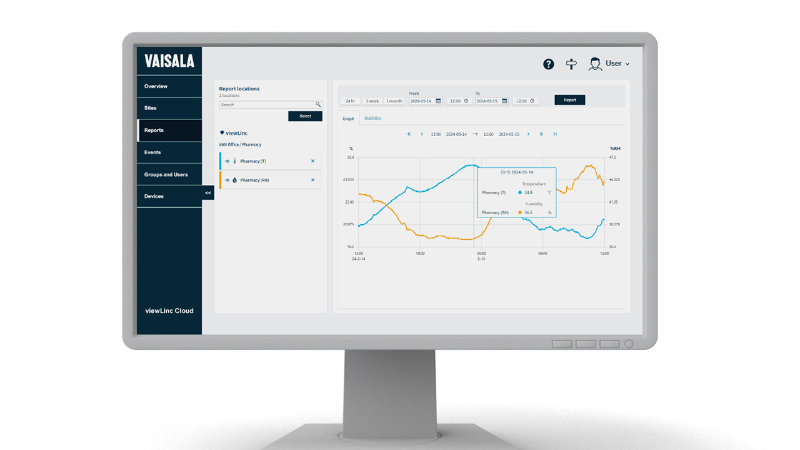
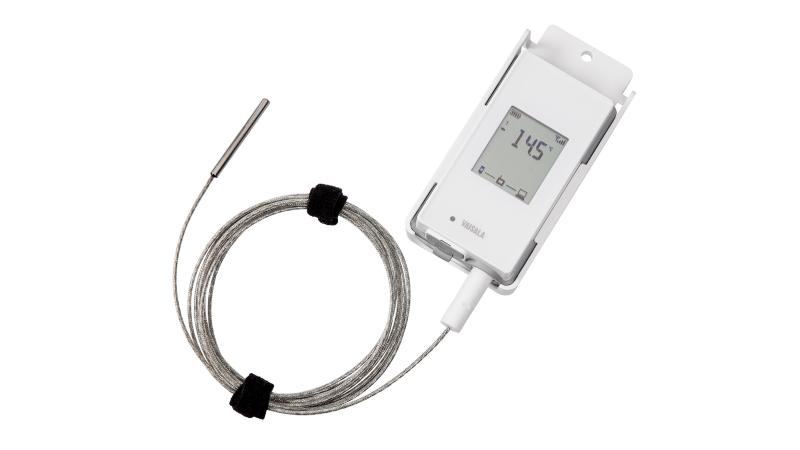
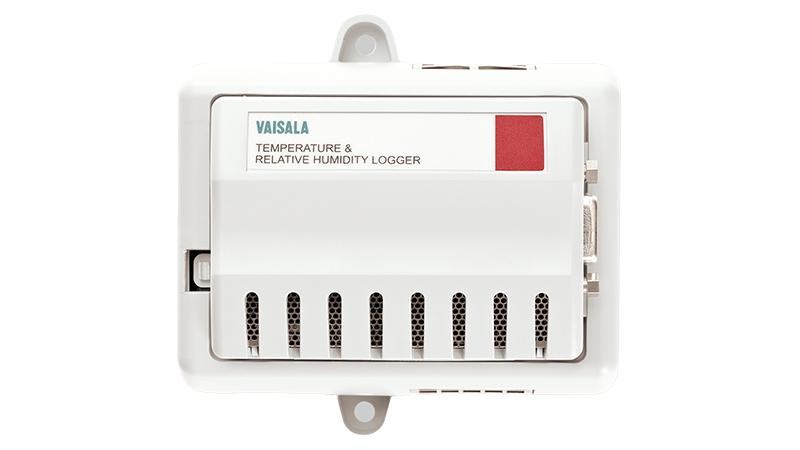
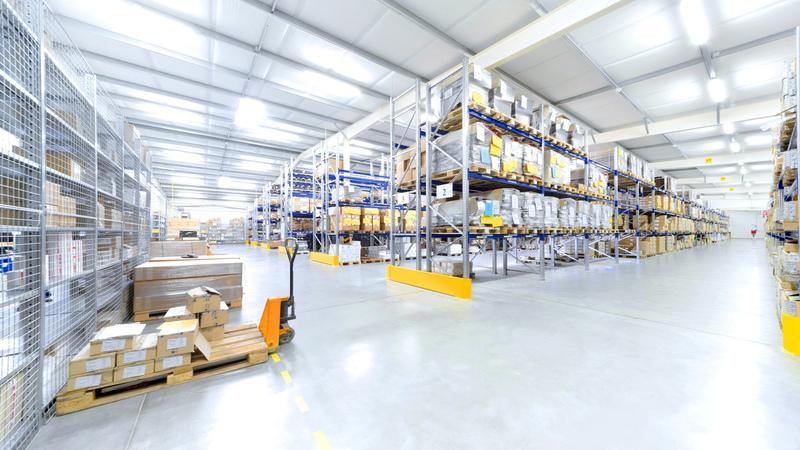
Vaisala’s viewLinc monitoring software is a robust and reliable system designed for GxP applications. While viewLinc was designed for continuous monitoring, the software can easily be used to manage temperature mapping studies. If you already have viewLinc for monitoring, using it for mapping is a cost-effective and efficient alternative to thermocouple-based equipment, bulky data acquisition systems, and less robust data loggers. It can easily be used to map any typical GxP storage environment, including stability chambers, refrigerators, freezers, incubators, warehouses, ambient environments and other demanding environments.
When using the viewLinc continuous monitoring software for mapping studies, you leverage Vaisala’s wide range of easily deployed data loggers, high accuracy sensors, user friendly software, and where VaiNet is used, simple and reliable wireless connectivity. All of these features allow high confidence in mapping study results.
For wireless monitoring of controlled areas
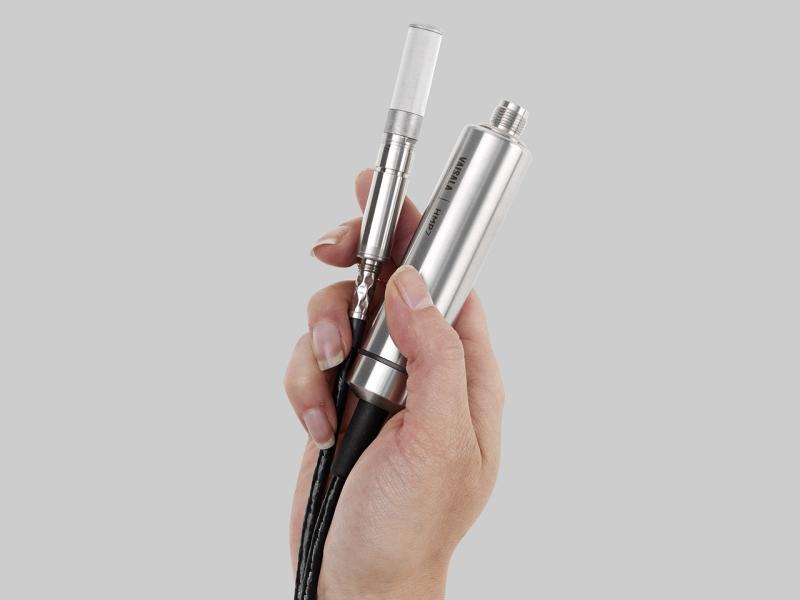
for high humidities
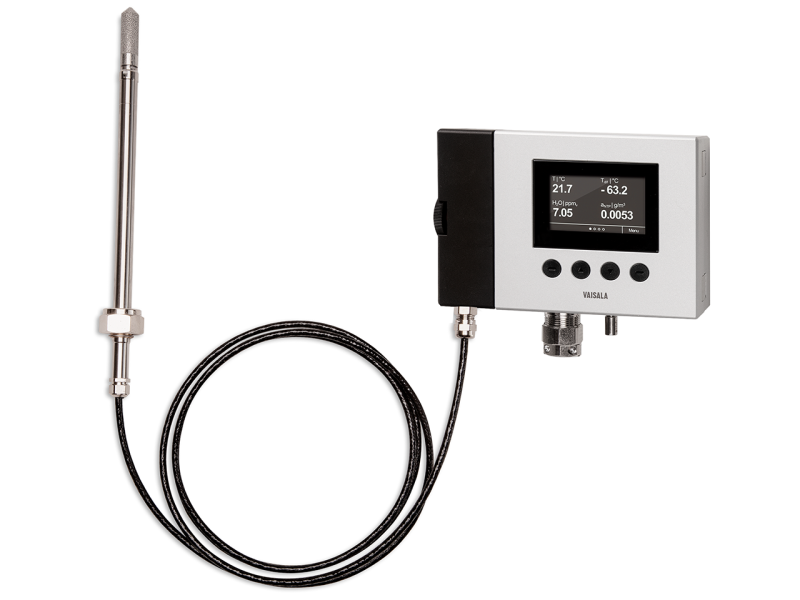
For use up to zone 0 and 20

for cleanrooms and industrial settings
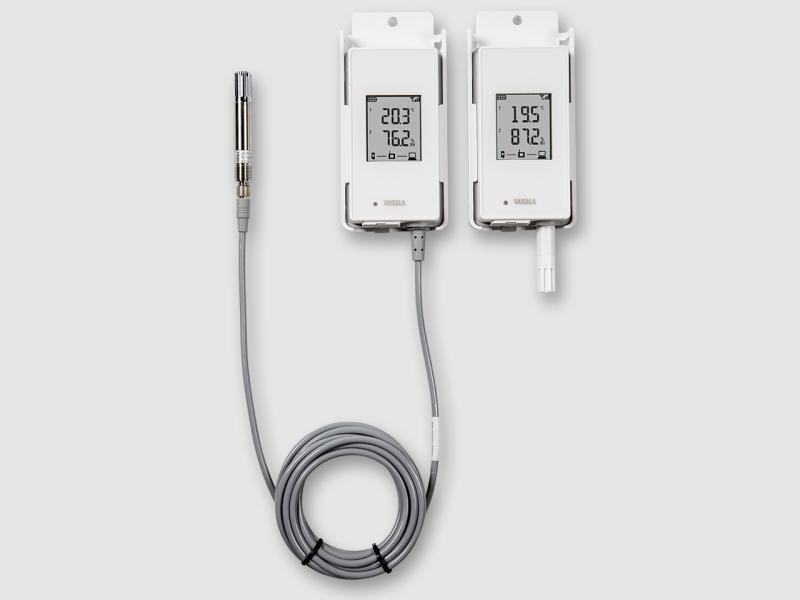
for monitoring humidity and temperature

for OEM applications
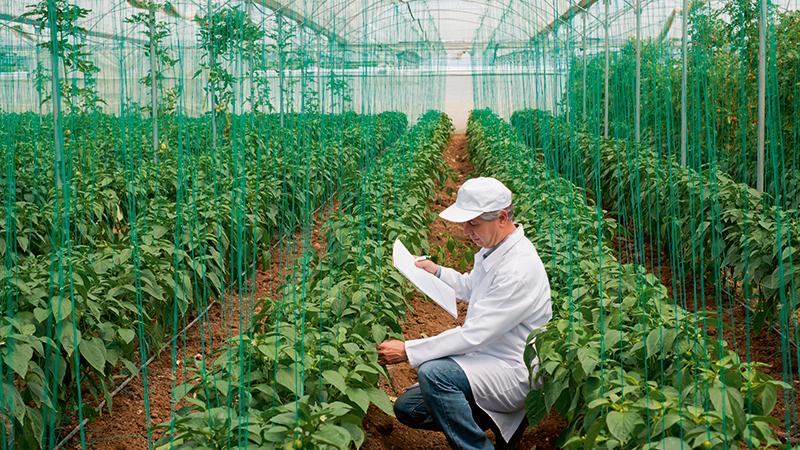
How infrared sensors work, temperature/pressure/humidity compensation, and transmitter placement.
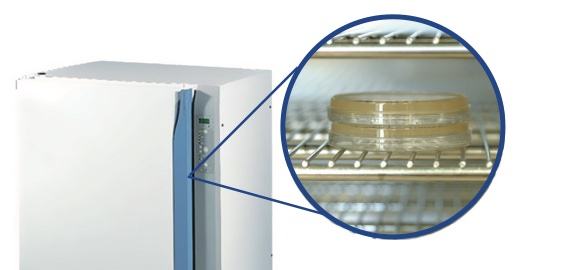
Why CO2 is critical in cell culture, the risk of condensation when measuring in high humidity and temperature, and why sterilization without removing…

Why O2 is lowered and CO2 raised in controlled-atmosphere rooms, and which instruments withstand the cold and high humidity of this environment.
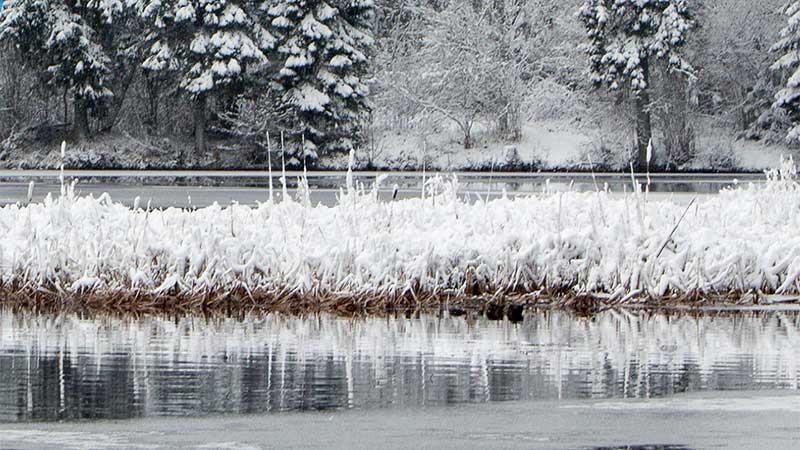
What equilibrium sampling is, why sensor heating can skew field measurements, and what range is needed for deep soil profiles.
A specialist replies with the solution, the instrument and the service that fit.
Instruments to quote
No instruments yet. An enquiry can be sent anyway: a specialist answers.