

Application note
Application note
CO2 is the main gaseous metabolic product of fermentation. In breweries and wineries, that means any tank undergoing active fermentation is a continuous CO2 source — and in poorly ventilated spaces, that gas builds up to levels that pose a real risk to personnel. For the general principles of infrared measurement, see the technical note on how to measure CO2.
This note focuses specifically on the safety risk — not on fermentation process control — because it's the most common reason a brewery or winery installs continuous CO2 monitoring.
The risk from CO2 isn't direct toxicity but oxygen displacement: as concentration rises, people start feeling fatigued, and at very high concentrations, loss of consciousness or even death can occur. OSHA sets an exposure limit of 5,000 ppm averaged over an eight-hour shift.
During active fermentation, CO2 concentration in a tank's headspace can approach 100% by volume — far above any safe exposure limit. The risk isn't confined to the tank itself: it accumulates around filling machines, in fermentation rooms, barrel cellars, and confined spaces such as sumps, pits, and beer storage tanks.
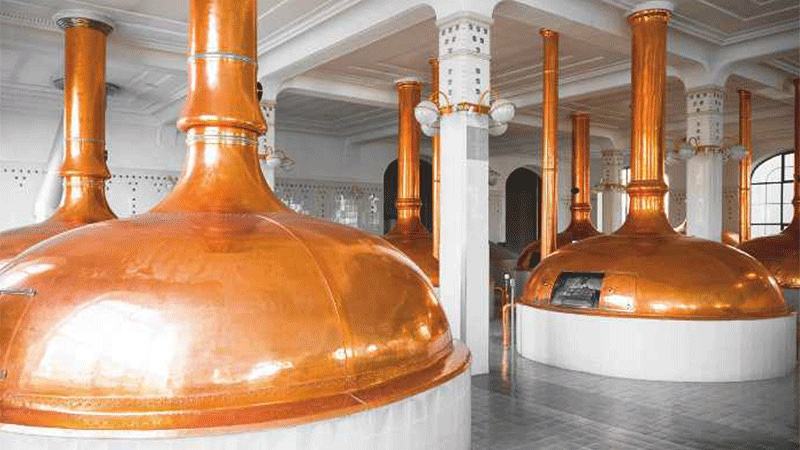
In breweries, CO2 accumulates naturally in fermentation tanks, around filler machines, and in packaging areas — and particularly in confined spaces (storage tanks, brew kettles, vats, sumps, and pits), where the lack of natural ventilation compounds the risk.
In wineries, the highest-risk areas are fermentation rooms, barrel cellars, and bottling areas. The practical recommendation is to implement continuous measurement in identified risk zones, and to check concentration before entering any enclosed space — because CO2 is odorless and colorless, and levels can become dangerous with no perceptible warning.
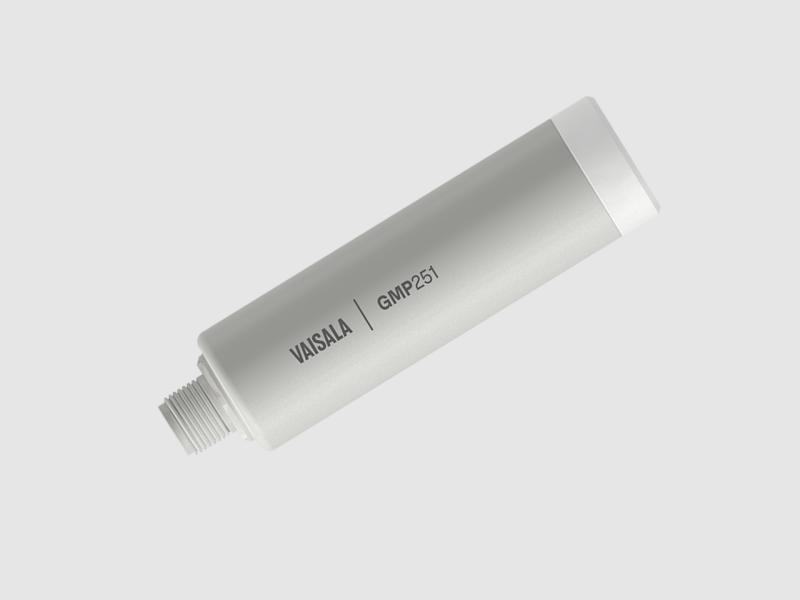
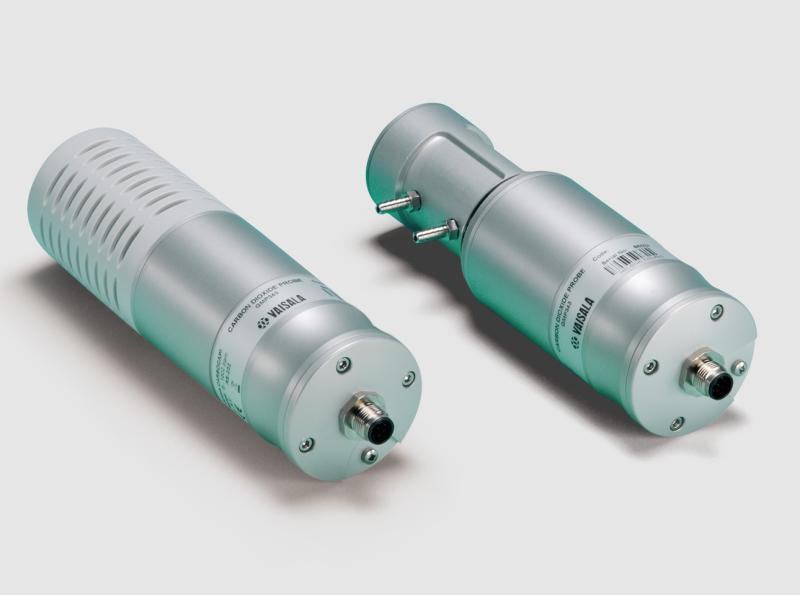
For areas where concentration can approach percentage level — near actively fermenting tanks or in confined spaces — the GMP251 probe measures 0 to 20% CO2. For environmental safety monitoring in rooms and work areas, where concentration is measured in parts per million, the GMP252 probe covers the 0 to 10,000 ppm range. Both operate from -40°C to +60°C, with the long-term stability needed for continuous safety monitoring.
This technical content is based on Vaisala's research on CO2 safety in breweries and wineries. AKRIBIS is an authorized Vaisala partner for distribution and technical support in the region — explore the full Vaisala instrumentation line.
for %-level measurements in life science incubators, cold storage facilities and all demanding applications
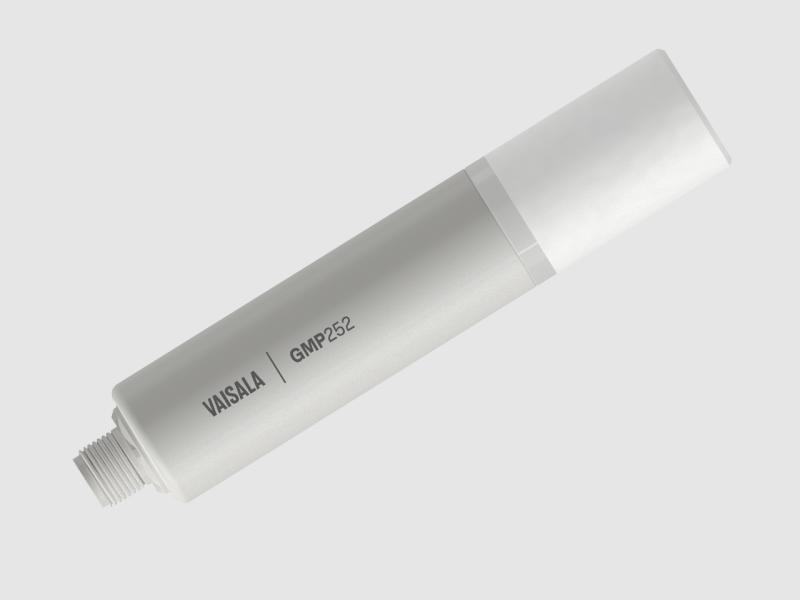
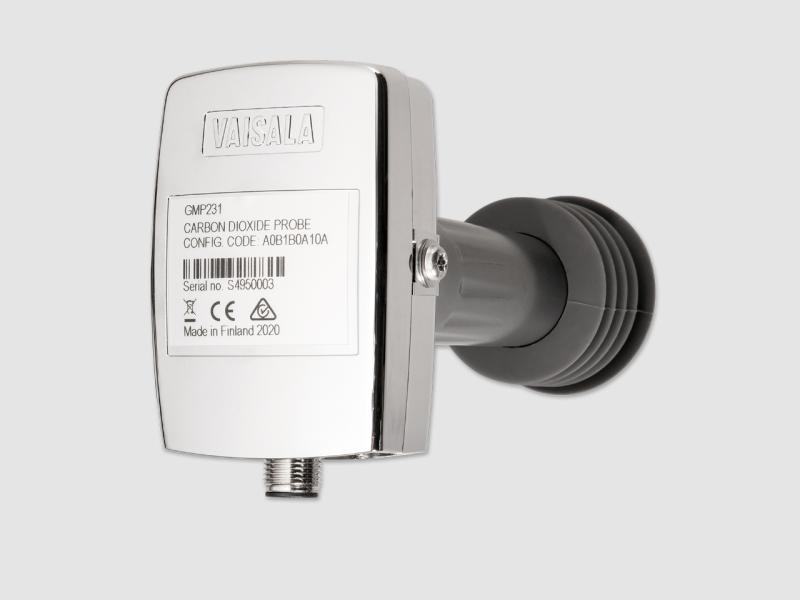
for ppm-level measurements in agriculture, refrigeration, demanding HVAC, and for plant growth manufacturers
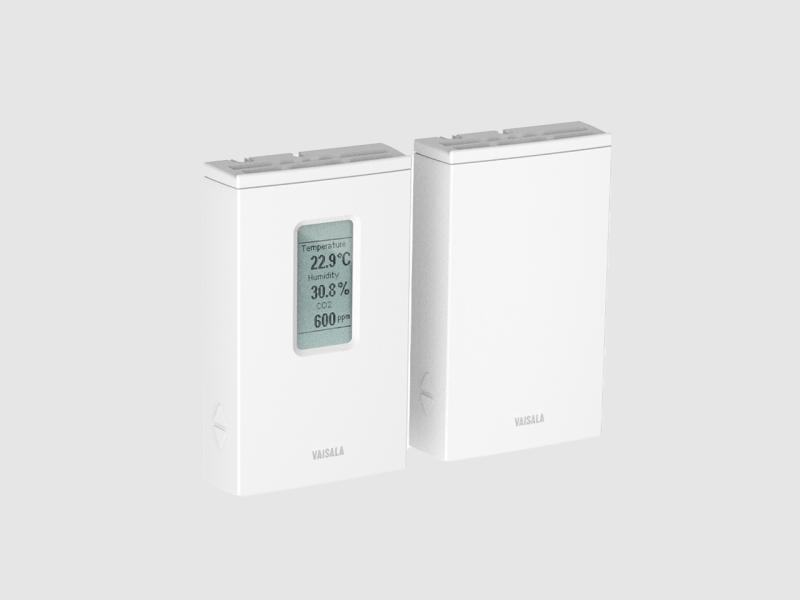
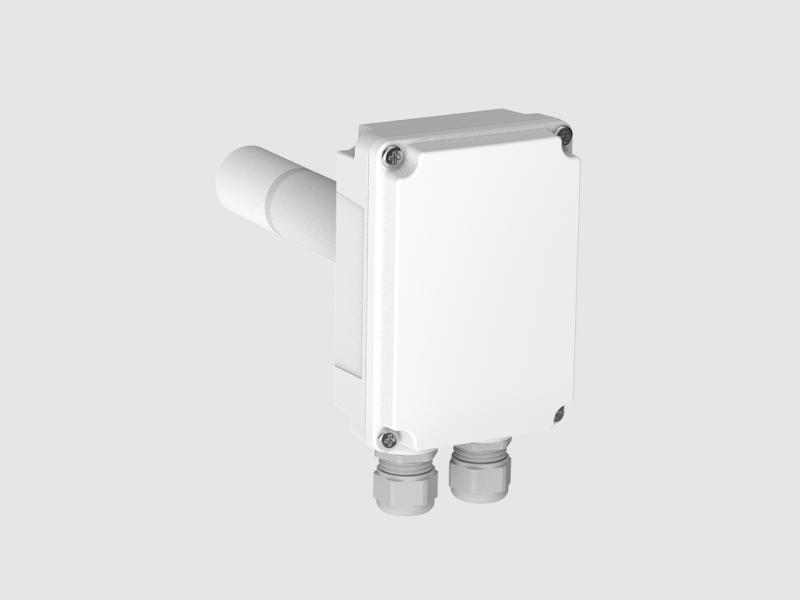
For high-accuracy measurements in HVAC applications
for CO₂ incubators
for %-level measurements in life science incubators, cold storage facilities and all demanding applications
for ppm-level measurements in agriculture, refrigeration, demanding HVAC, and for plant growth manufacturers
for demanding measurements
for green building projects
How infrared sensors work, temperature/pressure/humidity compensation, and transmitter placement.
Why CO2 is critical in cell culture, the risk of condensation when measuring in high humidity and temperature, and why sterilization without removing…

Why O2 is lowered and CO2 raised in controlled-atmosphere rooms, and which instruments withstand the cold and high humidity of this environment.

What equilibrium sampling is, why sensor heating can skew field measurements, and what range is needed for deep soil profiles.
A specialist replies with the solution, the instrument and the service that fit.
Instruments to quote
No instruments yet. An enquiry can be sent anyway: a specialist answers.