

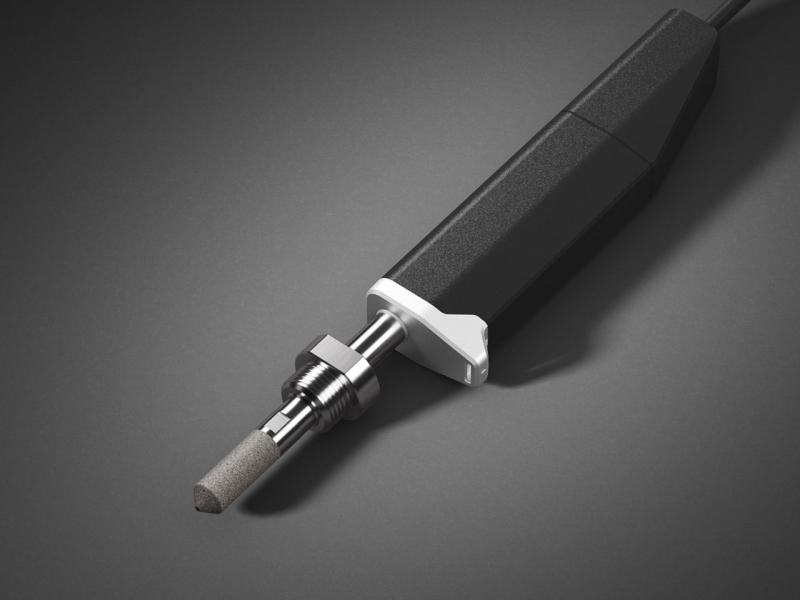
DMP80 DRYCAP® handheld probe for dew point and temperature
For spot-checking and calibrating dew point measurements
Application note
In a heat treatment furnace, the atmosphere is part of the recipe: annealing, sintering and brazing are performed under protective gases that prevent oxidation and unwanted reactions of the metal. The moisture present in that atmosphere affects the quality and consistency of the process, and with them the properties of the final product — which is why it is specified and controlled as dew point. For the general context of the magnitude, see the dew point instrumentation landing.
The water content of the atmosphere takes part in the chemical equilibrium inside the furnace: it determines whether the metal surface tends to oxidize or stay reduced during the thermal cycle. An atmosphere wetter than specified translates into surface oxidation, sintered parts out of specification or defective brazed joints — defects usually discovered only at quality control, with the batch already processed.
That is why the process specification is expressed as a target dew point. Depending on the process and the metal, control values range from −60 °C up to +35 °C or even higher — a range no ambient relative humidity measurement can meaningfully cover.
The practical difficulty is temperature: furnace gas runs far above the operating range of any humidity sensor. Measurement is normally done on a sampling line that draws a small gas flow and lets it cool before it reaches the dew point probe. Since the absolute water content of the gas does not change as it cools — as long as it does not condense along the way —, the dew point measured in the line still represents the furnace atmosphere.
The instrument has to be rugged, leak-tight, easy to install and maintain, and compatible with different furnace types and protective gases.
Vaisala's DRYCAP® technology is specified for this duty: it stays stable at low dew points, withstands condensation and recovers undamaged if the sensor gets wet, and its sensor purge — a controlled heating cycle that removes residual chemicals — sustains accuracy in contaminant-laden atmospheres between calibrations.
For blanket gases in heat treatment, a probe like the DMP7 — with a short probe head for tight spaces and sensor purge — integrates into the sampling line or the equipment; for your furnace's specific configuration, consult a specialist.
This technical content is based on Vaisala's documentation on metal heat treatment furnace atmospheres. AKRIBIS is an authorized Vaisala partner for distribution and technical support in the region — explore the full Vaisala instrumentation line.
For spot-checking and calibrating dew point measurements
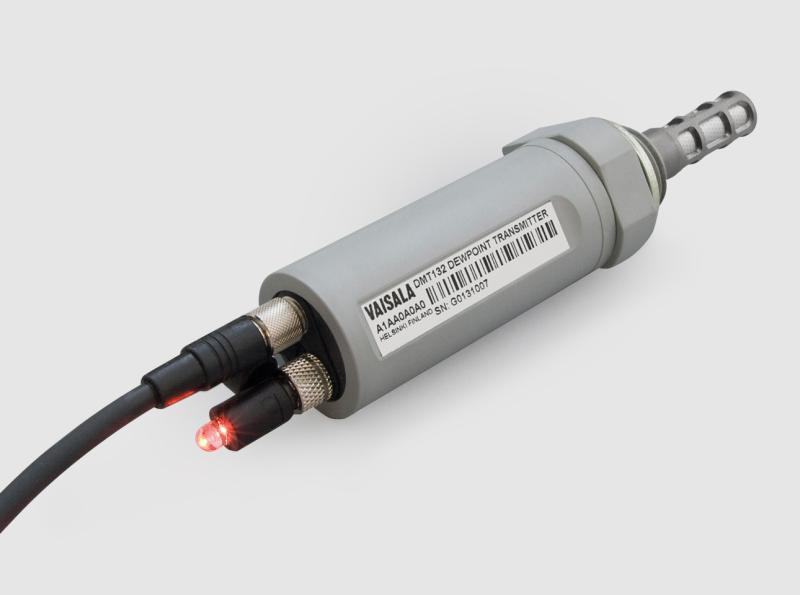
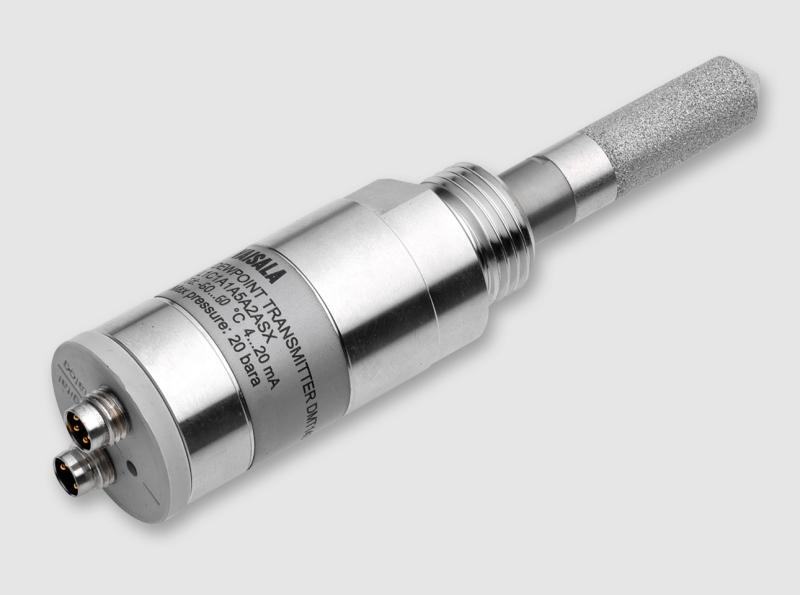
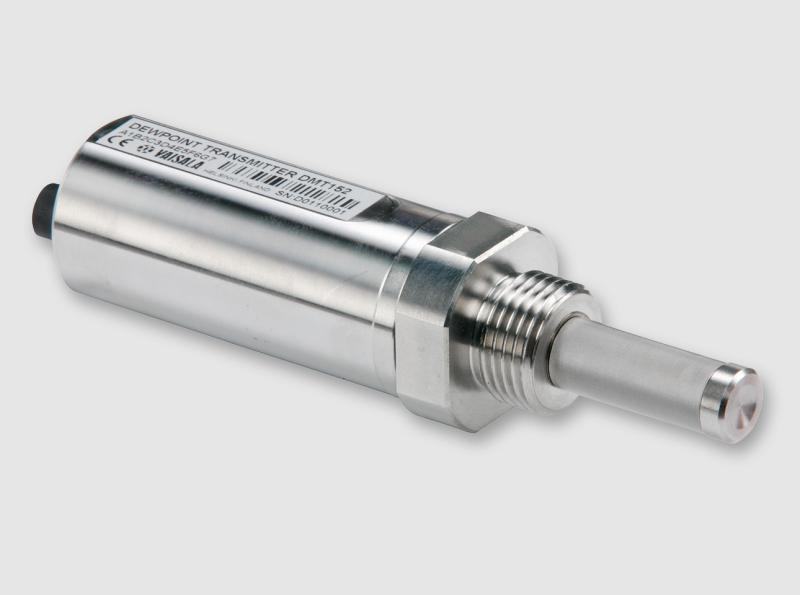
Please note that the DMT152 is being discontinued and should not be specified for new projects. Get to know the new DMT153 here.
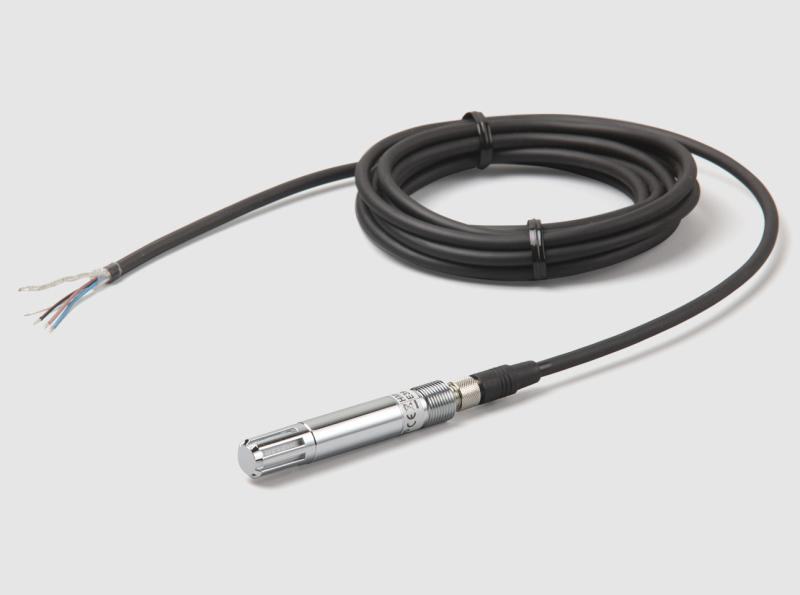
For spot-checking and calibrating dew point measurements
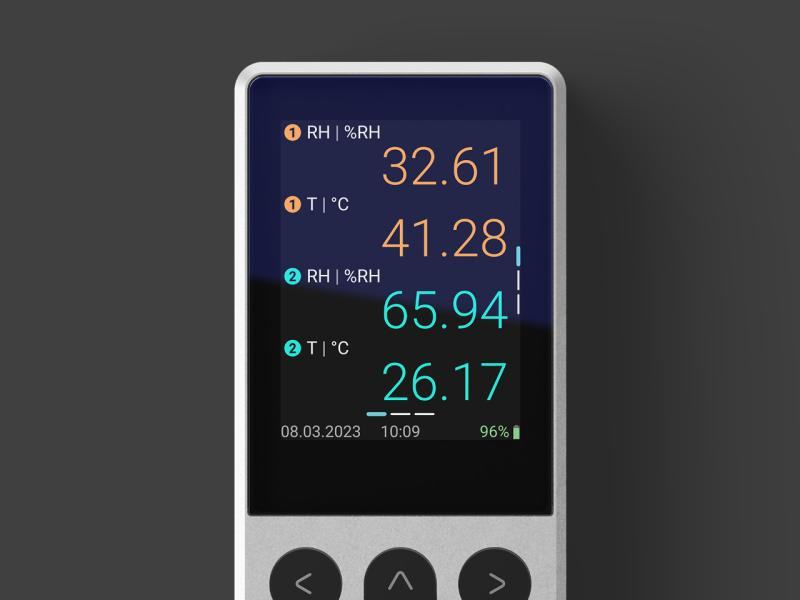
The latest addition to the Indigo family of transmitters and probes, the Indigo80 is a compact, handheld indicator and data logger. Ideal for field…
for refrigerant dryers
for OEM applications
Please note that the DMT152 is being discontinued and should not be specified for new projects. Get to know the new DMT153 here.
with ±1.5%RH accuracy for demanding volume applications
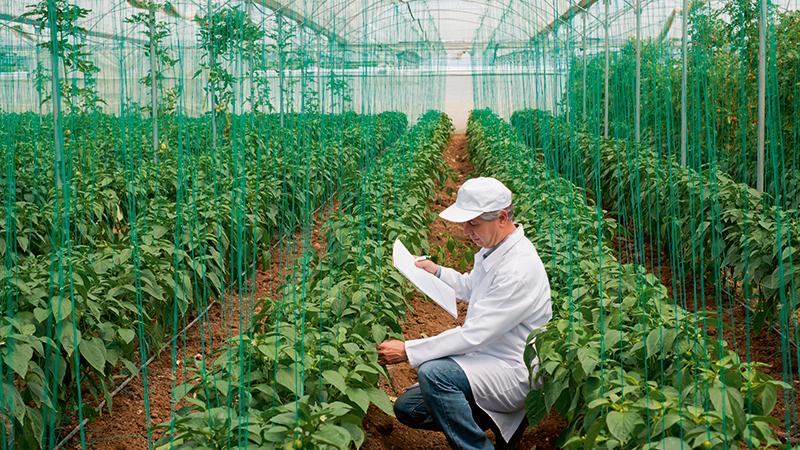
How infrared sensors work, temperature/pressure/humidity compensation, and transmitter placement.
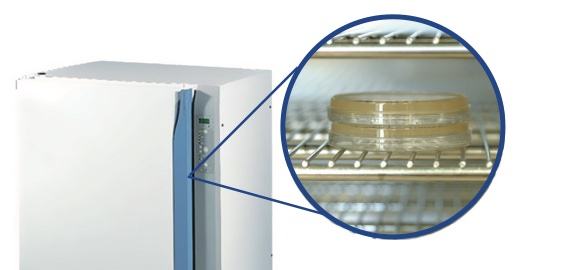
Why CO2 is critical in cell culture, the risk of condensation when measuring in high humidity and temperature, and why sterilization without removing…

Why O2 is lowered and CO2 raised in controlled-atmosphere rooms, and which instruments withstand the cold and high humidity of this environment.

What equilibrium sampling is, why sensor heating can skew field measurements, and what range is needed for deep soil profiles.
A specialist replies with the solution, the instrument and the service that fit.
Instruments to quote
No instruments yet. An enquiry can be sent anyway: a specialist answers.