
CO2 in Fermentation and Brewing
Why CO2 is a real safety risk in breweries and wineries, which areas concentrate the highest risk, and which instruments cover everything from tank headspace to environmental safety.
CO2 is the main gaseous metabolic product of fermentation. In breweries and wineries, that means any tank undergoing active fermentation is a continuous CO2 source — and in poorly ventilated spaces, that gas builds up to levels that pose a real risk to personnel. For the general principles of infrared measurement, see the technical note on how to measure CO2.
This note focuses specifically on the safety risk — not on fermentation process control — because it's the most common reason a brewery or winery installs continuous CO2 monitoring.
This note covers
- Why CO2 is a real risk in breweries and wineries
- Which areas concentrate the highest risk
- Which instruments cover each concentration range
Why CO2 Is a Real Risk in Breweries and Wineries
The risk from CO2 isn't direct toxicity but oxygen displacement: as concentration rises, people start feeling fatigued, and at very high concentrations, loss of consciousness or even death can occur. OSHA sets an exposure limit of 5,000 ppm averaged over an eight-hour shift.
During active fermentation, CO2 concentration in a tank's headspace can approach 100% by volume — far above any safe exposure limit. The risk isn't confined to the tank itself: it accumulates around filling machines, in fermentation rooms, barrel cellars, and confined spaces such as sumps, pits, and beer storage tanks.
Which Areas Concentrate the Highest Risk
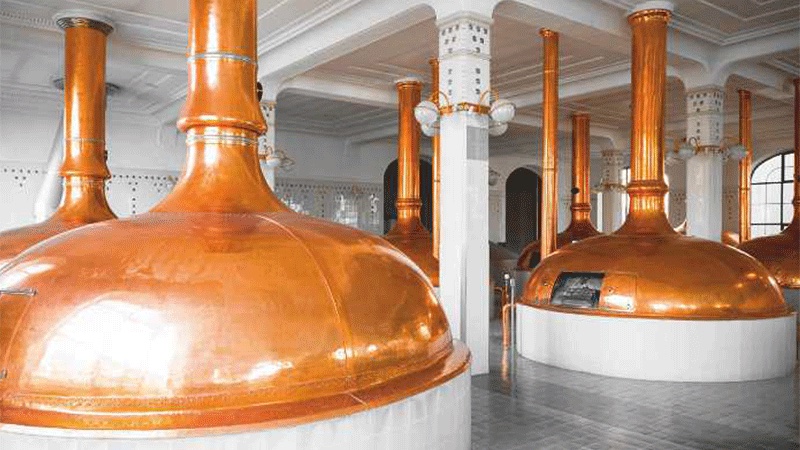
In breweries, CO2 accumulates naturally in fermentation tanks, around filler machines, and in packaging areas — and particularly in confined spaces (storage tanks, brew kettles, vats, sumps, and pits), where the lack of natural ventilation compounds the risk.
In wineries, the highest-risk areas are fermentation rooms, barrel cellars, and bottling areas. The practical recommendation is to implement continuous measurement in identified risk zones, and to check concentration before entering any enclosed space — because CO2 is odorless and colorless, and levels can become dangerous with no perceptible warning.
Which Instruments Cover Each Concentration Range
For areas where concentration can approach percentage level — near actively fermenting tanks or in confined spaces — the GMP251 probe measures 0 to 20% CO2. For environmental safety monitoring in rooms and work areas, where concentration is measured in parts per million, the GMP252 probe covers the 0 to 10,000 ppm range. Both operate from -40°C to +60°C, with the long-term stability needed for continuous safety monitoring.
This technical content is based on Vaisala's research on CO2 safety in breweries and wineries. AKRIBIS is an authorized Vaisala partner for distribution and technical support in the region — explore the full Vaisala instrumentation line.
Instruments to measure CO2
-
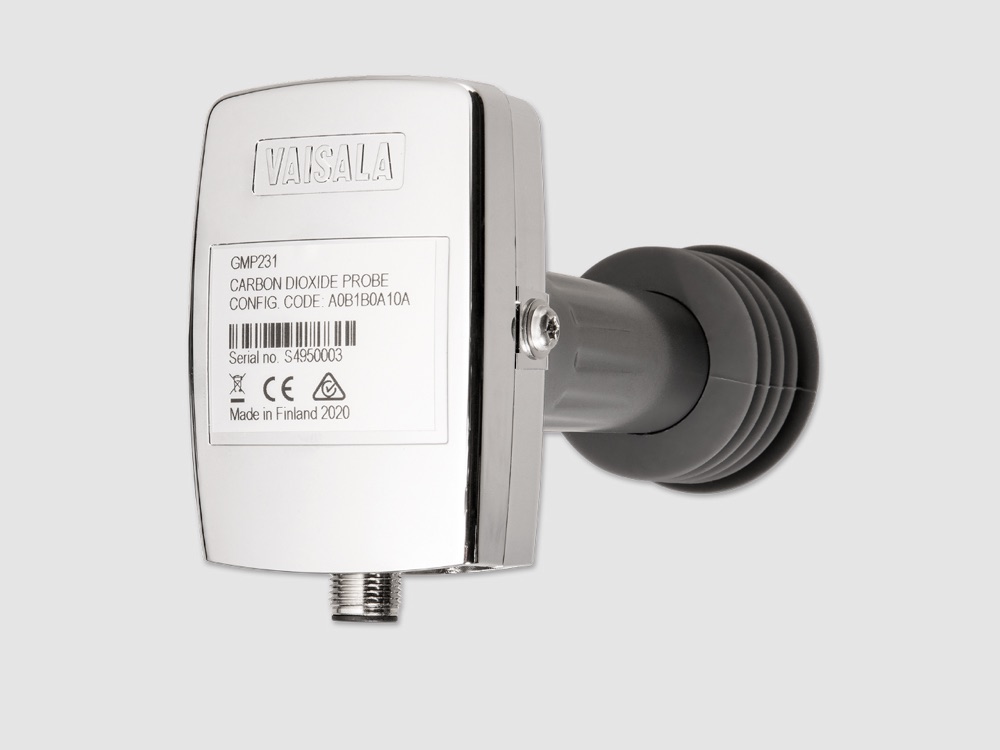 GMP231 Heat-sterilizable CO2 probe for incubators
 -
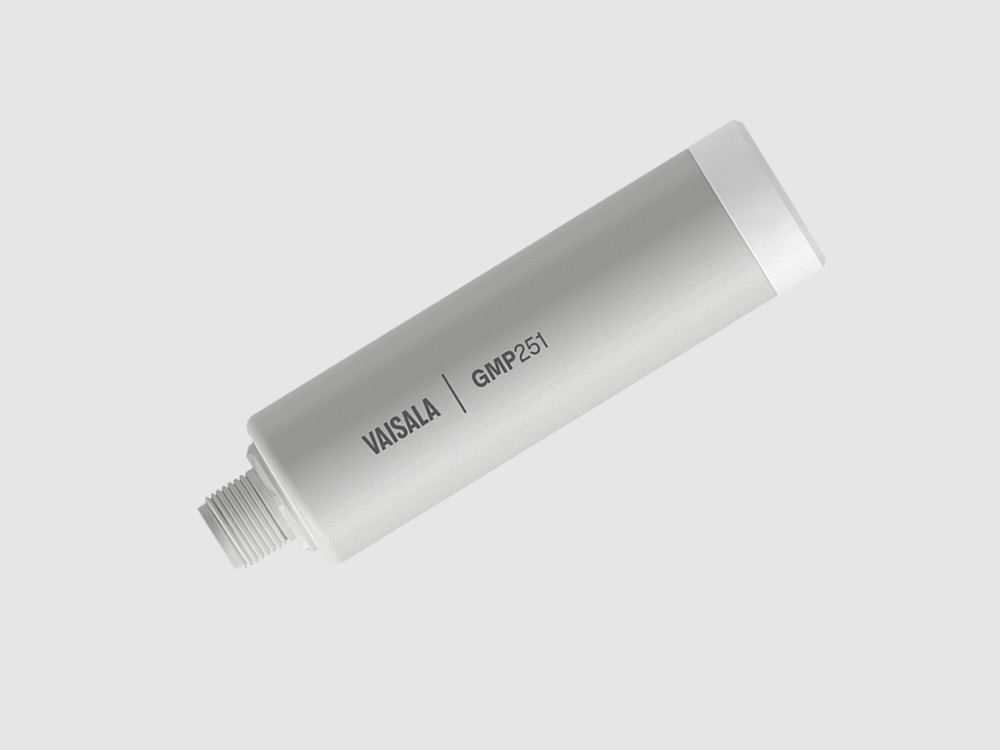 GMP251 CO2 probe for percentage-level measurements
 -
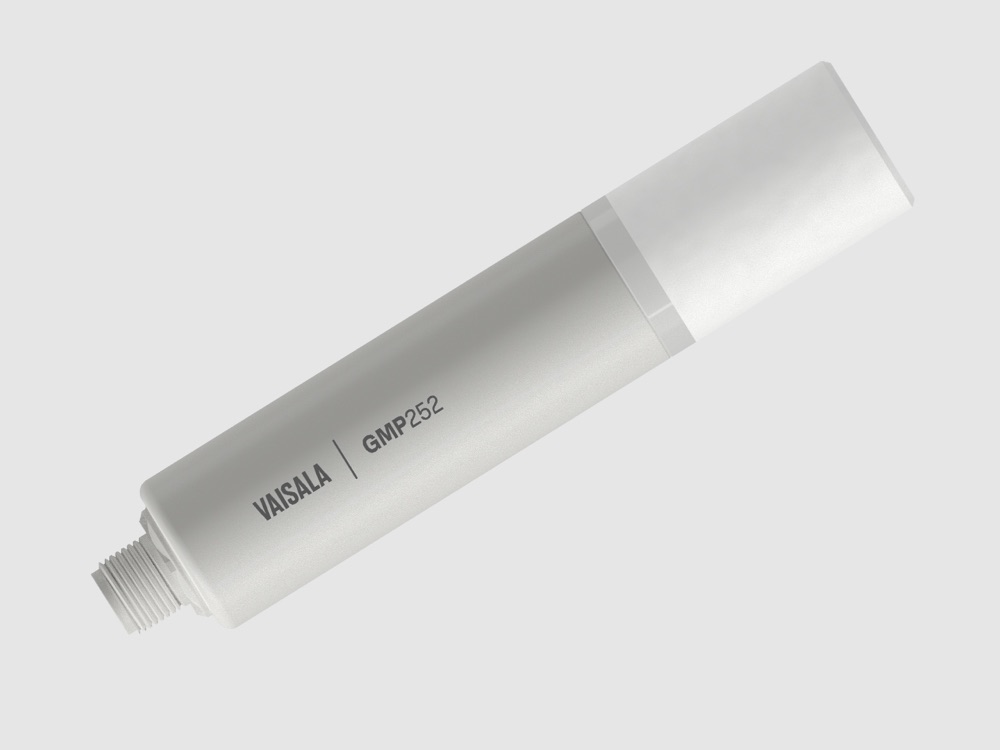 GMP252 CARBOCAP® CO2 probe for ppm-level measurements
 -
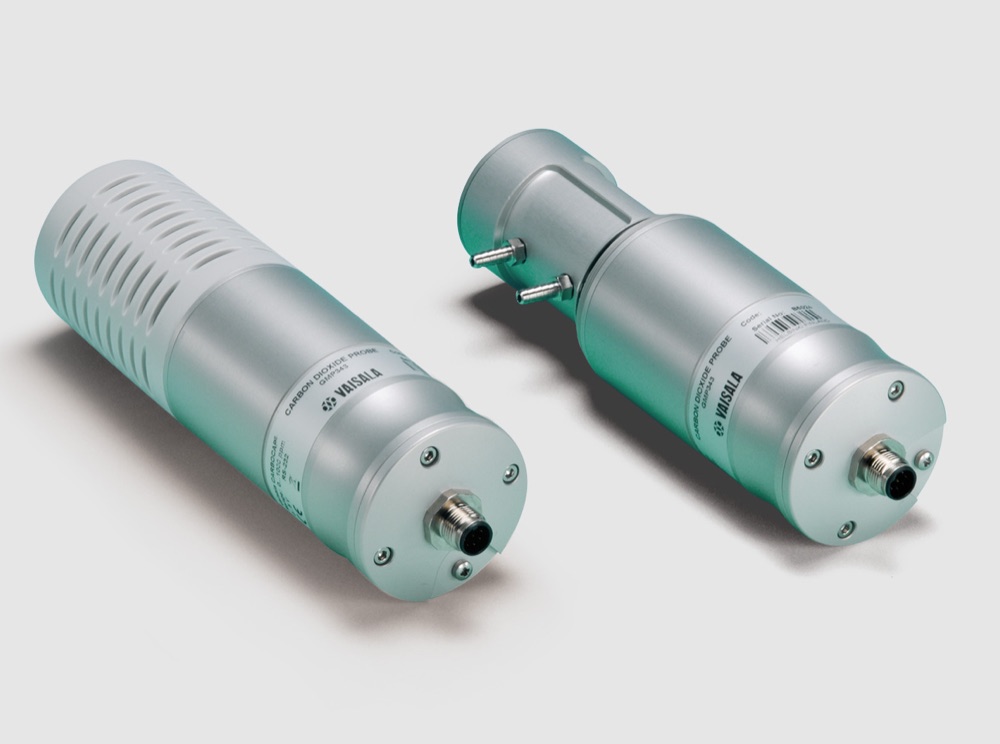 GMP343 Rugged CO2 probe for ecological measurements
 -
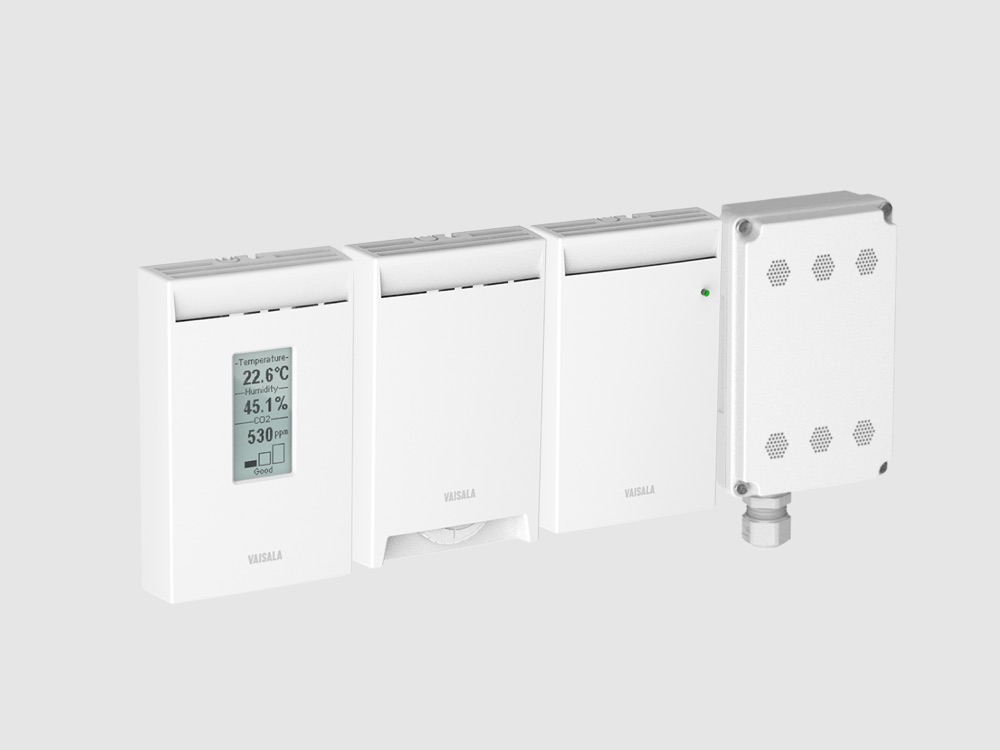 GMW80 Wall-mounted CO2, humidity and temperature transmitter for indoor air quality
 -
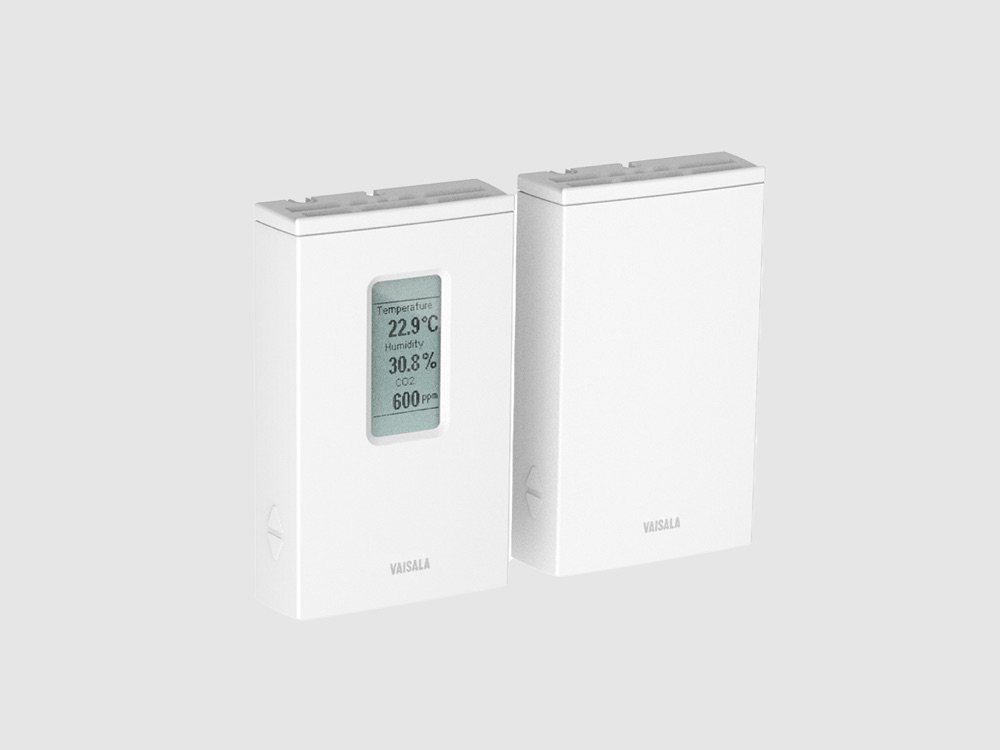 GMW90 Wall-mounted CO2 transmitter for green building projects
 -
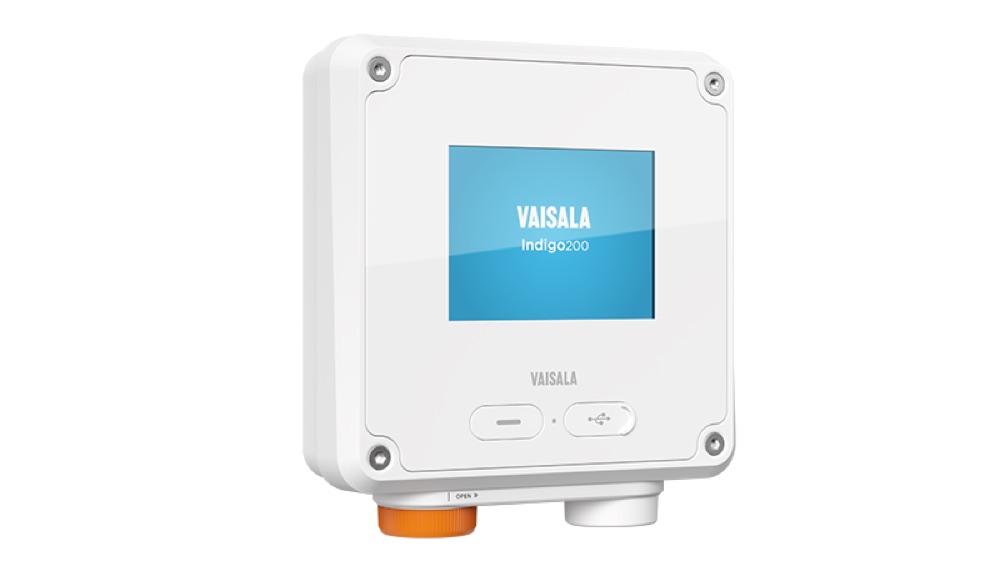 Indigo200 Compact single-probe transmitter for the Indigo ecosystem
 -
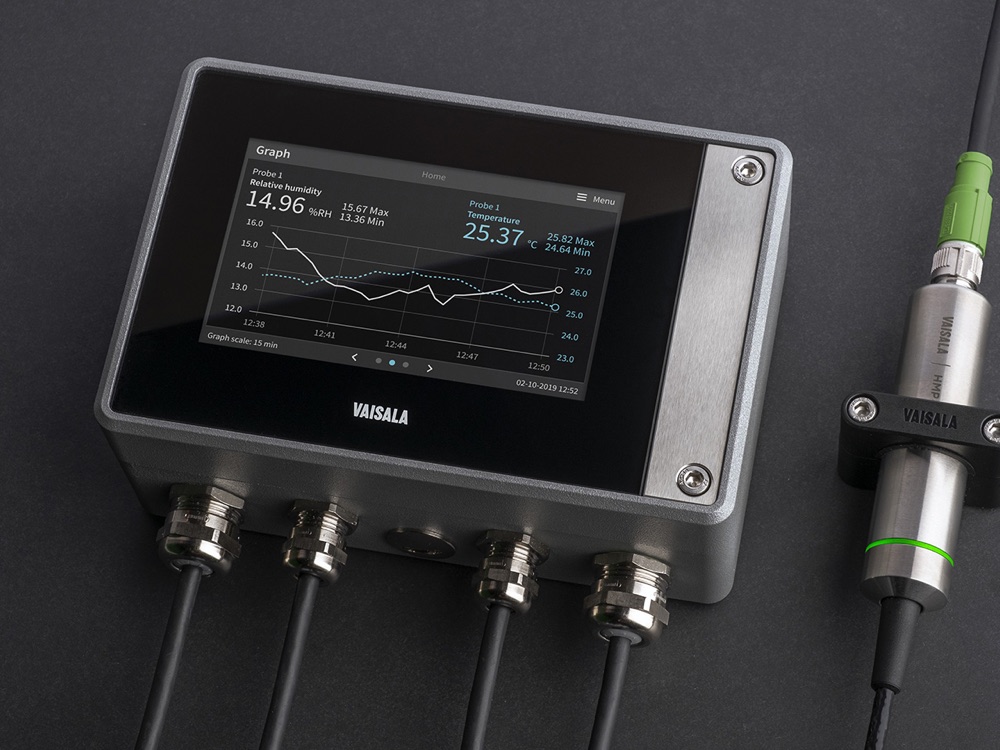 Indigo500 Universal transmitter for Indigo-compatible probes
 -
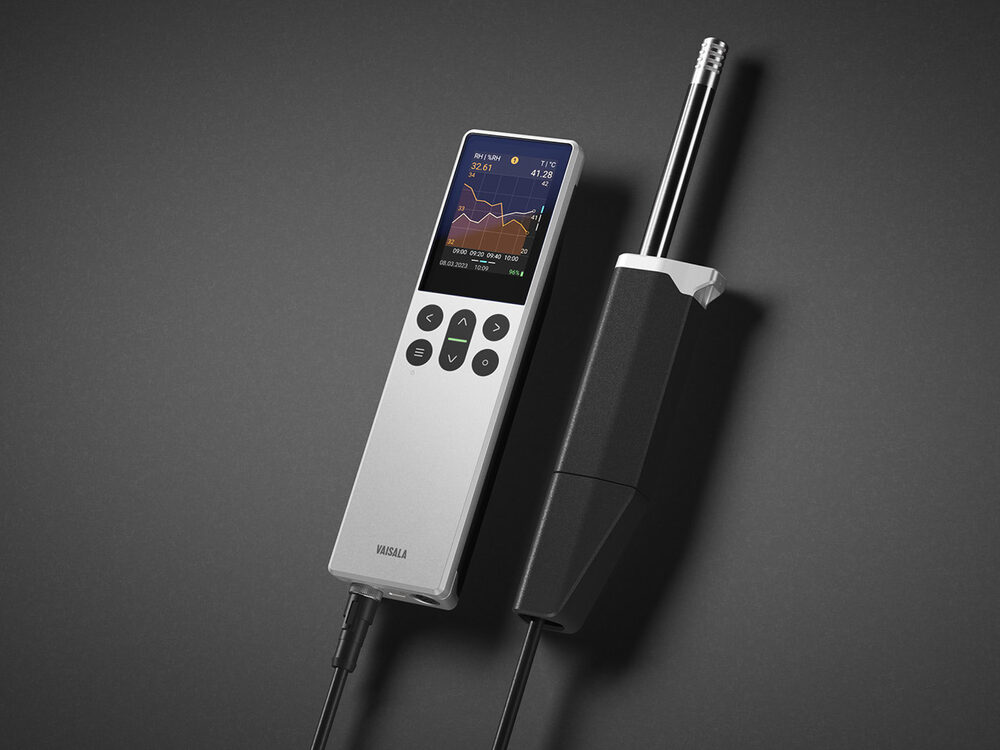 Indigo80 Handheld indicator for Indigo-compatible probes
 -
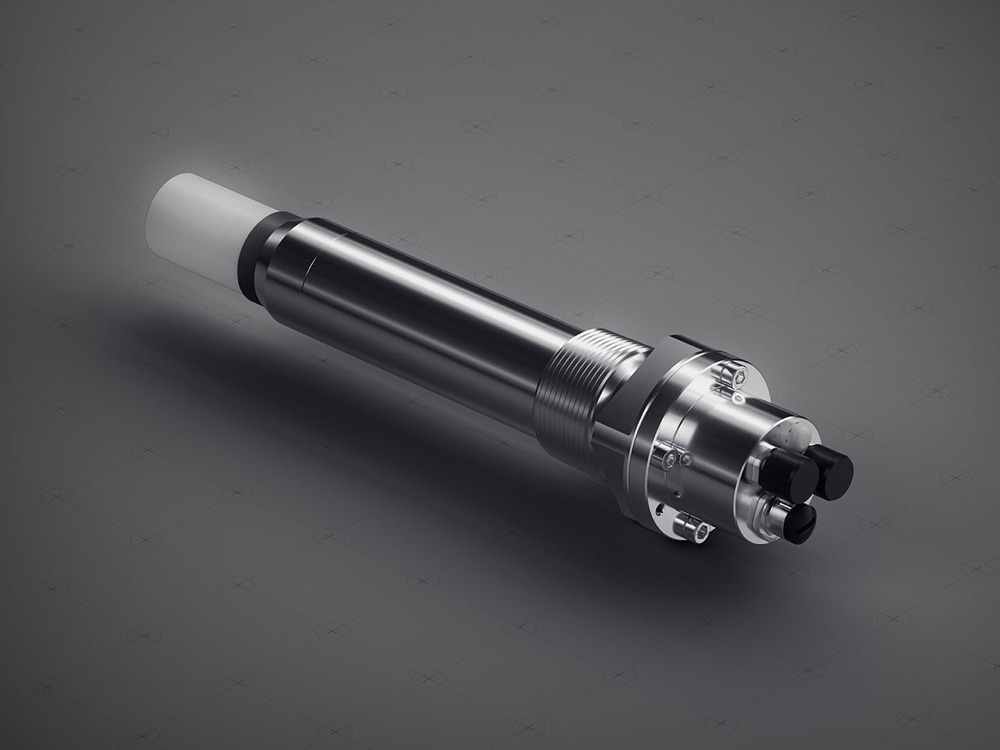 MGP241 Multigas CO2 instrument for carbon capture and storage
 -
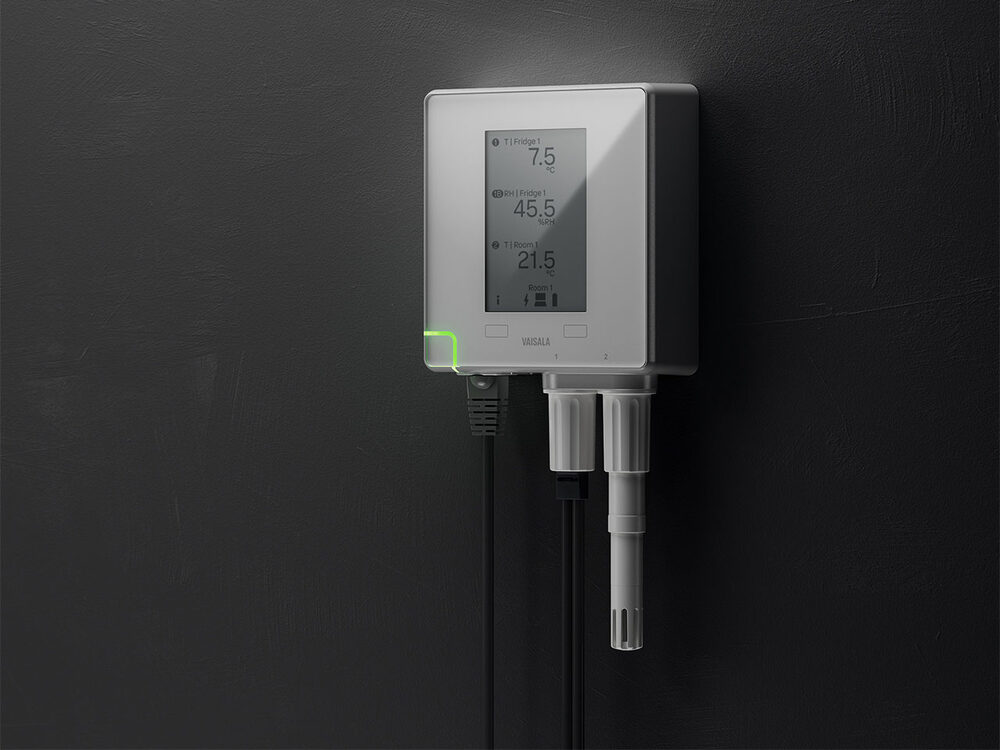 VDL200 Multi-parameter PoE data logger for continuous monitoring
¿Querés profundizar sobre este tema?
Nuestros especialistas pueden asesorarte en detalle sobre su aplicación en tu proceso.