

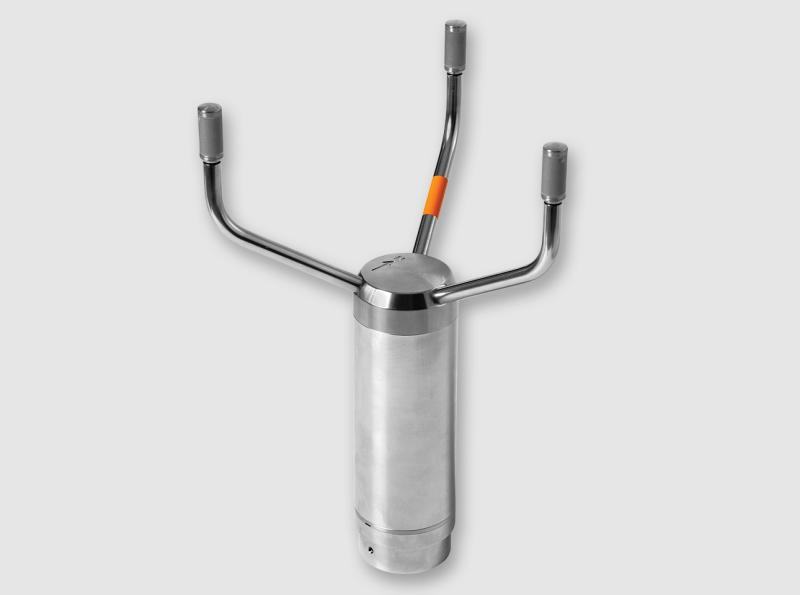
WINDCAP Ultrasonic Wind Sensor WMT700
Ultra-reliable, ultrasonic
Technical note
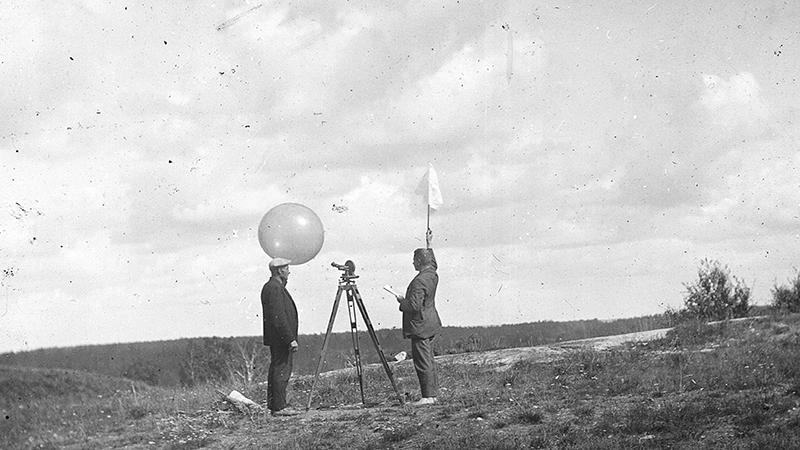
In the midwinter of 1931, Professor Vilho Väisälä examined a fallen radiosonde amidst Finland's towering pines. "A fine idea, poorly implemented" was his assessment. That moment of critical observation set in motion a legacy that would transform how we measure and understand our environment.
A few years later, in 1936, the first radiosonde order shipped across the Atlantic to Massachusetts Institute of Technology (MIT), and Vaisala was born. From the start, the company maintained a strong focus on science-based innovations and became known for reliability, quality, and precision. These were not just corporate values but necessities when your instruments fly into storm systems or guide aircraft safely to ground.
Today, that same commitment to precision touches mobility and roads around the world. Vaisala's instruments and intelligence are built on over 90 years of expertise and are known as the gold standard for precision and reliability. Throughout decades of serving road networks globally, we have continually refined our technology. Vaisala's most recent road weather station RWS200, represents the latest evolution of this expertise. Since its introduction, we have delivered more than 5,000 complete RWS200 systems that support road networks around the world. These stations cover over 250,000 kilometers of roads, the same distance as driving around the Earth six times.
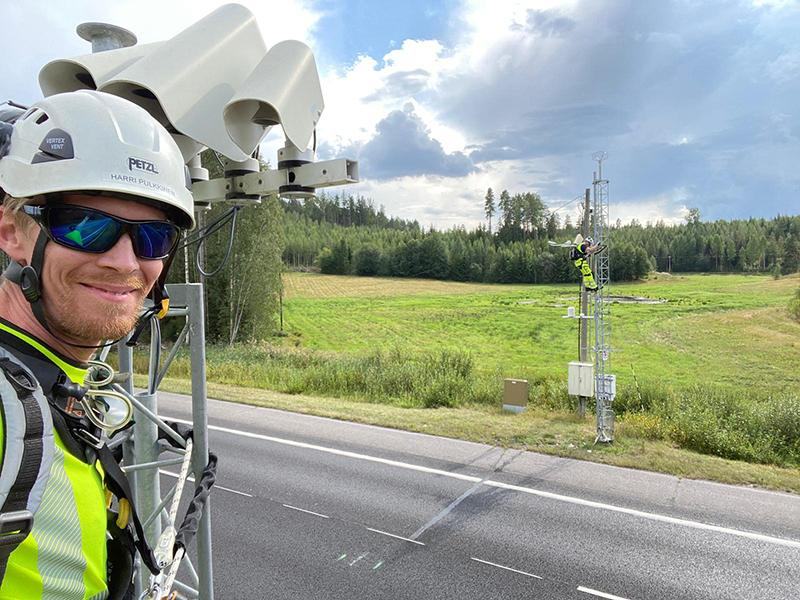
When winter weather threatens, the stakes are just as high as they were for Professor Väisälä's radiosondes. Road crews need to know exactly when, where, and how to treat the road before conditions turn dangerous. Speed limits and warning signs must adapt to real conditions like heavy rain or black ice. Authorities need to prepare earlier and respond more effectively during severe weather events. The RWS200 is tested in the harshest environments, designed with the same rigor that has defined Vaisala since 1936.
But accurate observations are only part of the story. Today, Vaisala combines its sensing technologies with leading forecasting capabilities, including specialized road weather forecasts. The process of generating weather forecasts begins with initializing models using current weather observations. The accuracy of the initial data plays a key role in determining the reliability of the forecast output. This is why Vaisala's approach matters - our forecasts are enhanced by the network of local observations. Sensors must perform correctly and provide accurate measurements, and the data must be validated and integrated properly. The better the input, the more accurate the outcome. This is a rule in forecasting just as it is in measurement. "The accuracy of a forecast depends directly on the quality of the data we use - more precise observations lead to more reliable predictions," explains Mark DeVries, Business Application Manager at Vaisala.
The numbers tell one story. But behind every station delivering accurate, reliable road condition intelligence to winter maintenance professionals and traffic control centers is the spirit of that Finnish professor who refused to accept "good enough". Raised by curiosity and driven by purpose, we build breakthrough measurement technologies that shape industries and save lives.
From atmospheric measurements to road surface conditions and forecasts, from radiosondes to road weather stations, the mission remains unchanged: when safety depends on accurate measurement, reliability and precision are not negotiable. After 90 years, we are still taking every measure to keep people safe, whatever the weather.
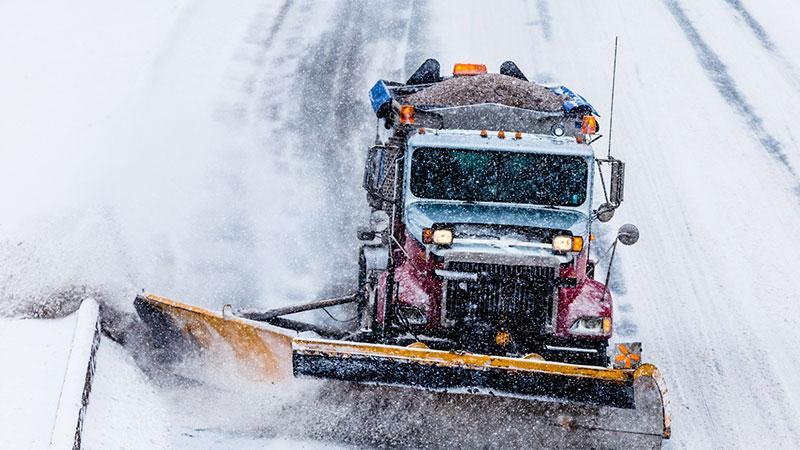
Make safe, data-driven decisions and manage resources more effectively with accurate weather and surface condition observations and forecasts.
Ultra-reliable, ultrasonic
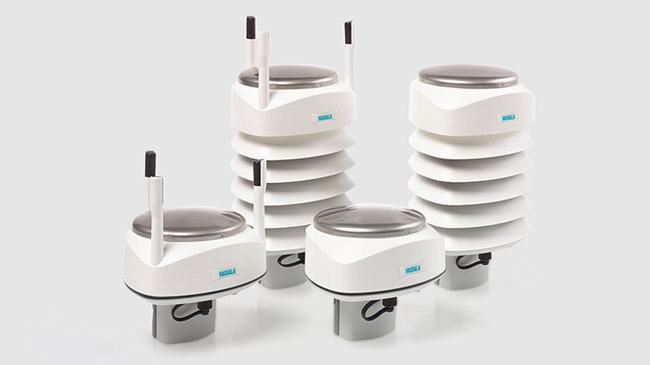
Vaisala Weather Transmitter WXT530 series is a unique collection of cost-effective sensors that accurately and reliably measure weather conditions…

What relative humidity, dew point, absolute humidity and mixing ratio are, how temperature and pressure distort the reading, and why dew point is…

How humidity behaves in real conditions, the three most common measurement problems, and two practical scenarios —heated air and compressed air—…

When to measure relative humidity vs. dew point, what high and low humidity demand, how temperature and pressure factor in, and when a warmed probe…

Cooling accounts for up to 40% of a data center's energy demand. This Vaisala guide explains how measurement accuracy cuts costs and risks, with a…
A specialist replies with the solution, the instrument and the service that fit.
Instruments to quote
No instruments yet. An enquiry can be sent anyway: a specialist answers.