

Technical note
Technical note
Part 1 of this series covered the concepts —relative humidity, dew point, the effect of temperature and pressure—. This part shows how those effects appear in a real measurement and how to read their symptoms.
Most “strange” humidity readings aren't sensor faults: they're the expected physical behavior interpreted with the wrong parameter. Recognizing the pattern is what lets you decide what to measure and how to control the process.
When temperature rises, saturation pressure increases rapidly: warm air can hold much more water vapor. That's why relative humidity falls even when no water has been removed —behavior that can mislead a control system reasoning only in terms of RH.
Saturation occurs when the partial pressure of water vapor equals the saturation pressure at a given temperature: that's the dew point. Below freezing it's called frost point. And per Dalton's law, compressing air raises the partial pressure of the vapor in proportion to the total pressure.
Sudden RH spikes
Usually caused by small temperature shifts rather than humidity changes —for example, opening a door to a cooler area—. The air's water didn't change; the reference temperature did.
Compressed air condensation
Appears when the partial pressure of the vapor rises during compression and the air is then cooled in downstream equipment, reaching the dew point.
Pressure-dependent measurements
Dew point measured at system pressure differs from that measured at atmospheric pressure: pressure must be taken into account when comparing values.
The practical conclusion is that the parameter to measure depends on the environment: low-humidity environments and processes like lithium battery manufacturing call for dew point sensors, while HVAC and building applications are solved with relative humidity and temperature transmitters.
In demanding industrial environments it pays to prioritize robust probes and transmitters with low drift, high accuracy and proven long-term stability, with long calibration intervals. How to land that choice product by product is developed in How to Choose the Right Humidity Instrument.
This technical content is based on Vaisala's educational material on practical humidity measurement. AKRIBIS is an authorized Vaisala partner for distribution and technical support in the region — explore the full Vaisala instrumentation line.
For high precision measurements in demanding HVAC applications
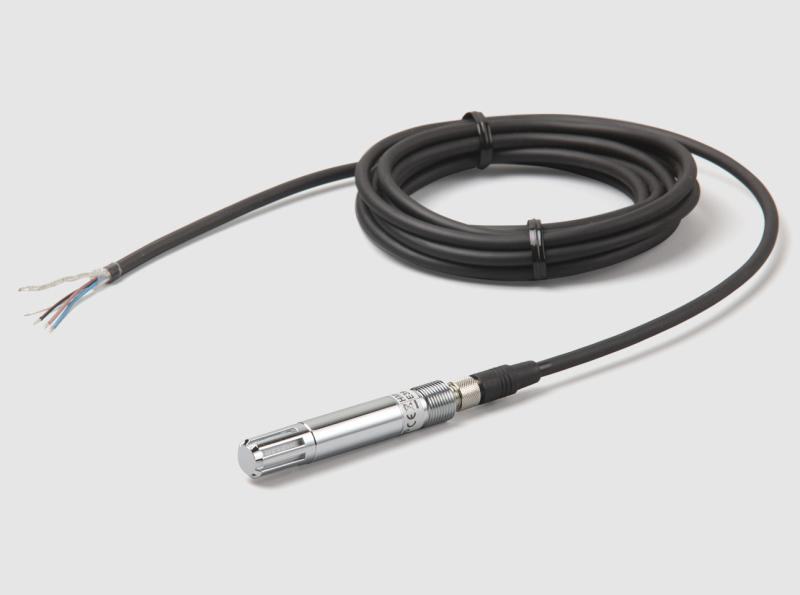
with ±1.5%RH accuracy for demanding volume applications
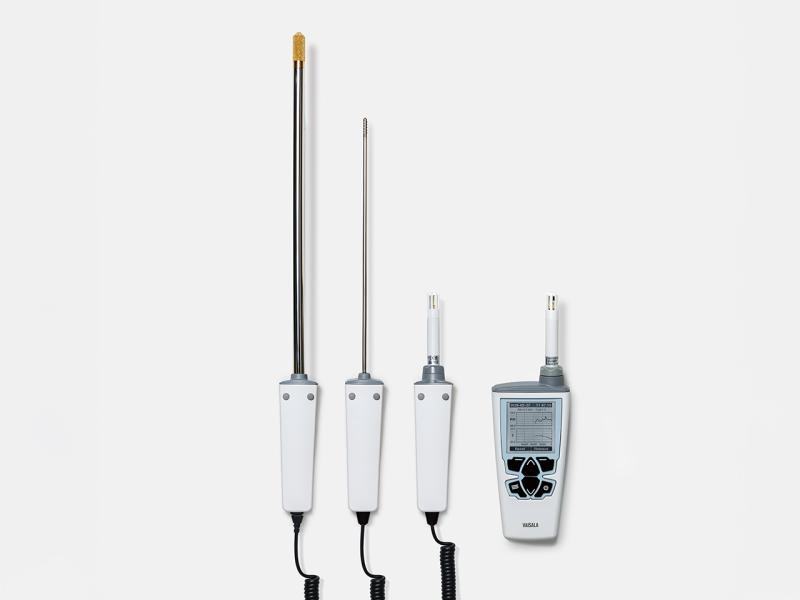
for quick inspections and spot-checking
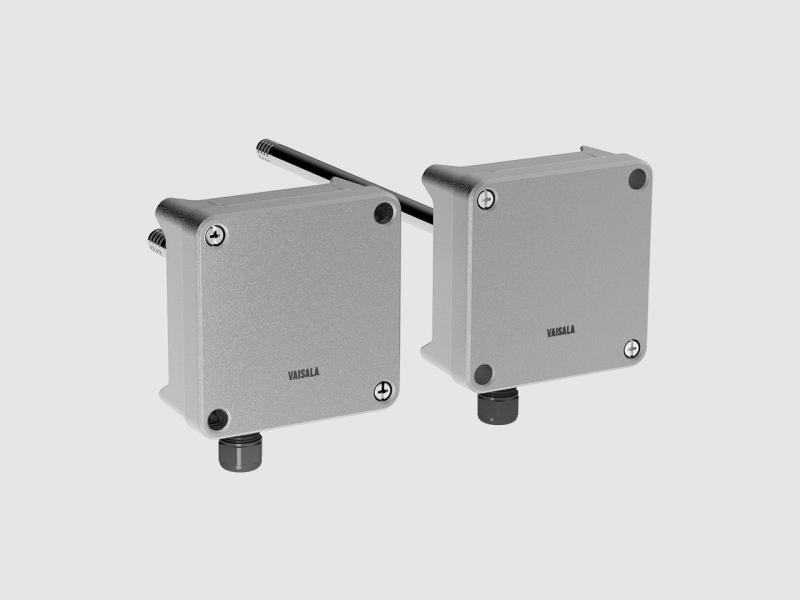
For high precision measurements in demanding HVAC applications
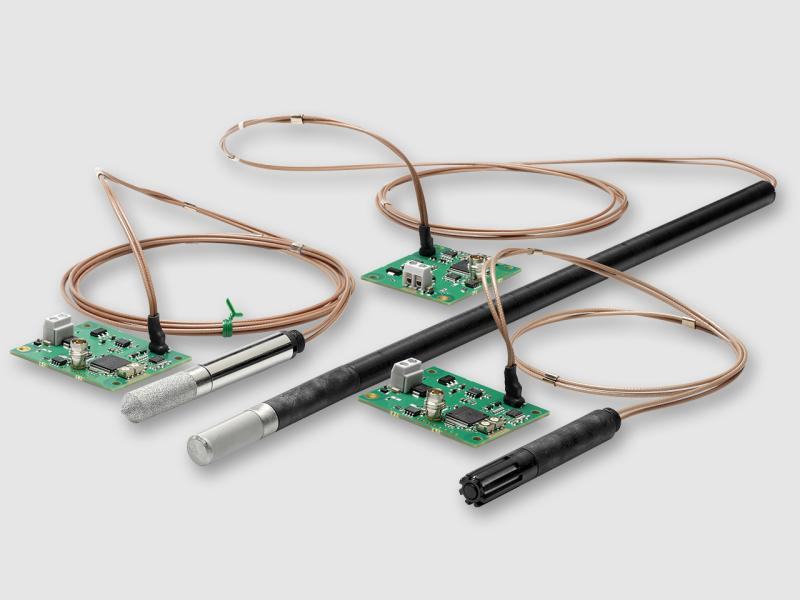
for environmental chambers
with ±1.5%RH accuracy for demanding volume applications
with ±1.5%RH accuracy for demanding volume applications
with ±1.5%RH accuracy for demanding volume applications

What relative humidity, dew point, absolute humidity and mixing ratio are, how temperature and pressure distort the reading, and why dew point is…
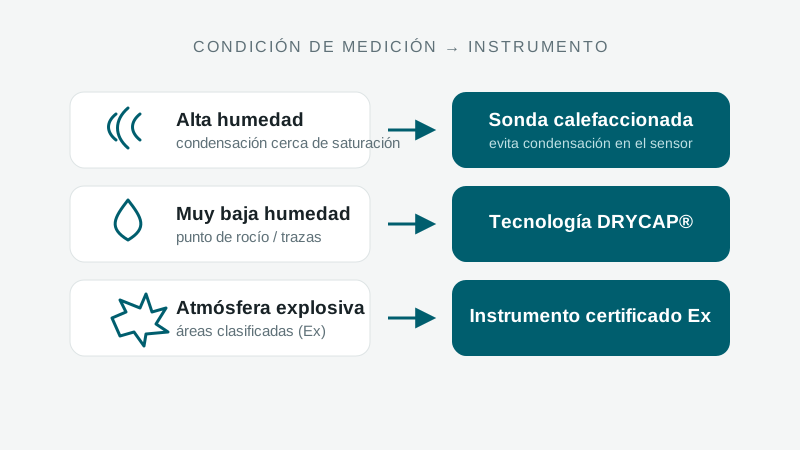
When to measure relative humidity vs. dew point, what high and low humidity demand, how temperature and pressure factor in, and when a warmed probe…

Cooling accounts for up to 40% of a data center's energy demand. This Vaisala guide explains how measurement accuracy cuts costs and risks, with a…

Why measuring oxygen concentration alone is not enough to detect air ingress in sealed transformers, and how total gas pressure turns leak detection…
A specialist replies with the solution, the instrument and the service that fit.
Instruments to quote
No instruments yet. An enquiry can be sent anyway: a specialist answers.