

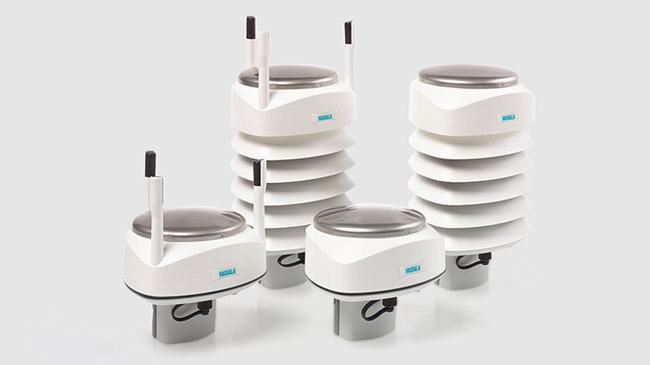
Weather Transmitter WXT530 Series
Vaisala Weather Transmitter WXT530 series is a unique collection of cost-effective sensors that accurately and reliably measure weather conditions…
Technical note
Lessons from 13 years on the frontline: why reliable weather data matters
Conditions on the ground and in the air are a constant factor in defense operations, shaping what is possible and how safely it can be done. In practice, access to reliable, local weather data is not always guaranteed, particularly when systems fail or connectivity is limited.
Drawing on 13 years in the United States Army, including deployments in Afghanistan, Alex Faulconer now works as a Business Development Manager at Vaisala, focusing on defense. In this article, he shares firsthand lessons from the field and explains why dependable, on-site weather intelligence is critical to mission success.
I spent 13 years in the U.S. Army, including deployments in Afghanistan and missions across multiple regions. One thing that never changed, no matter where I was operating, was the impact of weather.
You can’t change it. But it will always affect you.
I’ve seen sandstorms ground aircraft, extreme conditions damage equipment, and weather shift fast enough to change the outcome of a mission in a matter of hours. In those environments, weather isn’t just background context. It becomes part of the mission itself.
And if you don’t understand it, you’re already at a disadvantage.
On the frontline, weather directly influences what you can and can’t do.
As a mortarman, accuracy was everything. Even small changes in wind, temperature, or humidity could affect where rounds landed, especially when operating close to your own troops. That’s not theoretical, that’s real risk.
The same applies across operations. Pilots need to understand surface conditions and visibility before landing. UAV operators need to know where cloud cover sits and how wind will affect flight. Ground units need to anticipate how conditions will impact movement, equipment, and safety.
In places like Afghanistan, conditions could change quickly and vary dramatically over short distances. If you weren’t aware of what was happening locally, it could become dangerous very fast.
A lot of modern defense capability relies on digital systems and networked data. In theory, that should make things easier.
In reality, it doesn’t always work that way.
I can’t overstate how many times systems didn’t work the way they were supposed to. Networks fail. Data doesn’t come through. Platforms go down. And when that happens, you’re left making decisions without the information you need.
We used to have a simple mindset: if you don’t trust it, you don’t use it.
That gap between available data and operational reality is exactly why systems like exist. They’re designed to provide reliable, local weather observations directly at the point of need, without relying on external infrastructure.
In those situations, you fall back on whatever you can rely on. Sometimes that meant going back to manual methods, even in high-pressure scenarios. That’s not where you want to be when accuracy and timing matter.
Why local, reliable data matters
What you really need on the frontline is simple. You need data you can trust, right where you are, when you need it.
Not something that depends on a network. Not something that might arrive too late. Something immediate and reliable.
That’s critical in situations like:
In many operations, that local data doesn’t stand alone. It feeds into wider systems, supporting everything from artillery fire control to aviation decision-making. In more advanced setups, surface observations are combined with upper-air data and additional sensors to build a complete picture of conditions from ground level through to altitude.
In all of these cases, decisions are made in real time. The quality of those decisions depends directly on the quality of the data available.
After enough time in the field, your requirements become very clear.
Systems need to be:
When you’ve been operating for long periods, often under pressure, you don’t have time for complexity. You need something that works every time you turn it on.
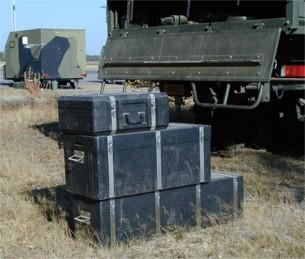
From my experience, systems like TacMet make a real difference here. Being able to deploy quickly and rely on the data without needing external connectivity gives you confidence in what you’re working with, and that confidence carries through into your decisions.
Image: TacMet, packed and ready for deployment. Basic configuration: 2 transit cases, 44 kg. Enhanced configuration: 4 transit cases, 115 kg
Technology will keep evolving, but the conditions won’t.
Weather will always be there, and it will always have an impact on operations. If anything, the shift toward more distributed operations and increased use of UAVs makes local weather awareness even more important.
The need is simple: understand what’s happening around you, right now.
Because on the frontline, that’s what makes the difference.
Webinar
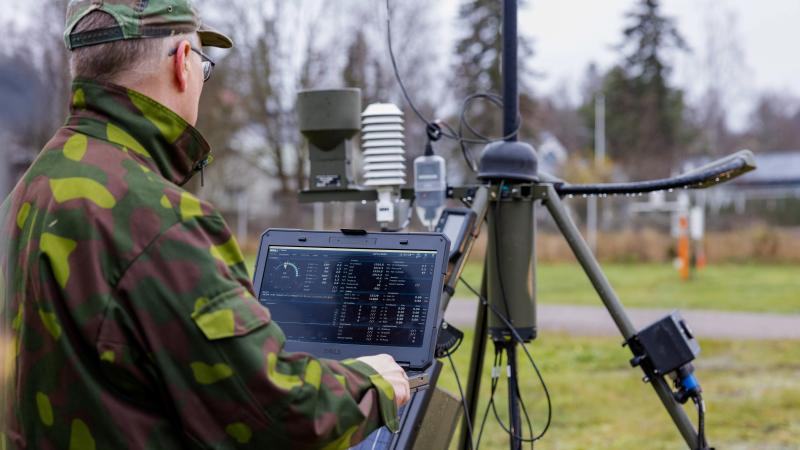
In this webinar, Vaisala experts and a representative from the Canadian Armed Forces will share how portable, rapid-deploy weather systems support modern military air operations. You will see how TacMet MAWS201M delivers accurate, real-time weather observations in environments where permanent infrastructure is unavailable, unreliable, or impractical.
Vaisala TacMet MAWS201M is a portable, rapid-deploy weather observation system designed for defense operations. It delivers real-time, aviation-grade weather data to support missions such as artillery, UAV operations, and temporary airfields.
TacMet is built for speed and simplicity. The basic configuration can be set up in under 15 minutes, allowing teams to start collecting reliable weather data almost immediately, even in remote or austere environments.
The system measures key parameters including wind speed and direction, temperature, humidity, pressure, and precipitation. It can also be expanded with sensors for visibility, cloud height, and freezing rain to support full aviation operations.
TacMet is engineered for harsh conditions, operating in temperatures from −50 to +60 °C with a rugged, IP66-rated design. Its reliability and built-in diagnostics ensure consistent performance when other systems may fail.
Yes. TacMet is designed to work without relying on external networks, with options for battery and solar power and local data delivery. This ensures continuous access to trusted weather data, even when connectivity is limited or unavailable.
Vaisala Weather Transmitter WXT530 series is a unique collection of cost-effective sensors that accurately and reliably measure weather conditions…
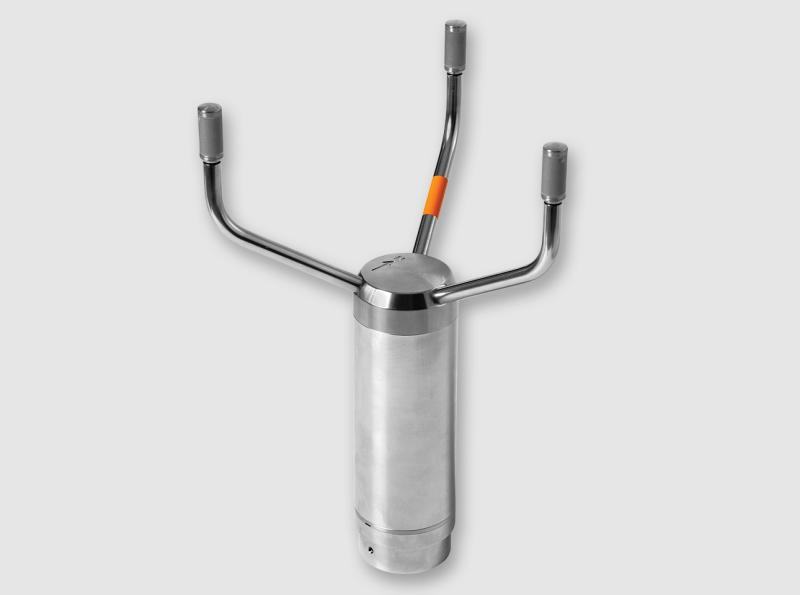
Ultra-reliable, ultrasonic

for cleanrooms and industrial settings
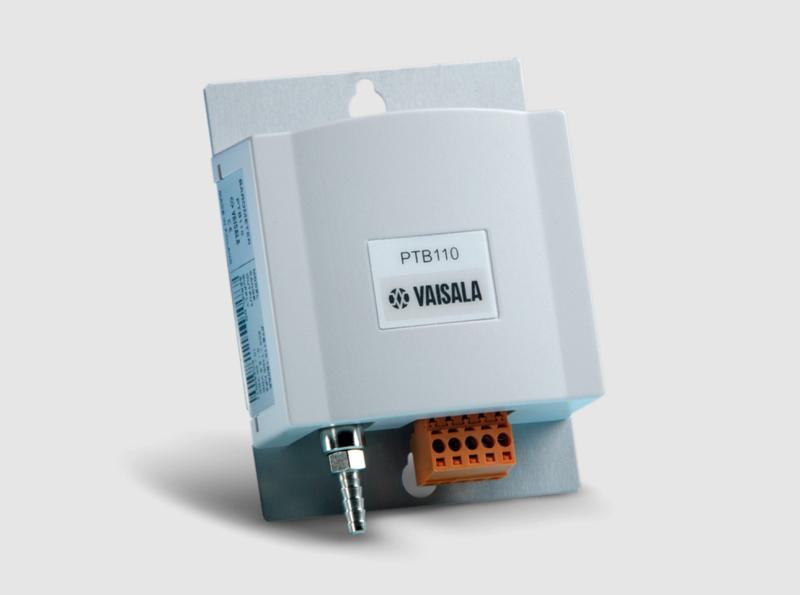
for industrial use
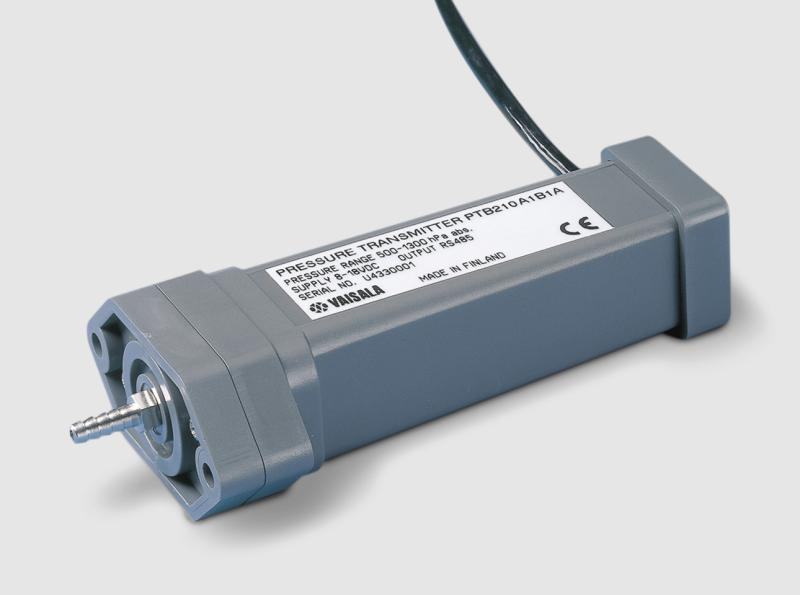
for harsh environments
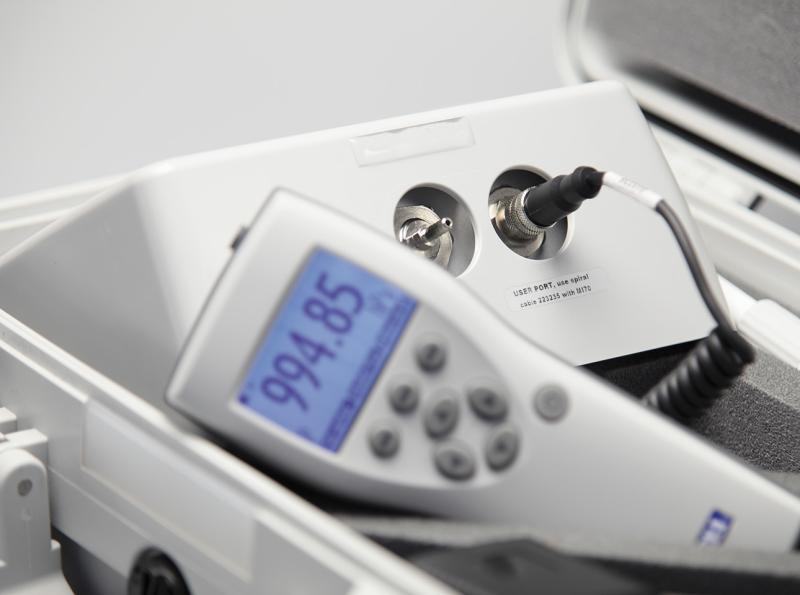
Portable, battery operated transfer standard with data capability

What relative humidity, dew point, absolute humidity and mixing ratio are, how temperature and pressure distort the reading, and why dew point is…

How humidity behaves in real conditions, the three most common measurement problems, and two practical scenarios —heated air and compressed air—…

When to measure relative humidity vs. dew point, what high and low humidity demand, how temperature and pressure factor in, and when a warmed probe…

Cooling accounts for up to 40% of a data center's energy demand. This Vaisala guide explains how measurement accuracy cuts costs and risks, with a…
A specialist replies with the solution, the instrument and the service that fit.
Instruments to quote
No instruments yet. An enquiry can be sent anyway: a specialist answers.