

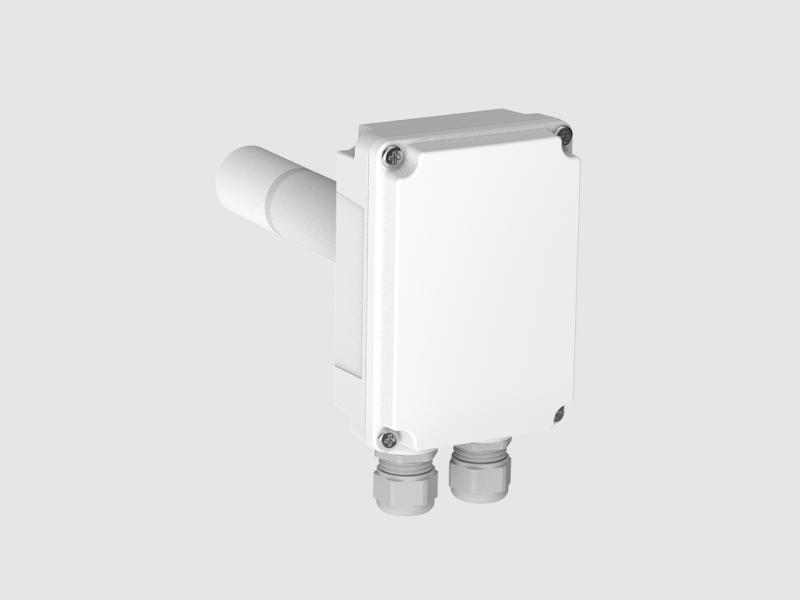
Duct CO2 Transmitter GMD110
For high-accuracy measurements in HVAC applications
Technical note
With buildings accounting for around 40% of global energy consumption and HVAC systems consuming 38% of the energy in a building, there is huge potential on offer to make cost savings and contribute to the fight against climate change. This is particularly true in mission-critical buildings and energy-intensive environments. Decarbonization is also highly relevant in terms of the economic value of buildings. Buildings that are designed or upgraded with sustainability in mind can command a higher market value.
There are several standards and regulations in place today that encourage the adoption of more sustainable construction practices. These include the International Energy Conservation Code (2018), the EU Energy Performance of Buildings Directive, and the State of California’s Building Standards Code. This code requires demand-controlled ventilation (DCV) in some spaces with high occupancy.
Today, the two leading rating systems for green building are the UK’s BREEAM (Building Research Establishment Environmental Assessment Method) and the LEED (Leadership in Energy and Environmental Design), developed in the US. Both systems recognize the importance of DCV in terms of conserving energy and maintaining good indoor air quality.
DCV with accurate and robust CO2 control has the potential to cut energy consumption by 50% compared to a system that simply supplies a constant volume of air into a building. A building with a smart, sustainable DCV system is not only far less energy intensive – it is also far less at risk of becoming an obsolete asset as environmental regulations continue to tighten.
But while energy savings are important, they are only one part of the story.
Indoor air quality has a big impact on the health, productivity, and general well-being of a building’s occupants. In buildings with poor indoor air quality – indicated by elevated CO2 levels – people can find it more difficult to make decisions, concentrate on complex tasks, and respond effectively to crisis situations.
Elevated CO2 levels inside a building are a warning sign that the ventilation system isn’t doing its job properly.
DCV systems adjust the flow of air according to demand inside the building, reducing the intake of outdoor air when building occupancy rates are lower and increasing it when they are higher. This serves two main purposes:
Accurate, reliable measurements are essential for DCV to work properly. DCV systems typically use CO2 measurements as the trigger parameter to detect occupancy levels and the need for increased ventilation in a specific space.
When your goal is to achieve the best possible indoor air quality in the most energy-efficient way, trustworthy measurements are essential for your ventilation system control loop. Using poor-quality sensors will lead to measurement drift, eventually resulting in lower IAQ or increased energy costs. At the heart of Vaisala’s products for HVAC applications are some unique sensor technologies that will give you the accurate control you need.
These include:
These proven technologies are the key to ensuring accurate long-term measurement for control loops in DCV systems. Reliable, high-quality sensors not only help to keep your control loop working optimally – they also contribute to energy savings.
Improving indoor air quality with smart DCV leads to health and productivity gains, and it can be done at the same time as optimizing energy costs and improving the sustainability of your building. Using high-quality, accurate sensors with excellent long-term reliability will make your building more energy efficient and future-proof, while improving the health and well-being of occupants.
By matching airflow into the building with actual demand, a smart DCV system with reliable sensors can:
For high-accuracy measurements in HVAC applications
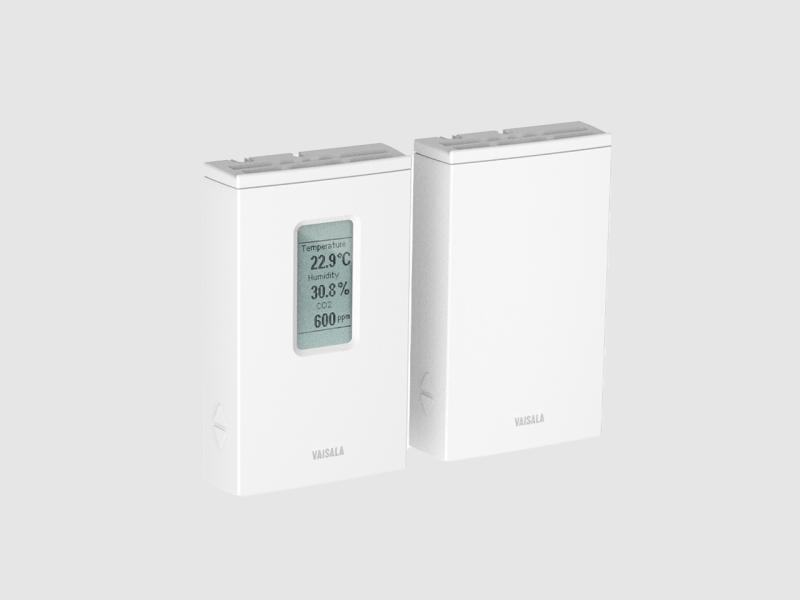
for green building projects
for green building projects
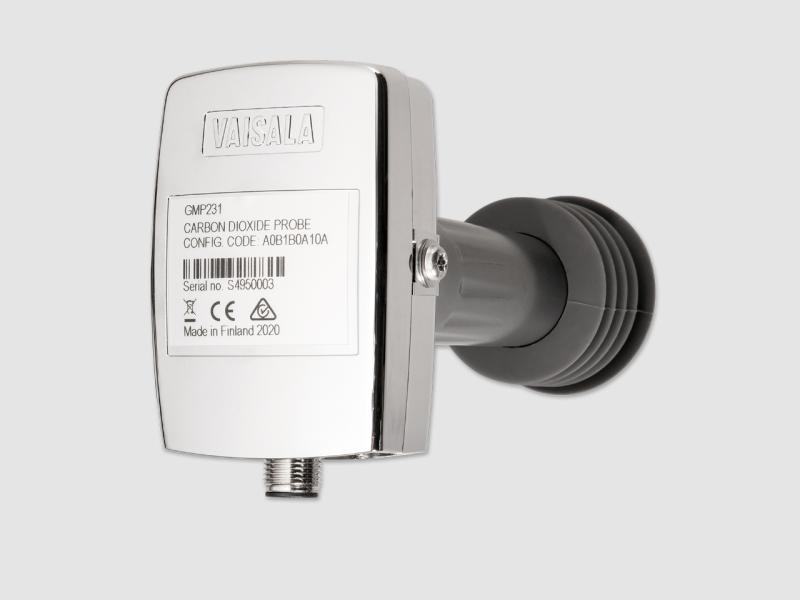
for CO₂ incubators
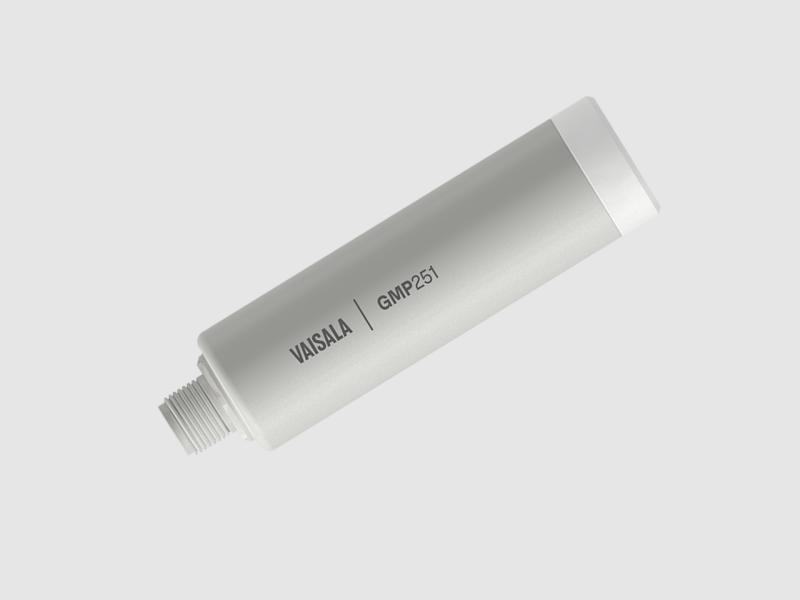
for %-level measurements in life science incubators, cold storage facilities and all demanding applications
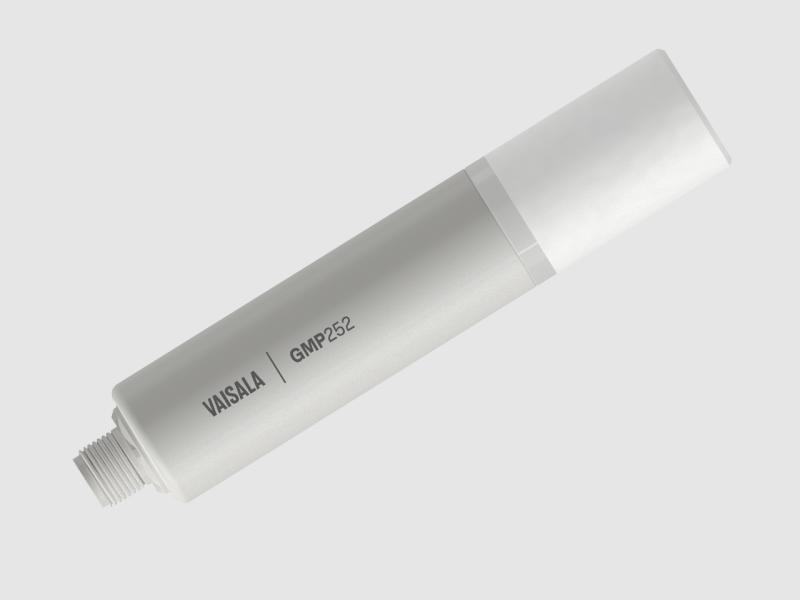
for ppm-level measurements in agriculture, refrigeration, demanding HVAC, and for plant growth manufacturers

What relative humidity, dew point, absolute humidity and mixing ratio are, how temperature and pressure distort the reading, and why dew point is…

How humidity behaves in real conditions, the three most common measurement problems, and two practical scenarios —heated air and compressed air—…

When to measure relative humidity vs. dew point, what high and low humidity demand, how temperature and pressure factor in, and when a warmed probe…

Cooling accounts for up to 40% of a data center's energy demand. This Vaisala guide explains how measurement accuracy cuts costs and risks, with a…
A specialist replies with the solution, the instrument and the service that fit.
Instruments to quote
No instruments yet. An enquiry can be sent anyway: a specialist answers.