

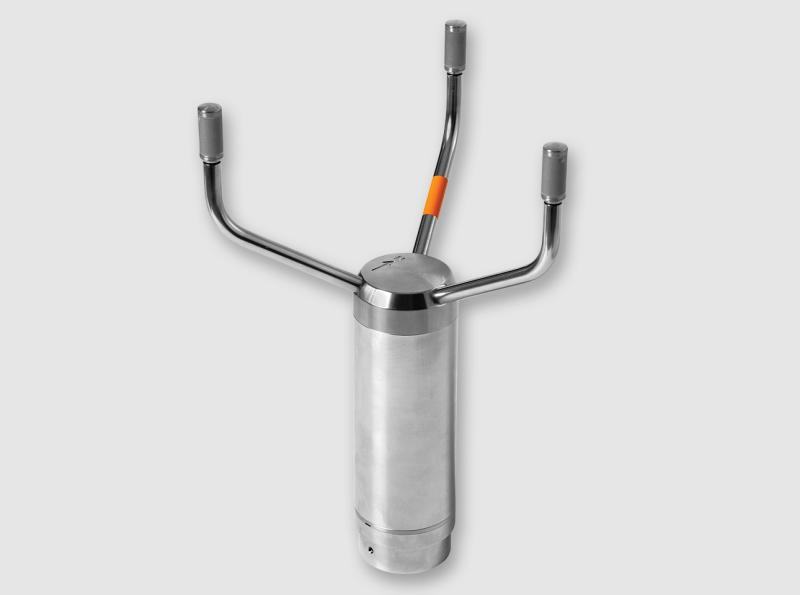
WINDCAP Ultrasonic Wind Sensor WMT700
Ultra-reliable, ultrasonic
Technical note
Guidelines on dual scanning lidar measurements for wind resource assessments
Scanning light detection and ranging (lidar) technologies are finding increasing use for wind speed measurements, especially in the field of wind resource assessments for the wind energy industry. Two key advantages of scanning lidars compared to other wind measurement technologies are:
This can help to reduce costs and logistic efforts, for example when measuring wind speed over the sea from locations on the coast, or if interrogating multiple locations in a large planning area with limited access and infrastructure.
The aim of this document is to provide guidance in the absence of an existing standard. By sharing practical insights and best practices in campaign planning and execution, uncertainty assessment, and documentation it may facilitate the decision-making process and make the technology more accessible to potential users.
...
Ultra-reliable, ultrasonic
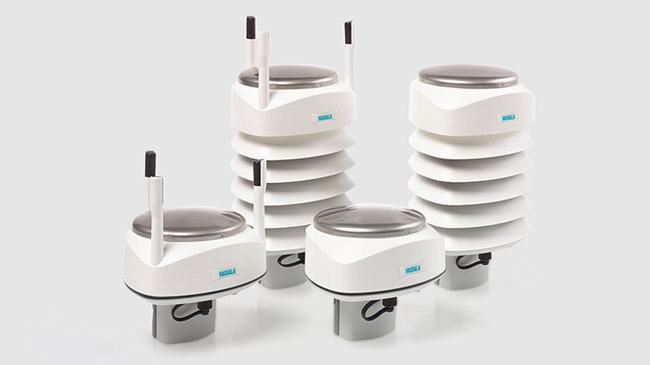
Vaisala Weather Transmitter WXT530 series is a unique collection of cost-effective sensors that accurately and reliably measure weather conditions…

What relative humidity, dew point, absolute humidity and mixing ratio are, how temperature and pressure distort the reading, and why dew point is…

How humidity behaves in real conditions, the three most common measurement problems, and two practical scenarios —heated air and compressed air—…

When to measure relative humidity vs. dew point, what high and low humidity demand, how temperature and pressure factor in, and when a warmed probe…

Cooling accounts for up to 40% of a data center's energy demand. This Vaisala guide explains how measurement accuracy cuts costs and risks, with a…
A specialist replies with the solution, the instrument and the service that fit.
Instruments to quote
No instruments yet. An enquiry can be sent anyway: a specialist answers.