

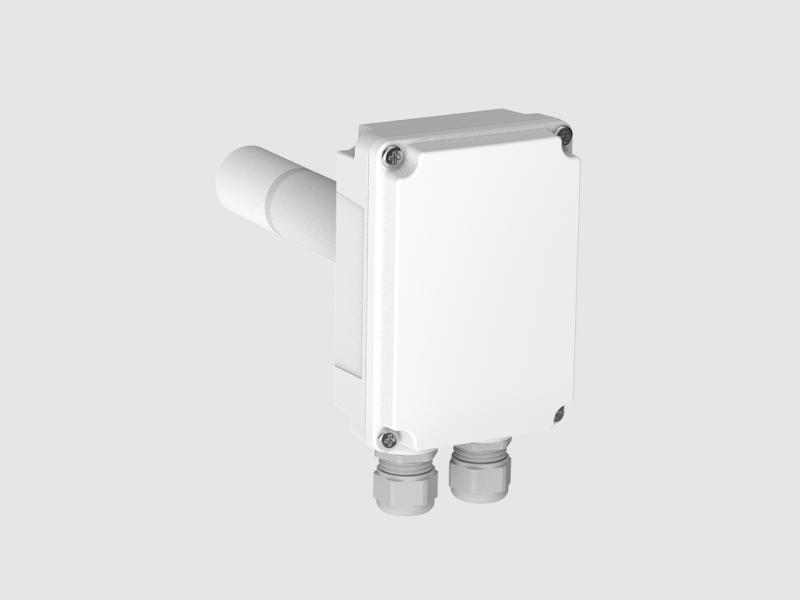
Duct CO2 Transmitter GMD110
For high-accuracy measurements in HVAC applications
Technical note
CO2 sensors are central in reducing energy consumption using demand-controlled ventilation (DCV). As the measurement directly controls the amount of fresh air used, measurement accuracy requirements are tightening.
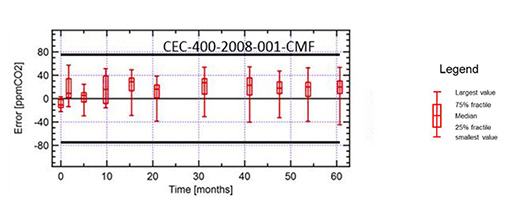
The Californian regulation CEC-400-2008-001-CMF requires a ±75ppm accuracy at 600 ppm and 1000 ppm including 5 years stability. ASHRAE standard 90.1 for green buildings requires a ±50 ppm accuracy at 1000 ppm. This kind of accuracy will not be achieved with simple instruments relying on 400 ppm background concentration compensation algorithms. The 1000 ppm control CO2 concentration is too far from the supposed 400 pm background CO2 concentration as sensitivity drift is also likely to build up over time. Especially the ±50 ppm requirement can be achieved only with dual beam or single beam-dual wavelength instruments (like the Vaisala CARBOCAP®) that are regularly calibrated using calibration gases. For these requirements, a calibration interval of 2 years is probably enough depending on the instrument type. For the more common ±75 ppm accuracy requirements a 5-year interval is enough.-
Vaisala CARBOCAP® is unique among commercial HVAC CO2 sensors in that it combines the advantages of both single beam and dual wavelength technology. With this technology and our tunable band pass filter, we can measure both the CO2 absorption signal and a reference signal using a single set of components. This means that you get a real reference measurement in every measurement cycle, which eliminates most drift factors and ensures excellent long-term stability and a long service life.
With the CARBOCAP® technology you also get correct readings immediately after power-on. This eliminates the need for a second visit to the location to see how the sensors are working after the initial learning period required for some other sensor types.
In our latest generation sensors we also use an unique light source, the microglow chip. This micro-hotplate provides excellent light intensity and stability combined with a modest power consumption. This component makes it possible to extend the sensor lifetime beyond 15 years, something not possible with traditional filament lamps.
The graph below shows stability test results for Vaisala CO2 HVAC sensors. The results show that after five years of operation every single unit is within the stability specification. The black line indicates the stability requirements set out in the Californian Energy Commission’s CEC-400-2008-001 standard (Efficiency standards for residential and non-residential buildings).
Figure 1: Five-year stability test with 23 Vaisala CARBOCAP® units at 1000 ppm
Watch webinar to learn more about the benefits of Vaisala CARBOCAP® or take a look at our HVAC product offering.
The next blog in this series covers the importance of choosing the right kind of CO2 measurement sensor for your specific application.
For high-accuracy measurements in HVAC applications
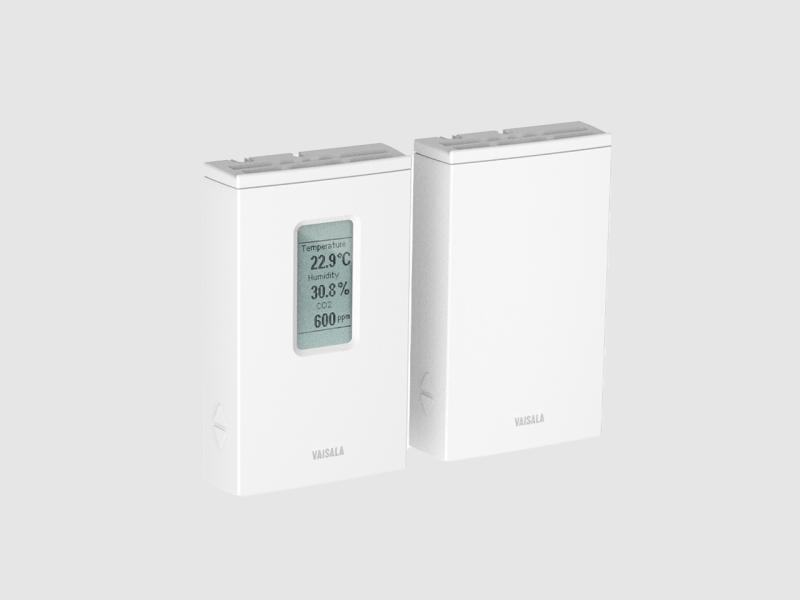
for green building projects
for green building projects
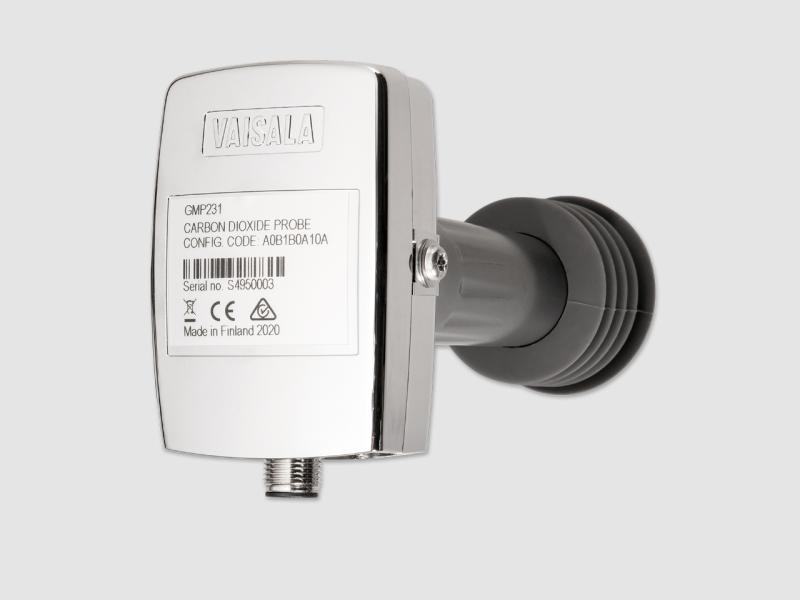
for CO₂ incubators
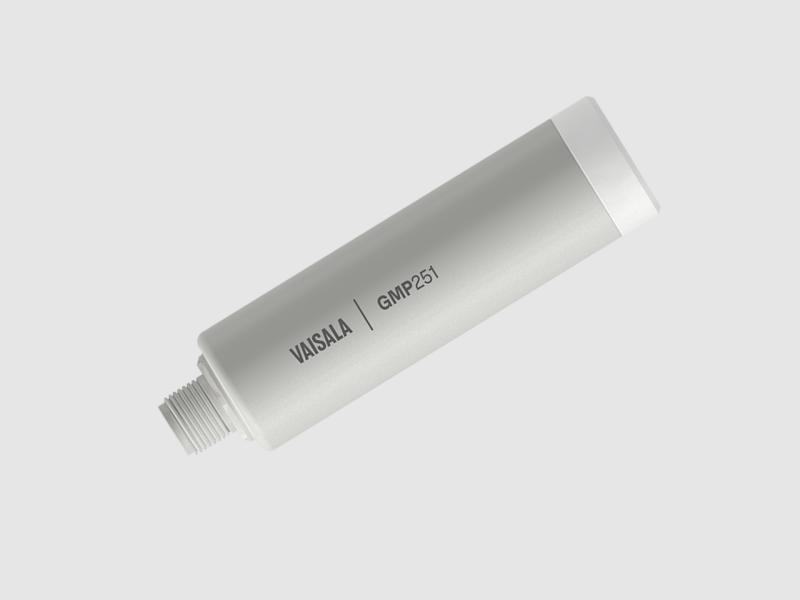
for %-level measurements in life science incubators, cold storage facilities and all demanding applications
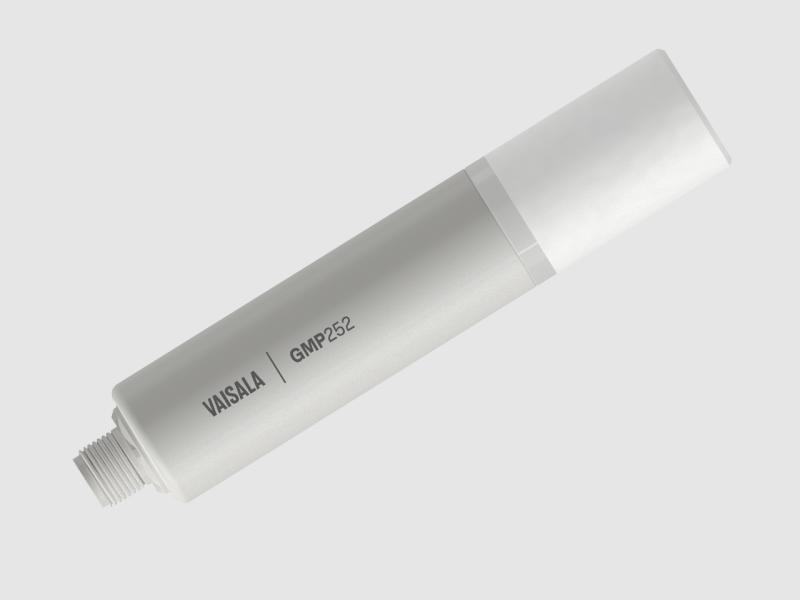
for ppm-level measurements in agriculture, refrigeration, demanding HVAC, and for plant growth manufacturers

What relative humidity, dew point, absolute humidity and mixing ratio are, how temperature and pressure distort the reading, and why dew point is…

How humidity behaves in real conditions, the three most common measurement problems, and two practical scenarios —heated air and compressed air—…

When to measure relative humidity vs. dew point, what high and low humidity demand, how temperature and pressure factor in, and when a warmed probe…

Cooling accounts for up to 40% of a data center's energy demand. This Vaisala guide explains how measurement accuracy cuts costs and risks, with a…
A specialist replies with the solution, the instrument and the service that fit.
Instruments to quote
No instruments yet. An enquiry can be sent anyway: a specialist answers.