

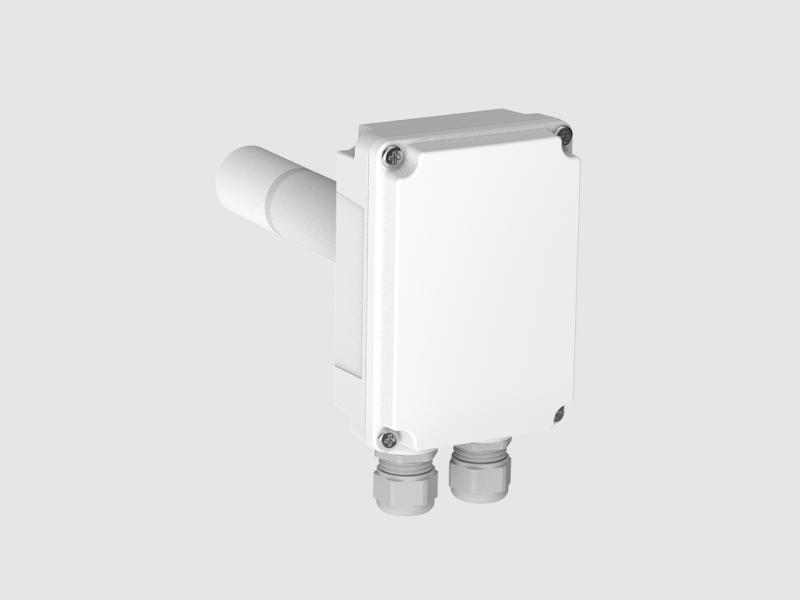
Duct CO2 Transmitter GMD110
For high-accuracy measurements in HVAC applications
Technical note
The journey a vaccine or other potentially life-saving pharmaceutical product takes from lab to patient is like an intricate ballet. Storing and transporting critical medicines – like the first wave of Covid-19 vaccines currently being rolled out across the world – involves a series of carefully controlled tightly coordinated steps called a cold chain.
Any break in this chain could spell disaster – especially in the case of vaccines, which must be kept within a limited temperature range at all times, right up until they’re ready to be administered to a patient. One of the most common ways to do this is to use dry ice, which is made by forming blocks or pellets from chilled CO2 in liquid form. For the pharma cold chain, there’s nothing that can compete with dry ice in terms of maintaining the needed temperature stability during transportation.
But there’s a potential challenge: sublimation, or the natural release of CO2 gas from the dry ice. Pack the dry ice in something that doesn’t allow it to release enough CO2 and you run the risk of explosion; allow too much CO2 into the surrounding atmosphere – say a confined space like an aircraft hold or truck – and you could be risking the health and safety of the people responsible for transporting the products in a different way.
CO2 is present in the atmosphere, but at low levels of around 400 ppm. High concentrations are extremely dangerous because CO2 replaces oxygen – and it is completely odor free, meaning the human nose cannot detect it. Exposure to elevated levels of 10,000 ppm (1%) can cause drowsiness, heaviness in the chest, and headaches and sweating; levels above 5% are considered toxic. Just one minute of exposure to air containing 10-15% CO2 results in unconsciousness, and at levels between 17 and 30% fatal exposure occurs in even less time than that.
Accurate, reliable CO2 monitoring is therefore critical to maintain a safe working environment and product quality throughout the cold-shipment chain.
Vaisala’s world-leading CO2 sensors with CARBOCAP® technology have an impressive 20-year track record in CO2 measurements for industrial applications such as logistics cold-chains. Because they include a built-in reference measurement, they provide highly stable, accurate long-term measurement even in the harshest conditions.
The Vaisala CARBOCAP® Carbon Dioxide Probe GMP252 is an intelligent, stand-alone, ppm-level probe ideal for harsh and humid CO2 measurement environments. The GMP252 is part of the Indigo product family.
Our Indigo200 Series Transmitters for Vaisala smart probes enable easy evaluation and visualization of measurement data and are also ideal for harsh environments and resistant to dust and most chemicals.
Finally, there’s the Vaisala Hand-held Carbon Dioxide Meter GM70, a highly accurate user-friendly unit for spot-checking applications such as ensuring safety during use of dry ice or CO2 refrigeration. The GM70 pump enables both pump-aspirated and handheld diffusion sampling.
Take a look at our CO2 measurement page to find out more about our instruments and to download our guide on how to measure CO2.
For more information about CO2 measurements and you could benefit from them, contact us.
For high-accuracy measurements in HVAC applications
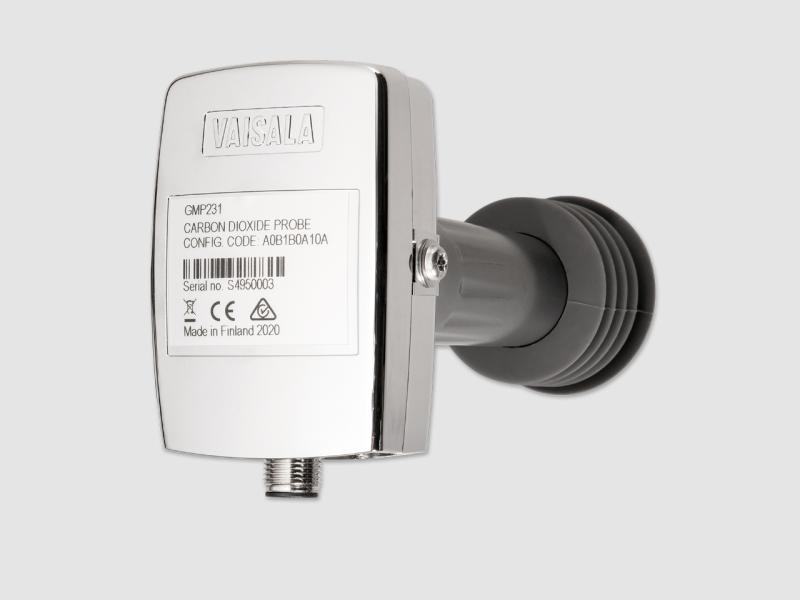
for CO₂ incubators
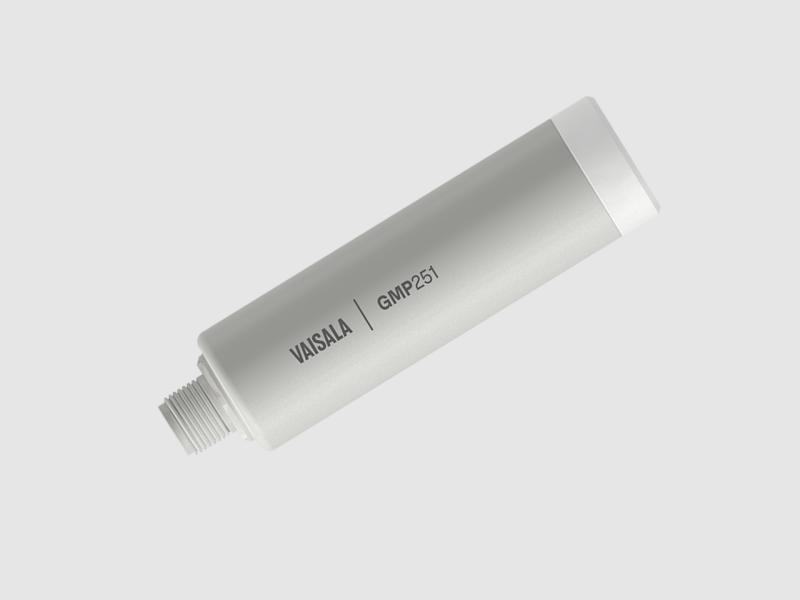
for %-level measurements in life science incubators, cold storage facilities and all demanding applications
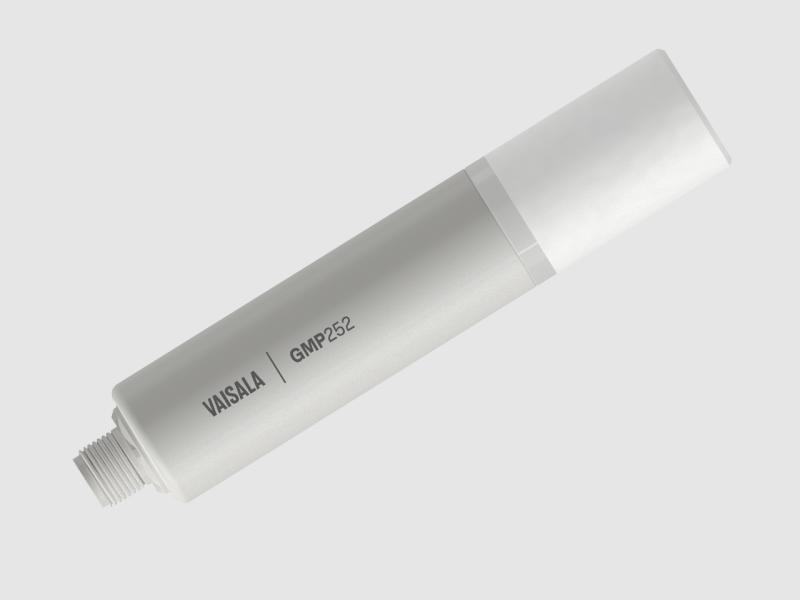
for ppm-level measurements in agriculture, refrigeration, demanding HVAC, and for plant growth manufacturers
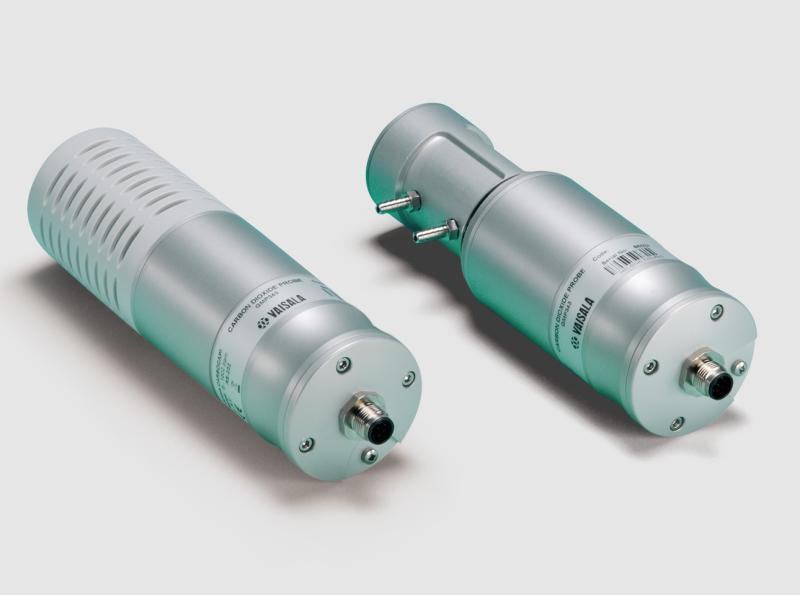
for demanding measurements
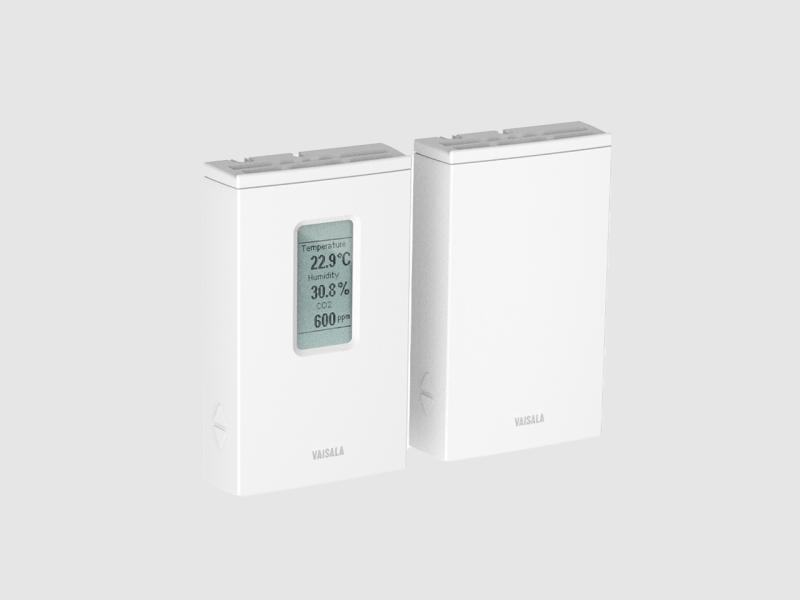
for green building projects

What relative humidity, dew point, absolute humidity and mixing ratio are, how temperature and pressure distort the reading, and why dew point is…

How humidity behaves in real conditions, the three most common measurement problems, and two practical scenarios —heated air and compressed air—…

When to measure relative humidity vs. dew point, what high and low humidity demand, how temperature and pressure factor in, and when a warmed probe…

Cooling accounts for up to 40% of a data center's energy demand. This Vaisala guide explains how measurement accuracy cuts costs and risks, with a…
A specialist replies with the solution, the instrument and the service that fit.
Instruments to quote
No instruments yet. An enquiry can be sent anyway: a specialist answers.