

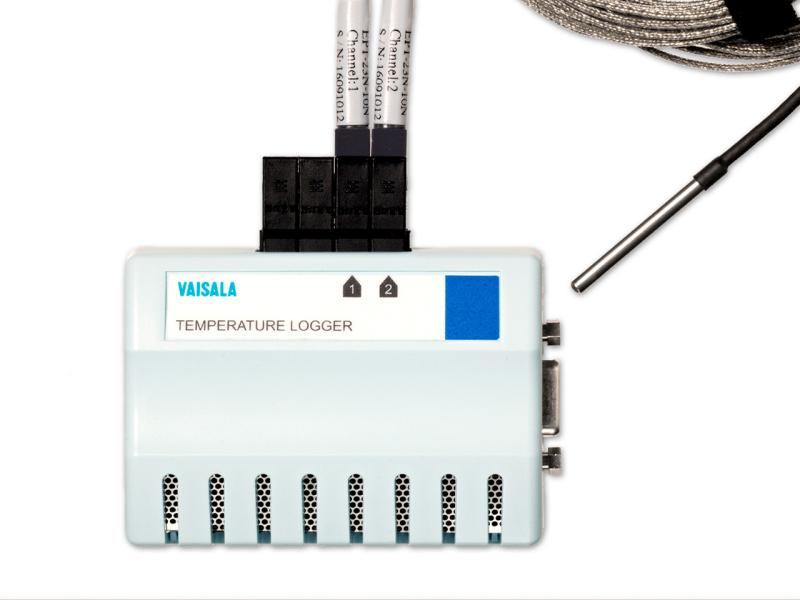
DL1000-1400 Temperature Logger
for demanding temperature monitoring & mapping
Technical note
Vaisala Senior GxP Regulatory Expert Paul Daniel often receives questions about validation. Most questions are common to others in GxP-regulated industry, and fairly easy to answer with materials that are already published in previous blogs and articles. But, occasionally we receive a question that is entirely new.
In this blog, Paul answers a question he's never received before. To ensure his answer is reasonable, he contacted a fellow validation professional with decades of experience in life science validation. Sometimes, two experts are better than one - especially if the question is exceptional.
With that in mind, we invite you to the webinar "Validation: Ask me Anything." Paul is joined by Josh Keenan by Axis Consulting. Together, they will attempt to answer all questions about validation for GxP compliance. Learn more and register...
M. wrote:
Paul wrote:
Let’s check in with my colleague and fellow editor of the ISPE good practice guide…D.
D wrote:
HI Paul and M.,
Thanks for including me in this discussion. First, Paul and I agree that there typically is no need to change a set point in a warehouse and he brought up several good points. In my experience, I have not had to change chamber settings for winter or summer applications. But for full disclosure, I have only managed a few chambers that were located outside and were used to store GMP products and so did not need to be adjusted.
Here are a few things that I would consider:
• What is the test acceptance criteria? Per USP it could be 15°C to 30°C or if it’s for a drug stability situation it could be ±2°C. The reason I ask is: does one degree set point change keep it from going out of specification as per test acceptance criteria, or are you just noticing that the trend looks different and want to compensate to maximize the allowable temperature alarm limits?
• Where are the probes located? If they are too close to the wall or ceiling, this could cause a difference in readings. The thermal break location is going to move in the wall and if the sensors are too close, it could be impacting the reading.
As mentioned, 1 degree of temperature is small. If we consider the measurement uncertainty of the sensors being used, does the total readable temperature still come out to 1°C?
This is an interesting question, so I called a friend of mine who owns and operates a chamber manufacturing company and presented this problem to him. He said that he has not experienced this issue. He builds his chambers to meet GMP and other regulatory requirements and his thoughts were the same as mine; it could be a number of issues.
All this being said, if you must change the set point per the seasons, my concern matches Paul’s: from an audit standpoint, any activity that is uncommon in GxP-related applications can get tricky. This is what I recommend:
a. Determine when you will temperature map and at what settings. Some in the auditing community feel that if you change the set point, or any other setting for that matter, you must remap the chamber. This might depend on how much of a change will be allowed. Some say that changing the set point one degree won’t make that much of a difference. This would depend on how big a span your test acceptance limits are.
I worked at a major pharmaceutical manufacturer for almost 30 years and was the primary audit contact for Development Stability, Reference Standards and Laboratory equipment. If I had to change the condition of a chamber, I would map it before the change so I could “bracket” testing from start of that condition to finish for that condition and then change the set point or any other adjustments I would need to make. Then I would map it again. If the 1st test failed it would require me to submit a deviation to prove the samples were safe. If the second test failed…. Actually, it couldn’t fail because you are allowed to do whatever you want to the chamber before starting the test. I would even collect data while testing the chamber.
b. If you want to go back and forth between set points without mapping each time, you might be able to get by with mapping the chamber at the current temperature, and then waiting until the season changed and then map again. My problem with this is, how do you know how cold or hot it’s going to get and how would that affect the temp in the chamber?
c. Continuous mapping: I haven’t tried this before, but if you are mapping continuously and all sensors were alarmed, I think you could justify any change to settings as you would always know if you within limits. Vaisala has a webinar on continuous mapping where Paul explains how this works.
In my experience, auditors focus mostly on whether you are using the chamber according to the chamber manufacturers’ recommendations and that products and samples are stored in the required temperatures. Be sure that all sensors are calibrated and documented.
Thank you again Paul for including me on this – it is a tough question!
M. replied:
Guys, I really appreciate your detailed responses. To be a bit more specific, we are doing qualification-level temperature mapping in our large warehouses for controlled storage 20-25°C rather than intermediate-use chambers.
We do allow excursions per the USP guidelines, but in general, we keep all sensors (every data point) between 20-25°C during the week-long summer and winter mapping studies. We allow for explainable excursions (e.g., a dock door opened), or other short excursions of less than an hour.
The problem we have encountered is that some of our storage spaces have a few sensors that consistently dip below 20°C in winter or above 25°C in the summer. Historically our facilities group has simply moved the thermostat seasonally so that we run a little cooler in the summer and hotter in the winter (within the range) to avoid having hot/cold spots that fluctuate out of range.
We have an older warehouse and air handling equipment. As you suggest, we have been requiring them to lock down the set points in order to consider it qualified and not require a remapping for three years. When they change the set point, I have been requiring a new mapping study.
We try to avoid the magical 25°C at any data point to align with USP <659> Packaging and storage requirements and we need to do a mean kinetic temperature calculation, which doesn’t have any clear set of instructions or acceptance criteria.
After this discussion with you both, I am going to continue to push for single set points and improved airflow or insulation to mitigate the seasonal fluctuations.
for demanding temperature monitoring & mapping
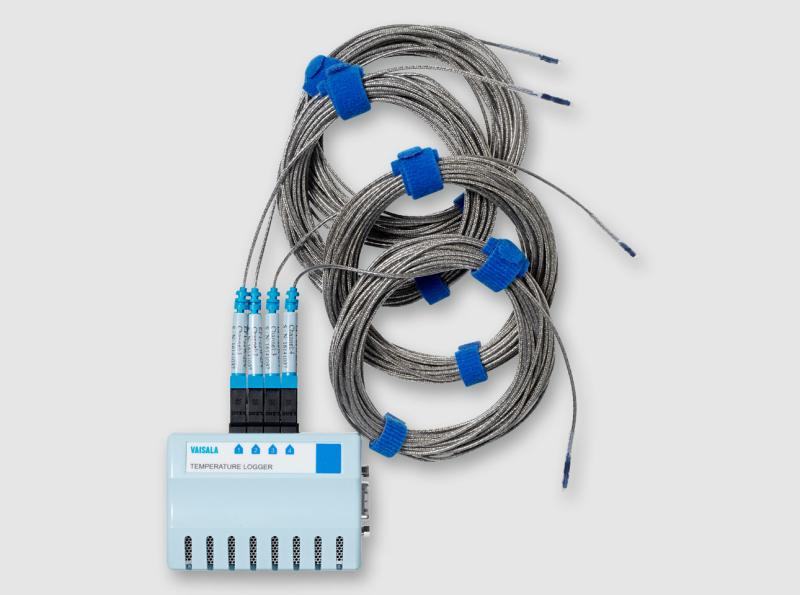
for wide-range temperature monitoring
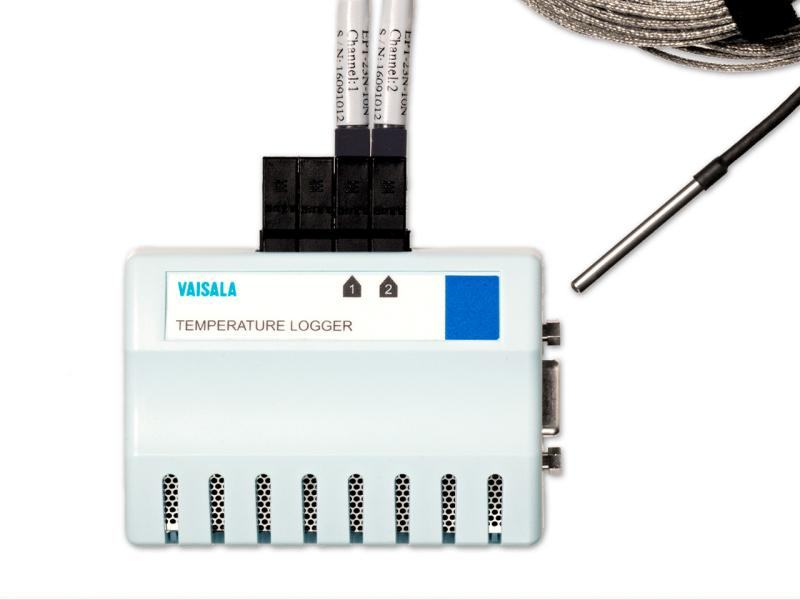
for demanding temperature monitoring & mapping
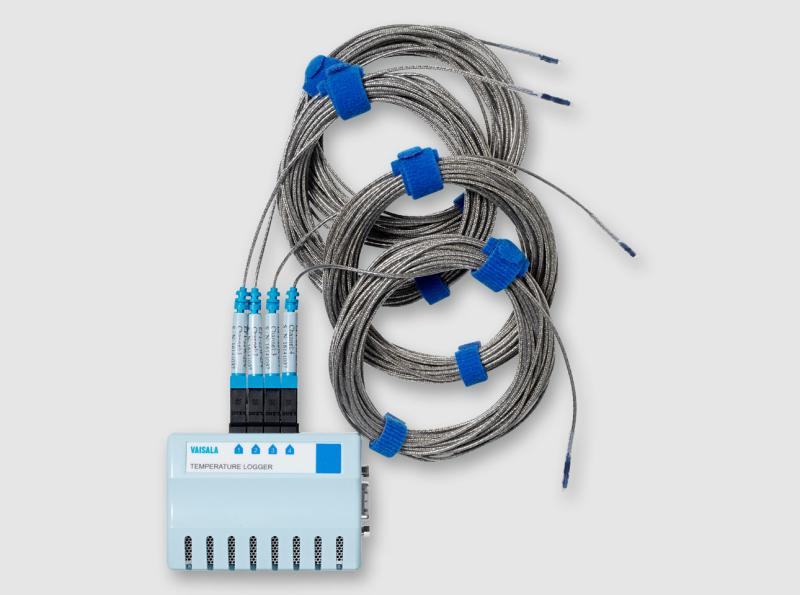
for wide-range temperature monitoring
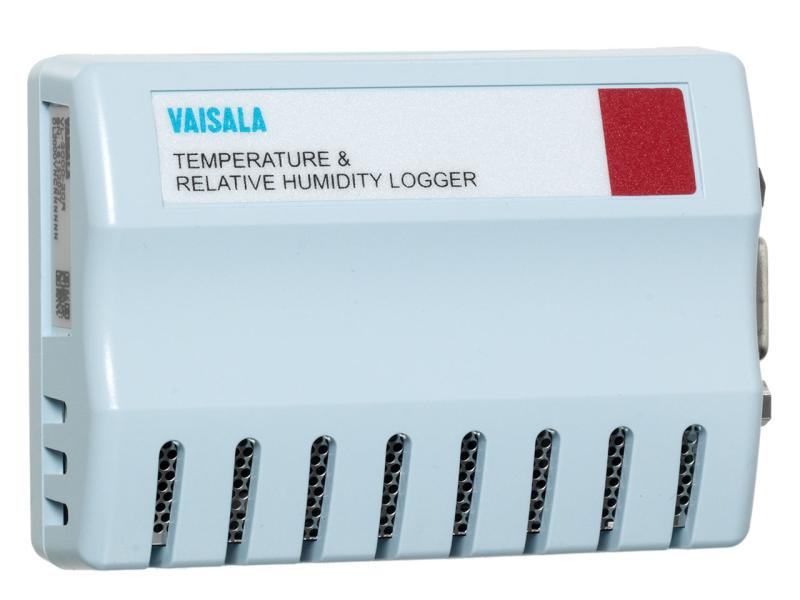
for monitoring temperature, humidity, with optional analog input
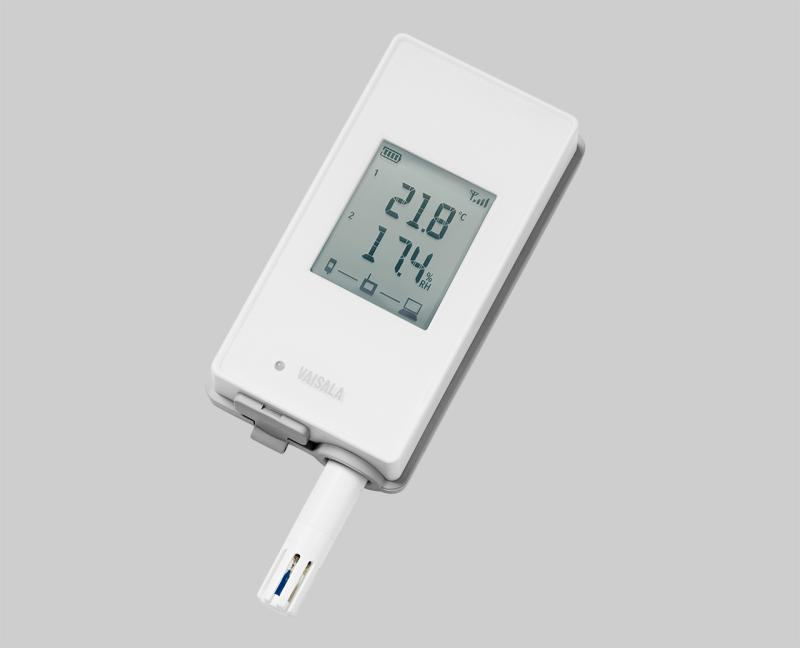
For wireless monitoring of controlled areas
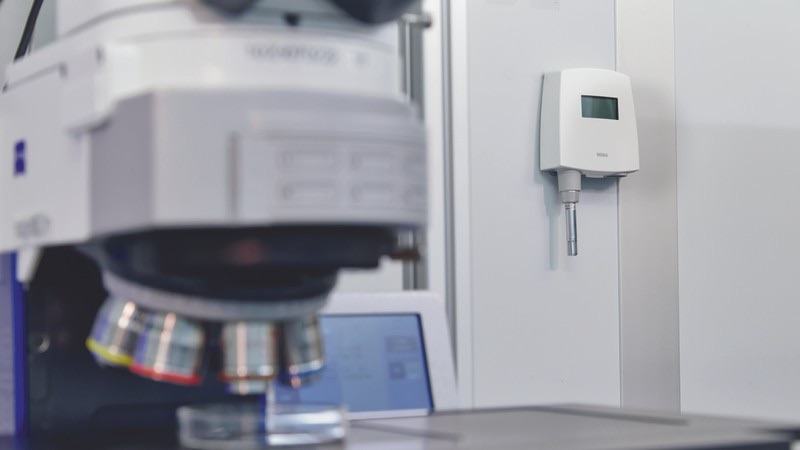
What relative humidity, dew point, absolute humidity and mixing ratio are, how temperature and pressure distort the reading, and why dew point is…
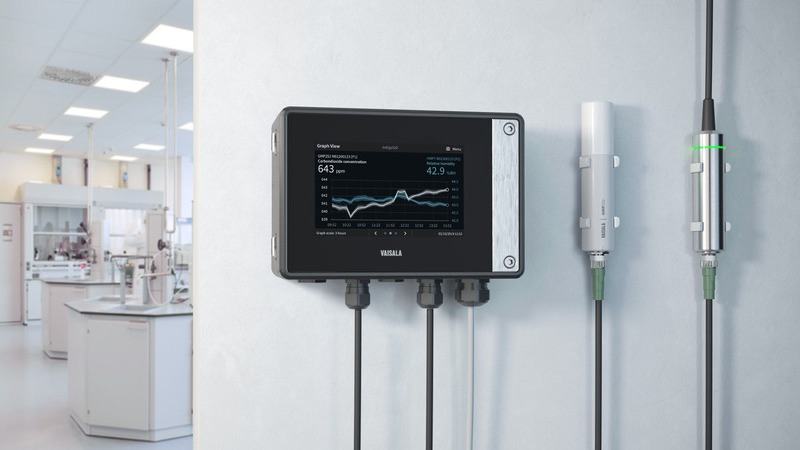
How humidity behaves in real conditions, the three most common measurement problems, and two practical scenarios —heated air and compressed air—…
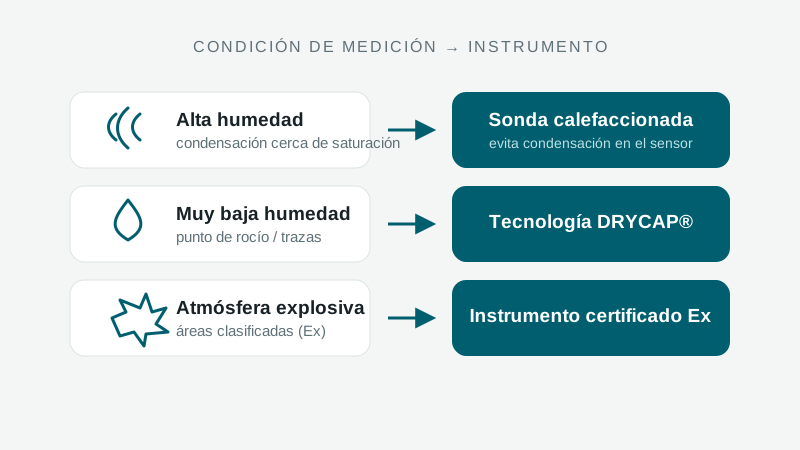
When to measure relative humidity vs. dew point, what high and low humidity demand, how temperature and pressure factor in, and when a warmed probe…

Cooling accounts for up to 40% of a data center's energy demand. This Vaisala guide explains how measurement accuracy cuts costs and risks, with a…
A specialist replies with the solution, the instrument and the service that fit.
Instruments to quote
No instruments yet. An enquiry can be sent anyway: a specialist answers.