

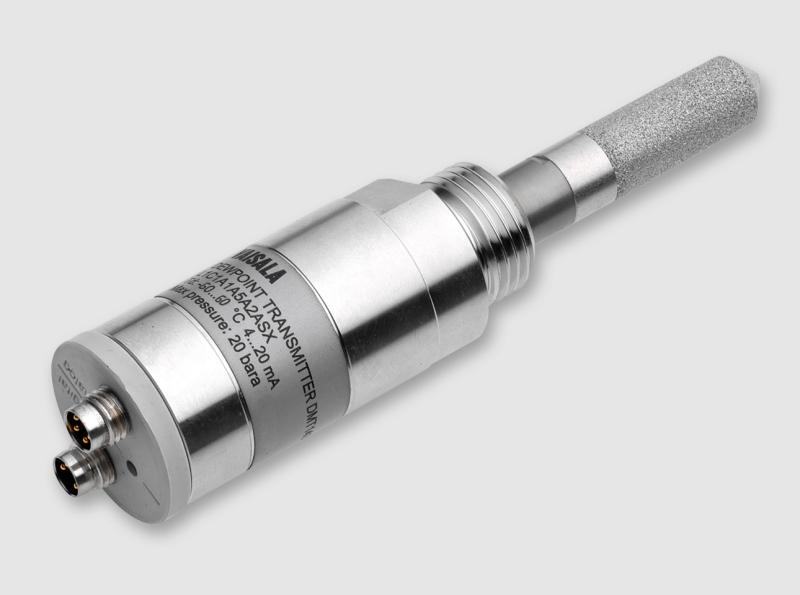
Miniature Dew Point Transmitters DMT143 & DMT143L (Long)
for OEM applications
Application note
Spray solvent tools are used in the post etch residual polymer removal process to clean the surface of wafers. EKC is a commonly used chemical in the process that employs two tanks. The process operating temperature of EKC is kept between 65 °C (149 °F) and 75 °C (167 °F). The actual residue removal takes place in the spray solvent tool where EKC is fed to, according to a pre-determined cycle of chemical recirculation and wafer run.
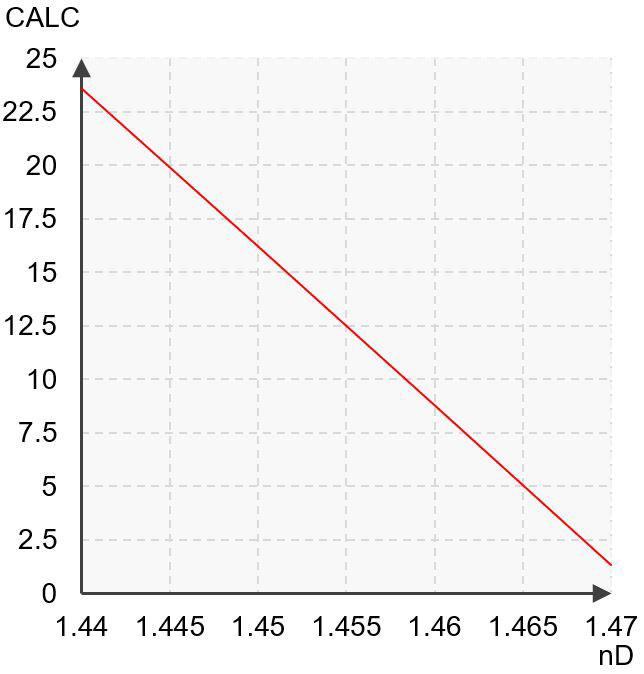
Chemical curve: Water in EKC R.I. per Conc% b.w. at Ref. Temp. of 20˚C
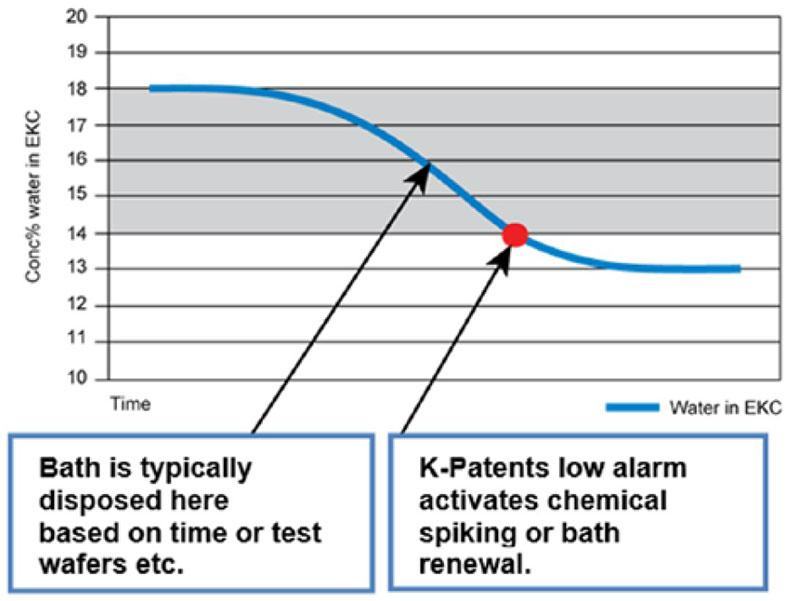
Two control strategies can be adopted with the aid of Vaisala Polaris™ PR53S Semicon Process Refractometer. The first one is to monitor water content in EKC, and the second is to maintain the water content at a constant level. The former allows for setting high and low alerts for the amount of water, which warrants safe wafer production. The latter has proved to provide a considerable reduction in the EKC consumption.
The recirculation starts when the wafer run in the spray solvent tool is over and the chemical is delivered to the EKC tank. The tank is partially drained of the chemical and refilled with fresh EKC and water. Water is evaporating through the exhaust system of the spray solvent tool during the spray run.
The amount of water in EKC is maintained with automated chemical spiking after each wafer run. The chemical spiking is activated using the PR53S output signal. This arrangement provides the exact set point for water in the EKC concentration and helps to optimize and reduce EKC replenishment.
After EKC clean, there is an IPA/Dry process where IPA may get contaminated with EKC traces. The Semicon Refractometer can monitor the concentration of the chemicals to alert of possible mixes. The refractive index values of EKC and IPA differ substantially allowing a very reliable measurement of EKC traces in IPA.

The Semiconductor Refractometer PR53S is installed in the EKC recirculation loop. The compact instrument’s design suits the water level control for EKC perfectly. Data logging software allows on-line printing of concentration and temperature profiles.
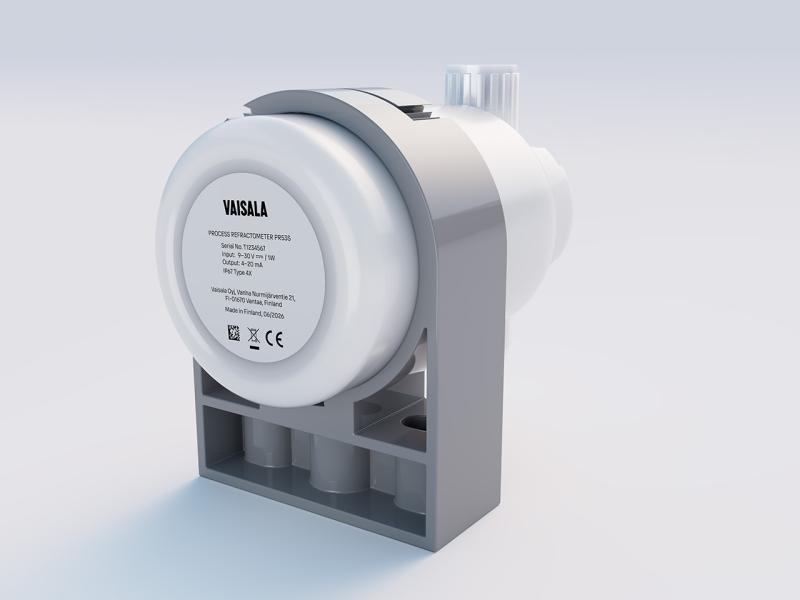
A small footprint ultrapure inline refractometer for real-time chemical concentration measurement in semiconductor wet processes.
Designed with a modified PTFE flow cell and flexible ¼–1 inch pillar or flare connections, the PR53S integrates seamlessly into wet benches, chemical distribution systems, and process tools.
Measurement range
Refractive index (nD) 1.3200 - 1.5300, corresponding to 0-100% by weight.
for OEM applications
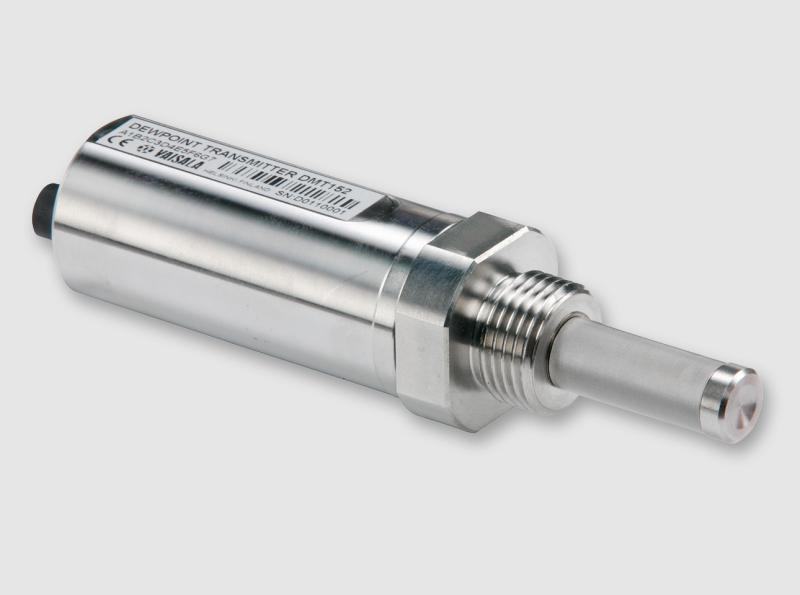
Please note that the DMT152 is being discontinued and should not be specified for new projects. Get to know the new DMT153 here.
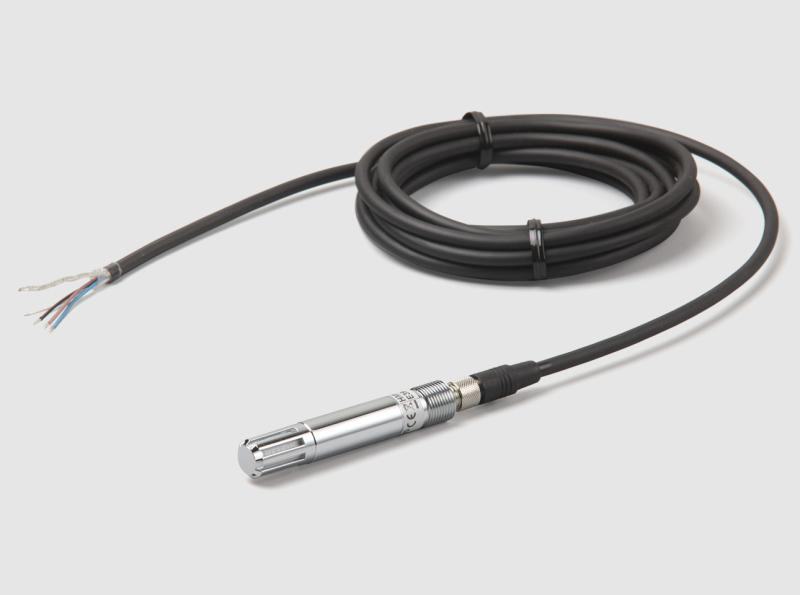
with ±1.5%RH accuracy for demanding volume applications
with ±1.5%RH accuracy for demanding volume applications
with ±1.5%RH accuracy for demanding volume applications
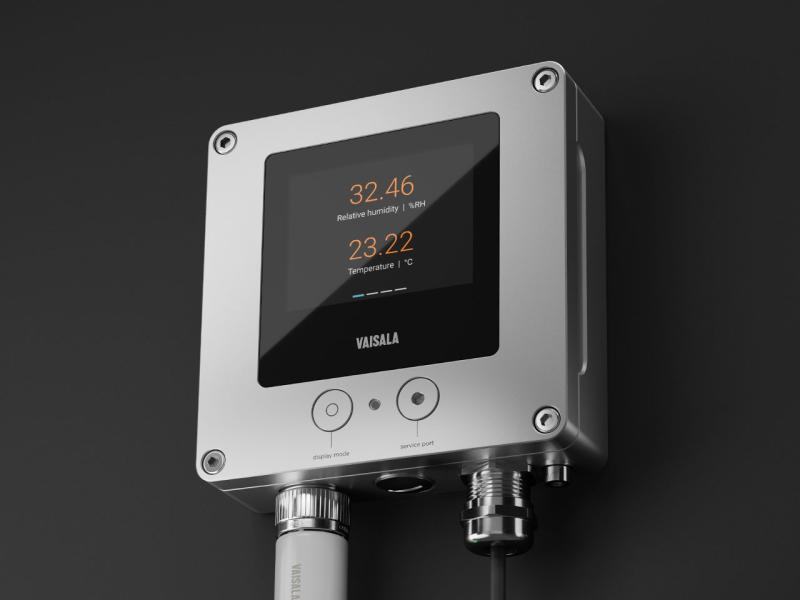
Vaisala Indigo300 transmitters are host devices for Vaisala Indigo-compatible, stand-alone smart probes. Indigo300 transmitters send measurement…

How infrared sensors work, temperature/pressure/humidity compensation, and transmitter placement.
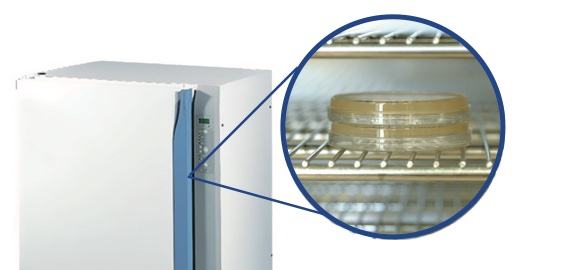
Why CO2 is critical in cell culture, the risk of condensation when measuring in high humidity and temperature, and why sterilization without removing…

Why O2 is lowered and CO2 raised in controlled-atmosphere rooms, and which instruments withstand the cold and high humidity of this environment.

What equilibrium sampling is, why sensor heating can skew field measurements, and what range is needed for deep soil profiles.
A specialist replies with the solution, the instrument and the service that fit.
Instruments to quote
No instruments yet. An enquiry can be sent anyway: a specialist answers.