


Indigo80 Handheld Indicator
The latest addition to the Indigo family of transmitters and probes, the Indigo80 is a compact, handheld indicator and data logger. Ideal for field…
Technical note
With the rise of electrification and the shift towards green energy, the demand for more powerful and safer rechargeable batteries—such as lithium-ion, sodium-ion, and solid-state—is rapidly growing. Manufacturing these batteries is a delicate process performed in highly controlled, ultra-low humidity environments. So how can accurate, highly responsive dew point probes help to increase safety, yields, and energy efficiency?
The midstream stage of battery manufacturing involves electrode production, cell assembly, and cell finalization. It is during these steps – in dry rooms, dry booths, and glove boxes – that humidity control is especially important to prevent unwanted reactions. These include lithium forming lithium hydroxide and hydrogen gas, lithium salt forming hydrogen fluoride (HF), and electrolyte generating corrosive byproducts. The more efficient and effective the drying (in other words, the better it is controlled) the more you can:
The ambient dew point temperature in dry rooms is maintained at around -30 ºC to -40 ºC. Low humidity is controlled by a high-end dryer that pushes dry air into the room. This is one of the most energy-intensive parts of the whole battery manufacturing process, so minimizing over-drying is key to the plant’s overall energy efficiency.
The dew point sensors in the dryer need to be highly responsive to control the dryer quickly and accurately in order to avoid under or over-drying. It is important to note that sensor accuracy alone will not be enough to avoid these issues. A probe with a fast response time, and without the complex internal measurement control loops of some analyzers, makes all the difference in dryer and overall dry room control. The volume of air being dried and pushed through is huge, so the energy consumption can easily skyrocket if the drying process is not optimized.
Newer technologies such as all solid-state batteries may require drier conditions with the dew point temperature as low as -80 ºC in individual processing steps. These steps are usually performed inside dry booths or glove boxes because it is not economical to dry the whole dry room to the same extremely low dew point level. Humidity levels in dry booths and glove boxes are monitored at critical points.
Vaisala’s DRYCAP® technology is the world’s most used technology for dryer monitoring and control. It is a field-proven innovation that provides accurate, stable, and fast-response dew point measurement with minimum drift. Vaisala has achieved this leading position not just because of innovation, but also because of a firm commitment to product quality and reliability, with short lead and delivery times, combined with world-class levels of service.
The sensors needed to monitor humidity in the drying process of midstream battery manufacturing don’t need to be expensive ultra-high precision laboratory-level devices. For example, the miniature dew point transmitter DMT143 is a simple, cost-effective device for accurate, stable, and fast-response dew point measurements in air dryers and glove boxes.
Vaisala adds value by providing holistic systems and packages, such as the Vaisala Indigo ecosystem. The core of the Indigo offering is the transmitters and compatible probes with DRYCAP® technology. Indigo family products are versatile and easy to install, use, and service. Transmitters that support various fieldbuses and include built-in displays and other advanced features can be combined with probes such as the DMPx. This enables you to measure accurately and reliably in demanding processes with harsh chemicals, high temperatures, and ultra-low humidity. This is why the Indigo ecosystem offers the best solution for humidity monitoring and control in midstream battery production.
Vaisala has been the industry leader in humidity measurements for over 50 years, with innovative products enjoying a global reputation for accuracy, reliability, long-term stability, and fast response times. Long product lifecycles and warranties, as well as industry-leading technical support, mean you can rest assured that Vaisala will help you increase safety, yields, and energy efficiency in midstream battery production for many years to come.

compatible with the Indigo80 Handheld Indicator
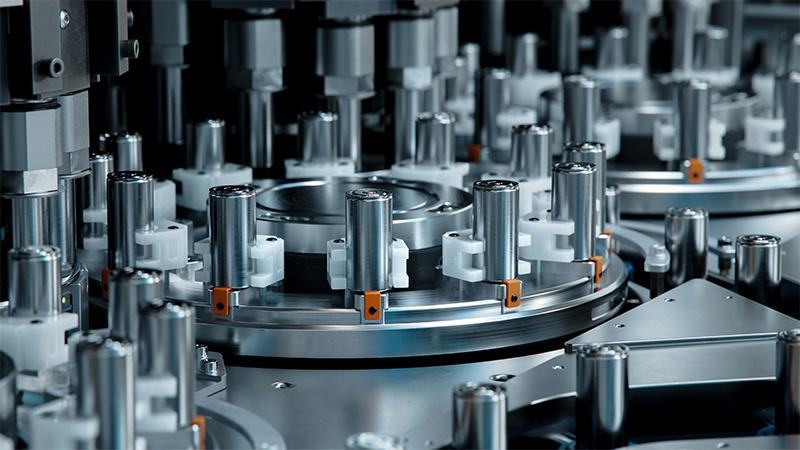
Equip your dry room, glove box operations, and NMP solvent concentration monitoring with products that are designed to be operated in the most demanding environments.
The latest addition to the Indigo family of transmitters and probes, the Indigo80 is a compact, handheld indicator and data logger. Ideal for field…
for OEM applications
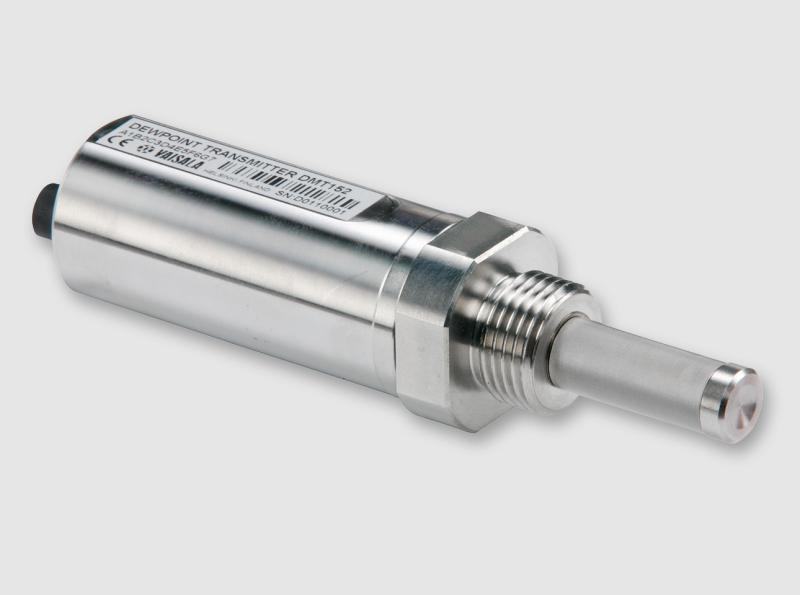
Please note that the DMT152 is being discontinued and should not be specified for new projects. Get to know the new DMT153 here.
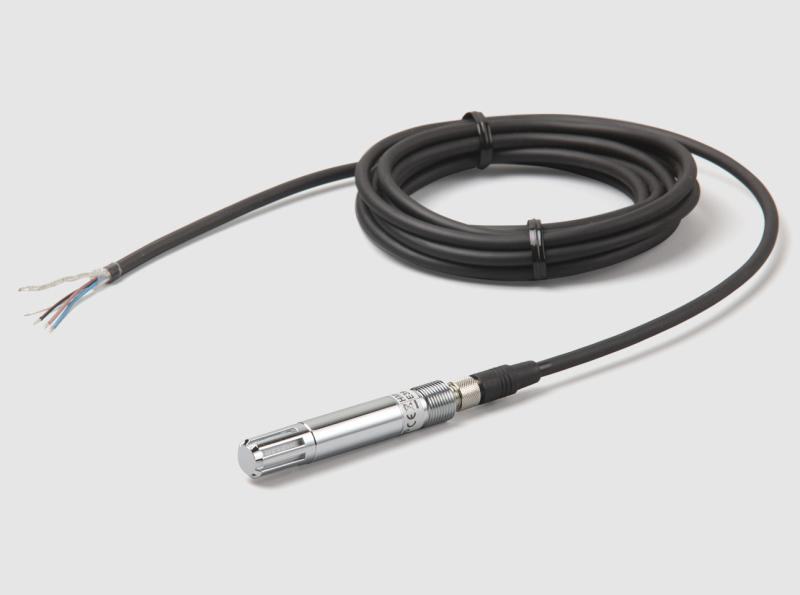
with ±1.5%RH accuracy for demanding volume applications
with ±1.5%RH accuracy for demanding volume applications
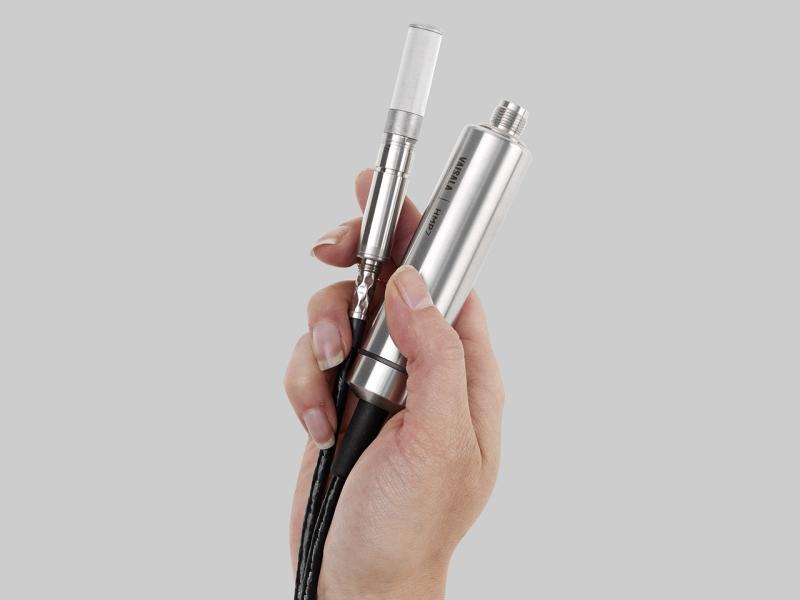
for high humidities

What relative humidity, dew point, absolute humidity and mixing ratio are, how temperature and pressure distort the reading, and why dew point is…

How humidity behaves in real conditions, the three most common measurement problems, and two practical scenarios —heated air and compressed air—…

When to measure relative humidity vs. dew point, what high and low humidity demand, how temperature and pressure factor in, and when a warmed probe…

Cooling accounts for up to 40% of a data center's energy demand. This Vaisala guide explains how measurement accuracy cuts costs and risks, with a…
A specialist replies with the solution, the instrument and the service that fit.
Instruments to quote
No instruments yet. An enquiry can be sent anyway: a specialist answers.