

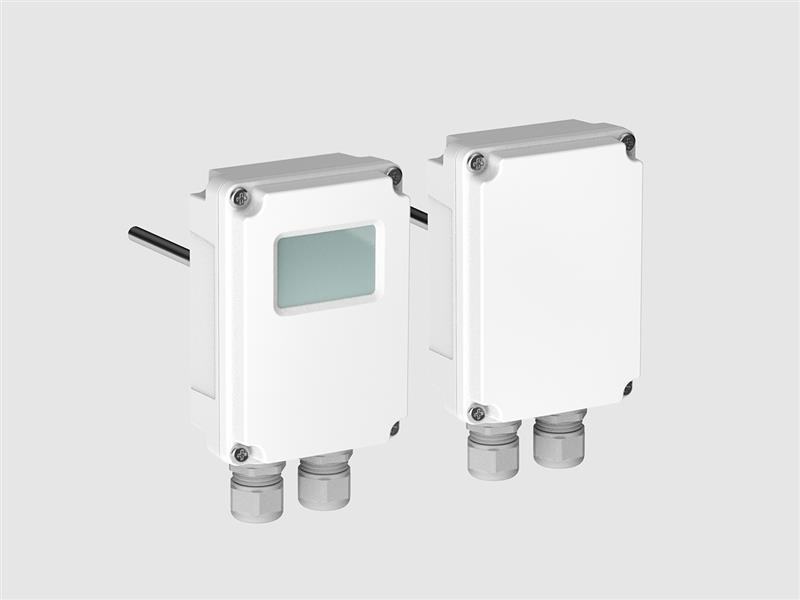
Immersion Temperature Transmitter TMI110
For high precision measurements in HVAC applications
Technical note
Data centers are big business. According to Statista*, data center revenue is expected to grow by 8.45% annually, resulting in a market volume of US$624.10bn by 2029. But with this growth comes an increasing impact on the environment, primarily because of the high energy requirements of data centers. Vaisala’s sensors can play a crucial role in helping data center operators optimize the energy consumption of their cooling processes.
Here are three ways that Vaisala sensors can improve sustainability at data centers:
1. Improved energy efficiency
Vaisala sensors are incredibly precise when it comes to measuring environmental conditions like temperature and humidity. In data centers, maintaining optimal environmental conditions is essential for the reliable operation of IT systems, whereas, on the other hand, efficient cooling and optimized energy consumption are important for the sustainability of the data center. By providing accurate real-time data, Vaisala sensors help data center operators avoid overcooling, which is a common source of energy waste. Reducing the need for excess cooling can save significant amounts of energy and money.
Sensors can also help pinpoint and deal with so-called “hot spots” in server rooms, which can damage equipment or cause it to perform inefficiently. Vaisala sensors can accurately detect temperature imbalances, reducing the likelihood of localized overheating and ensuring more accurate overall temperature control across the data center.
2. Reduced waste through reuse and long product lifespans
Vaisala sensors are extremely durable, which contributes to sustainability because the longer the equipment lasts, the fewer replacements are needed. Ensuring optimal conditions inside a data center also prolongs the life of servers. This may help to reduce the overall amount of electronic waste generated by data centers as well.
A modular ‘daisy-chain’ solution means Vaisala sensors can be reused indefinitely until the end of their life, even if operational needs or data center layouts change. In this sort of setup, a long cable runs down a data center server aisle with sensors attached at regular intervals in a plug-and-play setup. Sensors can be replaced in seconds and sent for calibration, with practically no downtime. It is also easy to perform field calibration and adjustments on-site.
Because Vaisala solutions are highly reliable with virtually no drift, their accuracy can be trusted long-term. This makes them a very cost-effective solution. Compared to analog solutions, daisy chaining also requires much less cabling and takes up less space in control panels, which is another sustainability advantage.
Vaisala is committed to sustainability practices that include responsible recycling of electronic components. When products reach the end of their life cycle, Vaisala supports recycling programs that minimize the environmental impact of waste disposal.
3. Optimized energy consumption and material use
Vaisala’s commitment to sustainability covers the entire lifecycle of its sensors, from design to operation. Vaisala’s manufacturing processes prioritize the efficient use of materials, ensuring that products are designed with minimal waste – reducing the environmental footprint from the start. Vaisala sensors also enable data centers to maintain optimal environmental conditions while minimizing the amount of cooling needed, optimizing energy consumption in everyday use. Because Vaisala sensors have a long lifespan and can be installed in modular, flexible ways, they can be reused over and over again even as business needs change. This reduces waste and the need for replacement sensors.
Start improving data center sustainability today
As global data demands continue to rise, so does the importance of efficient, sustainable monitoring solutions. Vaisala’s commitment to innovation equips data centers with the tools they need to meet their sustainability goals and adapt to evolving industry standards. By implementing Vaisala sensors, data centers can significantly reduce energy consumption through optimized cooling, all while benefiting from a long-lasting, modular design that adapts to changing needs without unnecessary and wasteful replacements.
Looking to the future, Vaisala’s advanced sensor technology offers data centers the flexibility to stay ahead of both environmental regulations and operational demands. Let’s work together to build a sustainable foundation for your data center operations. Contact us to explore how our solutions can help you reduce your data center’s environmental impact and drive sustainable growth.
*https://www.statista.com/outlook/tmo/data-center/worldwide
For high precision measurements in HVAC applications
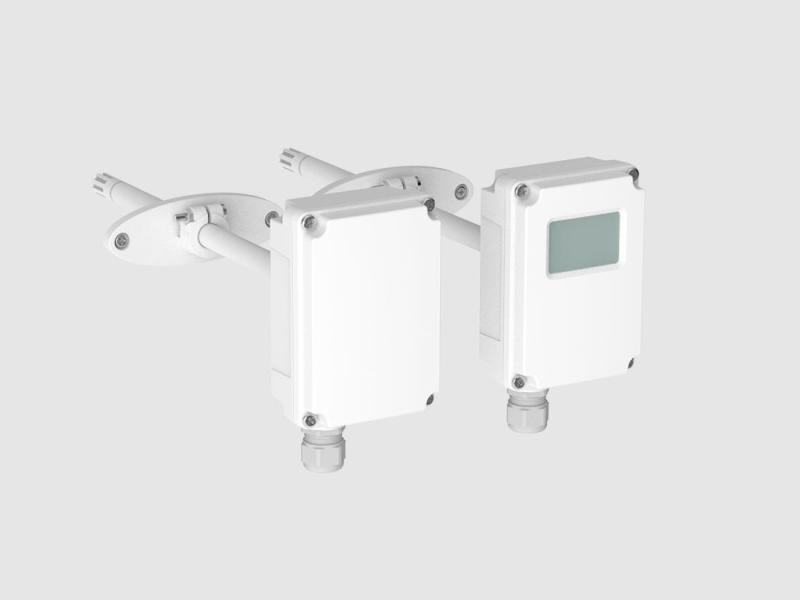
For high-precision measurements in HVAC applications

For high precision measurements in demanding HVAC applications
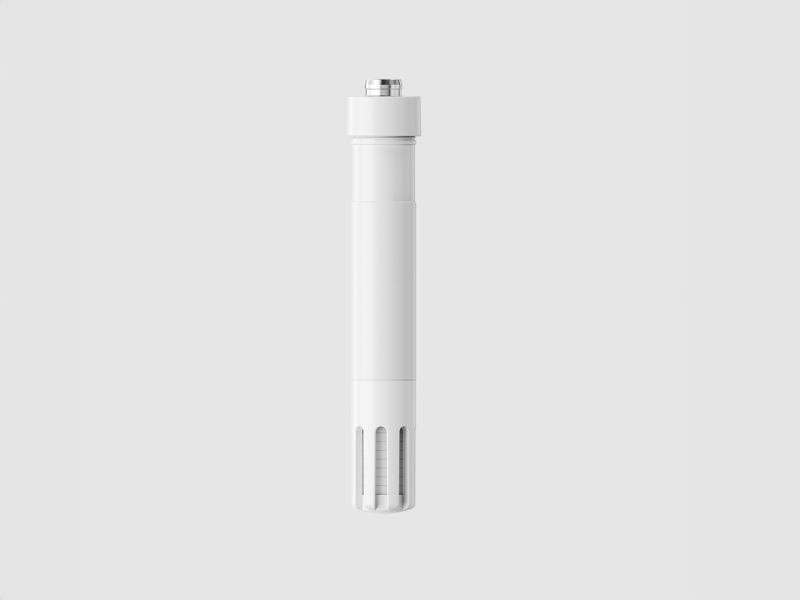
The Vaisala HUMICAP® Humidity and Temperature Probe HMP113 is a highly accurate and cost-effective humidity probe with a plastic enclosure. It has…
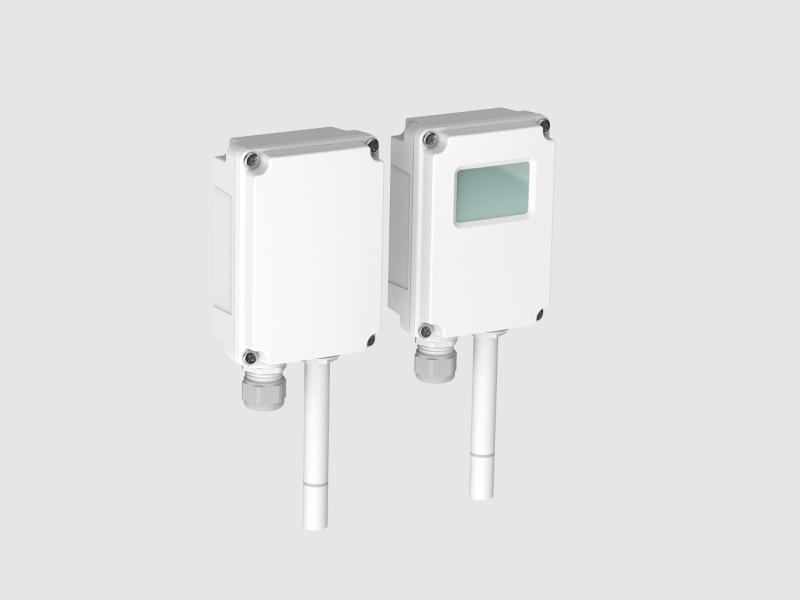
For high-precision measurements in HVAC applications
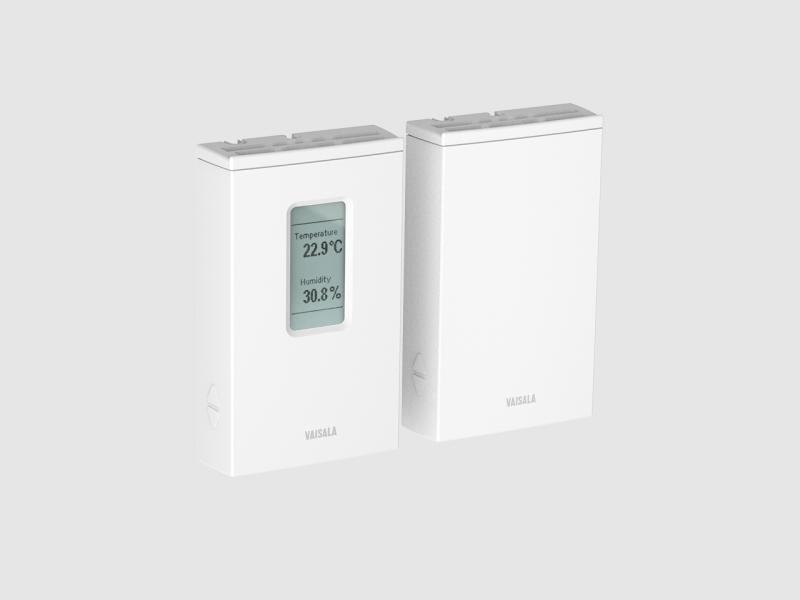
±1.7%RH wall transmitters with a certificate for demanding HVAC

What relative humidity, dew point, absolute humidity and mixing ratio are, how temperature and pressure distort the reading, and why dew point is…

How humidity behaves in real conditions, the three most common measurement problems, and two practical scenarios —heated air and compressed air—…

When to measure relative humidity vs. dew point, what high and low humidity demand, how temperature and pressure factor in, and when a warmed probe…

Cooling accounts for up to 40% of a data center's energy demand. This Vaisala guide explains how measurement accuracy cuts costs and risks, with a…
A specialist replies with the solution, the instrument and the service that fit.
Instruments to quote
No instruments yet. An enquiry can be sent anyway: a specialist answers.