

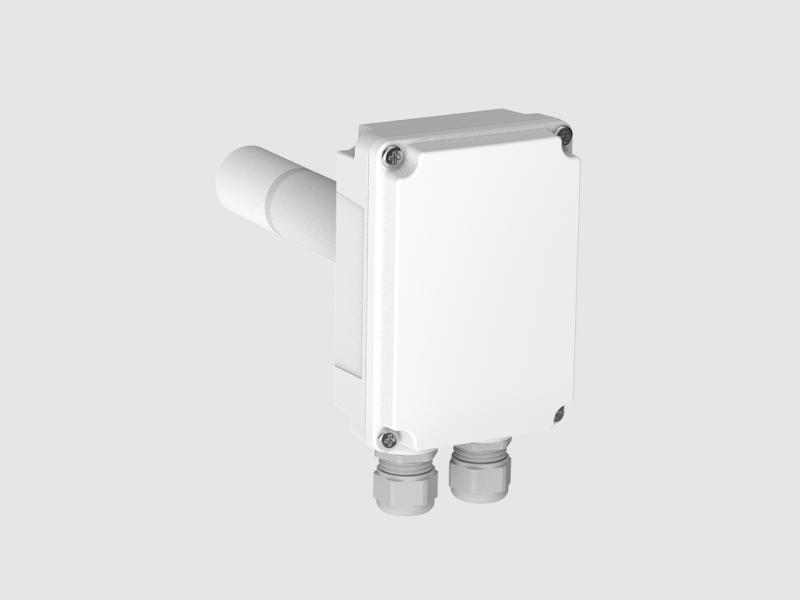
Duct CO2 Transmitter GMD110
For high-accuracy measurements in HVAC applications
Technical note
Most of us know that CO₂ is a colorless, odorless gas that’s soluble in water and often seen as the bubbles in fizzy drinks. But it’s also a greenhouse gas, a by-product that’s released when we burn materials containing carbon, as well as a gas formed in the respiratory and metabolic processes of living organisms, which can also be considered slow burning reactions. As CO₂ is always a result of a burning reaction, it is non-combustible and inert. At temperatures below -79 °C (-110 °F) CO₂ becomes solid, and then it’s known as dry ice, which is typically used in transportation or cargo of frozen goods. All of the above characteristics have an impact on the benefits of measuring CO₂.
To keep the CO₂ concentration at the recommended level of below 1000 ppm inside places like office buildings, hospitals, and schools, it’s important to control it, which can be done with a building automation system. In colder climates controlling CO₂ levels saves energy and helps to maintain optimal air quality, which has a direct impact on the wellbeing and efficiency of employees occupying the space.
In some applications it’s desirable to keep the CO₂ concentration at a higher level than the ambient concentration of about 400 ppm CO₂. In greenhouses, for example, CO₂ is used as a fertilizer for the plants. To optimize yield, it’s important to maintain optimal levels of CO₂: it’s expensive to use as a fertilizer and excessive use increases costs, but not the harvest.
CO₂ incubators, or the growth or storage chambers for biological samples, are critical applications, where the CO₂ levels are kept elevated, often at 5 %CO₂, which together with elevated temperature and high humidity ensure optimal growth conditions for the specimens. These both are typical measurement and control applications for CO₂ as it’s not possible to cultivate cells if the CO₂ levels are inaccurate.
In addition to the examples discussed above, CO₂ measurement is often needed for safety reasons in any location where CO₂ is produced, used, or stored. Vaisala has a wide range of dedicated CO₂ measurement instruments ideal for specific applications without frequent calibration needs.
Learn more about our products suitable for greenhouses and incubators, or about our HVAC offering.
For high-accuracy measurements in HVAC applications
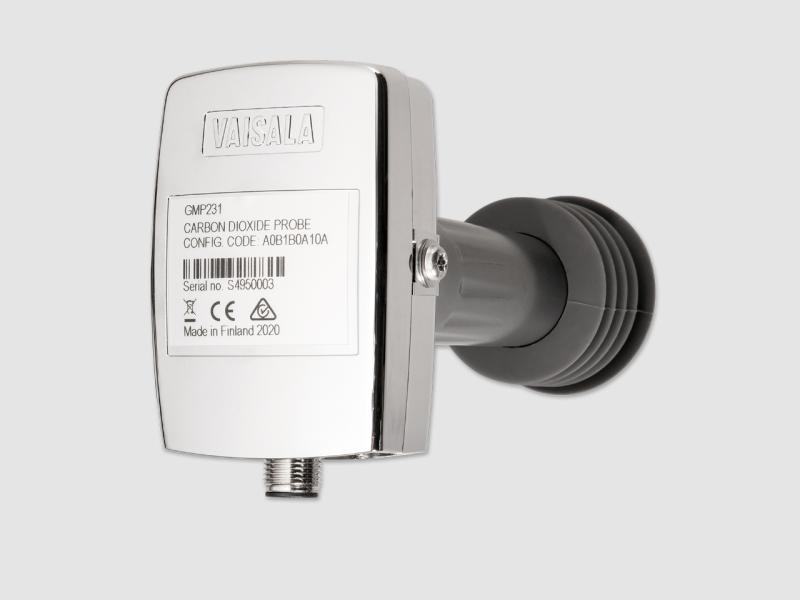
for CO₂ incubators
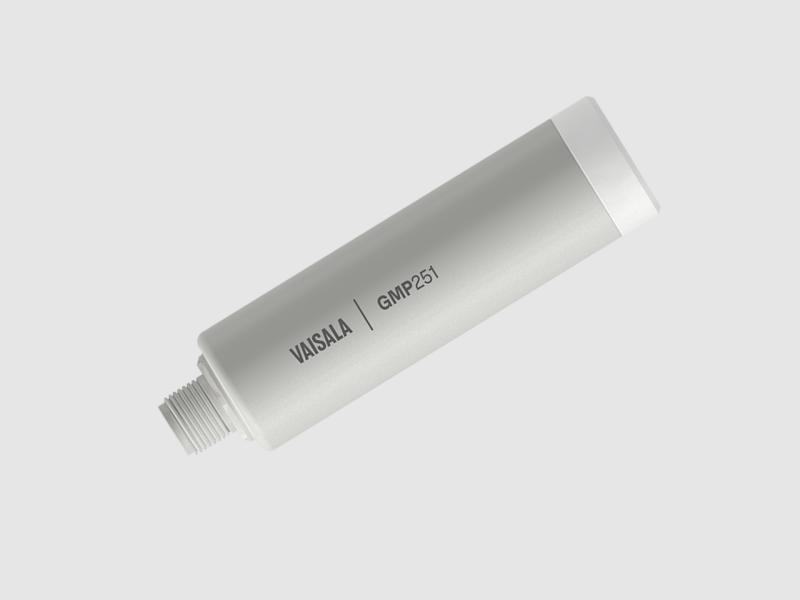
for %-level measurements in life science incubators, cold storage facilities and all demanding applications
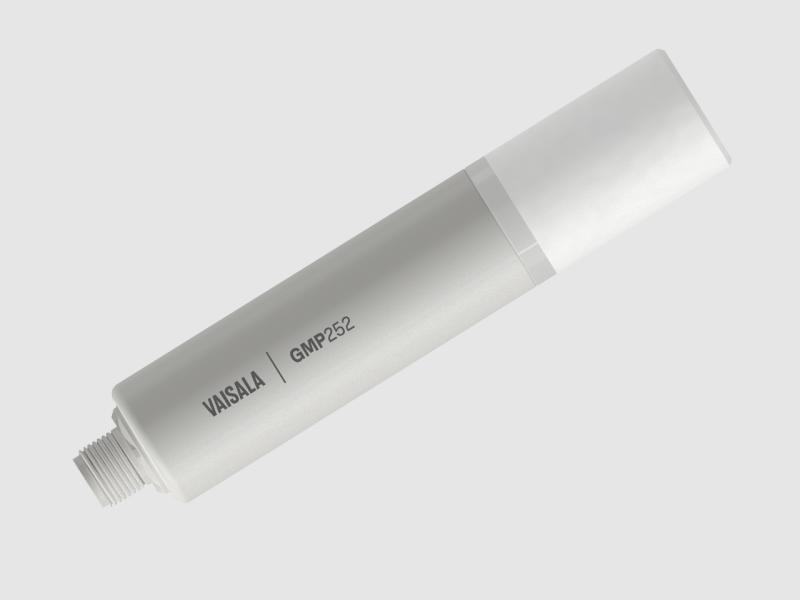
for ppm-level measurements in agriculture, refrigeration, demanding HVAC, and for plant growth manufacturers
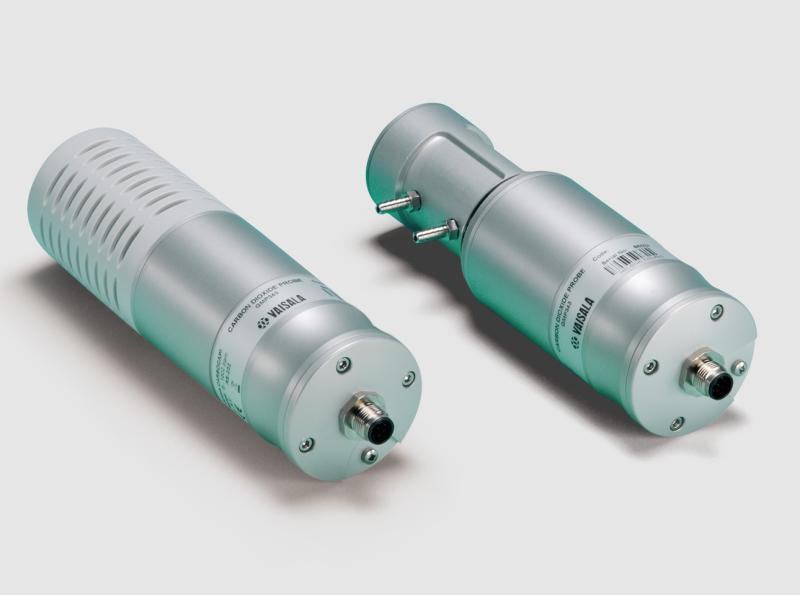
for demanding measurements
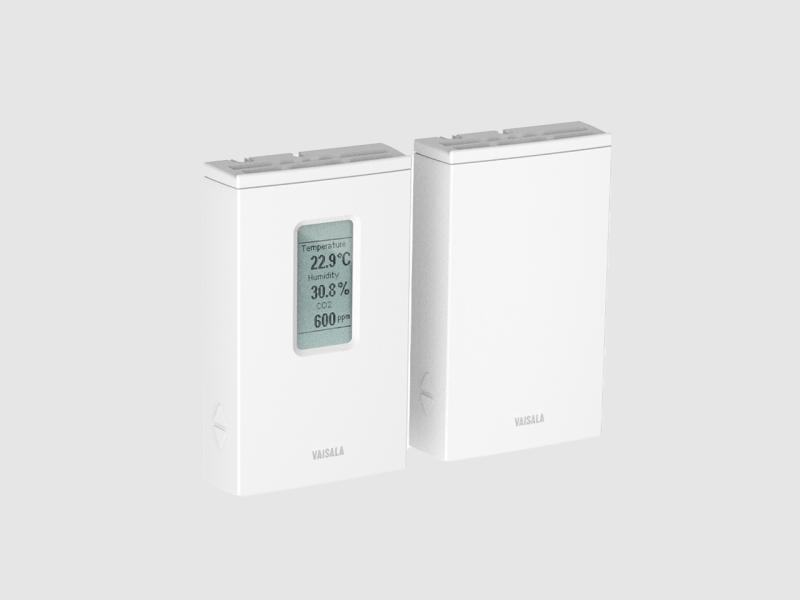
for green building projects

What relative humidity, dew point, absolute humidity and mixing ratio are, how temperature and pressure distort the reading, and why dew point is…

How humidity behaves in real conditions, the three most common measurement problems, and two practical scenarios —heated air and compressed air—…

When to measure relative humidity vs. dew point, what high and low humidity demand, how temperature and pressure factor in, and when a warmed probe…

Cooling accounts for up to 40% of a data center's energy demand. This Vaisala guide explains how measurement accuracy cuts costs and risks, with a…
A specialist replies with the solution, the instrument and the service that fit.
Instruments to quote
No instruments yet. An enquiry can be sent anyway: a specialist answers.