

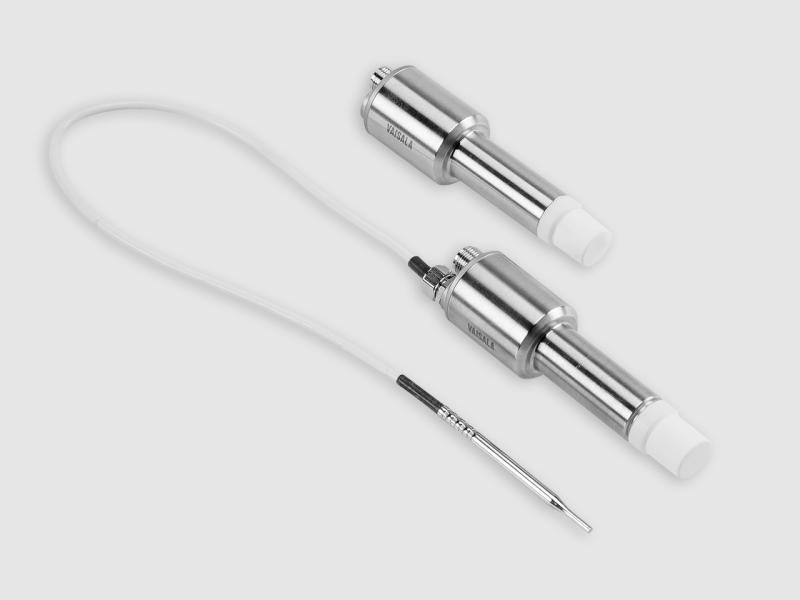
Vaporized Hydrogen Peroxide, Humidity and Temperature Measurement HPP270 Series
for bio-decontamination processes
Technical note
In our fast-changing world, maintaining cleanliness and hygiene has never been more critical. Whether it's personal protective equipment, office supplies, sports gear, or other frequently used items, effective sterilization is essential. Addressing this need, a recent study published in “Scientific Reports” explores an innovative solution: a mobile sterilization station using vaporized hydrogen peroxide (vH2O2) and UV-C irradiation. “The Novel Sterilization Device: The Prototype Testing” by Polish scientists Robert Nowak, Paweł Wityk, Anna Wierzbicka-Woś, Waldemar Gos, and Dorota Kostrzewa-Nowak describes this research.
Traditional sterilization methods like autoclaving, ethylene oxide, X-rays, and gamma rays have their limitations. They can be time-consuming, expensive, and potentially damaging to the materials being sterilized. In contrast, the combination of vH2O2 and UV-C irradiation offers several significant advantages:
• Safety: These methods are safer for both the users and the items being sterilized.
• Speed: The process is faster, allowing for more frequent and efficient sterilization cycles.
• Cost-effectiveness: Lower operational costs make it an economical choice.
• Less destructive: Unlike some methods, vH2O2 and UV-C do not harm the materials being sterilized.
• Less Environmental Impact: These methods do not produce hazardous waste, making them environmentally friendly.
The study describes the development and testing of a working prototype of a mobile sterilization station. This device includes a dry H2O2 vapor generator and a system for microbiological verification of log kill, which ensures the effectiveness of the sterilization process. Learn more about condensing vs. dry methods in this white paper on condensation vH2O2 bio-decontamination.
To ensure optimal performance, the prototype's use was fine-tuned in terms of temperature, humidity, and treatment time. The Vaisala HPP272 probe measured hydrogen peroxide vapor in ppm, temperature and humidity (as both relative saturation and relative humidity). If needed, the probe could also provide values for dew point, and vapor pressure. For testing, the items selected for sterilization ranged from common office supplies—such as rulers, set squares, pens, pencils, and keys—to personal protective equipment like masks and helmets. These items were chosen to represent the wide variety of objects that might require sterilization in everyday scenarios.
One of the notable aspects of this study is the involvement of non-technical end users. These volunteer participants operated the mobile sterilization station, performing several cycles of the sterilization process. This approach ensured that the device is user-friendly and practical for everyday use. The participants were surveyed as part of the research and over 75% believed that the mobile sterilization solution would increase work safety in terms of pathogens. The unit was also with a state fire brigade for three months. This part of the study indicated that the maintenance of the station was easy and did not result in damage to the device. These users found the sterilization process efficient.
To precisely control and monitor the sterilization process, the prototype used Vaisala's HPP272 series probes along with Insight PC software. These tools measured and tracked key parameters, including vH2O2 ppm (parts per million), relative humidity, relative saturation, and temperature within the working chamber of the sterilization station. By maintaining optimal conditions, the system ensured effective and consistent sterilization.
The prototype testing detailed in this study marks a significant step forward in sterilization technology. By combining the strengths of vH2O2 and UV-C irradiation, this mobile sterilization station offers a safe, efficient, and environmentally friendly solution for a wide range of applications. As we continue to prioritize hygiene and safety, innovations like these will play a crucial role in our daily lives.
for bio-decontamination processes

The latest addition to the Indigo family of transmitters and probes, the Indigo80 is a compact, handheld indicator and data logger. Ideal for field…

for quick inspections and spot-checking

For high precision measurements in demanding HVAC applications
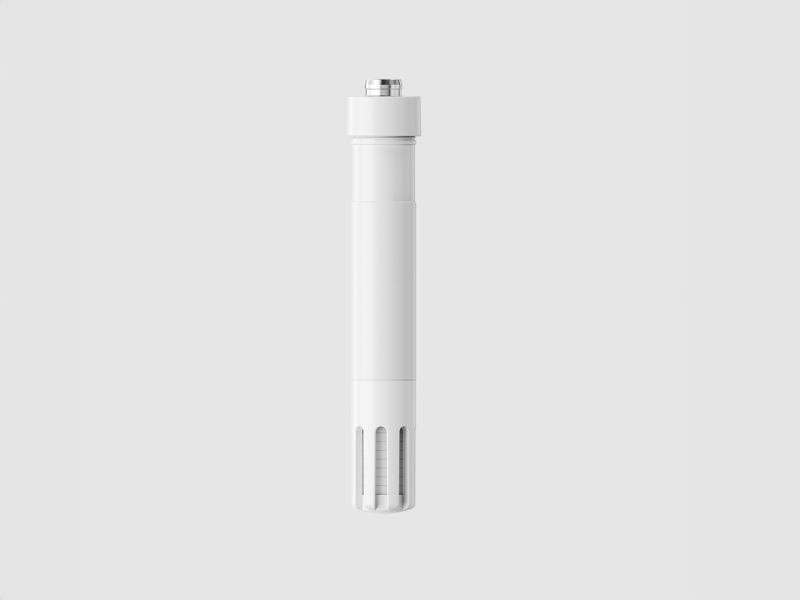
The Vaisala HUMICAP® Humidity and Temperature Probe HMP113 is a highly accurate and cost-effective humidity probe with a plastic enclosure. It has…
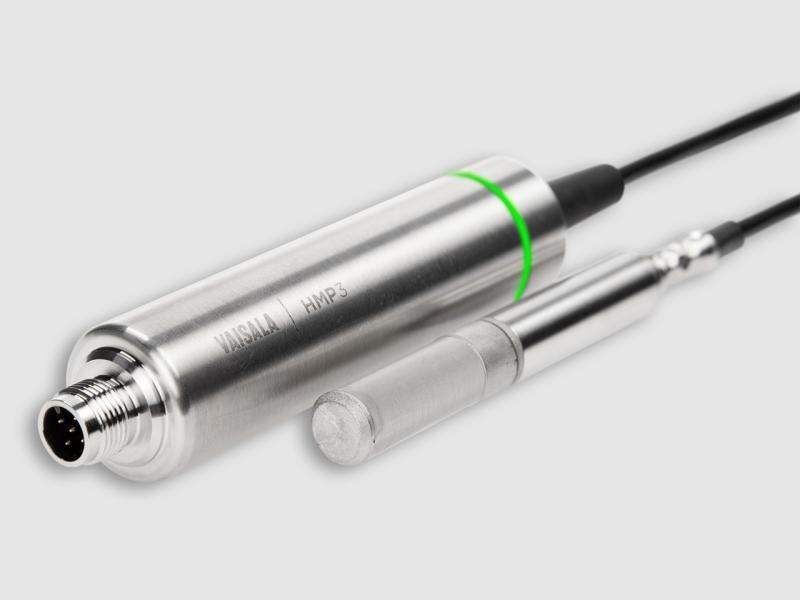
for general purpose humidity and temperature applications with exchangeable sensor

What relative humidity, dew point, absolute humidity and mixing ratio are, how temperature and pressure distort the reading, and why dew point is…

How humidity behaves in real conditions, the three most common measurement problems, and two practical scenarios —heated air and compressed air—…

When to measure relative humidity vs. dew point, what high and low humidity demand, how temperature and pressure factor in, and when a warmed probe…

Cooling accounts for up to 40% of a data center's energy demand. This Vaisala guide explains how measurement accuracy cuts costs and risks, with a…
A specialist replies with the solution, the instrument and the service that fit.
Instruments to quote
No instruments yet. An enquiry can be sent anyway: a specialist answers.