

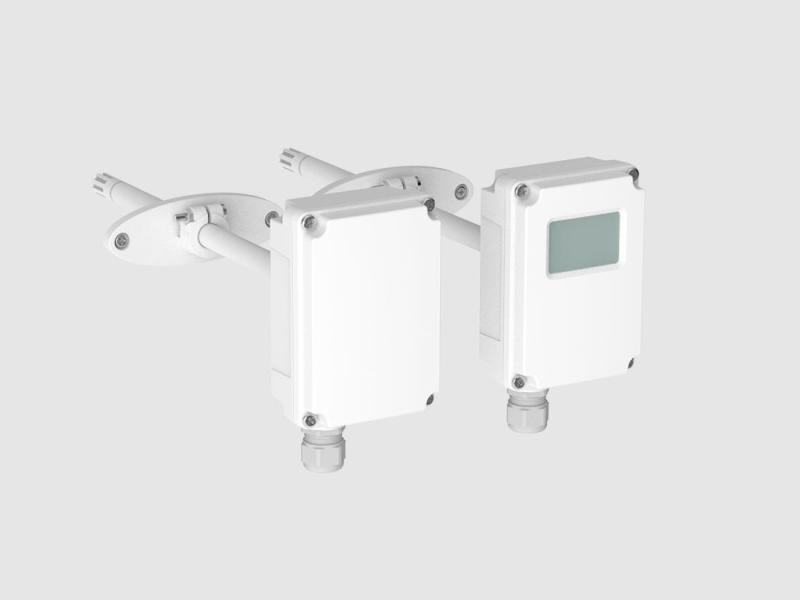
Duct Humidity and Temperature Transmitter HMD110
For high-precision measurements in HVAC applications
Technical note

Modern data centers, powered by AI and cloud services, can each draw as much power as a small town, adding constant, high load to already stressed grids which have been under increased dynamic loading due to rapid growth in renewables, and expansion of distributed generation.
Yet these growing demands arrive at a time when transformer fleets across many regions are ageing faster than new capacity is built. The global supply chain for new transformers is strained, with delivery times now commonly 18 to 36 months.
Utilities are left managing a capacity gap: ageing assets, more dynamic and heavier loading, and replacement equipment that may take years to arrive. In this environment, extending transformer life becomes both a reliability necessity and a sustainability opportunity.
Transformers built decades ago for stable, predictable loading now face far more complex operating conditions. Renewable generation introduces fluctuating power flows; distributed energy resources cause irregular load patterns; electrified transport increases peak demand; and data centers add large, continuous, and often rapidly expanding load requirements.
These combined pressures accelerate insulation ageing, increase thermal stress, and heighten the risk of faults—especially in older units. Traditional time-based maintenance simply cannot keep pace with this new reality. What utilities need is continuous visibility into transformer health.
From a sustainability and grid-resilience perspective, online monitoring offers major advantages:
|
Online condition monitoring – particularly Dissolved Gas Analysis (DGA) – is one of the most effective tools for condition assessment enabling transformer life extension.
Continuously measuring gases in transformer oil to detect early signs of hotspots, thermal stress, partial discharges, and incipient faults makes a DGA monitor essentially into a real-time health monitor that often reveals issues long before they become critical.
With long lead times for new transformers, as additional tools in capacity management utilities can evaluate their option for transformer refurbishment and rerating.
Refurbishment, which may include insulation drying, oil reclamation, sealing system repairs, modification of preservation system, bushing upgrades, increasing cooling capacity, or sometimes even rewinding – can return ageing transformers to even near-new condition. This approach is faster, significantly more sustainable, and far less resource-intensive than always purchasing new equipment.
Rerating, or safely increasing a transformer’s loading capability, helps utilities meet growing demand from electrification and data centers. But rerating must be guided by real-time condition data. Monitoring – especially DGA, moisture tracking, and thermal modelling – may give operators the option to safely release hidden capacity without shortening asset life.
Transformers sit at the heart of the clean energy transition. Extending their life with online condition monitoring is one of the most impactful steps utilities can take to support rising demand from electrification, renewable integration, and data center expansion. Each additional year of operation reduces material use, lowers emissions, and strengthens grid resilience.
As electricity consumption continues to surge, smarter asset management becomes essential – not optional. Online monitoring equips utilities with the insight needed to operate ageing transformer fleets safely, sustainably, and reliably for decades to come.
For high-precision measurements in HVAC applications

For high precision measurements in demanding HVAC applications
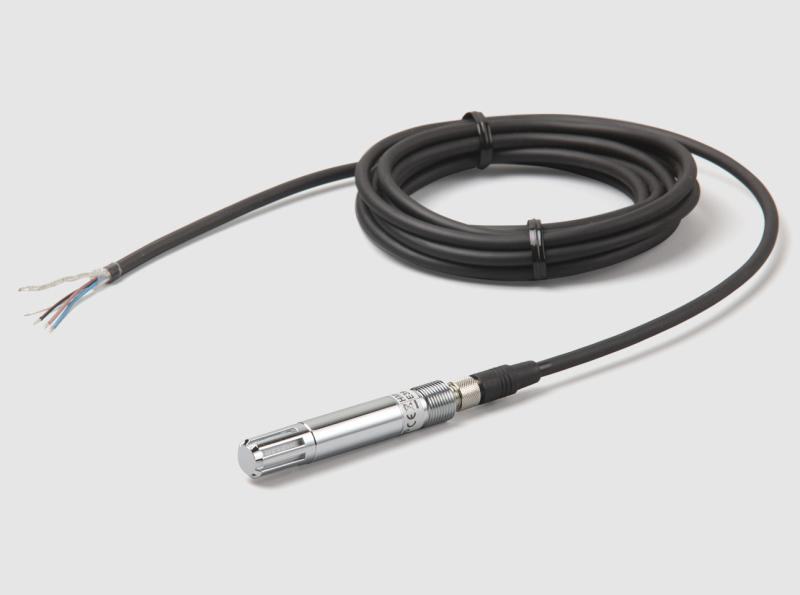
with ±1.5%RH accuracy for demanding volume applications
with ±1.5%RH accuracy for demanding volume applications
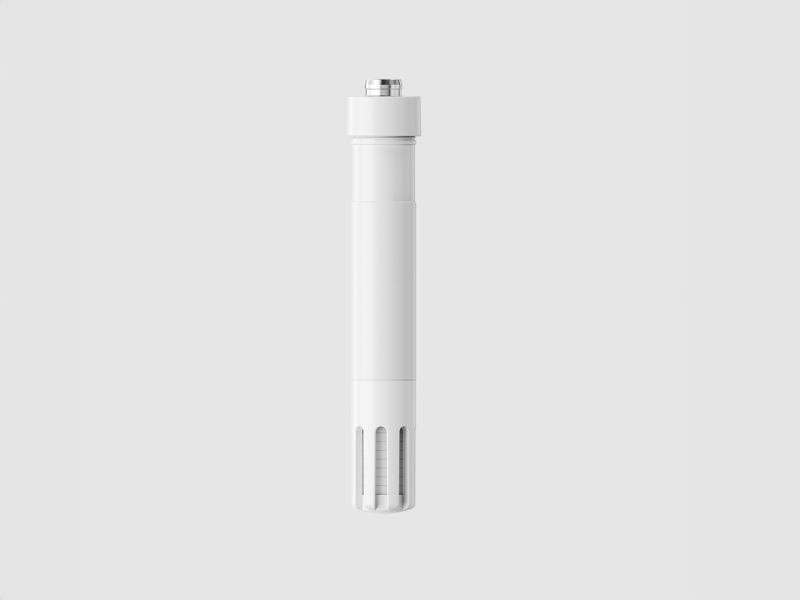
The Vaisala HUMICAP® Humidity and Temperature Probe HMP113 is a highly accurate and cost-effective humidity probe with a plastic enclosure. It has…
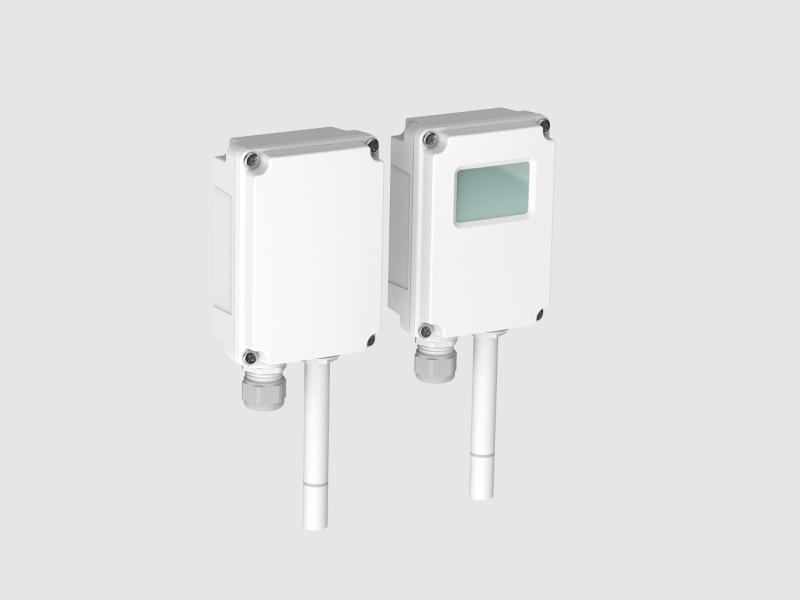
For high-precision measurements in HVAC applications

What relative humidity, dew point, absolute humidity and mixing ratio are, how temperature and pressure distort the reading, and why dew point is…

How humidity behaves in real conditions, the three most common measurement problems, and two practical scenarios —heated air and compressed air—…

When to measure relative humidity vs. dew point, what high and low humidity demand, how temperature and pressure factor in, and when a warmed probe…

Cooling accounts for up to 40% of a data center's energy demand. This Vaisala guide explains how measurement accuracy cuts costs and risks, with a…
A specialist replies with the solution, the instrument and the service that fit.
Instruments to quote
No instruments yet. An enquiry can be sent anyway: a specialist answers.