


CAB100 Industrial Cabinet for continuous monitoring systems
for cleanrooms and industrial settings
Technical note
Integrating environmental monitoring system data into quality management systems
Unlike small-molecule drugs, cell and gene therapies (CGT) are manufactured from living materials, which introduces unique challenges:
Because the raw materials for cellular medicine are living organisms, sterility and standardization are difficult to achieve, as is proper implementation of the manufacturing process. Heavy-duty HVAC systems and high costs are hurdles to commercialization and industrialization.
To overcome these challenges, Cyto-Facto built Cell Processing Centers (CPCs)—modular cleanrooms that integrate materials handling, cell processing, QC, and storage. CPCs allow each therapy batch to be produced under highly controlled conditions, while providing flexibility for different clients and therapies.
In Japan, cell and gene therapies are regulated under Good Gene, Cellular, and Tissue-based Products Manufacturing Practice (GCTP), which requires even more specialized controls than conventional GMP. Because GCTP products are patient-specific, each therapy batch is effectively unique—placing greater emphasis on monitoring, traceability, and data integrity.
For living products such as CAR-T cells, Quality by Design principles are essential. In-process monitoring ensures that critical quality attributes (CQAs) are achieved during growth, rather than only tested at release.
Automation, such as Cyto-Facto’s proprietary intelligent Cell Processing System (CPS), reduces manual error and contamination risk while improving reproducibility. This integrated manufacturing management system is designed specifically for the production of advanced therapy medicinal products (ATMPs).
Digitalization, through Cyto-Facto’s CytoFactory4.0TM (CF4.0), integrates patient material tracking, scheduling, QC, training, and environmental monitoring into a single electronic batch record.
A good analogy to illustrate QbD is fish farming: just as fish can be raised to consistent size and quality by carefully monitoring conditions rather than testing every individual fish, CAR-T cells can be manufactured to consistent quality by monitoring key process parameters throughout their culture.
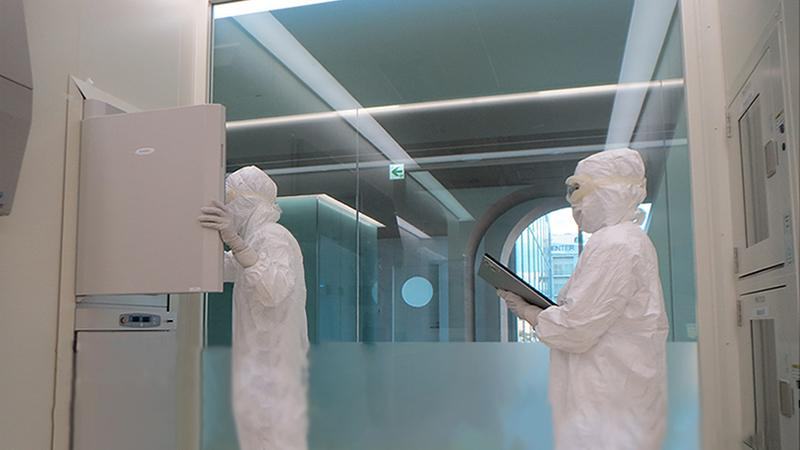
Before 2023, Cyto-Facto relied on a legacy EMS with significant limitations:
For an organization built around Quality by Design (QbD) and agile digitalization, this system was no longer sufficient. One of the requirements of QbD is gap-free data for digitization and review. A continuous monitoring solution eliminates the risks of data loss and provides access controls needed for GxP compliance.
Cyto-Facto replaced its legacy system with Vaisala’s viewLinc Continuous Monitoring System, supported by over 100 wireless RFL100 data loggers across Cell Processing Centers (CPC), storage facilities, incubators, and cleanrooms.
Key benefits include:
Cyto-Facto’s use of viewLinc reflects its broader vision: standardization, automation, and digitalization as pathways to scalable CGT manufacturing. By implementing QbD principles, Cyto-Facto scientists can evaluate how factors such as medium composition, CO₂ concentration, and cell density affect quality and to find the ideal conditions.
Instead of relying on destructive final testing, Cyto-Facto is pioneering in-process monitoring, automation, and cloud-based data collection. Through CF4.0 and viewLinc, Cyto-Facto has created a data ecosystem that connects patient samples, manufacturing conditions, QC results, and facility monitoring—ensuring consistency, compliance, and patient safety.
Cyto-Facto is not only advancing the science of cell and gene therapy but also setting new standards for how these therapies can be manufactured at scale. By applying QbD principles and implementing continuous monitoring, Cyto-Facto ensures that every step of its manufacturing process is monitored, recorded, and digitally traceable. This integration of innovation, compliance, and monitoring gives Cyto-Facto confidence in the safety and quality of its therapies—helping deliver life-saving treatments to patients who need them most.
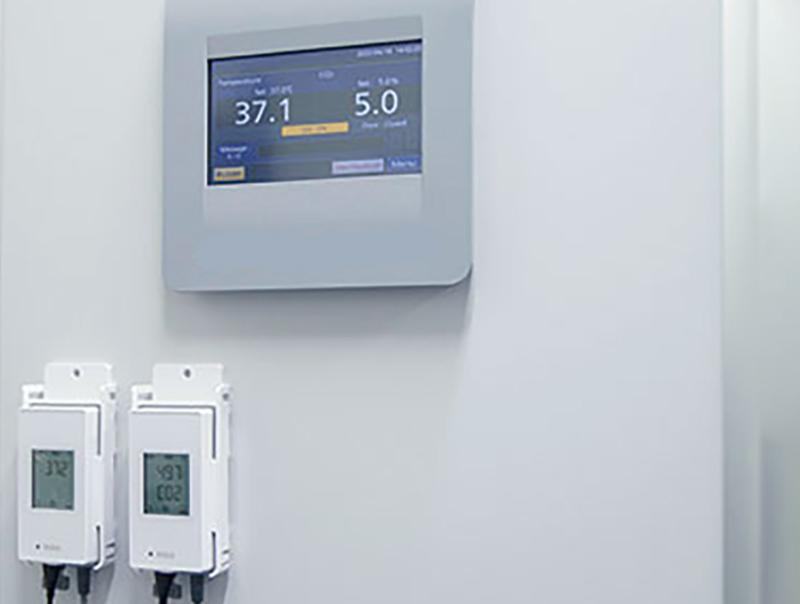
In cell and gene therapy manufacturing, every parameter matters. Unlike conventional drug production, where validation can reduce reliance on in-process checks, living therapies require continuous monitoring of critical process parameters—from temperature, humidity, and CO₂ levels in incubators, to differential pressure and particulates in cleanrooms, to cryogenic storage conditions for patient-derived cells.
At Cyto-Facto, this means building quality into the process itself rather than depending solely on end-product testing. By integrating Vaisala’s viewLinc Continuous Monitoring System with automated manufacturing and digital batch recording, Cyto-Facto ensures that the real-time conditions influencing cell growth and viability are always visible, traceable, and secure.
For CGT facilities, robust monitoring delivers three essential outcomes:
As CGT moves from experimental promise to routine treatment, success will depend on the ability to monitor and record critical parameters across the entire product lifecycle. Cyto-Facto’s adoption of viewLinc demonstrates how advanced monitoring can help ensure that every therapy delivered is both safe and effective—bringing personalized medicine closer to patients who need it most.
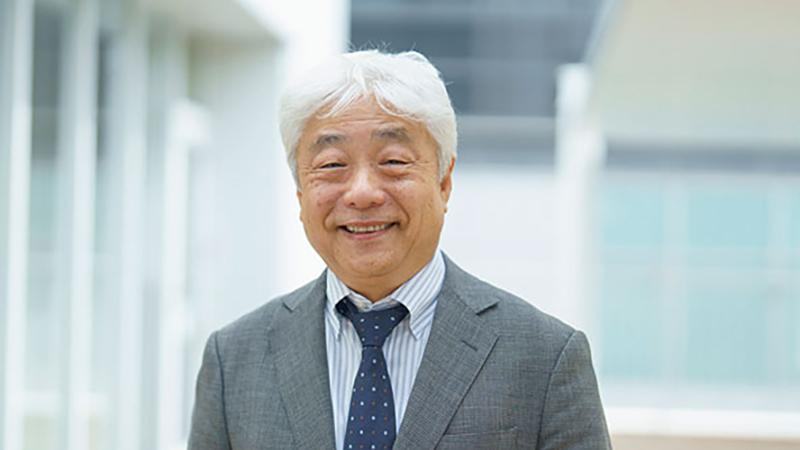
Dr. Shin Kawamata is a leader in the field of cell and gene therapy with decades of experience in regenerative medicine and advanced therapy manufacturing, Dr. Kawamata has played a pivotal role in developing innovative solutions for the safe, scalable, and compliant production of living therapies.
With an MD from Kobe University and PhD (Medical) from Kyoto University, Dr. Kawamata became a postdoctoral fellow at Systemex Co. US, in partnership with Stanford University. He went on to work as the General Manager of Cell Processing and lead the Regenerative Medicine Research Unit at the Kobe University’s Foundation for Biomedical Research & Innovation (FBRI). He subsequently became Center Director. The Foundation for Biomedical Research and Innovation (FBRI) was established to support bio-medical companies and housed the Research & Development Center for Cell Therapy (RDC), mandated to ensure the quality of products used in cell and gene therapy and provide manufacturing services as a CMO/CDMO for domestic and global biotech companies.
Today, serving as Senior Executive Advisor at Cyto-Facto Incs. he devotes his expertise to the design and operation of state-of-the-art Cell Processing Centers, implementation of Quality by Design (QbD) principles, and the integration of digital technologies for process monitoring and data integrity. Dr. Kawamata is widely recognized for his commitment to advancing patient-specific therapies and for setting new standards in the creation of advanced cell and gene therapy in Japan and beyond.
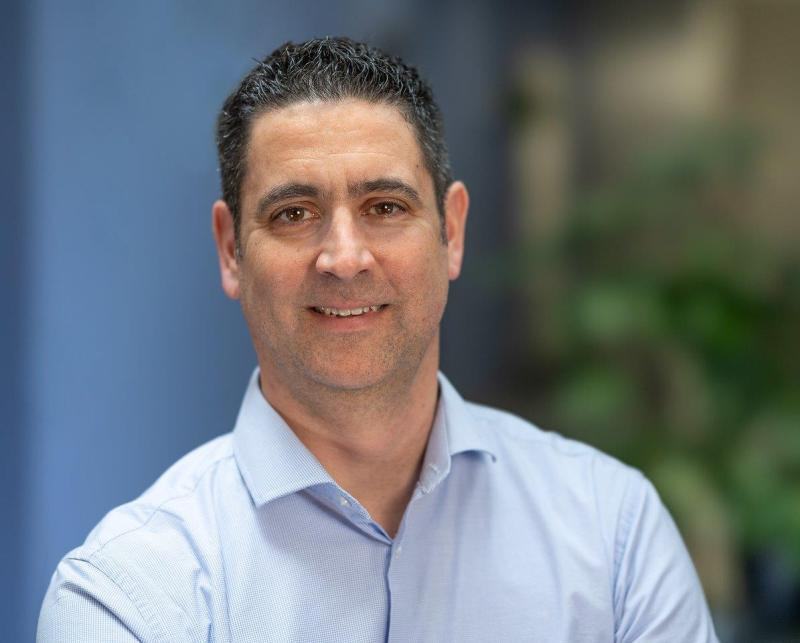
Join Kevin Belisle for a webinar on advanced clean room monitoring for cell and gene therapy. Discover Environmental Monitoring System (EMS) and Continuous Monitoring System (CMS) integration, risk-based sensor placement, validated wireless solutions, and best practices for compliance and data integrity. Gain expert insights on designing, implementing, and maintaining efficient, reliable, and GxP-compliant environmental monitoring systems for therapy manufacturing.
for cleanrooms and industrial settings
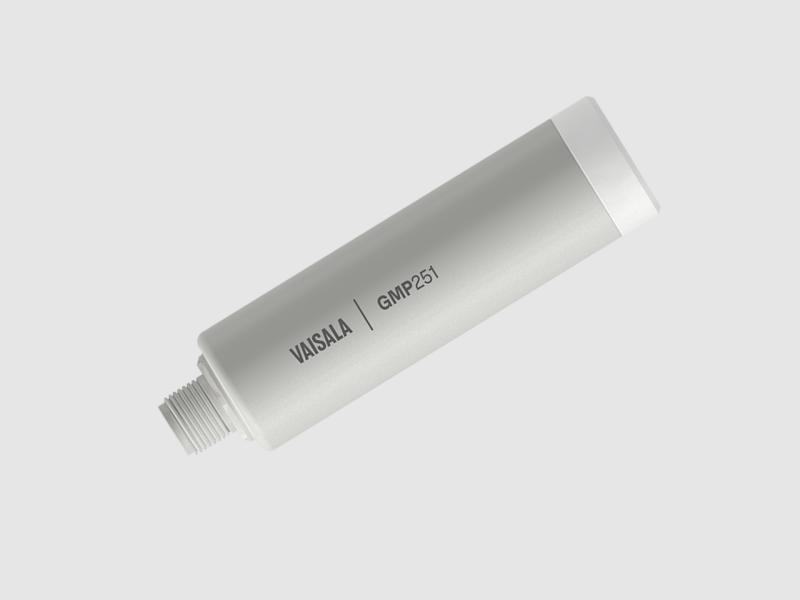
for %-level measurements in life science incubators, cold storage facilities and all demanding applications
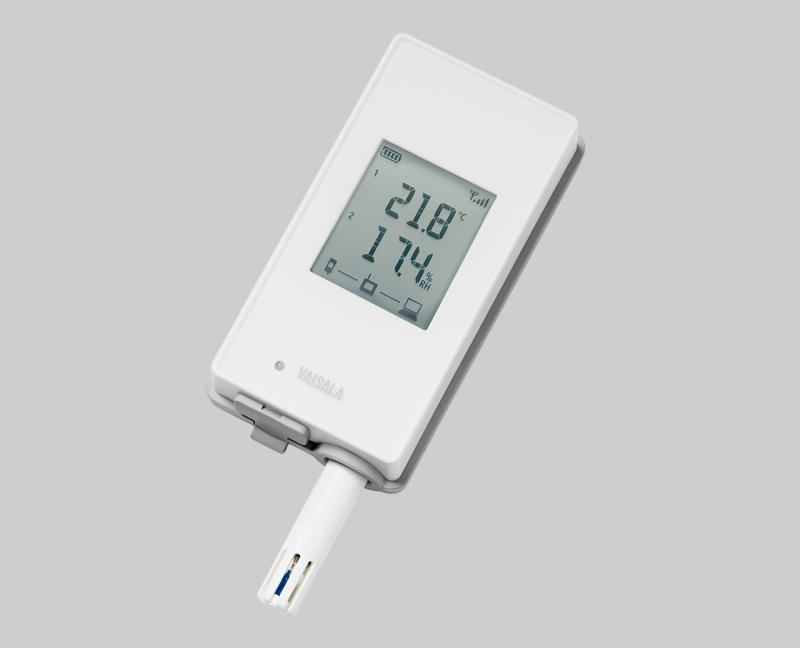
For wireless monitoring of controlled areas
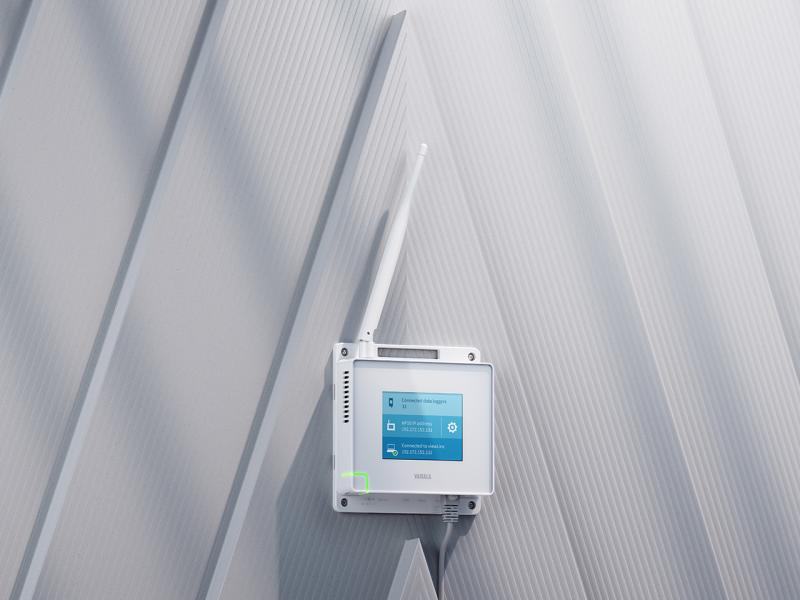
for networking VaiNet RFL-series data loggers
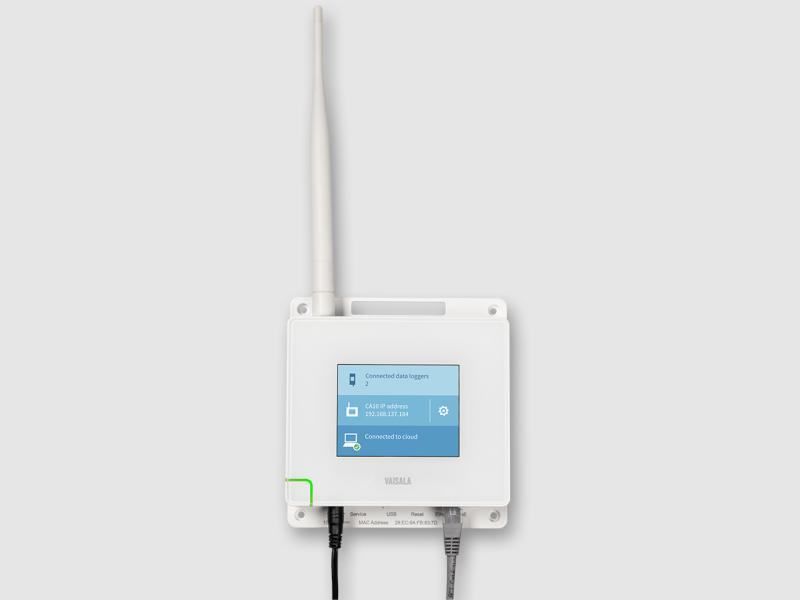
for CWL100 Wireless Data Logger
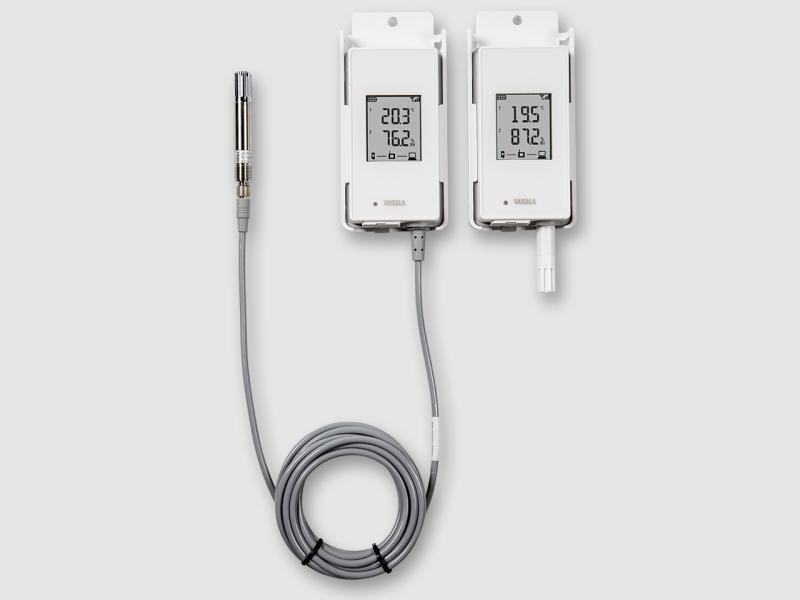
for monitoring humidity and temperature

What relative humidity, dew point, absolute humidity and mixing ratio are, how temperature and pressure distort the reading, and why dew point is…

How humidity behaves in real conditions, the three most common measurement problems, and two practical scenarios —heated air and compressed air—…

When to measure relative humidity vs. dew point, what high and low humidity demand, how temperature and pressure factor in, and when a warmed probe…

Cooling accounts for up to 40% of a data center's energy demand. This Vaisala guide explains how measurement accuracy cuts costs and risks, with a…
A specialist replies with the solution, the instrument and the service that fit.
Instruments to quote
No instruments yet. An enquiry can be sent anyway: a specialist answers.