


Hand-Held Humidity and Temperature Meter HM40
for quick inspections and spot-checking
Technical note
The requirements for testing different products, materials, and components can vary a lot depending on their intended application and other performance criteria. Demanding end uses such as automotive and mobile devices require components that are comprehensively tested to prove their performance and safety. These tests are usually done in the climate chambers. The climate chamber being used for testing must be capable of accurately replicating the required extreme climate conditions. Repeatability is another important factor in terms of ensuring that all test batches are subject to exactly the same conditions.
Precise control is crucial when moving from a standard test setup to an extreme one, and in order to have this level of control accurate measurement is needed even in condensing conditions. Traditional humidity measurement equipment cannot cope with the conditions inside a climate chamber because when the sensor gets wet, it needs time to dry out in order to start measuring accurately again. However, using a measurement module with warmed-probe technology ensures precise control over conditions inside the chamber even in the most demanding tests, such as dew cycle tests and humidity-based HALT (Highly Accelerated Life Testing).
One other factor which may also cause challenges is that the specimen are tested in elevated temperature. Plastic parts in the specimen may vaporize volatile organic compounds that can end up in the capacitive humidity sensor. This can cause drift in the humidity measurement. This issue can be avoided by heating up the humidity sensor rapidly up to 180 °C. This temperature treatment, called as chemical purge will vaporize the organic compounds away from the sensor and the drift effect is cancelled.
Warmed-probe and chemical purge technologies are available with the Vaisala HUMICAP® Humidity and Temperature Module HMM170. This module can measure humidity in conditions from 0 to 100 %RH and has a heated probe that can tolerate pressures from vacuum up to 10 bar. The circuit board footprint is designed to enable easy integration with your climate chamber’s existing configuration: the HMM170 includes three configurable analog outputs and one digital output (RS-485/MODBUS RTU). The chemical purge function can be initiated via contactor or Modbus. This is an easy way to ensure that the sensor is contaminant free before the next test patch. Configuration and calibration is done via a USB cable using the Vaisala Insight PC software.
For more information, visit www.vaisala.com/HMM170.
for quick inspections and spot-checking

For high precision measurements in demanding HVAC applications
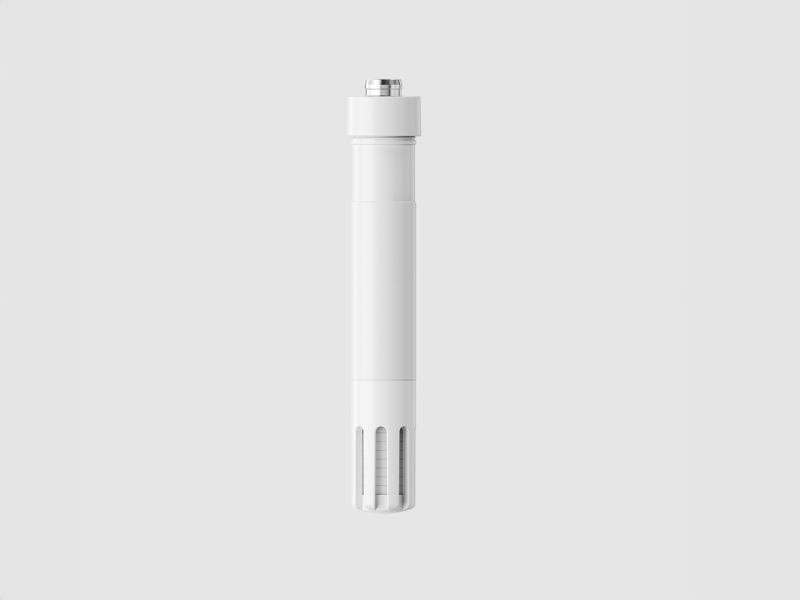
The Vaisala HUMICAP® Humidity and Temperature Probe HMP113 is a highly accurate and cost-effective humidity probe with a plastic enclosure. It has…
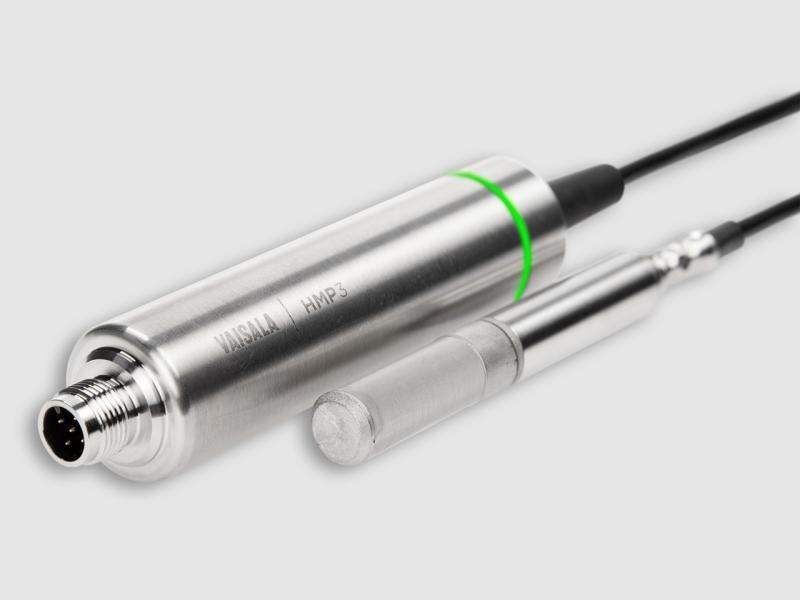
for general purpose humidity and temperature applications with exchangeable sensor
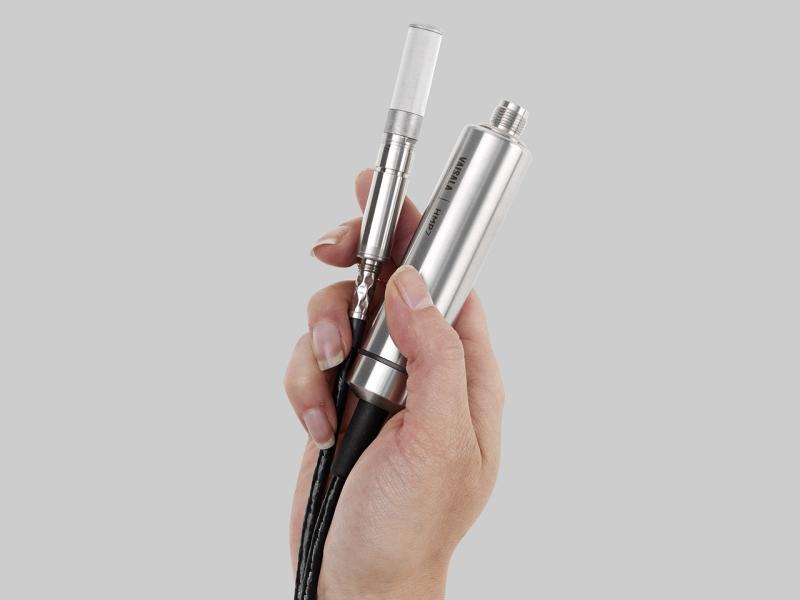
for high humidities
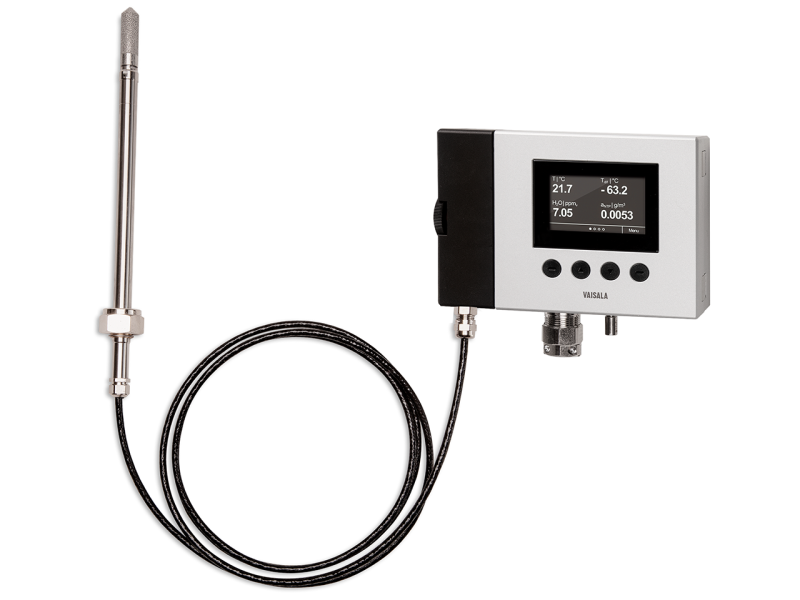
For use up to zone 0 and 20

What relative humidity, dew point, absolute humidity and mixing ratio are, how temperature and pressure distort the reading, and why dew point is…

How humidity behaves in real conditions, the three most common measurement problems, and two practical scenarios —heated air and compressed air—…

When to measure relative humidity vs. dew point, what high and low humidity demand, how temperature and pressure factor in, and when a warmed probe…

Cooling accounts for up to 40% of a data center's energy demand. This Vaisala guide explains how measurement accuracy cuts costs and risks, with a…
A specialist replies with the solution, the instrument and the service that fit.
Instruments to quote
No instruments yet. An enquiry can be sent anyway: a specialist answers.