

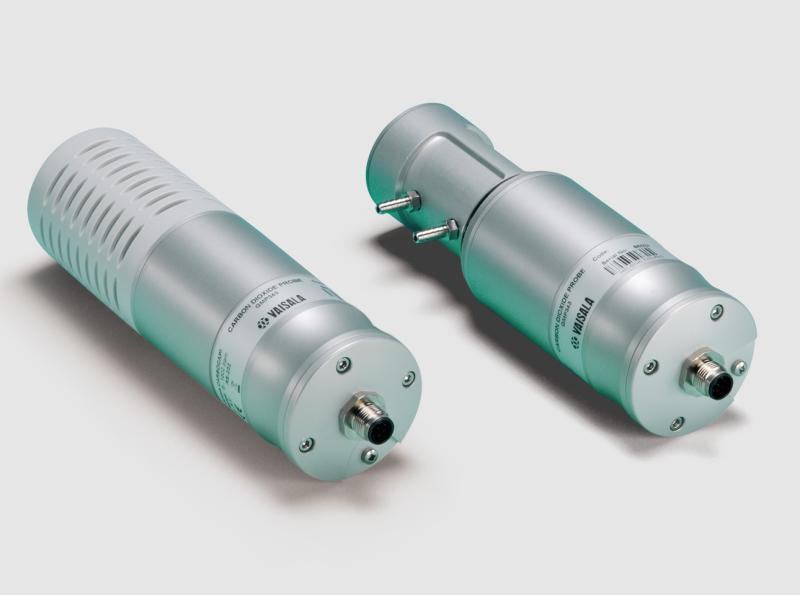
CO₂ Probe GMP343
for demanding measurements
Technical note
Making biogas production profitable as quickly as possible is typically one of the most important factors when starting up or developing a biogas plant. Subsidy payments often require Combined Heat and Power (CHP) efficiency above a certain value. The calculated methane production (expressed in cubic meters per hour) represents the energy input to the CHP engine, which is the starting point for the efficiency calculation. Overestimating the energy input makes it more difficult to achieve the efficiency required for claiming the subsidy, which can have significant consequences for the plant.
In order to achieve the required efficiency level it is critical that your methane measurements are not wrong due to incorrect compensation. Biogas plants typically calculate methane volume by multiplying dry methane concentration (extractive measurement) with wet flow rate (in-situ measurement), which results in an error in the calculated volume that is proportional to the humidity of the gas.
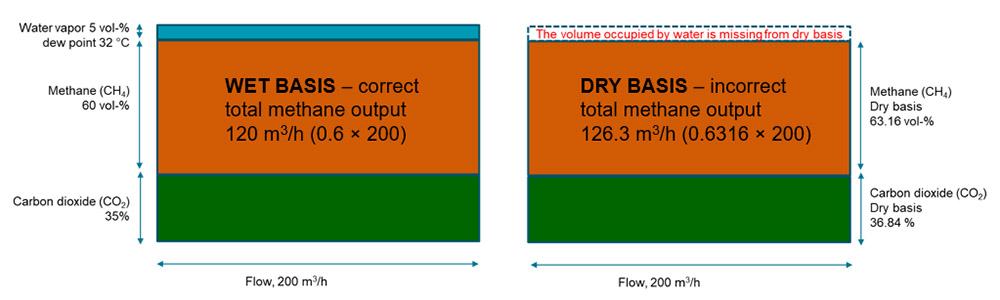
The image above explains the error resulting from mixing dry-basis and wet-basis measurements together. The total methane output is incorrect because the volume occupied by water is missing.
The good news is that you can easily avoid any incorrect data by measuring methane, humidity, and carbon dioxide directly on a wet basis with an on-line instrument. This enables accurate methane volume flow calculation.
The Vaisala CARBOCAP® MGP261 Multigas Probe for Methane, Carbon Dioxide, and Humidity helps to improve your process and ensure correct data. It is a low-maintenance device that is installed directly into the process line. Read more at www.vaisala.com/MGP261.
for demanding measurements

for quick inspections and spot-checking

For high precision measurements in demanding HVAC applications
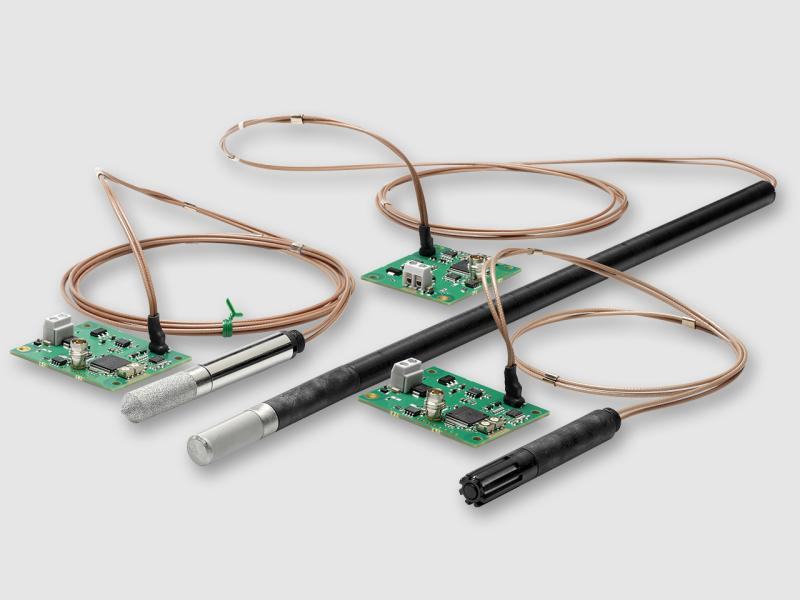
for environmental chambers
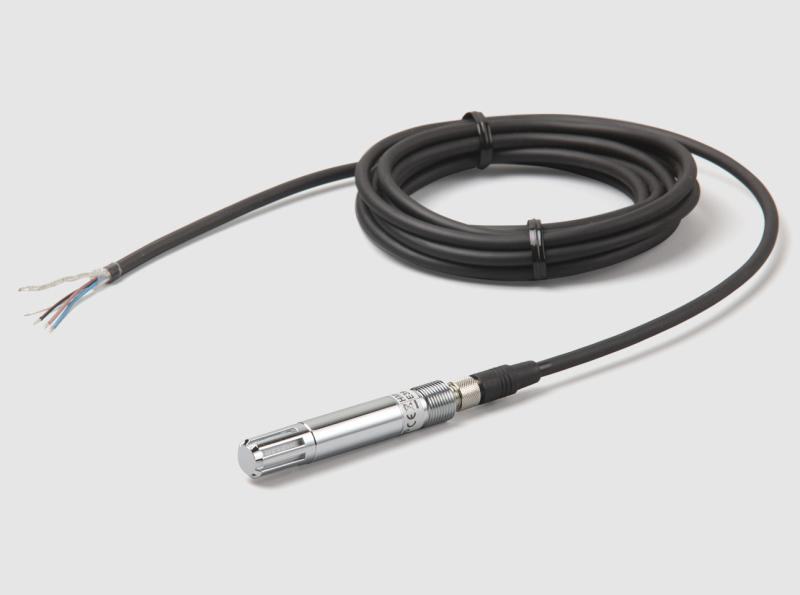
with ±1.5%RH accuracy for demanding volume applications
with ±1.5%RH accuracy for demanding volume applications

What relative humidity, dew point, absolute humidity and mixing ratio are, how temperature and pressure distort the reading, and why dew point is…

How humidity behaves in real conditions, the three most common measurement problems, and two practical scenarios —heated air and compressed air—…

When to measure relative humidity vs. dew point, what high and low humidity demand, how temperature and pressure factor in, and when a warmed probe…

Cooling accounts for up to 40% of a data center's energy demand. This Vaisala guide explains how measurement accuracy cuts costs and risks, with a…
A specialist replies with the solution, the instrument and the service that fit.
Instruments to quote
No instruments yet. An enquiry can be sent anyway: a specialist answers.