
Humidity Fundamentals, Part 1: Key Concepts
What the different humidity parameters actually measure, how temperature and pressure affect them, and why choosing the right control variable changes a process outcome.
Humidity can be expressed in many ways —relative humidity, dew point, absolute humidity, mixing ratio— and choosing the wrong parameter is one of the most common causes of “strange” readings in a process. This note breaks these concepts down and shows why they matter depending on the application. For the instruments that measure them, see the humidity instrumentation landing.
The core idea is simple: not all parameters describe the same thing. Some depend strongly on temperature, others on pressure, and some are independent of both. Understanding that difference is what makes it possible to interpret a measurement correctly.
This note covers
- What relative humidity, dew point, absolute humidity and mixing ratio measure
- Why a temperature change alters relative humidity without the air's water changing
- How pressure affects the measurement
- Why dew point is often a better control variable
The Humidity Parameters
Relative humidity (RH) expresses the air's water vapor content as a percentage of the saturation pressure at the current temperature. It is defined as the ratio between the partial pressure of water vapor and the saturation pressure:
RH = (pw / pws) × 100%
- pw = partial pressure of water vapor
- pws = water saturation pressure at that temperature
The practical consequence of this definition is that RH depends strongly on temperature: a small temperature change produces large RH swings even though the water content doesn't change.
Dew point (Td) is the temperature to which air must be cooled to become saturated with water vapor. Unlike RH, it's independent of ambient temperature and relates directly to the actual water content: it indicates the temperature at which condensation will occur. Below 0°C it's called frost point (Tf).
Absolute humidity (a), in grams per cubic meter, directly measures the amount of water present and depends strongly on gas pressure. Mixing ratio (x) expresses the mass of water vapor per kilogram of dry gas, also pressure-dependent, and is useful in ventilation calculations. Enthalpy (h) represents the total energy content of moist air relative to a reference state and is used mostly in HVAC.
The Effect of Temperature
When air is heated, the saturation pressure rises rapidly —warm air can hold much more water vapor than cold air—. Since the partial pressure of the vapor doesn't change, relative humidity falls, even though not a single water molecule has been removed.
A concrete example: outside air at −14°C and 60% RH enters a building heated to +21°C. Keeping the water content constant, RH drops to around 5%, a value usually considered too dry for comfort. Nothing changed in the amount of water; only the temperature changed, and with it the reference against which RH is calculated.
The Effect of Pressure
Dalton's law states that the total pressure of a gas mixture is the sum of the partial pressures of each component. As total pressure increases, all partial pressures increase proportionally.
That's why, in a compressed air system, raising the pressure “removes” water from the air: the partial pressure of the vapor rises and reaches the saturation pressure sooner, causing condensation. This effect is key to understanding why dew point measured at system pressure differs from that measured at atmospheric pressure.
Why Dew Point Is Often a Better Control Variable
In a cleanroom, holding 40% RH (±2%) at 20°C (±1°C) is difficult precisely because RH depends on temperature: every thermal swing moves the RH. In contrast, at 40% RH and 20°C the dew point is 6.0°C, and controlling over a narrow dew point band makes environmental control easier and saves energy.
The extreme case is compressed air: below 1% RH, relative humidity measurement is practically useless due to its poor resolution, while dew point offers meaningful differentiation and enables compliance with compressed air quality standards. In part 2 of this series we look at how all of this translates into practical measurement.
This technical content is based on Vaisala's educational material on humidity measurement fundamentals. AKRIBIS is an authorized Vaisala partner for distribution and technical support in the region — explore the full Vaisala instrumentation line.
Instruments to Measure Humidity
-
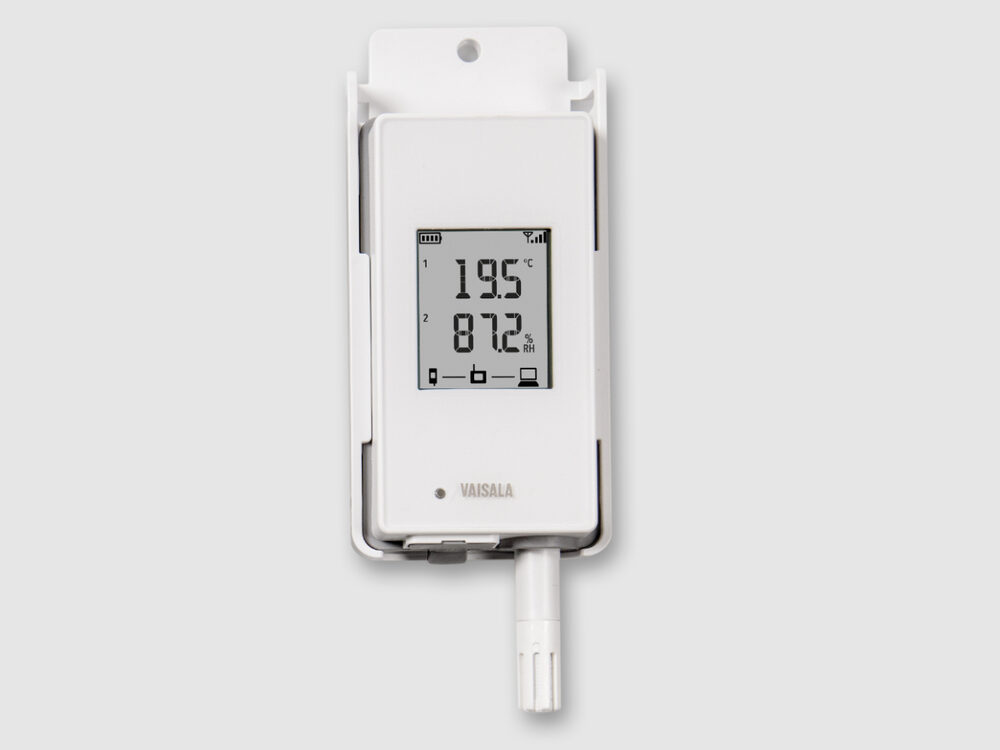 CWL100 Cloud wireless data logger for temperature and humidity
 -
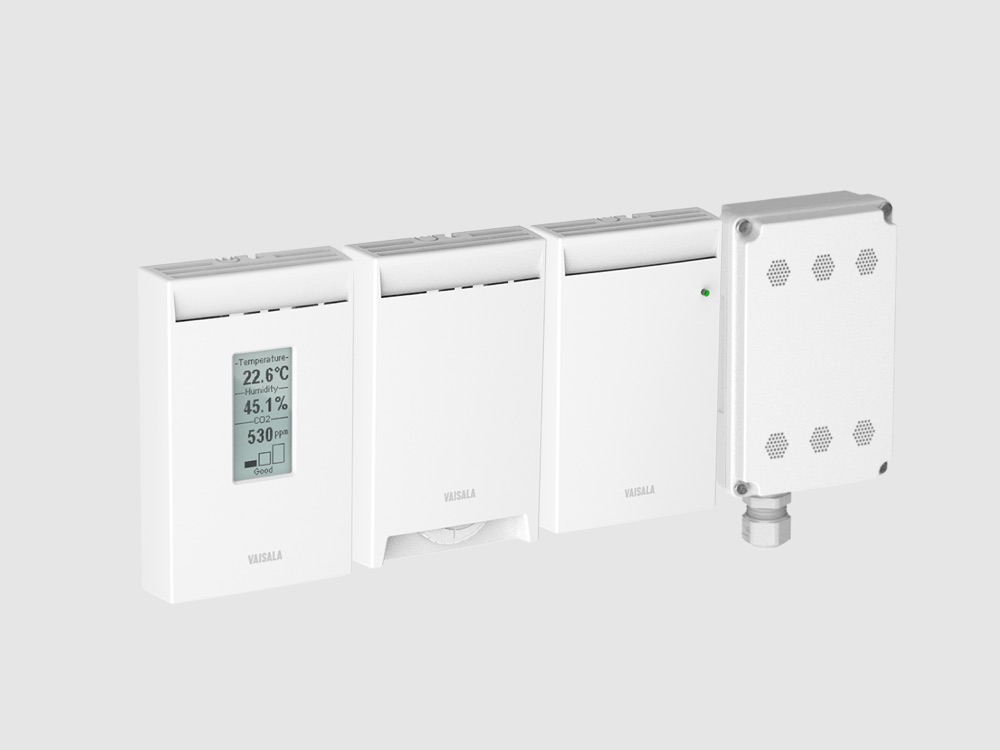 GMW80 Wall-mounted CO2, humidity and temperature transmitter for indoor air quality
 -
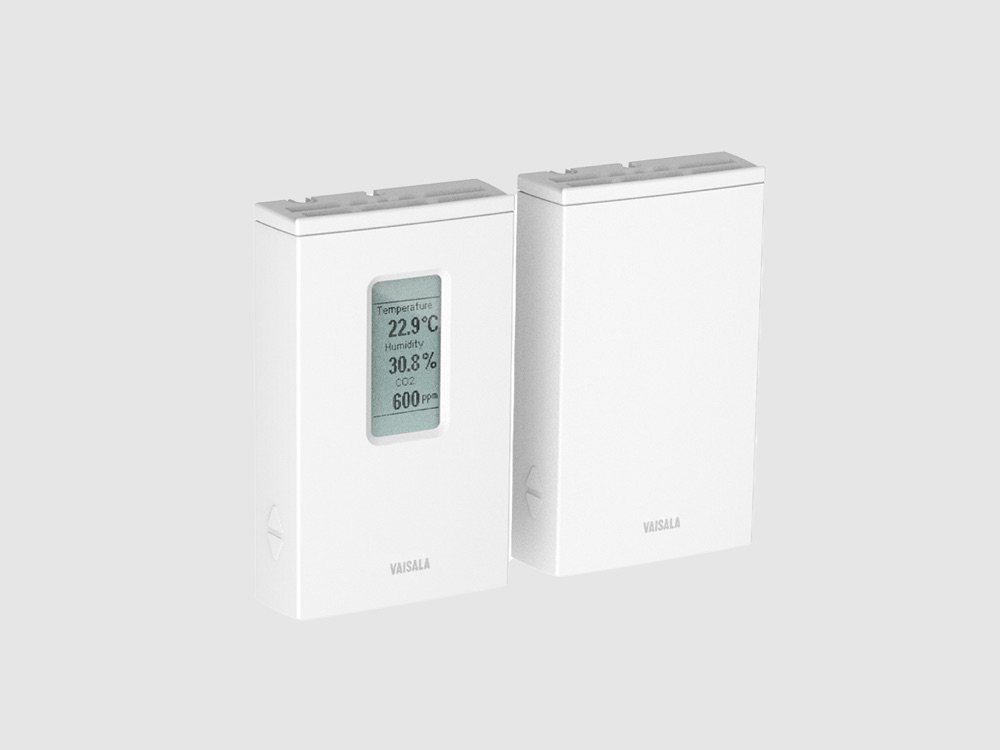 GMW90 Wall-mounted CO2 transmitter for green building projects
 -
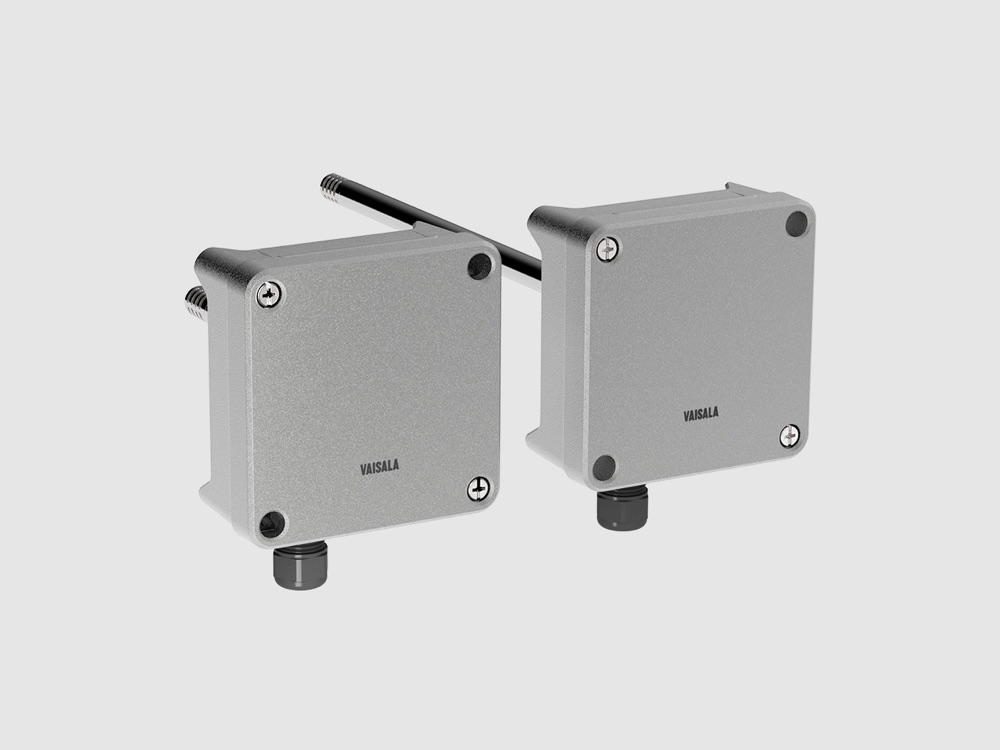 HMD60 Duct humidity and temperature transmitter for HVAC
 -
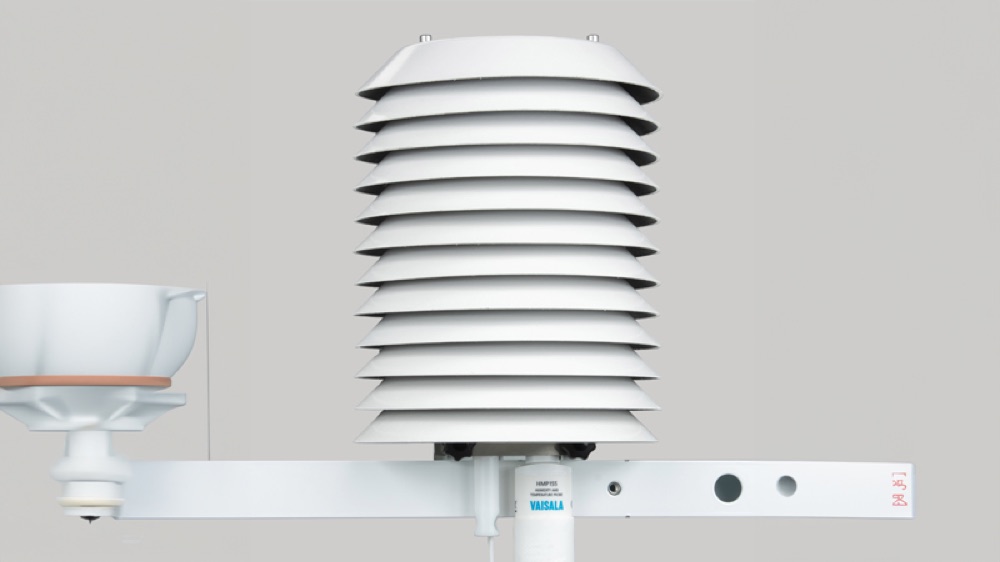 HMP155 HUMICAP® humidity and temperature probe for harsh environments
 -
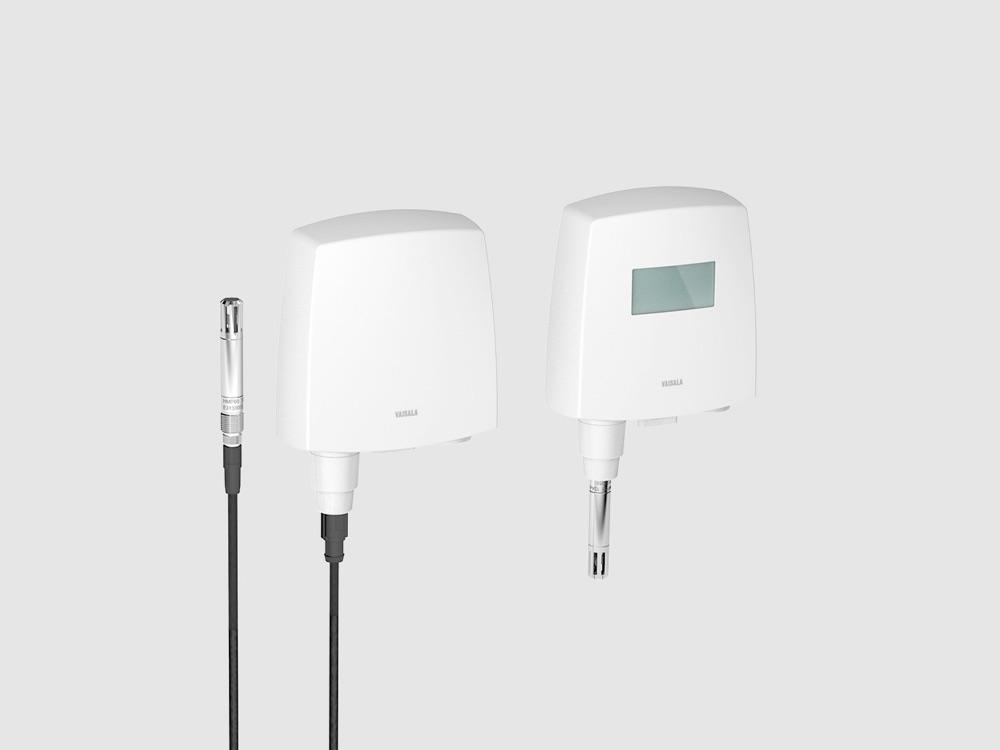 HMT120/130 Humidity and temperature transmitters with exchangeable probe for cleanrooms
 -
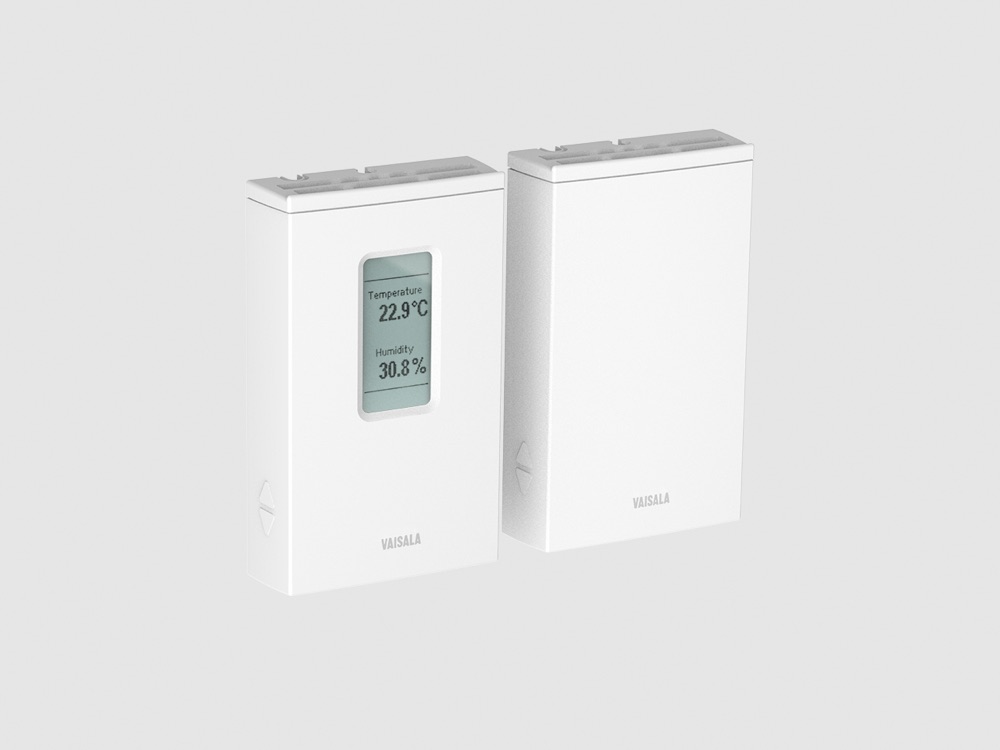 HMW90 Wall-mount humidity and temperature transmitters for building automation
 -
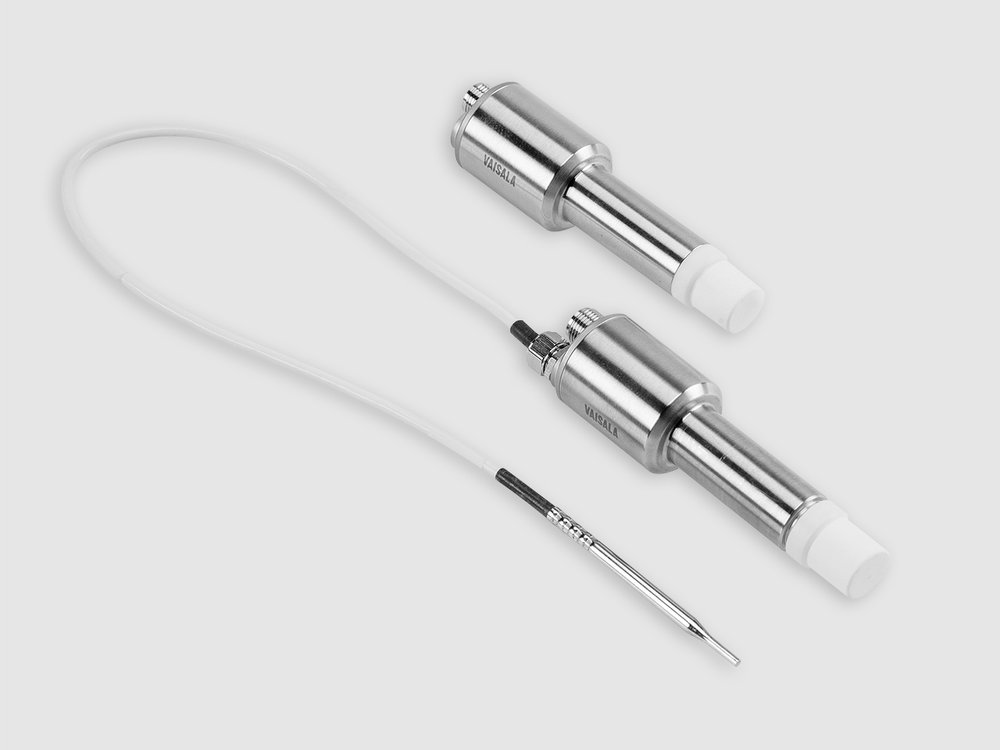 HPP270 PEROXCAP® vaporized hydrogen peroxide probe for bio-decontamination
 -
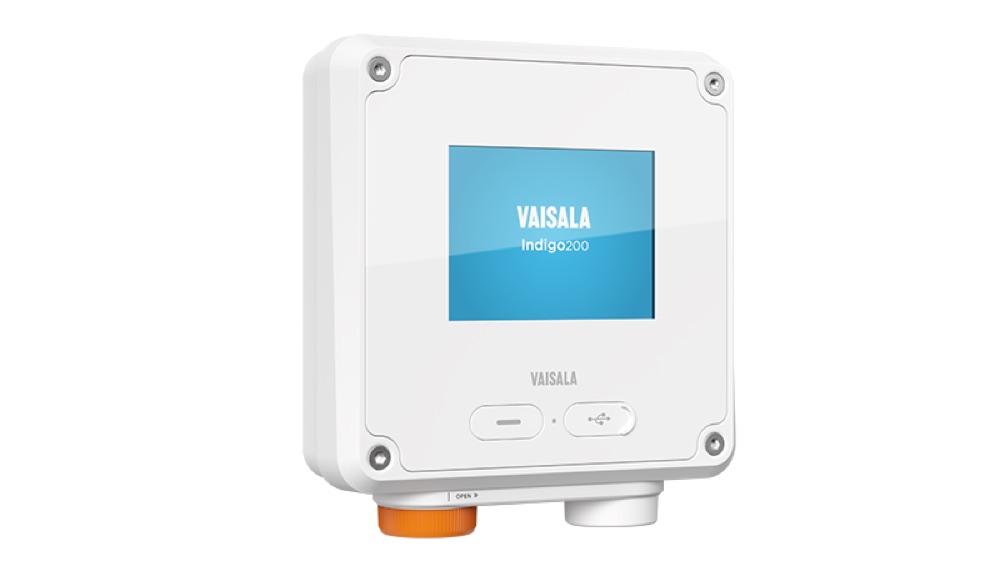 Indigo200 Compact single-probe transmitter for the Indigo ecosystem
 -
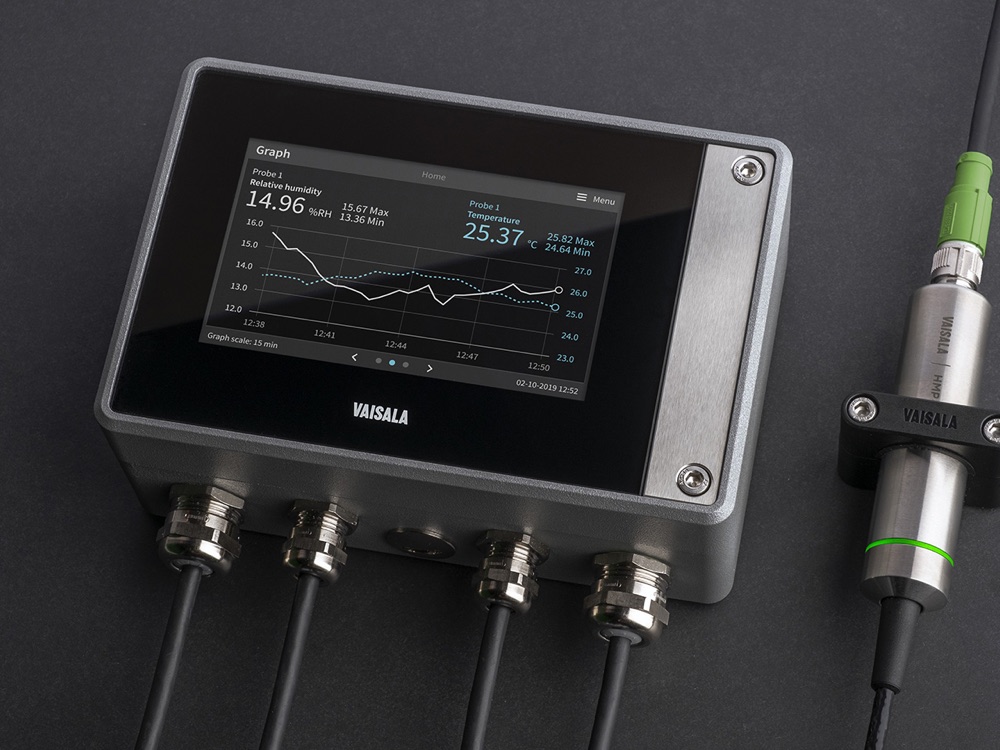 Indigo500 Universal transmitter for Indigo-compatible probes
 -
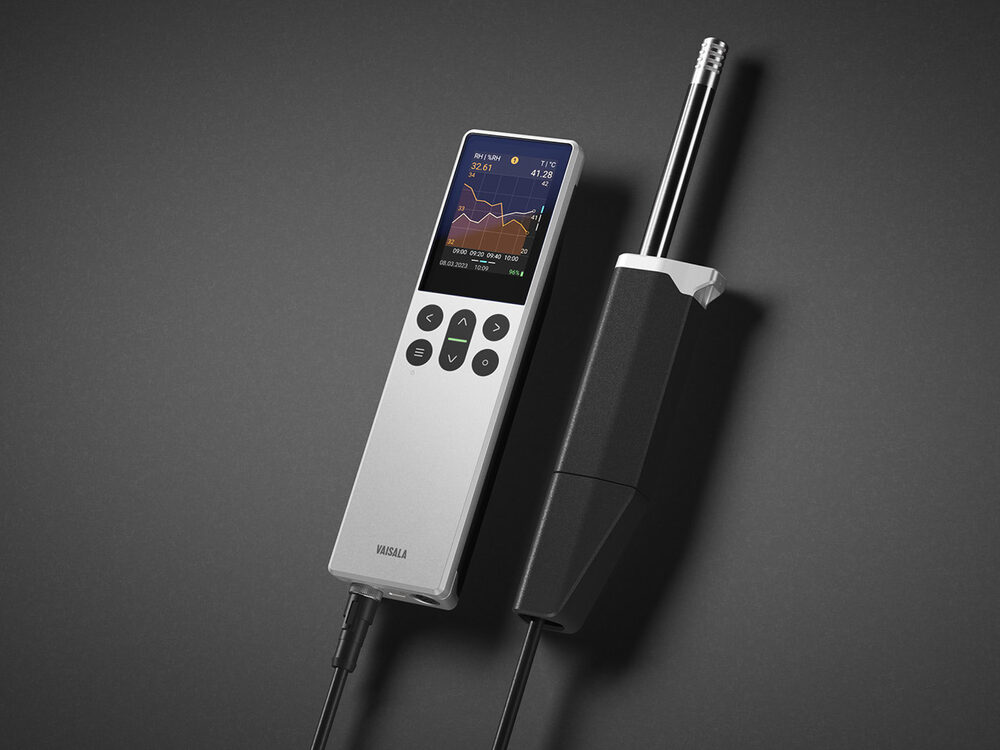 Indigo80 Handheld indicator for Indigo-compatible probes
 -
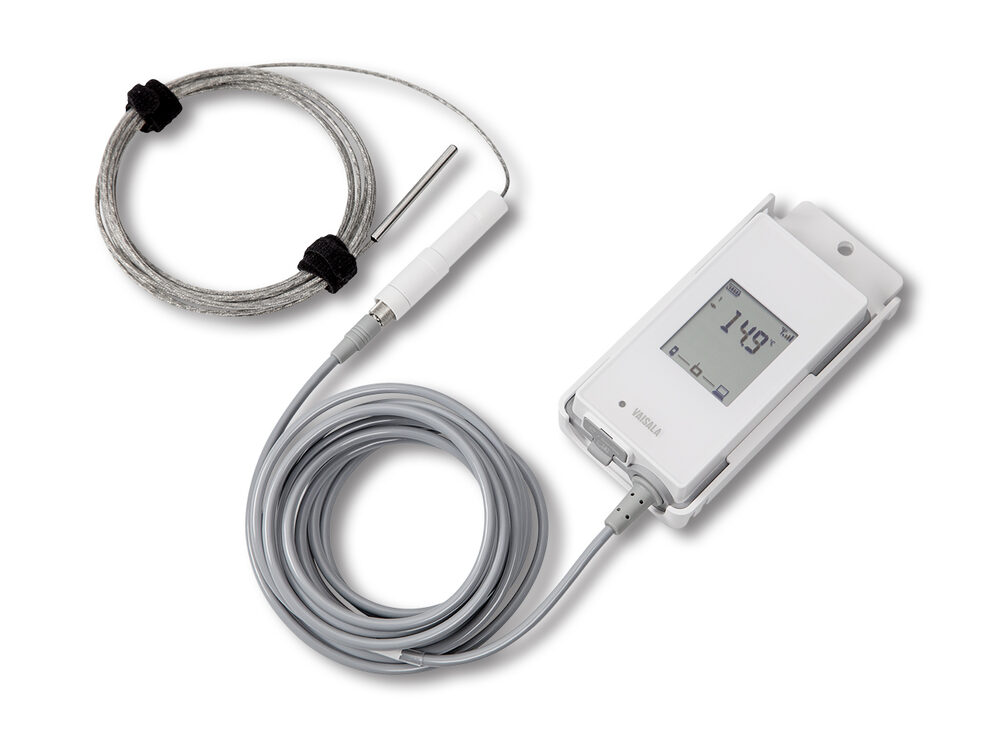 RFL100 VaiNet wireless data logger for continuous monitoring
 -
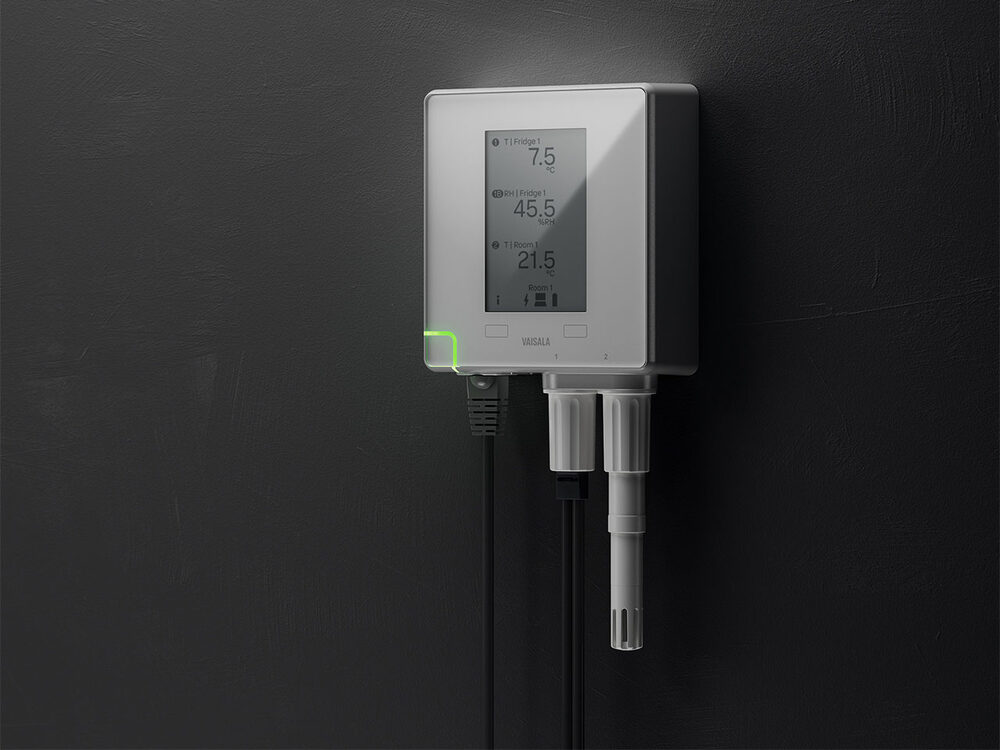 VDL200 Multi-parameter PoE data logger for continuous monitoring
 -
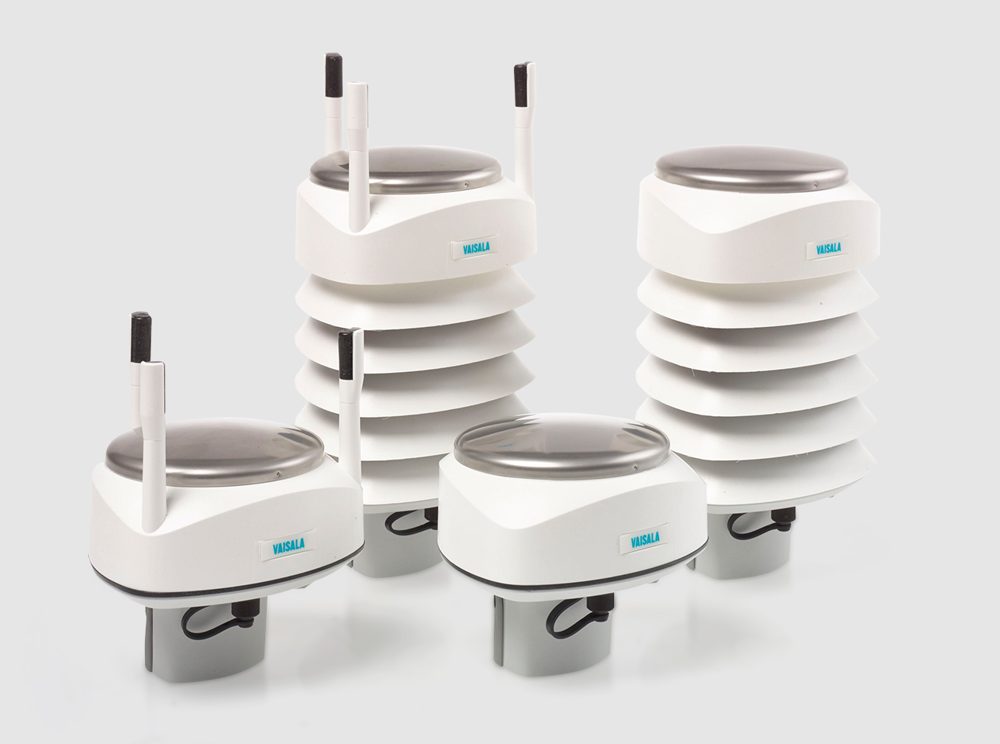 WXT530 Compact multi-parameter weather transmitter series
¿Querés profundizar sobre este tema?
Nuestros especialistas pueden asesorarte en detalle sobre su aplicación en tu proceso.