
Humidity Fundamentals, Part 2: Practical Measurement
How the concepts from part 1 show up in practice: typical symptoms of a misread measurement and how to fix them by choosing the right variable.
Part 1 of this series covered the concepts —relative humidity, dew point, the effect of temperature and pressure—. This part shows how those effects appear in a real measurement and how to read their symptoms.
Most “strange” humidity readings aren't sensor faults: they're the expected physical behavior interpreted with the wrong parameter. Recognizing the pattern is what lets you decide what to measure and how to control the process.
This note covers
- How humidity behaves when temperature and pressure change
- The three most common measurement problems and their real cause
- Two practical scenarios solved with dew point
- What all of this means for choosing the instrument
How Humidity Behaves in Real Conditions
When temperature rises, saturation pressure increases rapidly: warm air can hold much more water vapor. That's why relative humidity falls even when no water has been removed —behavior that can mislead a control system reasoning only in terms of RH.
Saturation occurs when the partial pressure of water vapor equals the saturation pressure at a given temperature: that's the dew point. Below freezing it's called frost point. And per Dalton's law, compressing air raises the partial pressure of the vapor in proportion to the total pressure.
Three Common Measurement Problems
-
Sudden RH spikes
Usually caused by small temperature shifts rather than humidity changes —for example, opening a door to a cooler area—. The air's water didn't change; the reference temperature did.
-
Compressed air condensation
Appears when the partial pressure of the vapor rises during compression and the air is then cooled in downstream equipment, reaching the dew point.
-
Pressure-dependent measurements
Dew point measured at system pressure differs from that measured at atmospheric pressure: pressure must be taken into account when comparing values.
Two Practical Scenarios
| Scenario | What happens | How to solve it |
|---|---|---|
| Heating air from 20°C to 30°C | Relative humidity falls even though the water content doesn't change. | Control by dew point instead of RH: it avoids unnecessary humidification, saves energy and prevents over-conditioning. |
| Compressing air from 1 bar to 7 bar | Dew point rises without the water content changing. | Measuring dew point at system pressure lets you predict where and when condensation will form. |
What This Means for Choosing the Instrument
The practical conclusion is that the parameter to measure depends on the environment: low-humidity environments and processes like lithium battery manufacturing call for dew point sensors, while HVAC and building applications are solved with relative humidity and temperature transmitters.
In demanding industrial environments it pays to prioritize robust probes and transmitters with low drift, high accuracy and proven long-term stability, with long calibration intervals. How to land that choice product by product is developed in How to Choose the Right Humidity Instrument.
This technical content is based on Vaisala's educational material on practical humidity measurement. AKRIBIS is an authorized Vaisala partner for distribution and technical support in the region — explore the full Vaisala instrumentation line.
Instruments to Measure Humidity
-
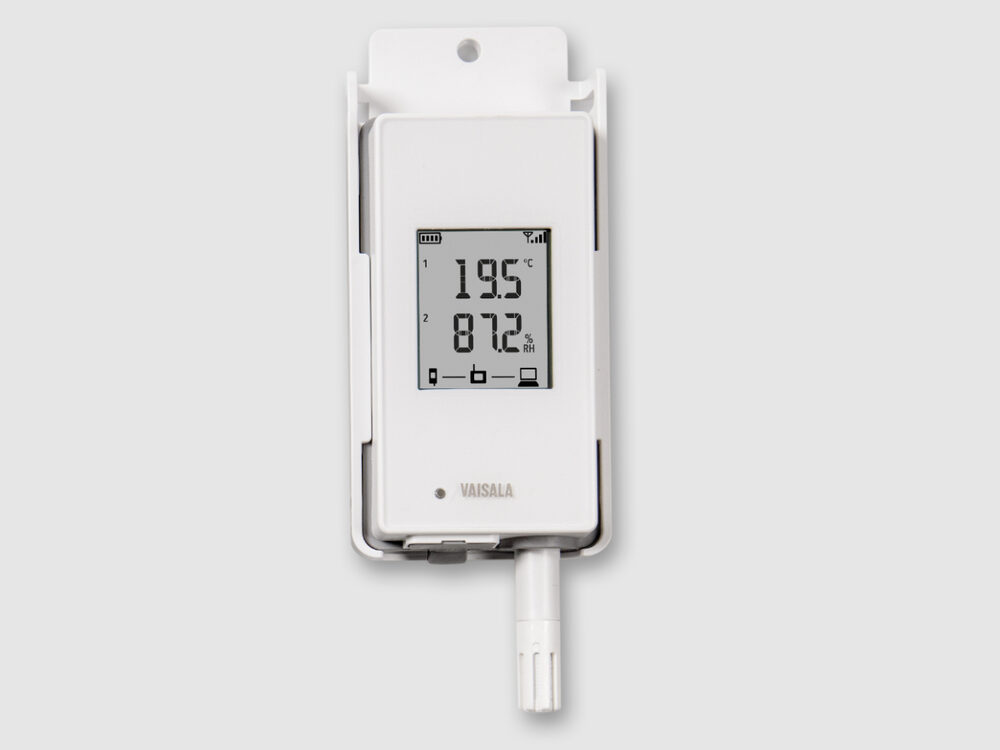 CWL100 Cloud wireless data logger for temperature and humidity
 -
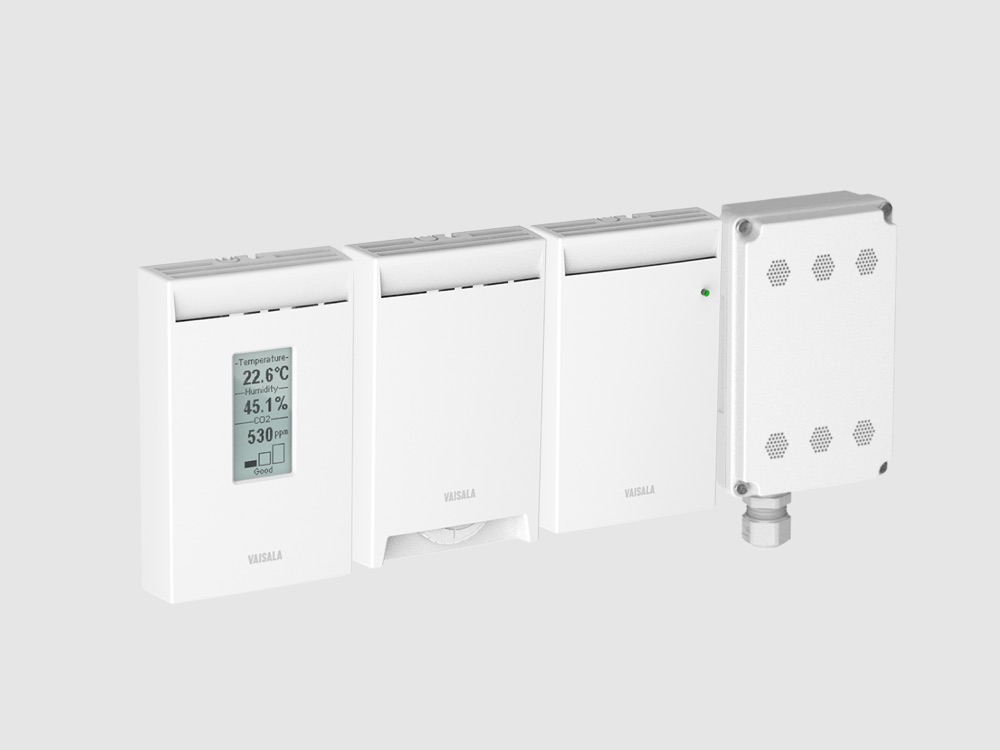 GMW80 Wall-mounted CO2, humidity and temperature transmitter for indoor air quality
 -
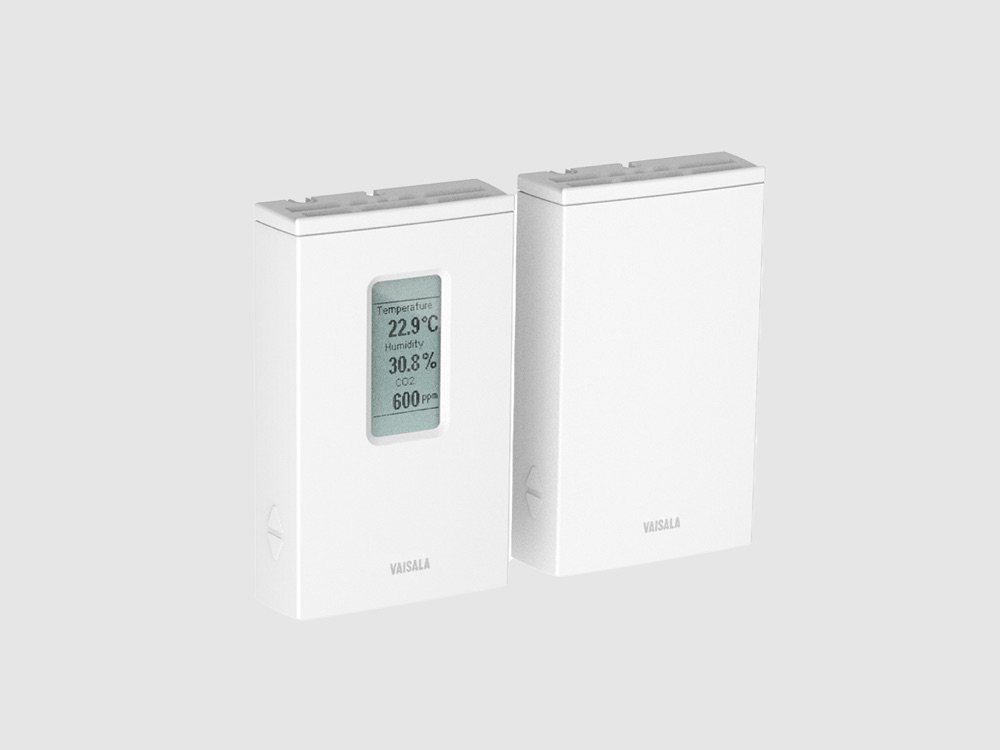 GMW90 Wall-mounted CO2 transmitter for green building projects
 -
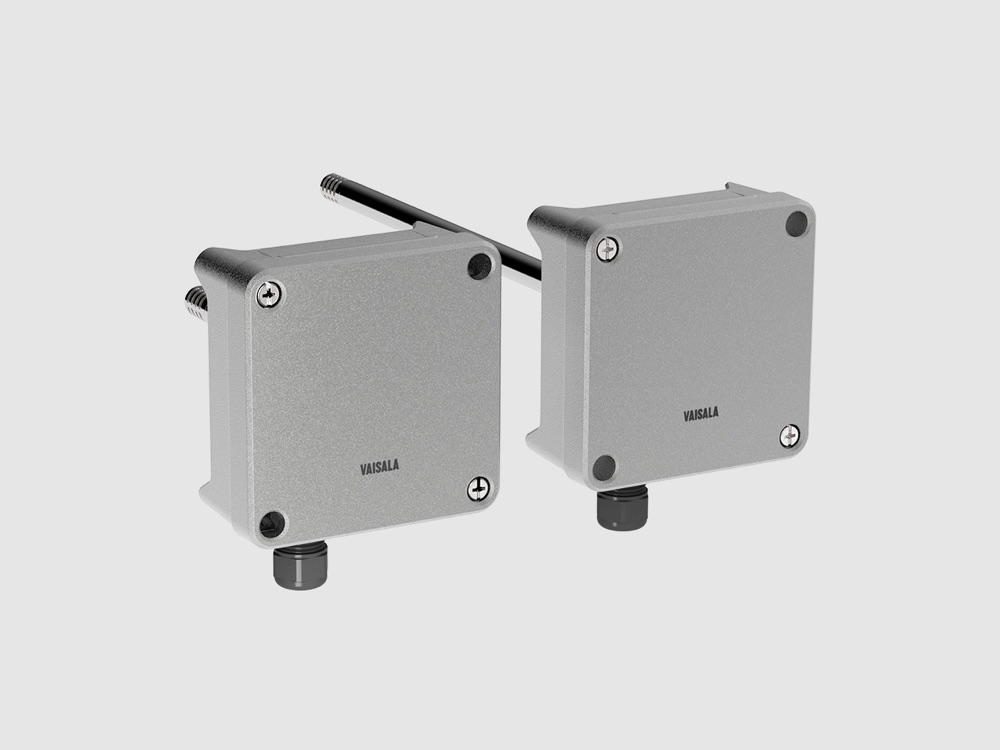 HMD60 Duct humidity and temperature transmitter for HVAC
 -
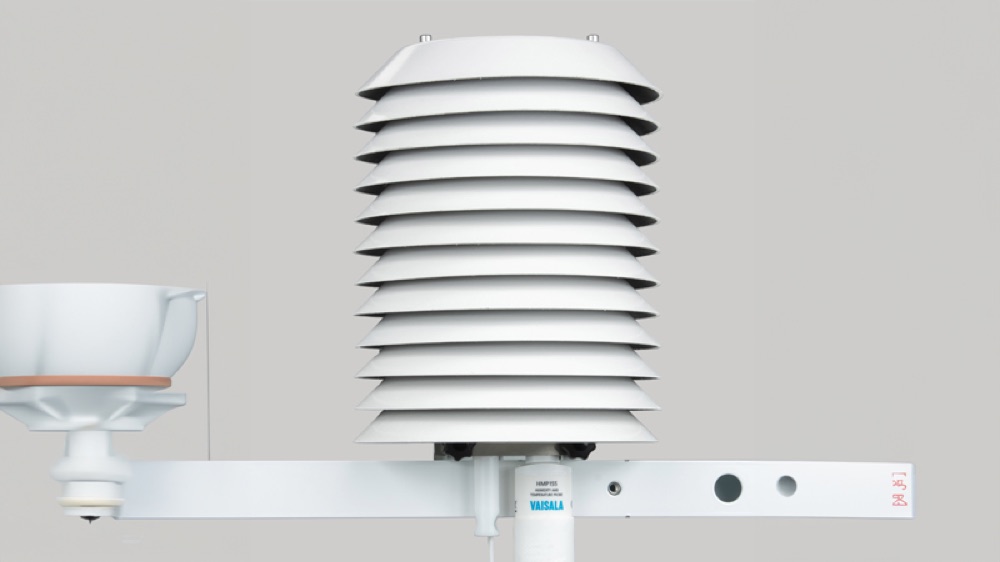 HMP155 HUMICAP® humidity and temperature probe for harsh environments
 -
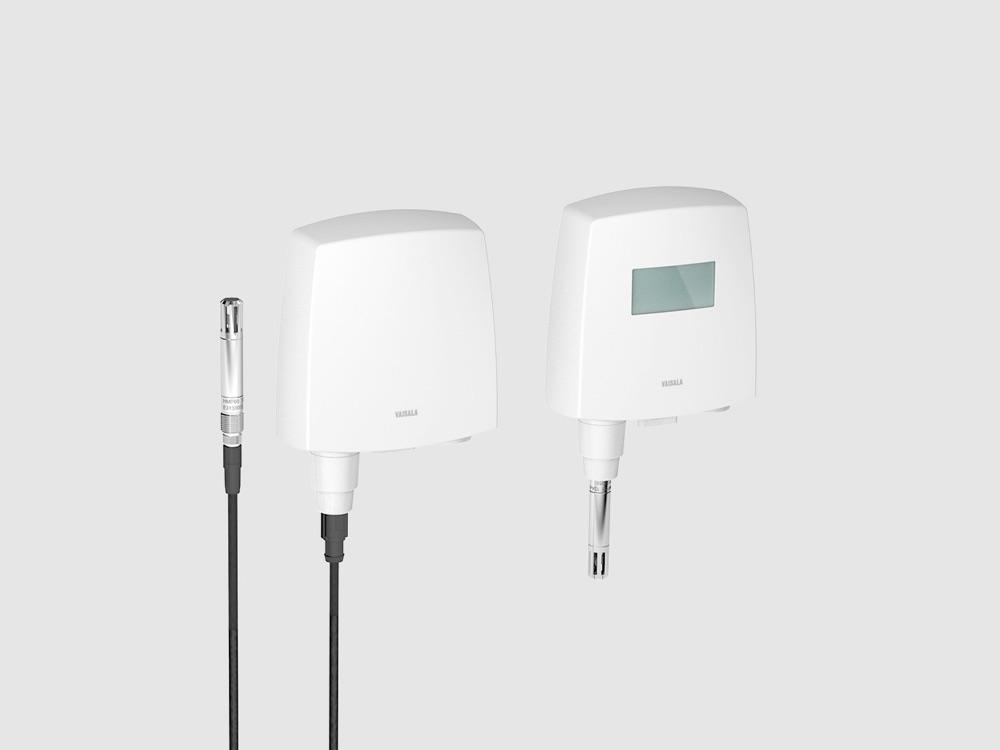 HMT120/130 Humidity and temperature transmitters with exchangeable probe for cleanrooms
 -
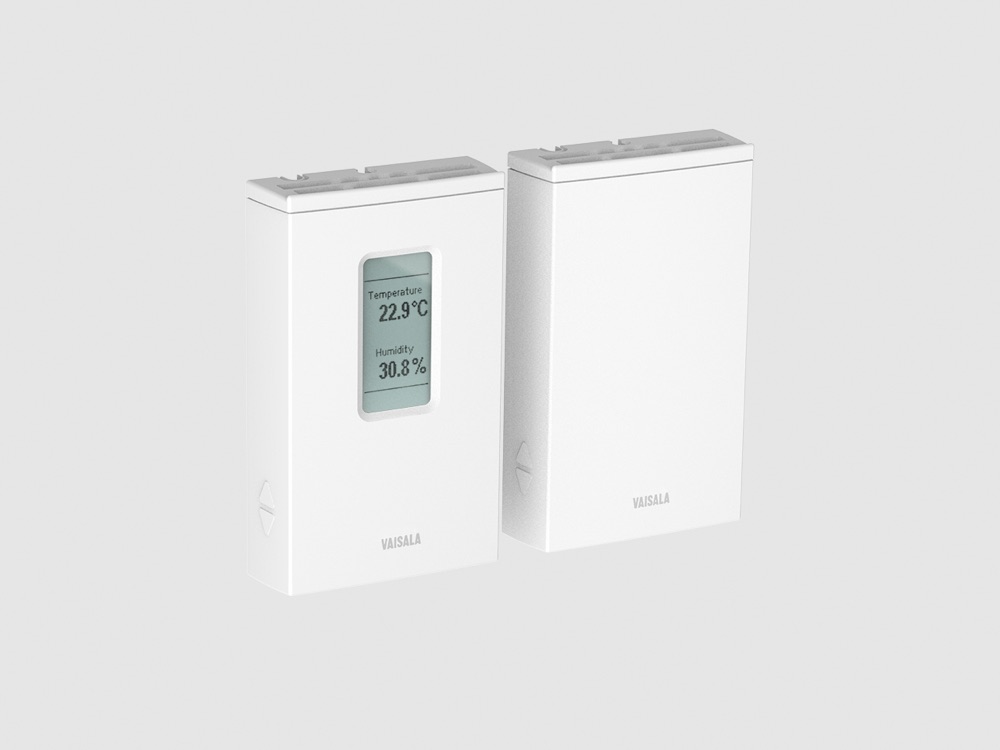 HMW90 Wall-mount humidity and temperature transmitters for building automation
 -
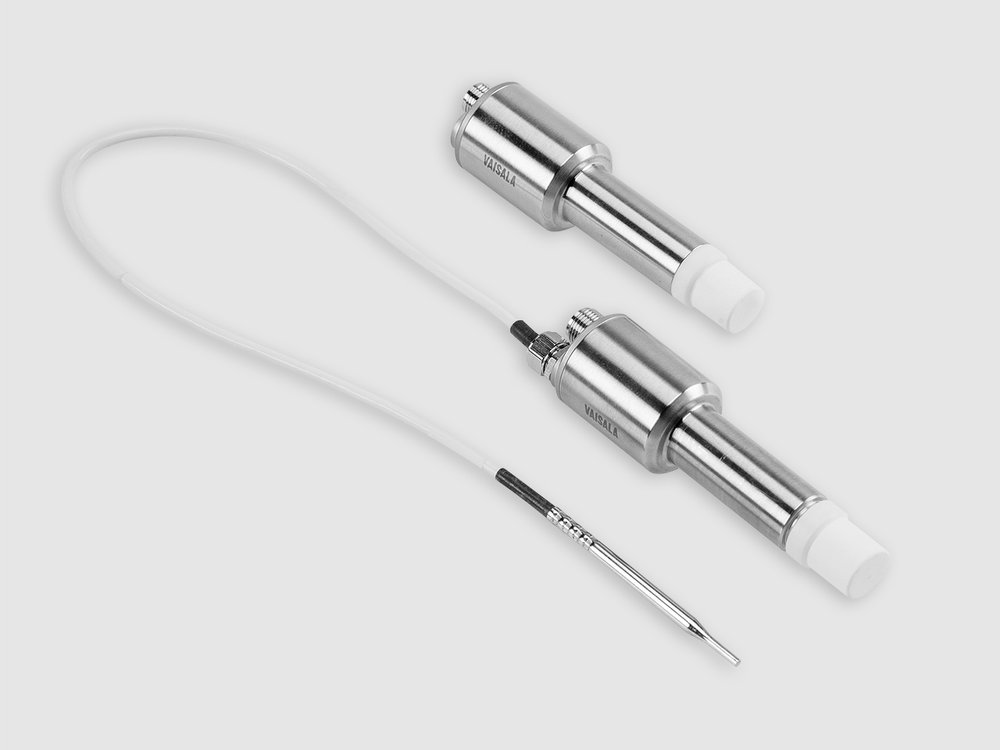 HPP270 PEROXCAP® vaporized hydrogen peroxide probe for bio-decontamination
 -
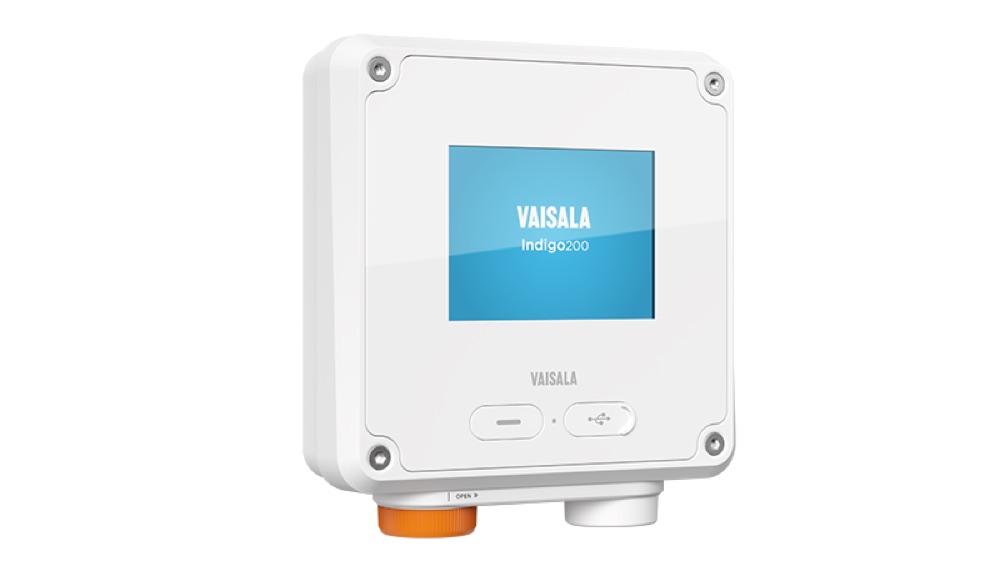 Indigo200 Compact single-probe transmitter for the Indigo ecosystem
 -
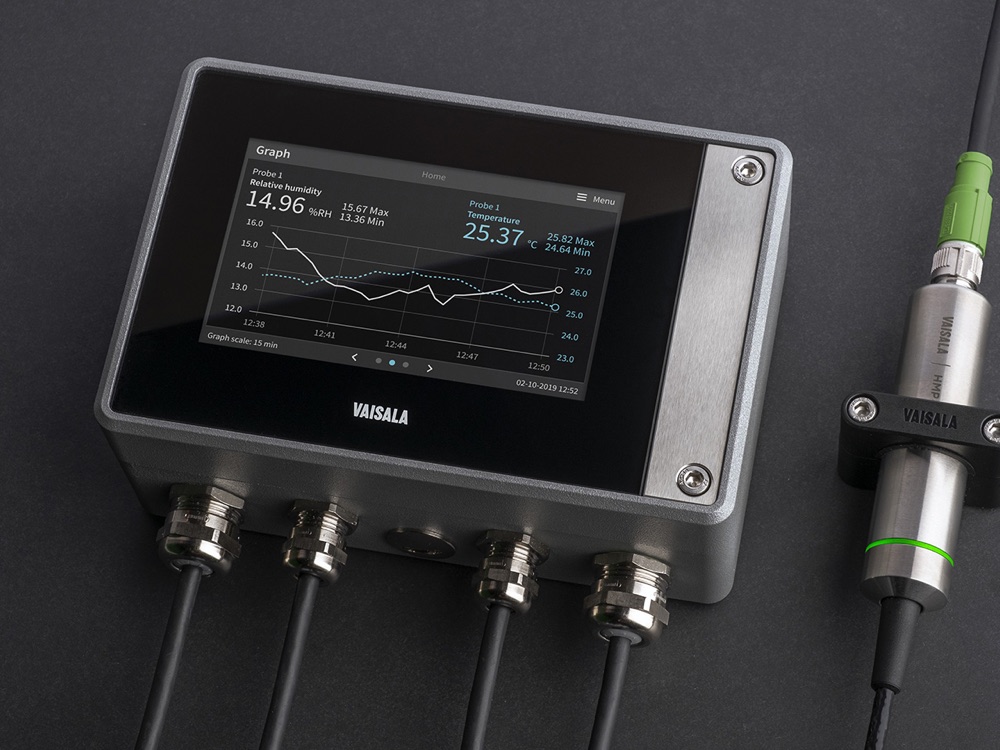 Indigo500 Universal transmitter for Indigo-compatible probes
 -
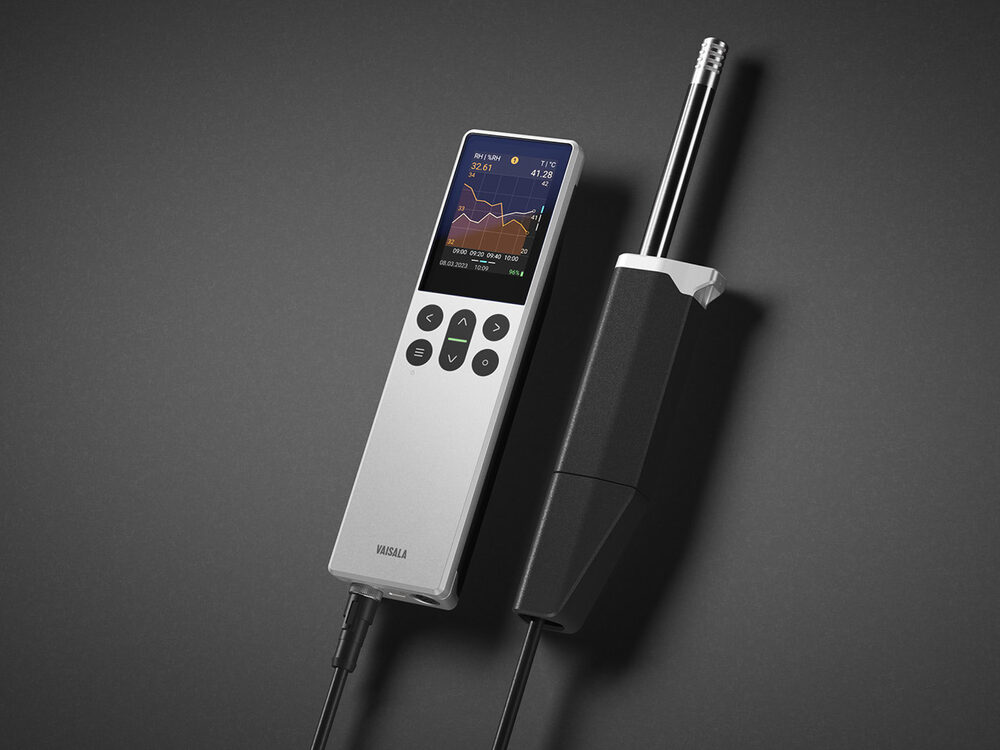 Indigo80 Handheld indicator for Indigo-compatible probes
 -
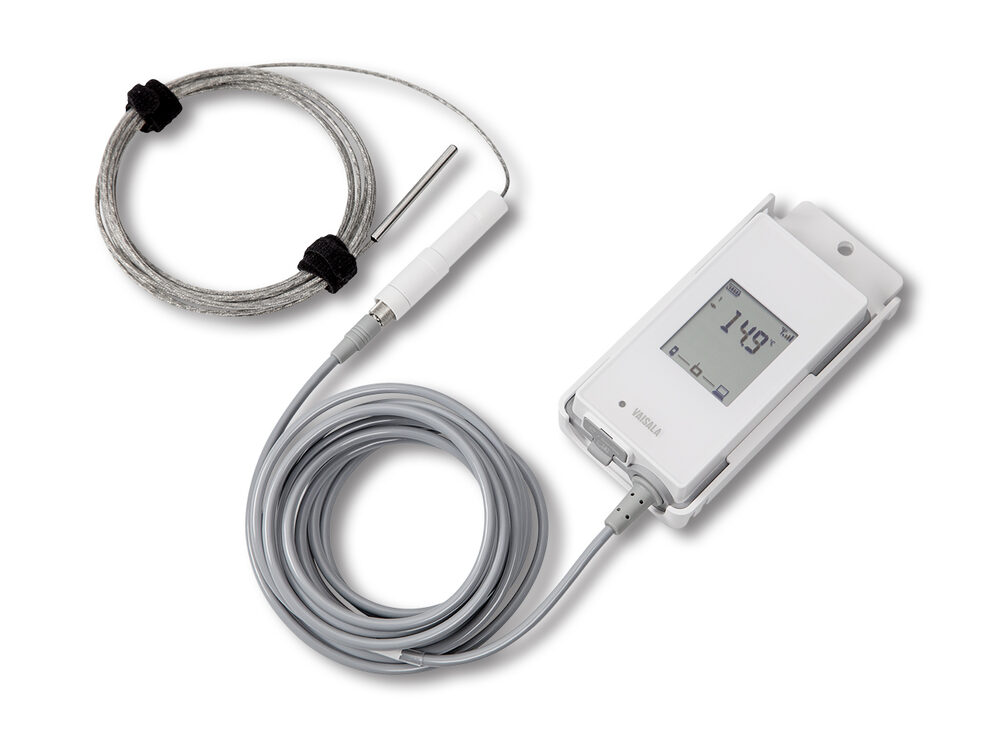 RFL100 VaiNet wireless data logger for continuous monitoring
 -
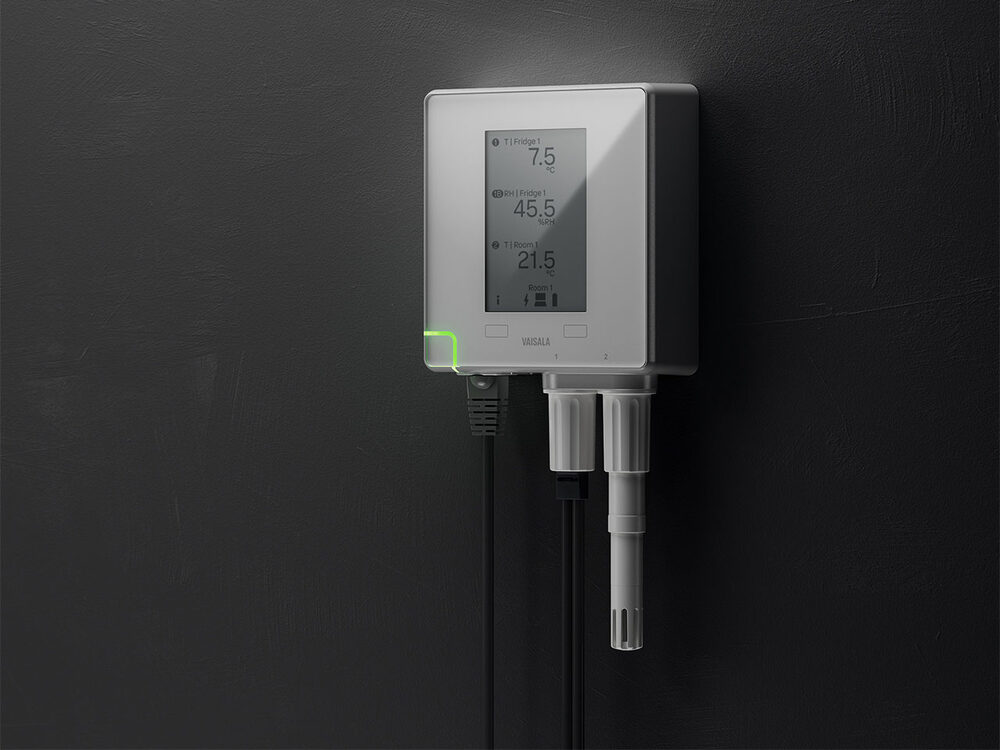 VDL200 Multi-parameter PoE data logger for continuous monitoring
 -
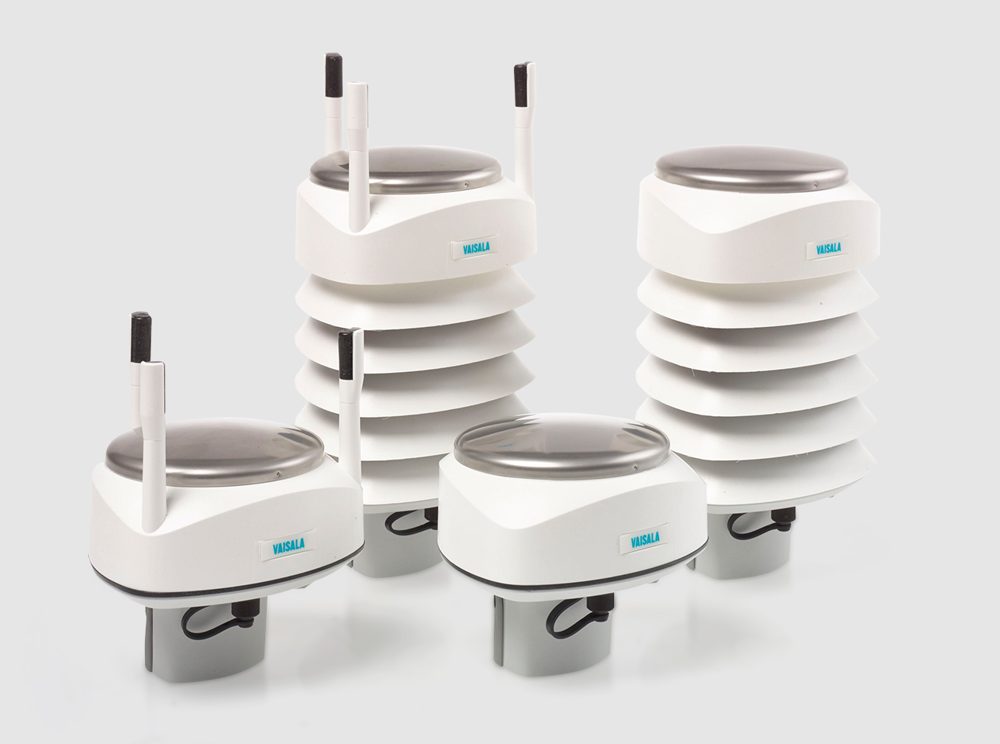 WXT530 Compact multi-parameter weather transmitter series
¿Querés profundizar sobre este tema?
Nuestros especialistas pueden asesorarte en detalle sobre su aplicación en tu proceso.