

Measurement
Humidity
Relative and absolute humidity for environmental control, pharmaceutical processes, HVAC and industrial facilities. Spot or continuous measurement.
Content from Vaisala · retrieved on View the original source
Measurement
Relative and absolute humidity for environmental control, pharmaceutical processes, HVAC and industrial facilities. Spot or continuous measurement.
Content from Vaisala · retrieved on View the original source
Water (H2O) can present itself in three different forms: solid (ice), liquid (water), and gas (humidity). Humidity is an invisible gas that can be measured and defined with different parameters. Relative humidity indicates the present state relative to maximum humidity in a given temperature. Dew point temperature indicates the temperature to which air needs to be cooled in order to reach condensation. For industrial-scale manufacturing, controlling these parameters is a must for good quality end-products and efficient manufacturing processes.
Get to know Vaisala’s reliable and durable measurement solutions for humidity and moisture.

Humidity is measured in many air control applications, where the relative humidity is for the most part over 10 %. Relative humidity (RH) is a measure of the water vapor content of air. For more information, read the article what relative humidity is and why it is important.
Find humidity measurement products by typical applications:
test chambers, building automation and HVAC, spray drying, paint booths, biogas production, and bio-decontamination.
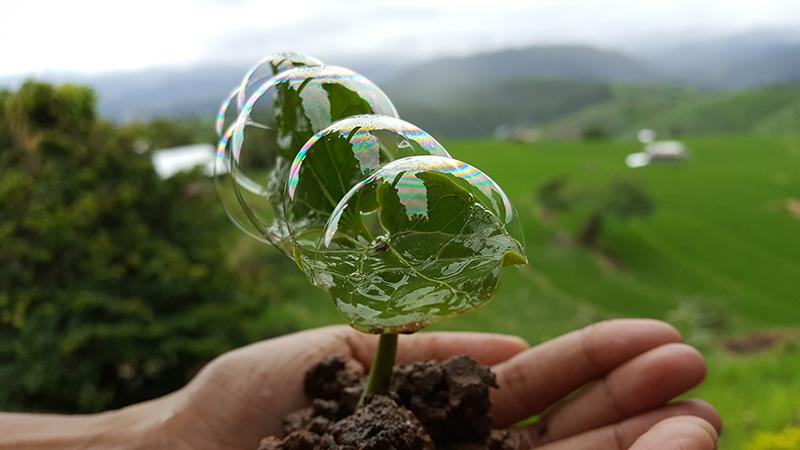
Avoiding moisture in concrete or structures requires high quality measurement. Moisture measurements are essential also when there is a need to protect engines or to ensure high-quality oil with moisture in oil measurements

Humidity control is critical in many spaces where flammable or explosive materials such as fuels, chemicals, explosives are being stored. These spaces are designated as hazardous due to potentially explosive atmospheres. They require specially designed and approved instruments for safe operation.
Vaisala's intrinsically safe humidity instrument for hazardous locations is the HMT370EX Humidity and Temperature Transmitter.
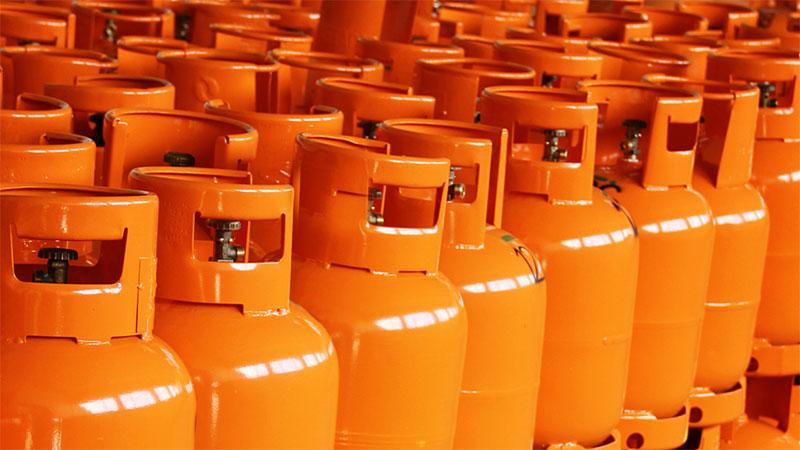
Especially in drying applications, accurate humidity measurement can bring significant savings in both energy and costs. By knowing the humidity level you can, for example, avoid over-drying and heating the air too much.
Exact humidity data helps you optimize your production process and facilities, as well as make sure that the humidity level in your end-products is just right. Depending on the product, it can mean for example longer shelf life or improved stability.
Humidity control in facilities and moisture control in structures improve both safety and well-being when the air is optimized for breathing and the formation of mold is avoided. Controlling process humidity is also crucial for safety and well-being.
Relative humidity, absolute humidity, wet-bulb temperature, enthalpy, water concentration, and many more. Humidity calculations and conversions made easy.
We have been the industry leader in humidity measurements for over 40 years. Our solutions are suitable also for very demanding measurement conditions. Vaisala’s HUMICAP® and DRYCAP® technologies have been trusted for decades due to their accuracy and stability.
With our continuous research and development efforts, we have been able to combine humidity measurement possibilities also with other parameters and technologies. We developed the CARBOCAP® technology originally for measuring CO2, but the technology is well suited also for optical humidity and methane measurements in biogas applications. Vaisala’s PEROXCAP® technology was developed for measuring humidity, vaporized hydrogen peroxide and temperature for easy validation of hydrogen peroxide bio-decontamination of isolators and facilities.
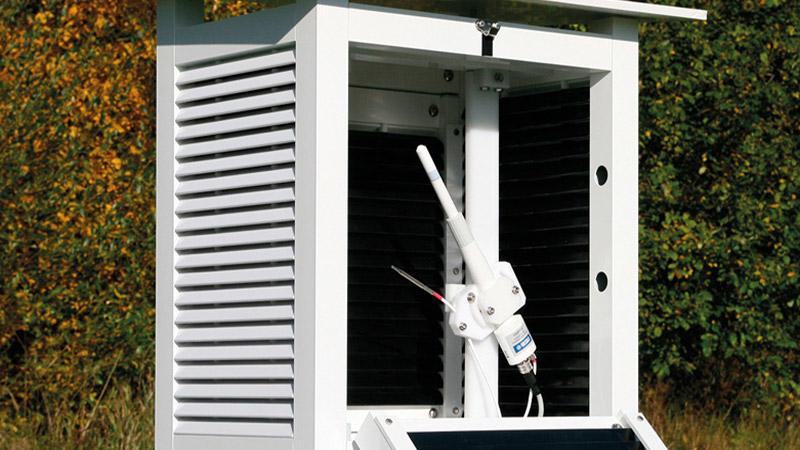
Vaisala’s HUMICAP® Humidity and Temperature Probe HMP155 delivers accuracy and reliability under even the most challenging conditions including tropical, coastal, and marine environments.
The HMP155 is engineered to deliver precise data in high humidity climates where moisture is near saturation, in environments with changing temperatures, and in harsh environments where measurements may be corrupted by chemicals, fog, mist, rain, and heavy dew.
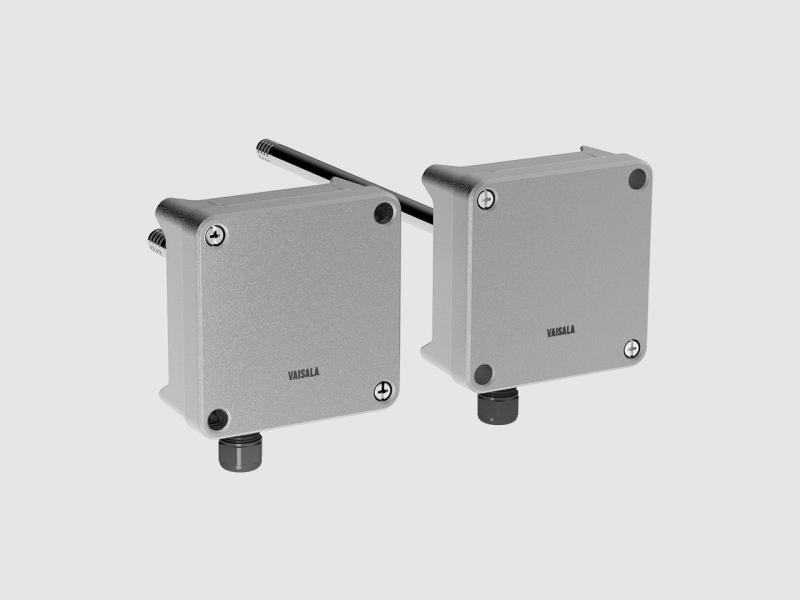
For high precision measurements in demanding HVAC applications
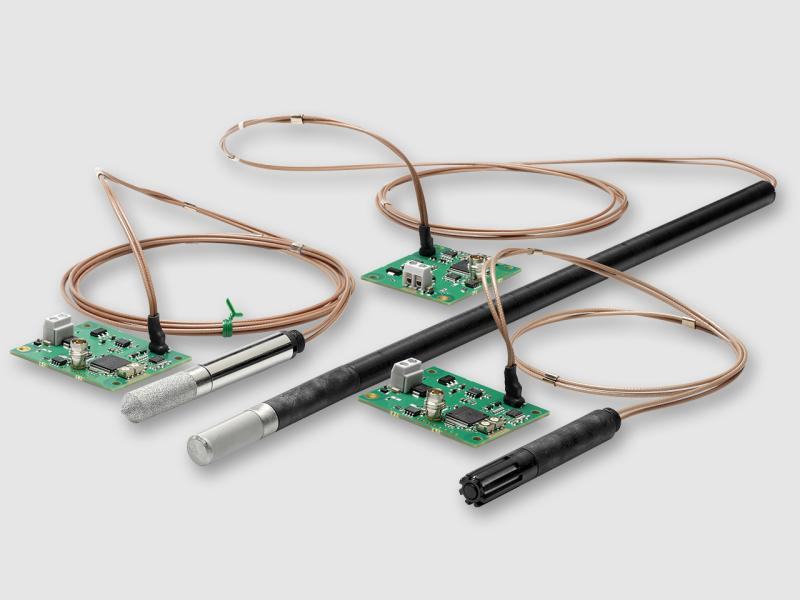
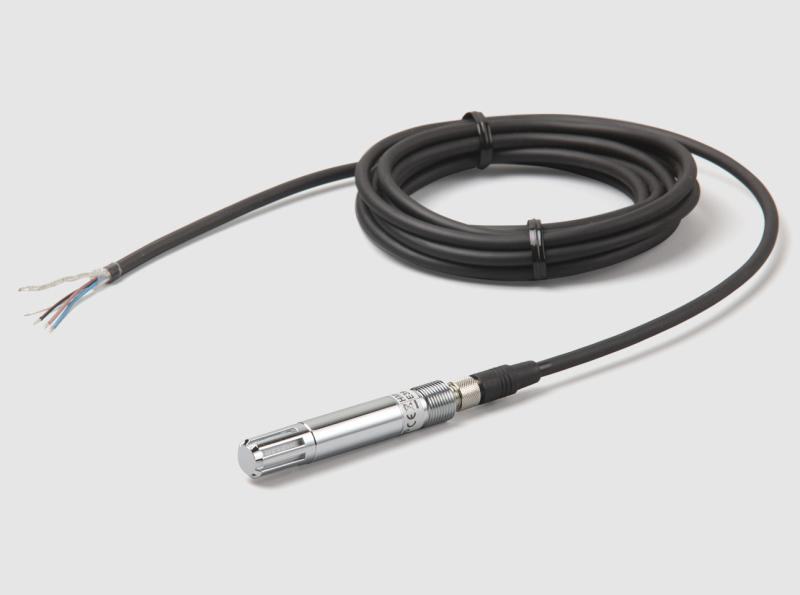
with ±1.5%RH accuracy for demanding volume applications
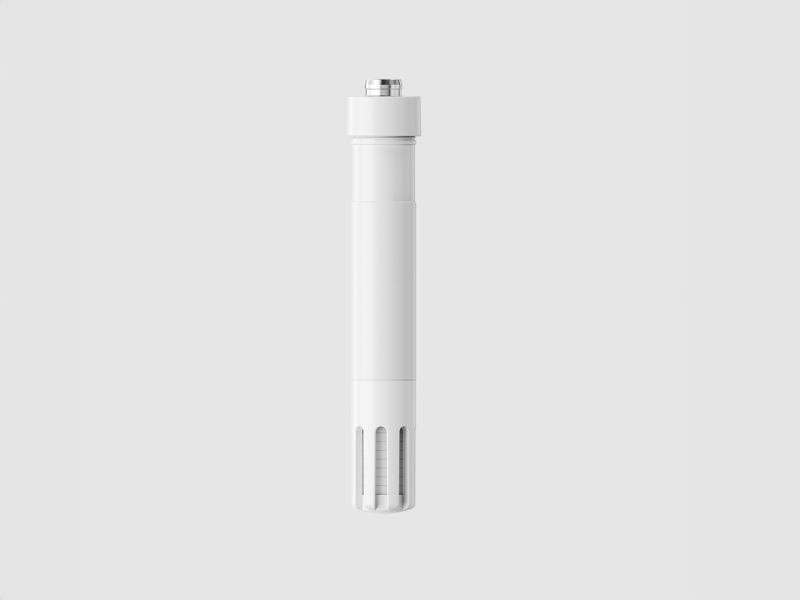
The Vaisala HUMICAP® Humidity and Temperature Probe HMP113 is a highly accurate and cost-effective humidity probe with a plastic enclosure. It has…
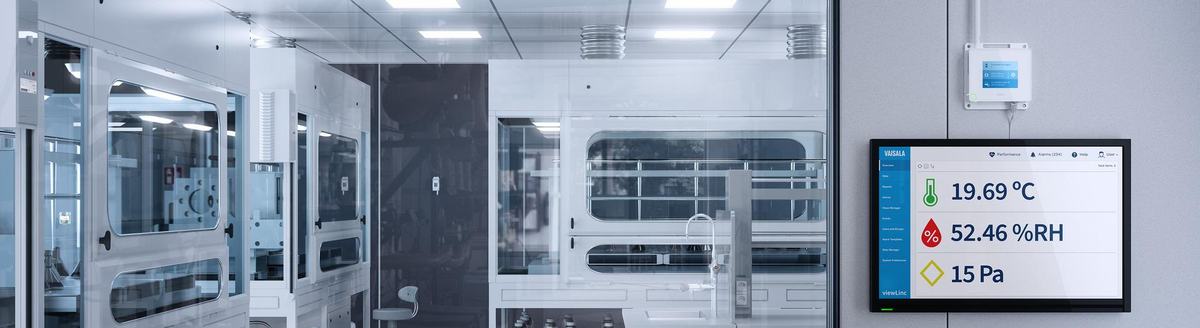
Reduce the risk of out-of-specification conditions and help keep your cleanrooms audit-ready and compliant.
7 instruments
Vaisala solutions for carbon capture, utilization and storage
3 instruments


Vaisala's PEROXCAP® vaporized hydrogen peroxide probes for simple, accurate, and effective bio-decontamination
2 instruments
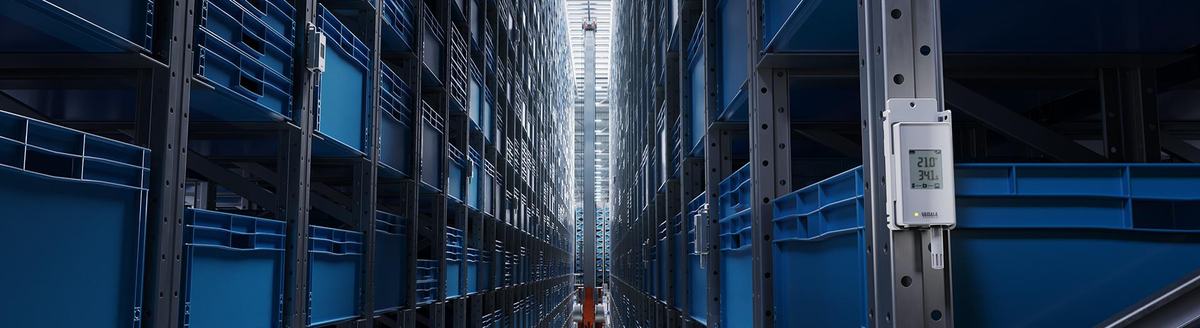
Continuous temperature and humidity monitoring in food, beverage and pharmaceutical storage facilities and warehouses, with cold chain traceability…
2 instruments
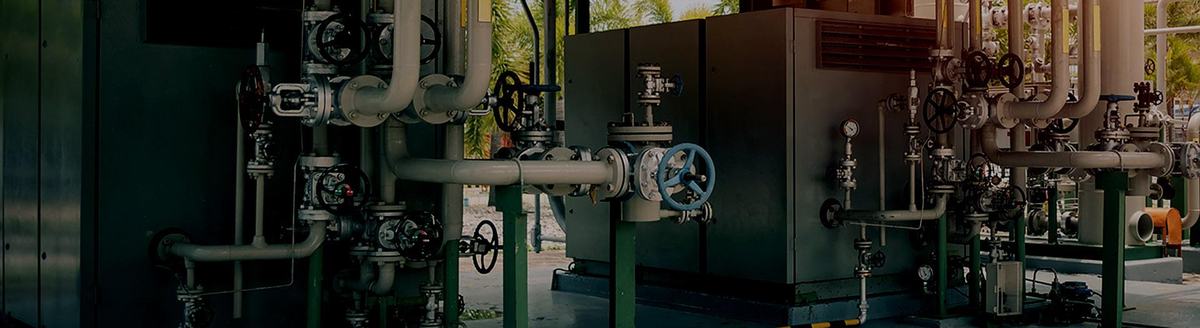
Measuring small changes in dew point temperature can add to immeasurable results in compressed air quality
1 instruments

Understanding the impact of weather on operations and personnel safety.
1 instruments

Reliability is a priority in building automation systems, and Vaisala’s HVAC sensors and transmitters are built to perform.
1 instruments

Our road weather technology provides reliable weather and surface condition data to empower your winter road maintenance and management…
1 instruments

High-accuracy measurement solutions for data centers and mission critical facilities
5 instruments

Trusted measurements for pressure, temperature, humidity, and liquid concentration measurements for increased yield, safety, and best-performing…
4 instruments
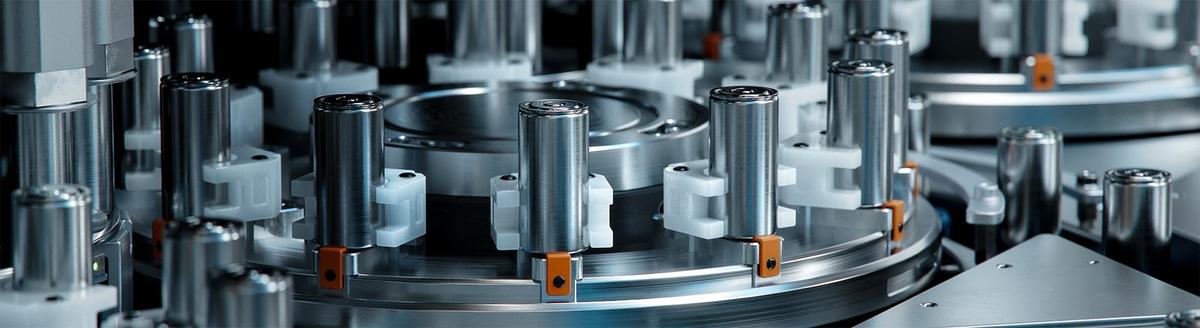
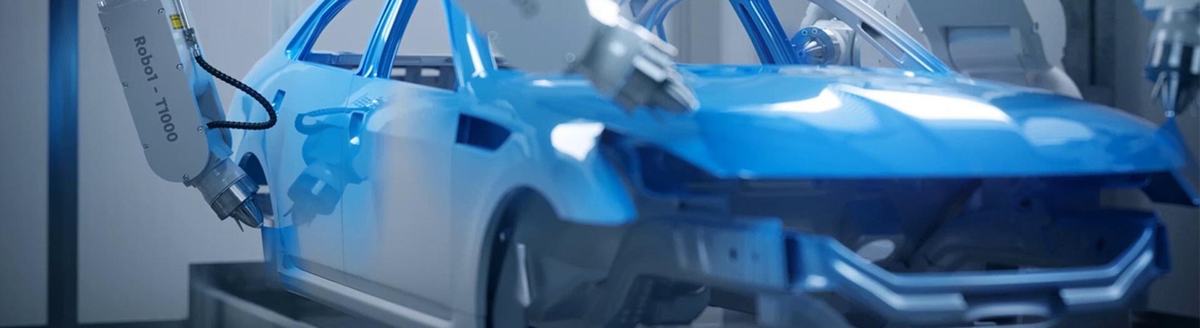
Accurate humidity, dew point, and concentration control for best product quality for automotive industry
2 instruments

Complete line-up of aviation weather and runway management solutions ensuring safe and efficient airport operations in all conditions.
1 instruments
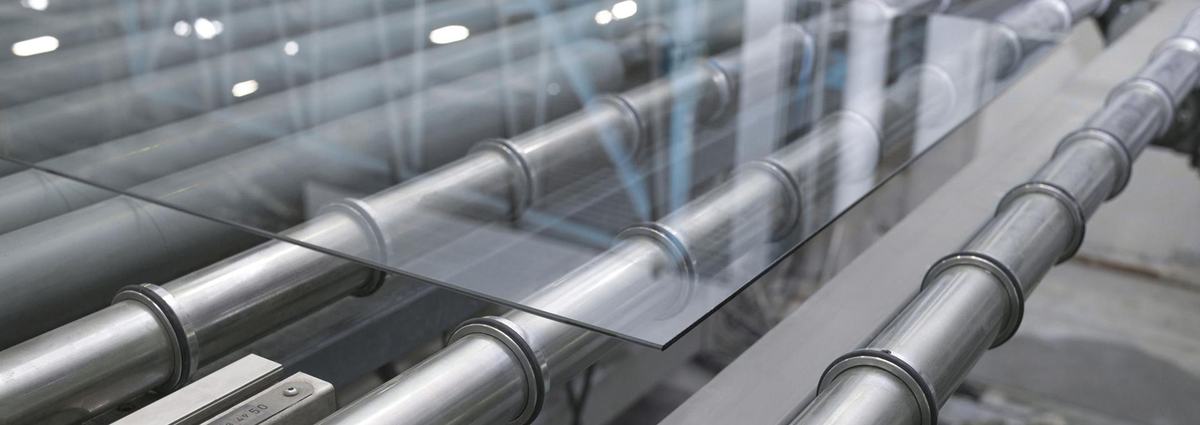
Measure dew point in blanketing atmosphere with Vaisala DRYCAP® sensor technology
1 instruments
Ensure safe and smooth maritime operations with Vaisala's diverse port, coastal, ship, helideck, and offshore weather monitoring instruments and…
1 instruments

Vaisala elevates wind and solar customers around the globe so they can meet the greatest energy challenges of our time.
1 instruments
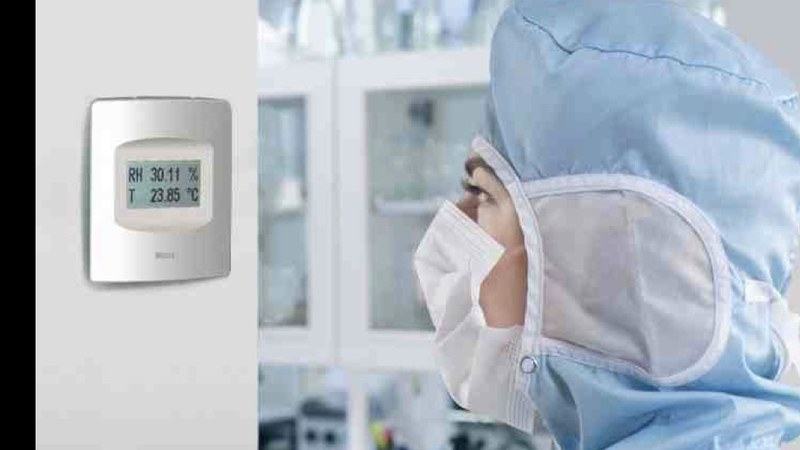
Why regulators require continuous humidity and temperature logging in cleanrooms, and how HUMICAP® technology withstands hydrogen peroxide…

The four phases of the bio-decontamination cycle, why relative humidity stops being reliable with VHP, and what PEROXCAP® technology solves.

The ranges ASHRAE recommends, why dew point is a better control parameter than relative humidity, and how sensor accuracy impacts energy consumption.
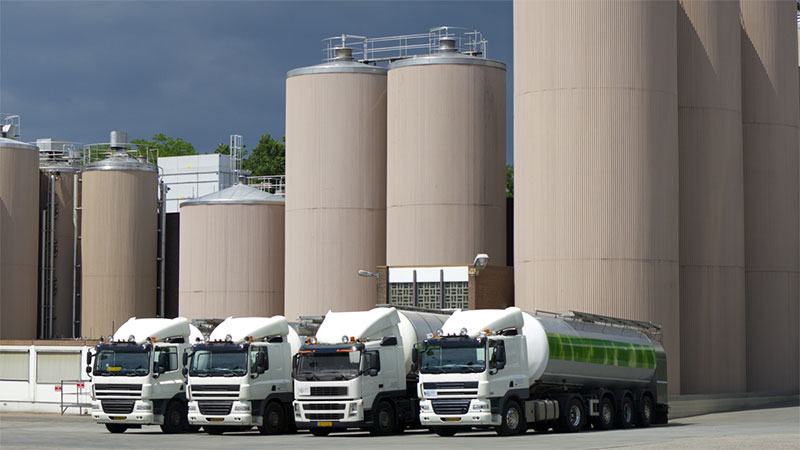
Why industrial drying seeks the right balance between quality and energy consumption, and why HUMICAP® and DRYCAP® cover different humidity ranges…
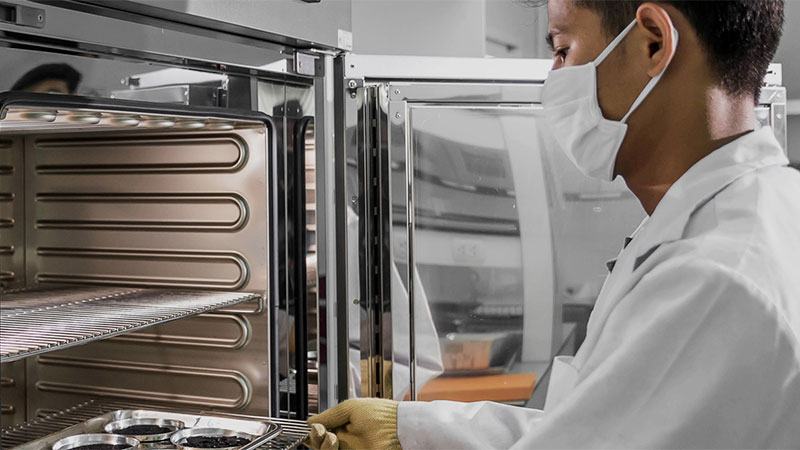
Why sealing materials and samples under test skew the humidity reading, and how chemical purge and warmed probes solve the condensation risk.

What a warehouse without humidity control risks, what variables determine risk inside the storage facility, and why continuous monitoring with remote…
A specialist replies with the solution, the instrument and the service that fit.
Instruments to quote
No instruments yet. An enquiry can be sent anyway: a specialist answers.