

Technical note
Technical note
Wet-bulb temperature is one of the oldest ways to express humidity, and it remains in use as a control variable in specific applications. To place it among the other humidity parameters, see the humidity instrumentation landing.
What's interesting is how its measurement changed: from a manual instrument that demanded skill and constant maintenance, to a value the modern sensor computes directly from relative humidity and temperature.
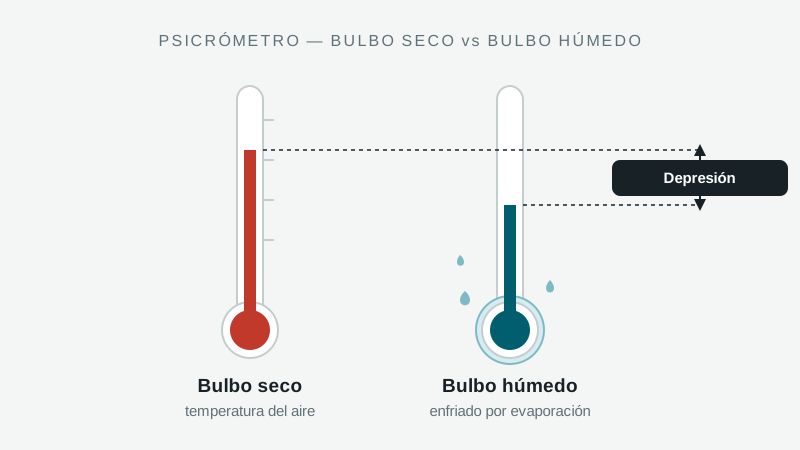
Wet-bulb temperature is the temperature to which a wet surface can be cooled by evaporation. The difference between the dry-bulb temperature (the ambient air temperature) and the wet-bulb temperature indicates the environment's humidity level: the smaller the difference, the higher the humidity; the larger the difference, the drier the air.
A psychrometer uses two thermometers: a dry-bulb (T1), which measures air temperature directly, and a wet-bulb (T2), covered with a damp cloth cooled by evaporating water.
In a typical demonstration, the wet-bulb depression exceeded 6°C, with readings stabilizing at T1 = 22.84°C (dry-bulb) and T2 = 16.56°C (wet-bulb). That temperature differential yielded a calculated relative humidity of 52.63% for that setup.
The method has three inherent error sources: it requires sufficient air circulation, needs constant monitoring and refilling of the wick's water, and is vulnerable to contamination from salts and solids. In practice, the test psychrometer showed a deviation of around 10% RH from calibrated reference instruments.
Vaisala's HUMICAP® sensor technology computes wet-bulb temperature from the measured relative humidity and temperature, eliminating psychrometer maintenance. Most Vaisala humidity and temperature instruments can output humidity directly as wet-bulb temperature, with an accuracy better than ±0.5°C across the full RH range, and with reliable performance even in condensing environments.
In cooling towers, wet-bulb temperature guides operating efficiency: when humidity rises and the wet-bulb approaches ambient temperature, there's no point running the towers because their cooling effect will be negligible.
In frost protection, agricultural sprinkler systems use this variable: as long as the wet-bulb temperature stays above 0°C, there's less risk of frost damage.
This technical content is based on Vaisala's educational material on wet-bulb temperature. AKRIBIS is an authorized Vaisala partner for distribution and technical support in the region — explore the full Vaisala instrumentation line.
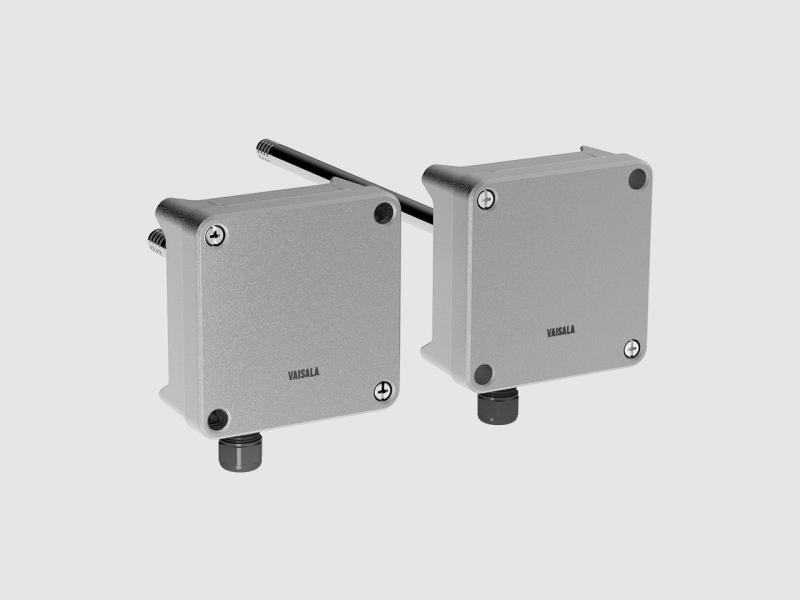
For high precision measurements in demanding HVAC applications
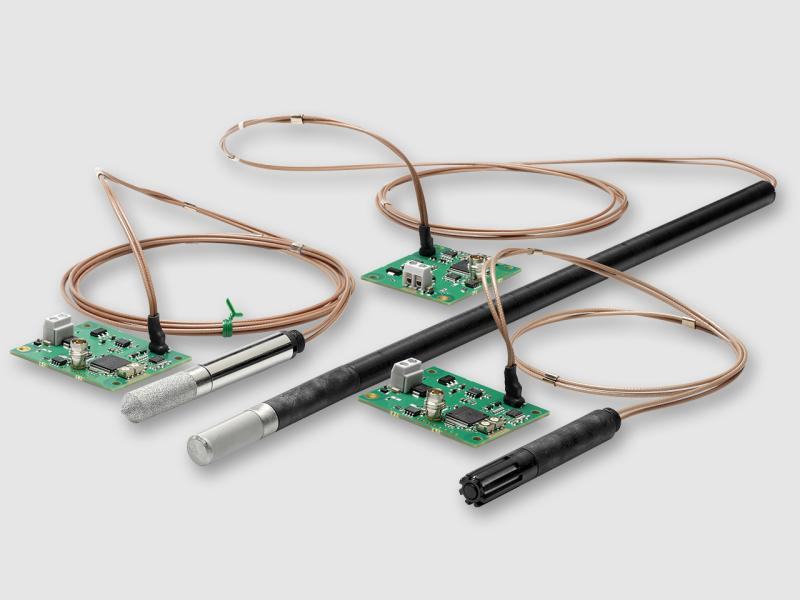
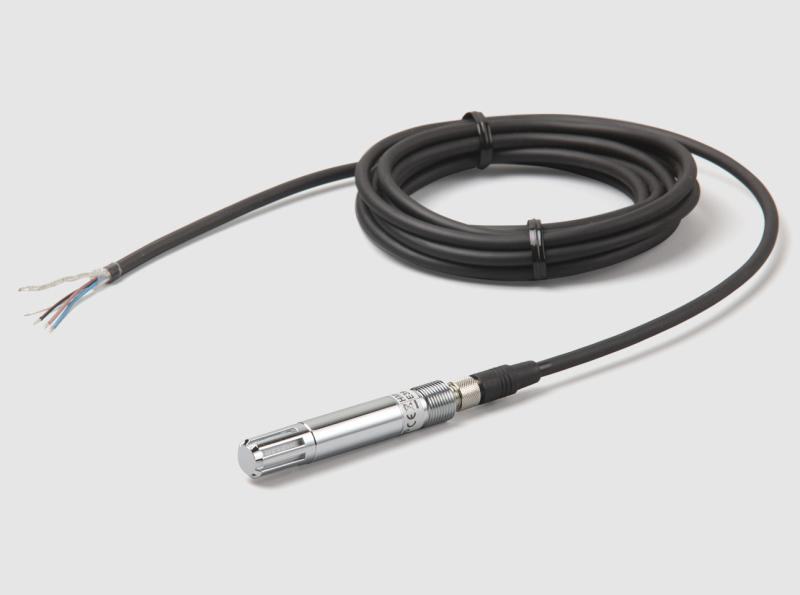
with ±1.5%RH accuracy for demanding volume applications
for quick inspections and spot-checking
For high precision measurements in demanding HVAC applications
for environmental chambers
with ±1.5%RH accuracy for demanding volume applications
with ±1.5%RH accuracy for demanding volume applications
with ±1.5%RH accuracy for demanding volume applications
What relative humidity, dew point, absolute humidity and mixing ratio are, how temperature and pressure distort the reading, and why dew point is…
How humidity behaves in real conditions, the three most common measurement problems, and two practical scenarios —heated air and compressed air—…
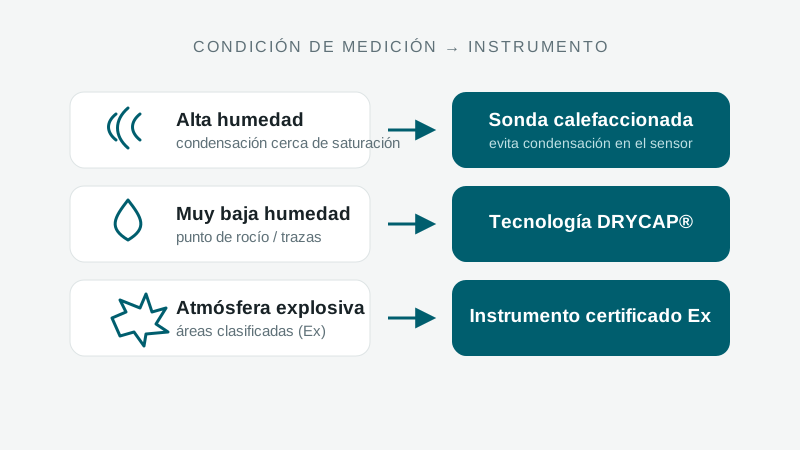
When to measure relative humidity vs. dew point, what high and low humidity demand, how temperature and pressure factor in, and when a warmed probe…

Cooling accounts for up to 40% of a data center's energy demand. This Vaisala guide explains how measurement accuracy cuts costs and risks, with a…
A specialist replies with the solution, the instrument and the service that fit.
Instruments to quote
No instruments yet. An enquiry can be sent anyway: a specialist answers.