
CO2 in HVAC Systems and Indoor Air Quality
Why CO2-based demand-controlled ventilation saves energy, and why sensor quality determines whether that ventilation works reliably over time.
CO2 is the most direct indicator of human occupancy in an enclosed space, which is why it's the reference variable for demand-controlled ventilation (DCV). This note focuses on why sensor quality determines whether a DCV system works reliably for years, not on where to place transmitters — for that, see the technical note on how to measure CO2.
A sensor that drifts out of calibration silently doesn't trigger an alarm — it produces a bad ventilation decision every day, unnoticed until air quality complaints show up or an energy bill doesn't add up.
This note covers
- Why demand-controlled ventilation saves energy
- Why single-beam sensors drift out of calibration over time
- How dual-wavelength technology avoids that problem
Demand-Controlled Ventilation: Occupancy-Based Energy Savings
Demand-controlled ventilation (DCV) reduces outside air intake when a space is unoccupied and increases it when people are present, instead of ventilating at a constant rate at all times. Compared to a constant air volume system, a CO2-based DCV system can save more than 50% of HVAC energy use — the impact is greatest in small offices, retail stores, and supermarkets compared to other building types.
The principle is simple: CO2 level in a space indicates human presence, and that data can be used to modulate ventilation in real time. But that energy saving depends entirely on the CO2 reading being accurate — a sensor that gets it wrong produces the wrong ventilation decisions, either wasting energy or compromising air quality.
Why Single-Beam Sensors Drift Out of Calibration Over Time
A single-beam, single-wavelength infrared sensor suffers from substantial long-term drift: the incandescent bulb it uses as a light source degrades with use — tungsten evaporates and blackens the glass, reducing emitted light intensity. The sensor interprets that loss of intensity as a rise in CO2, producing increasingly unreliable readings.
To compensate, many manufacturers use automatic background calibration that assumes the lowest recorded reading corresponds to fresh air (400 ppm). That assumption fails in two common cases: in occupied buildings, where CO2 rarely drops below 600–800 ppm; and in new buildings, where concrete carbonation can push ambient CO2 below 400 ppm. In both cases, automatic recalibration introduces a systematic error that ends in inadequate ventilation and worse air quality.
Dual-beam sensors (two light sources) add a second lamp to try to compensate for drift, but that introduces an extra potential failure point and uneven dust accumulation between the two optical paths — in practice, they turn out to be relatively unreliable over the long term.
How Dual-Wavelength Technology Avoids That Problem

Vaisala's CARBOCAP® technology uses a single beam and a single light source, but measures two wavelengths: the CO2 absorption wavelength and a non-absorbing reference wavelength. A tunable Fabry-Perot filter switches between both measurements, so any change in light source intensity or optical contamination affects both measurements equally — and cancels out in the comparison, with no need for complex compensation algorithms or assumptions about a fresh-air baseline.
Vaisala's microglow light source, used in the GMW80 and GMW90 wall transmitters, extends sensor lifetime by 50% and cuts power consumption to a quarter of a traditional incandescent source — exactly the transmitters designed for green building projects and demand-controlled ventilation.
This technical content is based on Vaisala's research on infrared sensors applied to demand-controlled ventilation in HVAC systems. AKRIBIS is an authorized Vaisala partner for distribution and technical support in the region — explore the full Vaisala instrumentation line.
Instruments to measure CO2
-
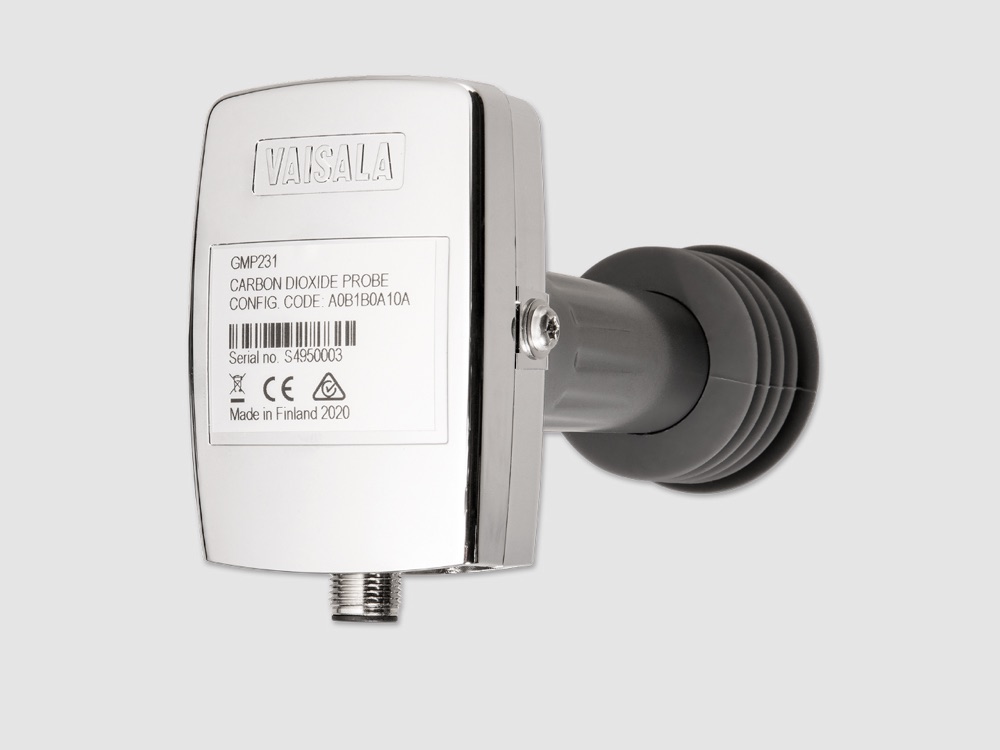 GMP231 Heat-sterilizable CO2 probe for incubators
 -
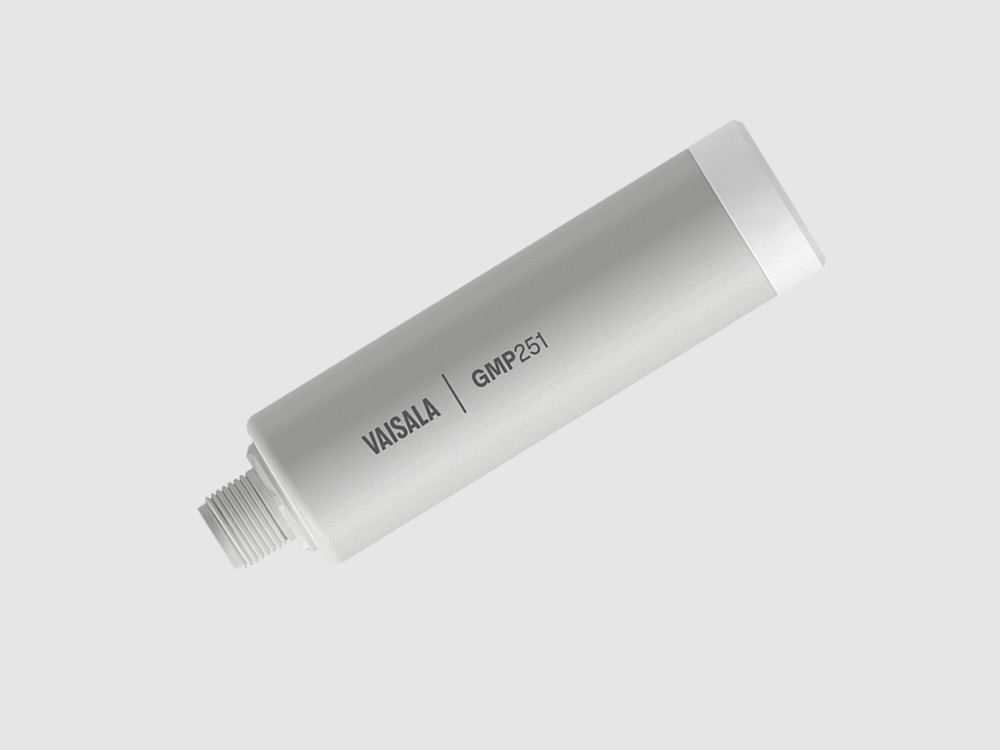 GMP251 CO2 probe for percentage-level measurements
 -
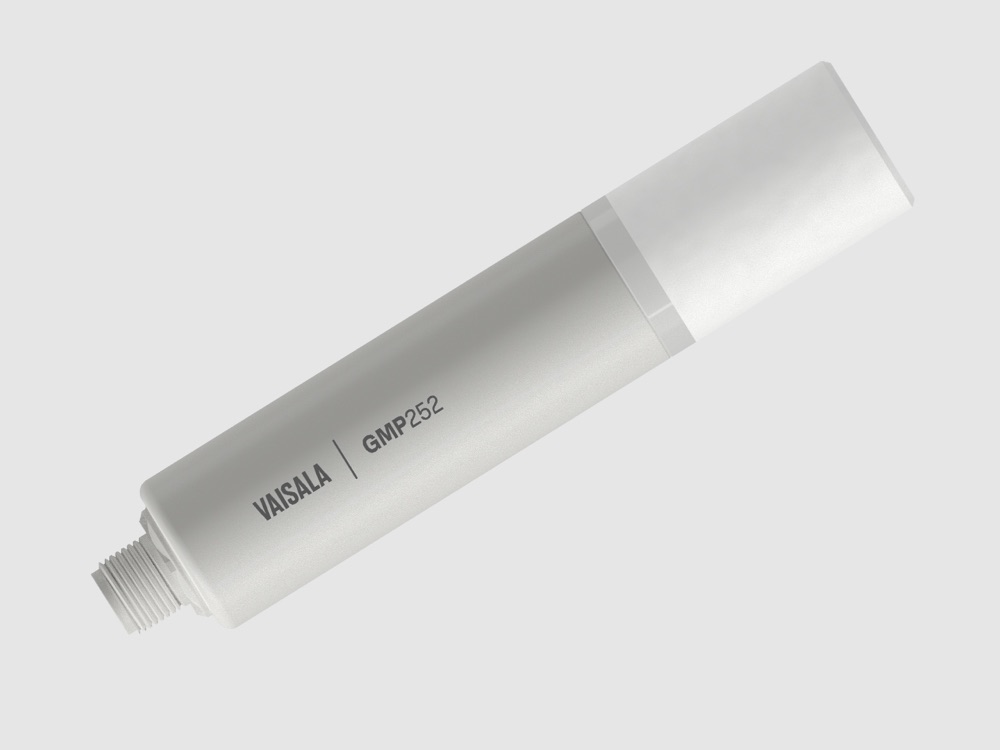 GMP252 CARBOCAP® CO2 probe for ppm-level measurements
 -
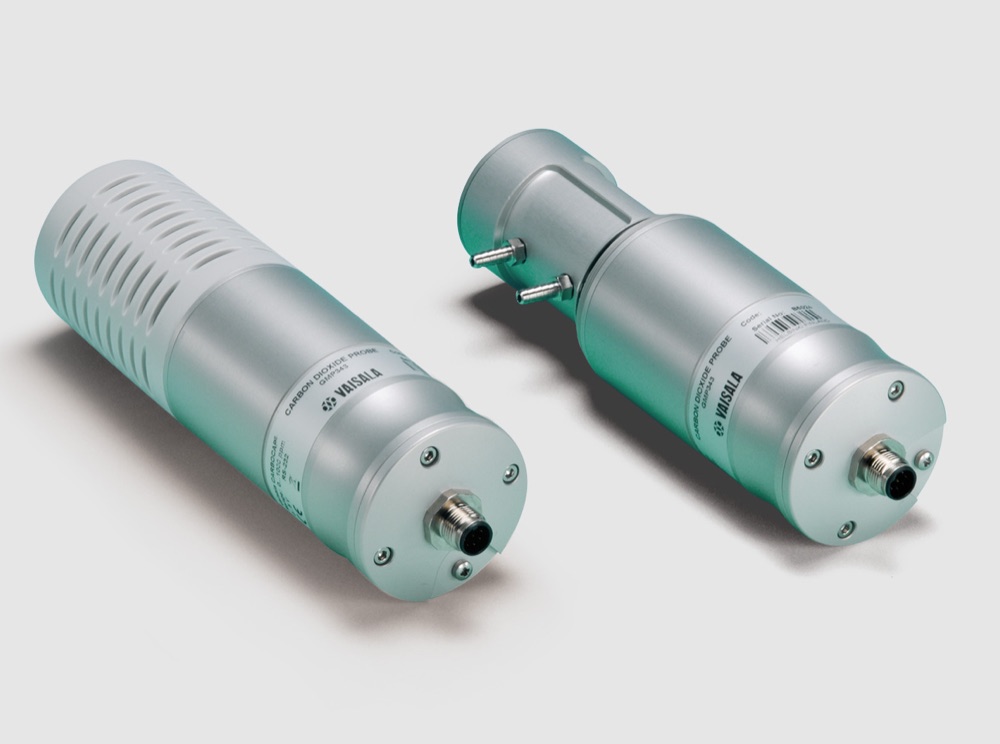 GMP343 Rugged CO2 probe for ecological measurements
 -
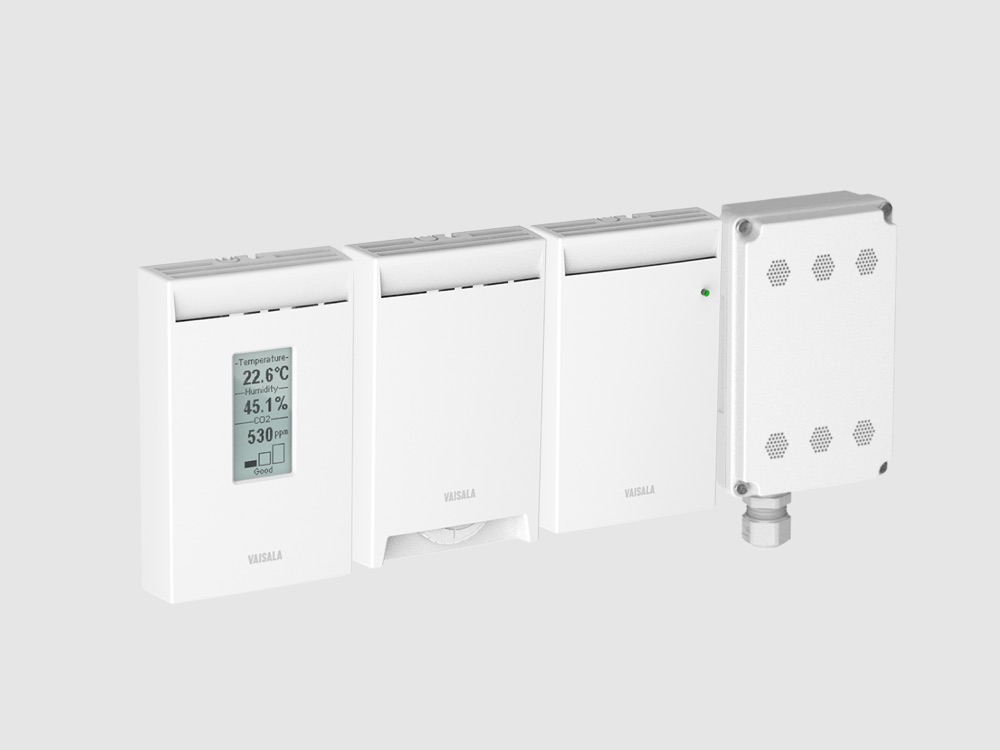 GMW80 Wall-mounted CO2, humidity and temperature transmitter for indoor air quality
 -
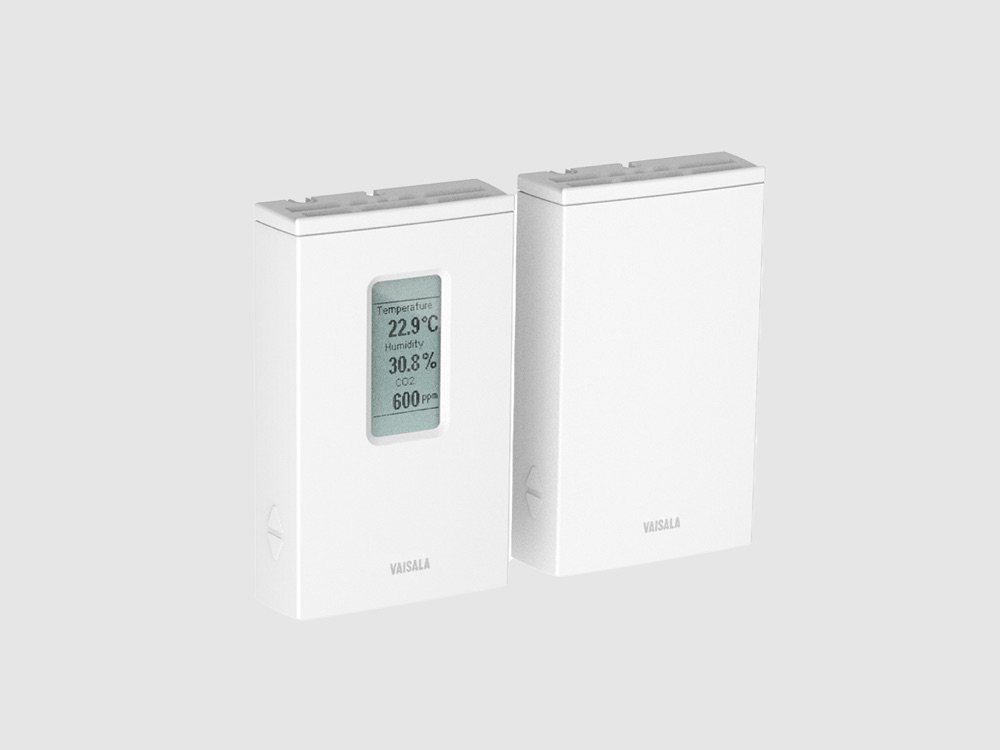 GMW90 Wall-mounted CO2 transmitter for green building projects
 -
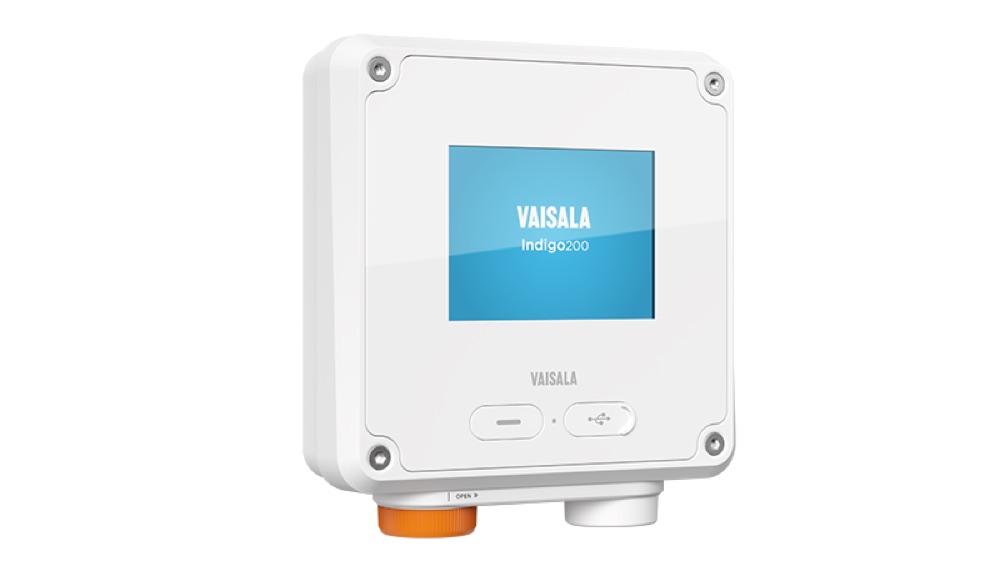 Indigo200 Compact single-probe transmitter for the Indigo ecosystem
 -
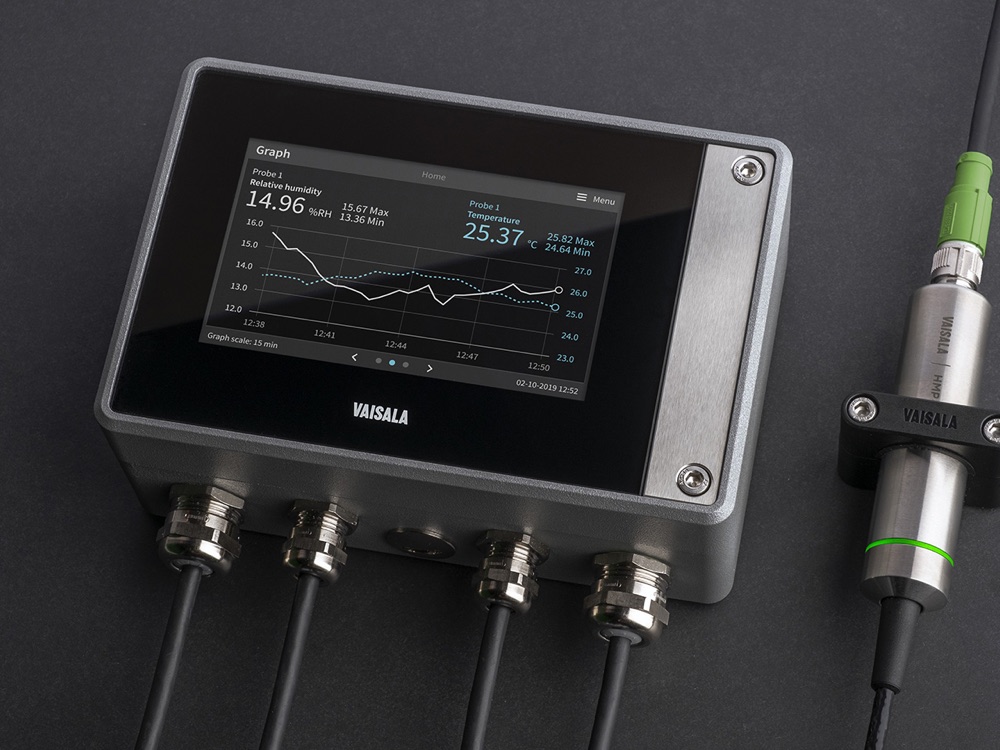 Indigo500 Universal transmitter for Indigo-compatible probes
 -
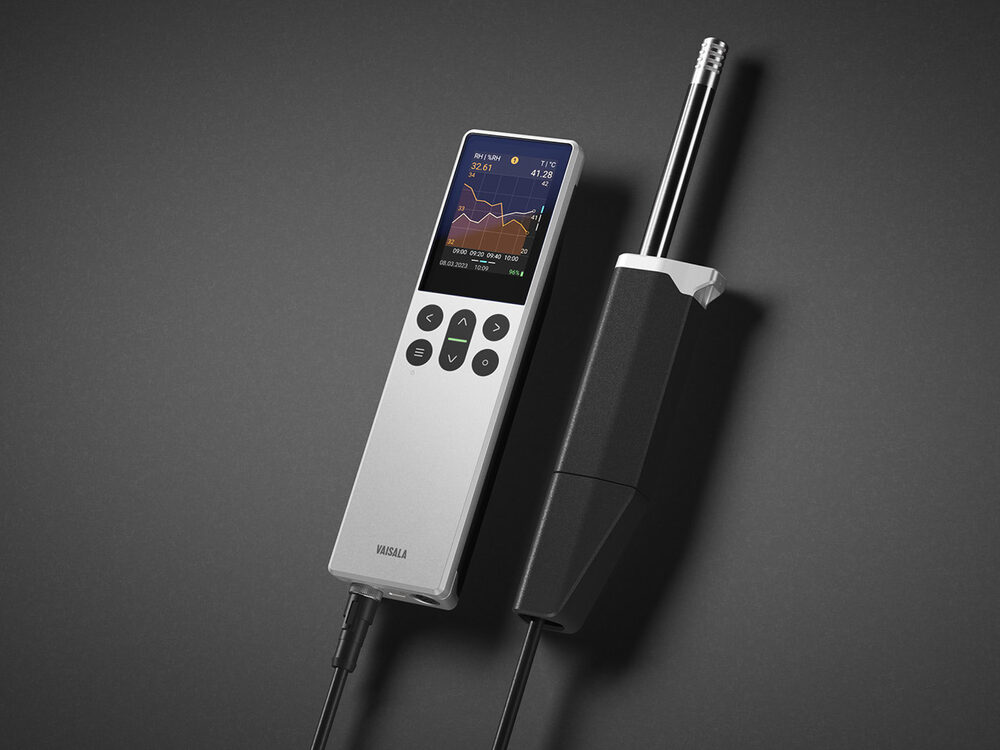 Indigo80 Handheld indicator for Indigo-compatible probes
 -
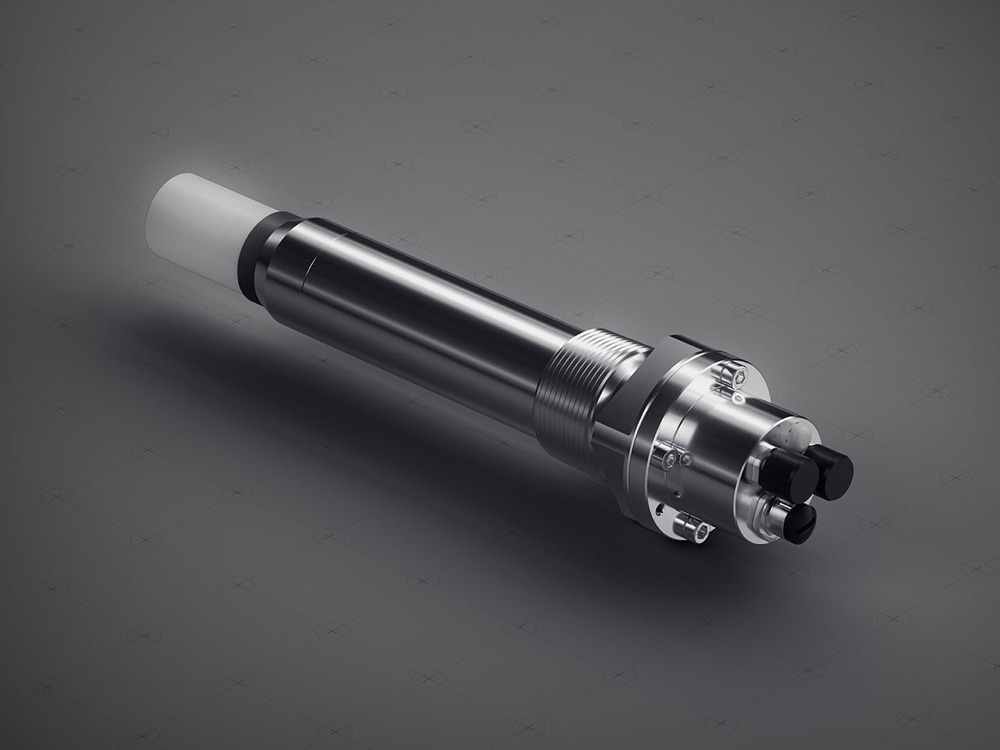 MGP241 Multigas CO2 instrument for carbon capture and storage
 -
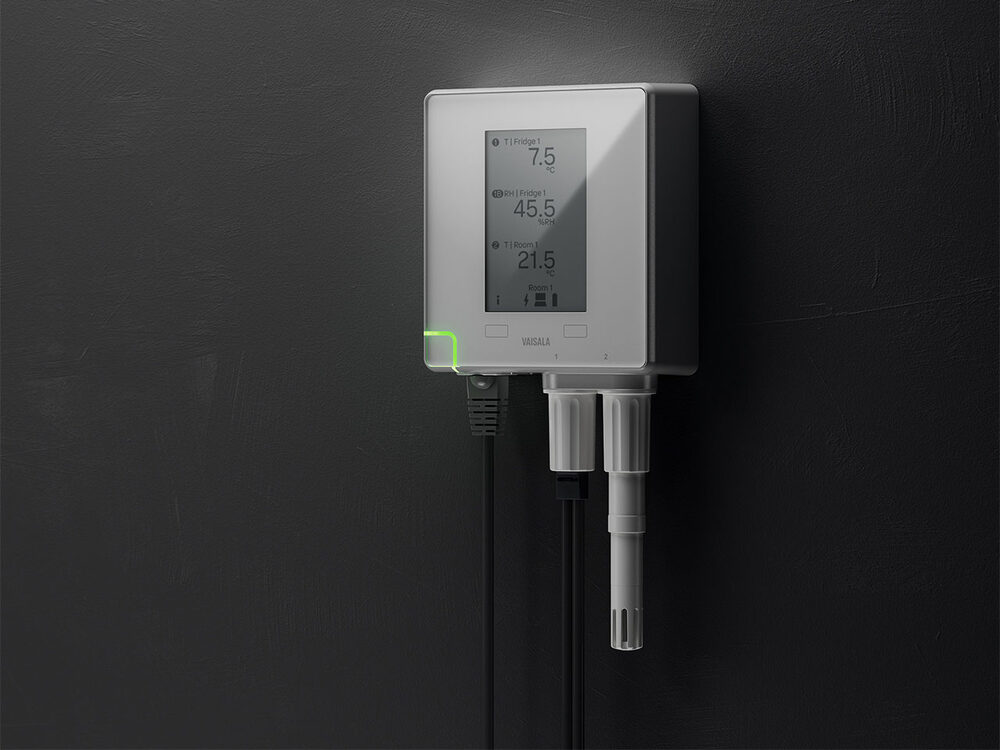 VDL200 Multi-parameter PoE data logger for continuous monitoring
¿Querés profundizar sobre este tema?
Nuestros especialistas pueden asesorarte en detalle sobre su aplicación en tu proceso.