
Notas de aplicación
Casos de uso y guías prácticas para implementar soluciones de instrumentación en contextos industriales específicos. Orientadas a resolver problemas reales, no a presentar tecnología de forma genérica.
Notas de aplicación disponibles
-
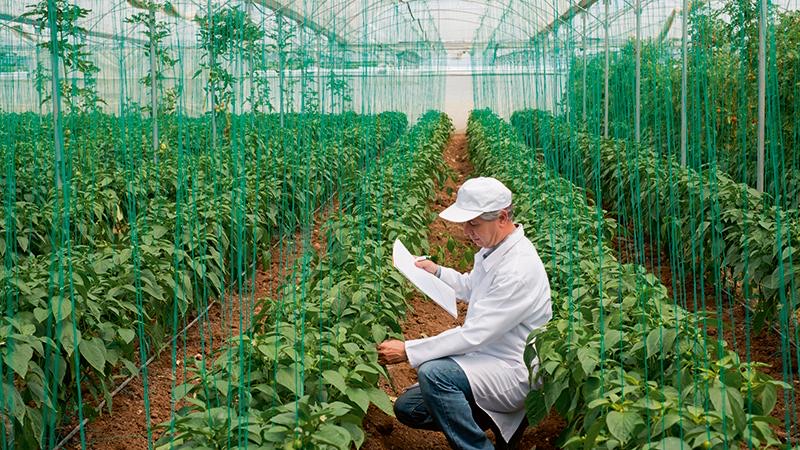
How to Measure Carbon Dioxide (CO₂)
How infrared sensors work, temperature/pressure/humidity compensation, and transmitter placement.
Leer nota →
-
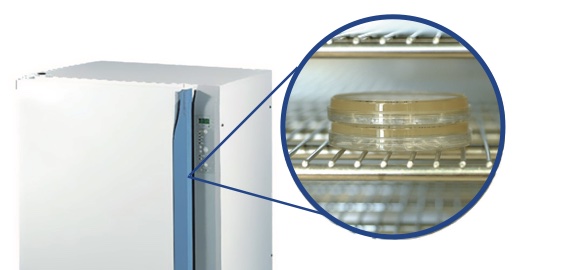
Measuring CO2 in Life Science Incubators
Why CO2 is critical in cell culture, the risk of condensation when measuring in high humidity and temperature, and why sterilization without removing the sensor is a real advantage.
Leer nota →
-
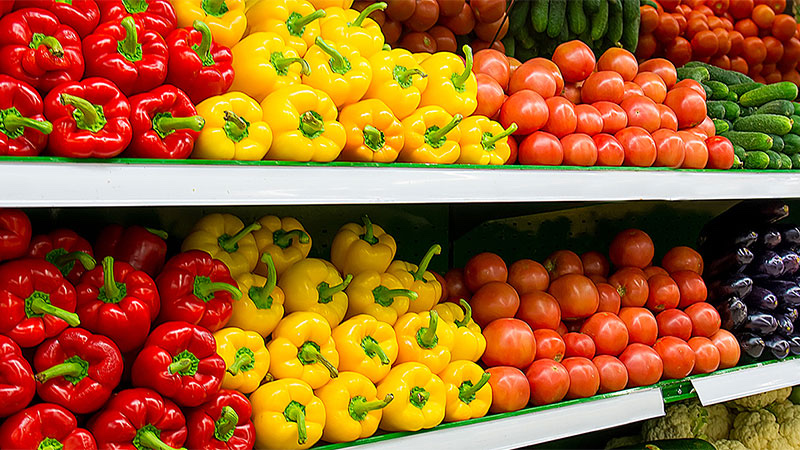
CO2 in Controlled-Atmosphere Storage
Why O2 is lowered and CO2 raised in controlled-atmosphere rooms, and which instruments withstand the cold and high humidity of this environment.
Leer nota →
-

CO2 in Ecological Soil, Snow and Water Measurements
What equilibrium sampling is, why sensor heating can skew field measurements, and what range is needed for deep soil profiles.
Leer nota →
-

CO2 in HVAC Systems and Indoor Air Quality
Why demand-controlled ventilation saves energy, and why sensor quality determines whether that ventilation works reliably.
Leer nota →
-
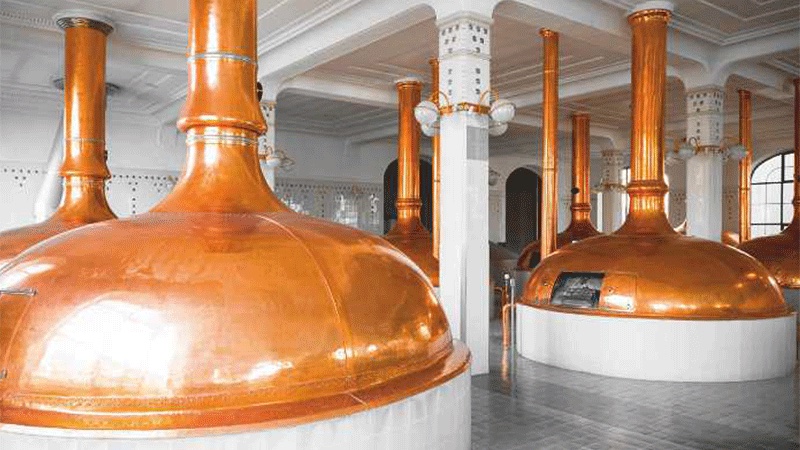
CO2 in Fermentation and Brewing
Why CO2 is a real safety risk in breweries and wineries, which areas concentrate the highest risk, and which instruments cover each concentration range.
Leer nota →
-
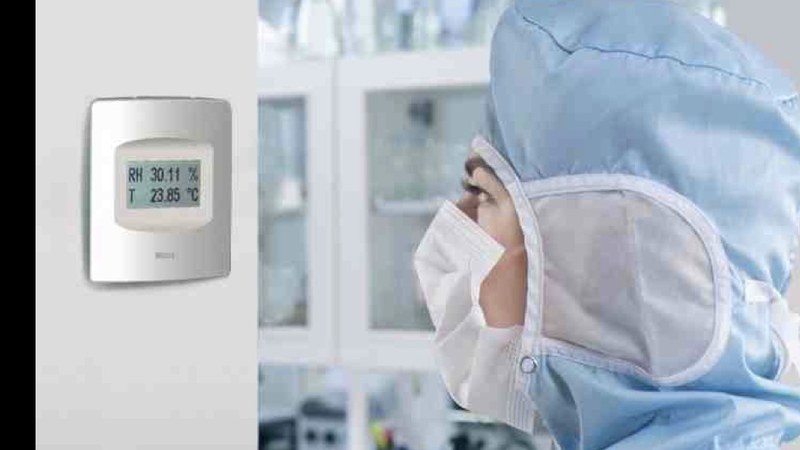
Humidity in Pharmaceutical and Life Science Cleanrooms
Why regulators require continuous humidity and temperature logging in cleanrooms, and how HUMICAP® technology withstands hydrogen peroxide decontamination.
Leer nota →
-

Vaporized Hydrogen Peroxide (VHP) Bio-Decontamination
The four phases of the bio-decontamination cycle, why relative humidity stops being reliable with VHP, and what PEROXCAP® technology solves.
Leer nota →
-

Dew Point in Data Centers
The ranges ASHRAE recommends, why dew point is a better control parameter than relative humidity, and how sensor accuracy impacts energy consumption.
Leer nota →
-
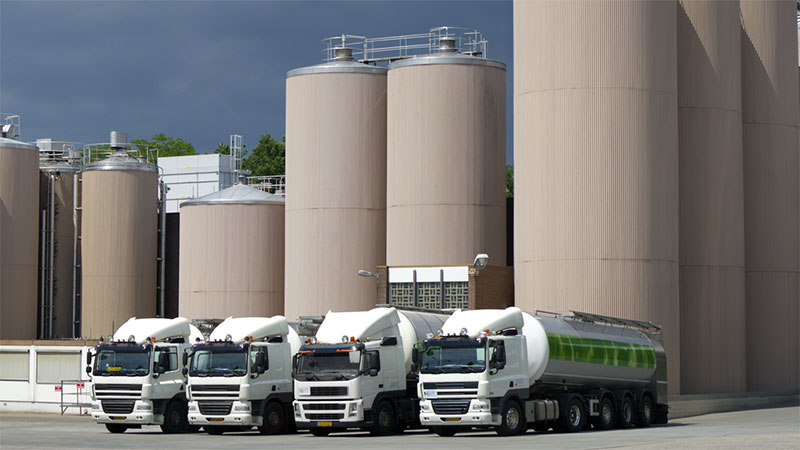
Dew Point in Industrial Drying
Why industrial drying seeks the right balance between quality and energy consumption, and why HUMICAP® and DRYCAP® cover different humidity ranges within the same process.
Leer nota →
-
Dew Point in Compressed Air
Why dew point defines compressed air quality, how it is measured at line pressure or with a sampling cell, and what the ISO 8573-1 standard requires.
Leer nota →
-
Dew Point in Metal Heat Treatment
Why the furnace atmosphere's moisture defines heat treatment quality, which dew point ranges are controlled depending on the process, and how to measure in high-temperature gases.
Leer nota →
-
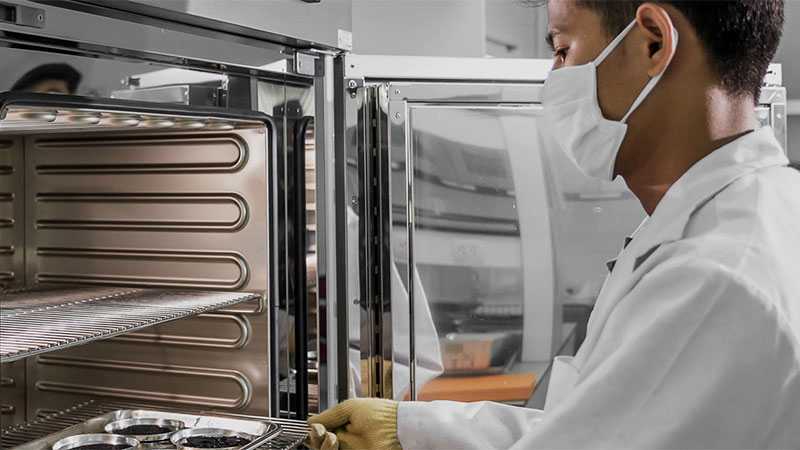
Humidity in Climatic and Test Chambers
Why sealing materials and samples under test skew the humidity reading, and how chemical purge and warmed probes solve the condensation risk.
Leer nota →
-
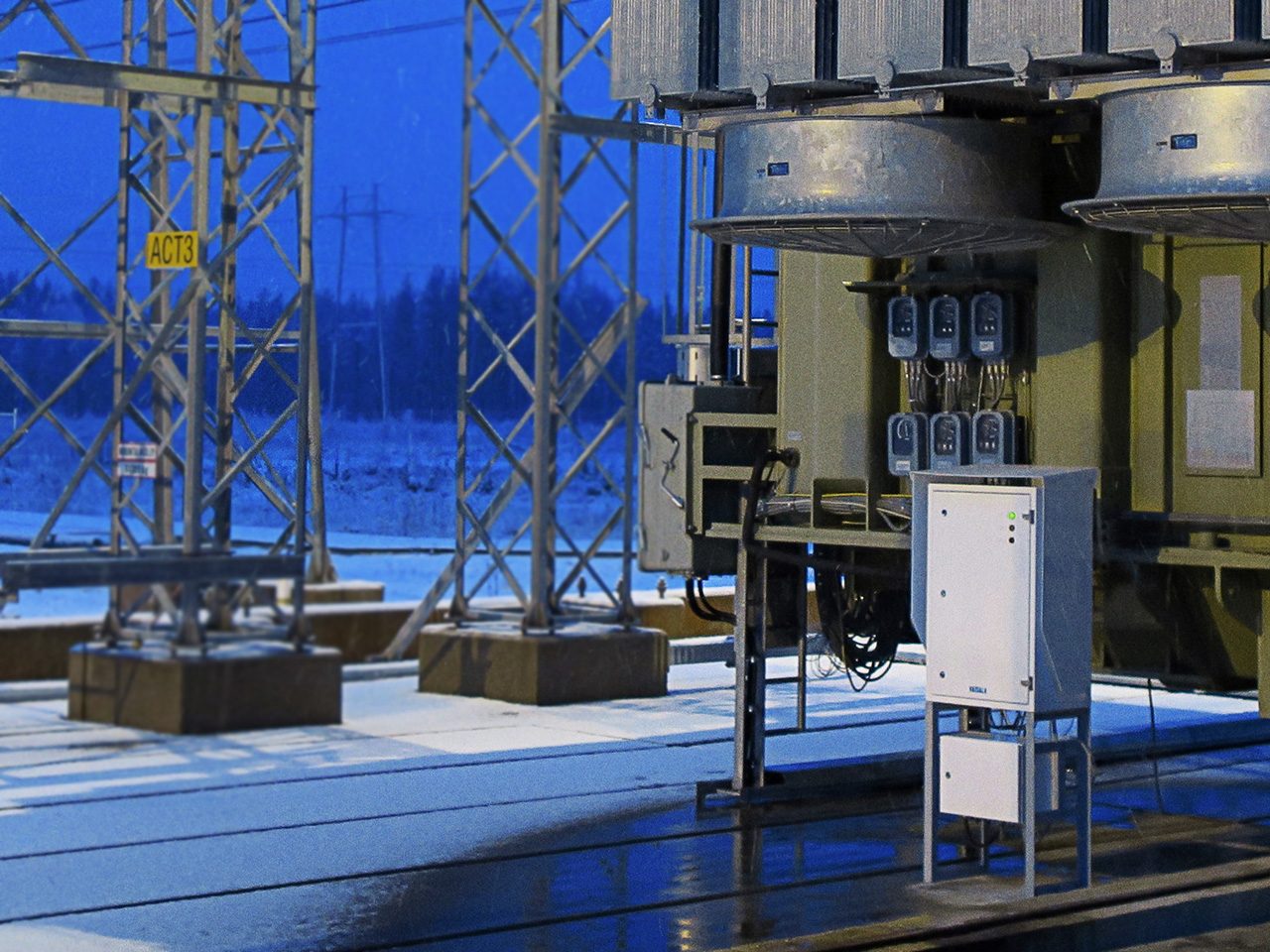
The Role of Online DGA Monitoring in Power Transformers
Which fault gases form in insulating oil and what each one reveals, why laboratory sampling is only a snapshot, and which criteria drive the choice of an online DGA monitor.
Leer nota →
-
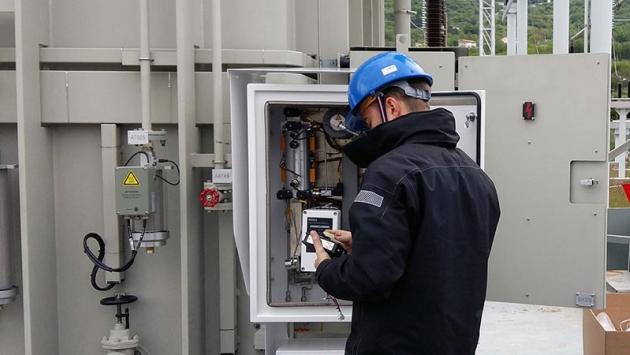
Using Online DGA to Safeguard a Transformer's End-of-Life Operation
A real case: a 100 MVA transmission transformer from 1958 with recurring gassing, how hourly monitoring revealed the fault was evolving in discrete incidents, and how removal from service was decided before failure.
Leer nota →
-
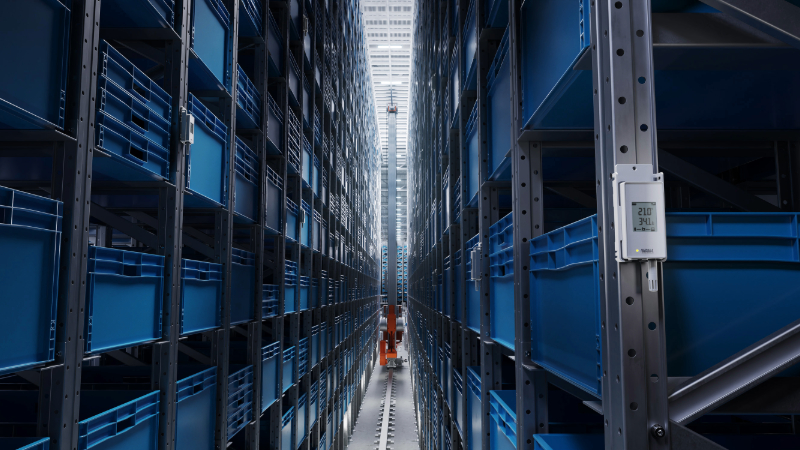
Humidity in Warehouse Monitoring
What a warehouse without humidity control risks, what variables determine risk inside the storage facility, and why continuous monitoring with remote alerts matters more than a single spot reading.
Leer nota →
-

Humidity in Industrial Baking
Why oven humidity defines bread color, texture and shelf life, what happens with too much or too little humidity, and how to measure reliably at the high temperatures of the process.
Leer nota →
-

CO2 Across the Food Chain
CO2 appears at every link of the food chain: photosynthesis in greenhouses, post-harvest ripening, fermentation and carbonation, people's safety, and turning waste into biogas.
Leer nota →
-

21 CFR Part 11 in Environmental Monitoring: Software Functions vs. Procedures
What the FDA's electronic records rule actually requires of a continuous monitoring system, and how compliance is split between user procedures, software functions, and vendor services.
Leer nota →
-
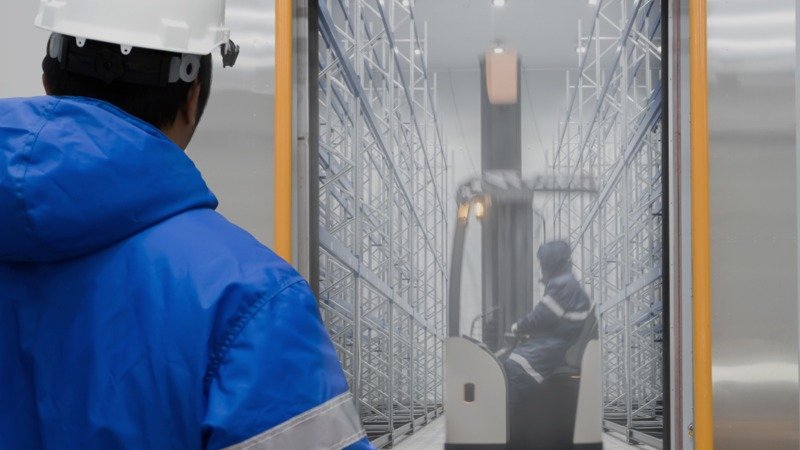
Temperature Mapping with the viewLinc Monitoring System
How to perform mapping studies to qualify chambers, warehouses, and equipment using the same continuous monitoring system, with live data and acceptance criteria defined before the study.
Leer nota →
Aplicaciones industriales documentadas
- Control de Variables Ambientales
- Metrología y Calibración
- Calidad de Aire Comprimido
- HVAC
- Medición de Clima
- Laboratorios
- Medición Industrial
- Soluciones de Pesaje
- Automatización y Control
- Cadena de Frío
Las notas de aplicación se publican vinculadas a cada área de especialidad. Para recibir materiales específicos sobre un caso de uso, contactá a un especialista.
¿Necesitás asesoramiento directo?
El contenido técnico complementa pero no reemplaza a un especialista. Consultanos sobre tu caso específico.