

Measurement
CO2
Carbon dioxide monitoring for indoor air quality, HVAC systems and controlled test chambers.
Content from Vaisala · retrieved on View the original source
Measurement
Carbon dioxide monitoring for indoor air quality, HVAC systems and controlled test chambers.
Content from Vaisala · retrieved on View the original source
Carbon dioxide measurement is required in many applications from building automation and greenhouses to life science and safety. Many technologies are used to measure CO₂. Infrared (IR) sensing is the most widely applied one.
Benefits of IR sensors over chemical sensors:
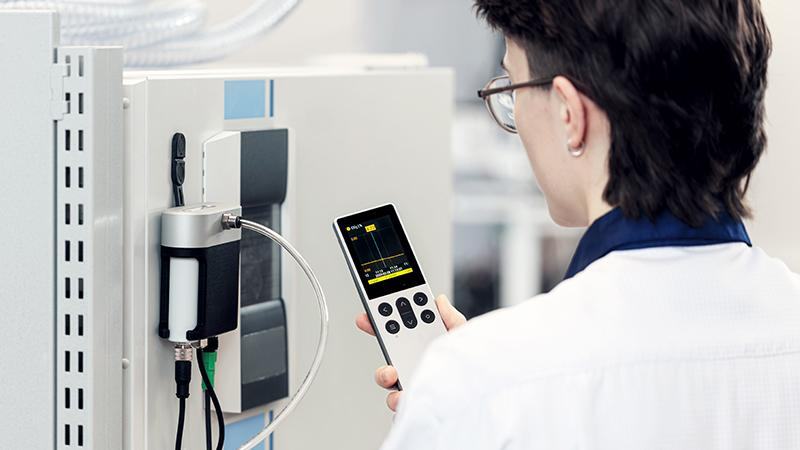
CO₂ is a colorless and odorless gas that is soluble in water. It is the bubbles in the fizzy drink, a greenhouse gas, a byproduct of burning reactions, and in the air we exhale. CO₂ is itself non-combustible and inert gas, which makes reliable measurement challenging. The most dependable method for CO₂ measurements is Vaisala CARBOCAP® carbon dioxide sensor, an optical infrared measurement with groundbreaking innovations.
Vaisala uses a single-beam and dual-wavelength NDIR (Non-dispersive infrared) technology for measuring CO₂. The patented CARBOCAP® technology is used in all its CO₂ sensors. This technology incorporates a unique tunable band pass filter that was developed by Vaisala and is manufactured in our own state-of-the-art cleanroom.
The CARBOCAP® sensor allows for measurement of both the CO₂ absorption signal and a reference signal using a single set of components. Because of this, Vaisala is getting a real reference measurement in every measurement cycle. This eliminates the most common drift factors normally associated with all other NDIR sensors. The results of this breakthrough are excellent long-term stability, a long service life and the ability to function in the most demanding environments, including warm, humid, and dusty environments.
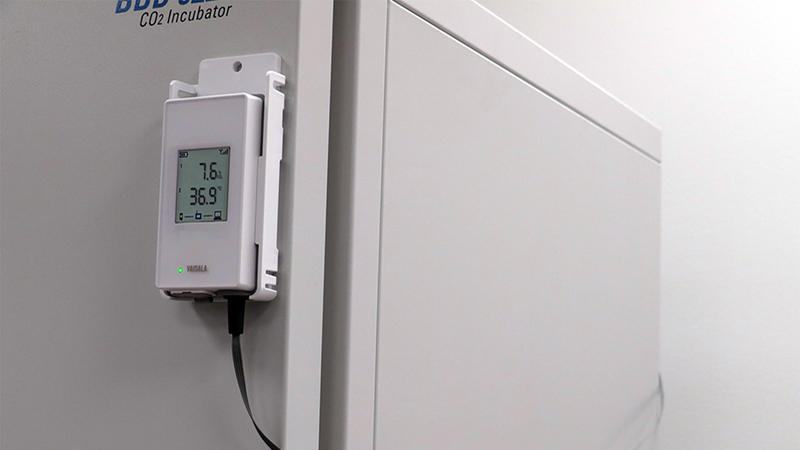
Vaisala CARBOCAP® instruments are well suited to a wide range of applications, from ppm (parts per million) to percentage-level CO₂ measurements. Since CO₂ replaces oxygen, it can be harmful to people in very high concentrations. CO₂ is present at percentage levels only within closed processes such as fermentation and controlled-atmosphere storage environments. Percentage-level measurements are also typical in life-science applications such as CO₂ incubation.

The unique design of CARBOCAP® results in recommended calibration intervals of up to 5 years. Its microglow light source is rated for 15+ years of stable light output providing many years of trouble free use.
Suitable for use in spaces occupied 24/7 as well as dusty and dirty industrial environments. CARBOCAP® does not rely on the assumption of CO₂ concentrations dropping to background levels in order to make any drift compensations.
Shows correct values immediately after power-up because the CARBOCAP® does not need to “learn” its environment like other technologies do.
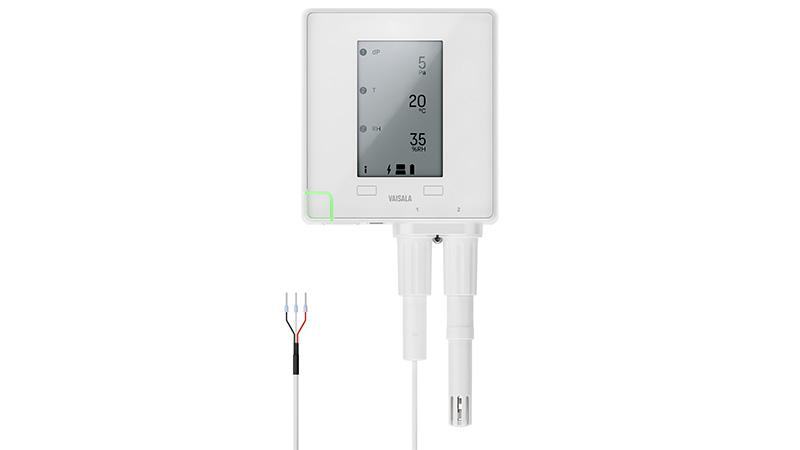
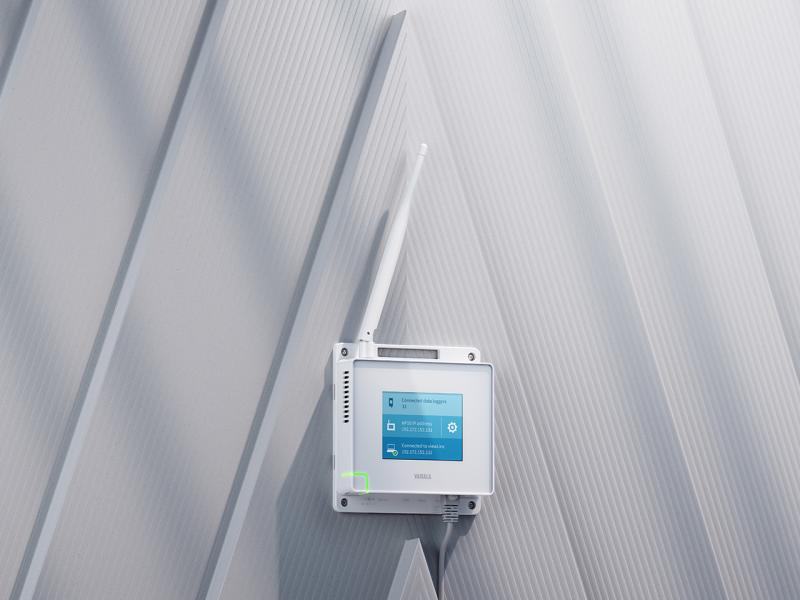
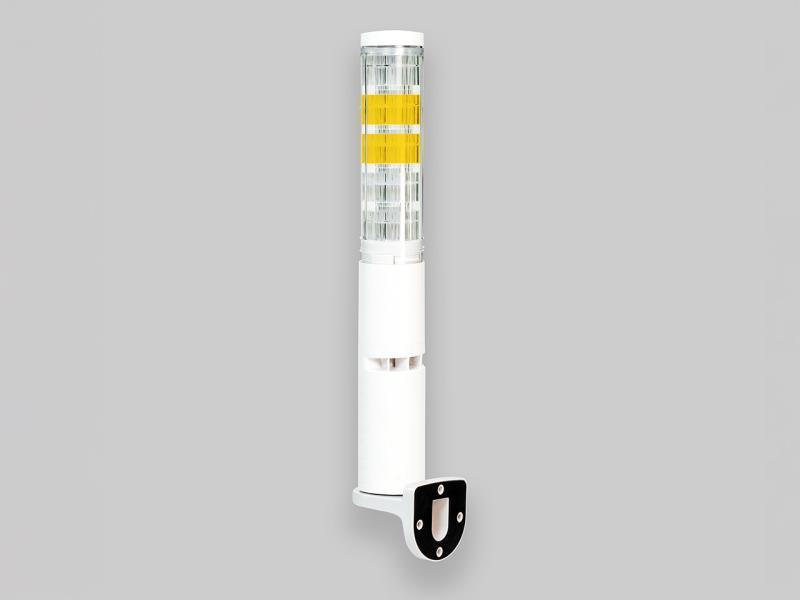
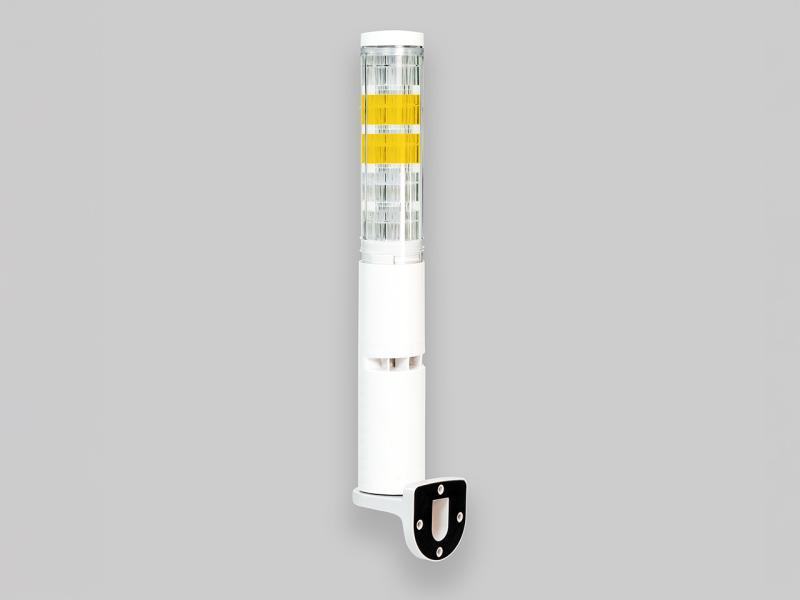
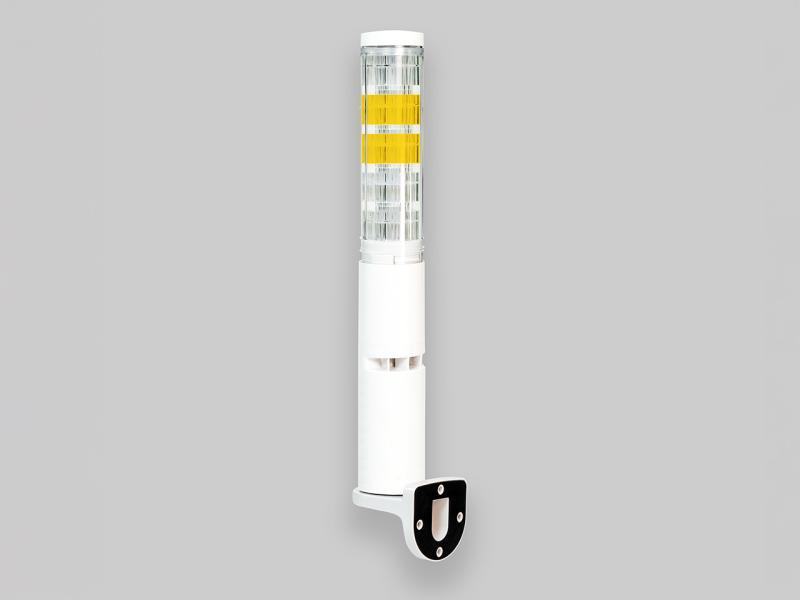
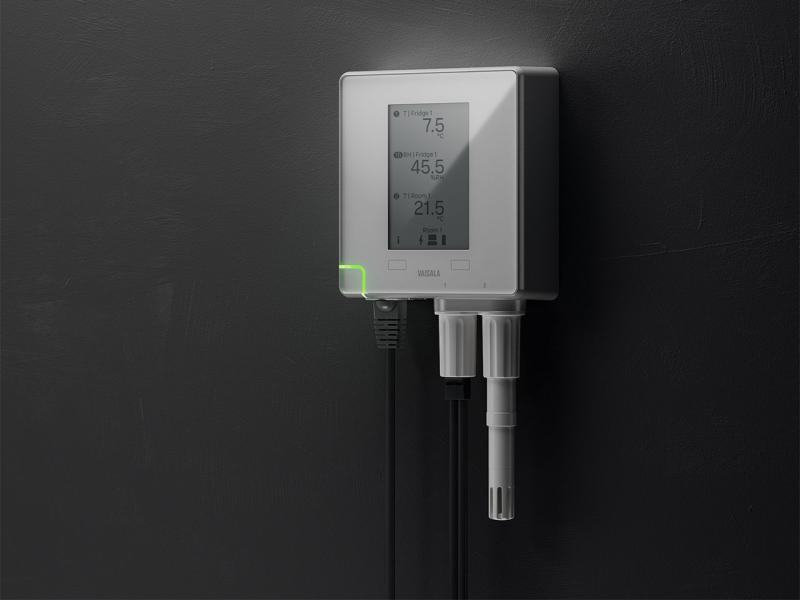
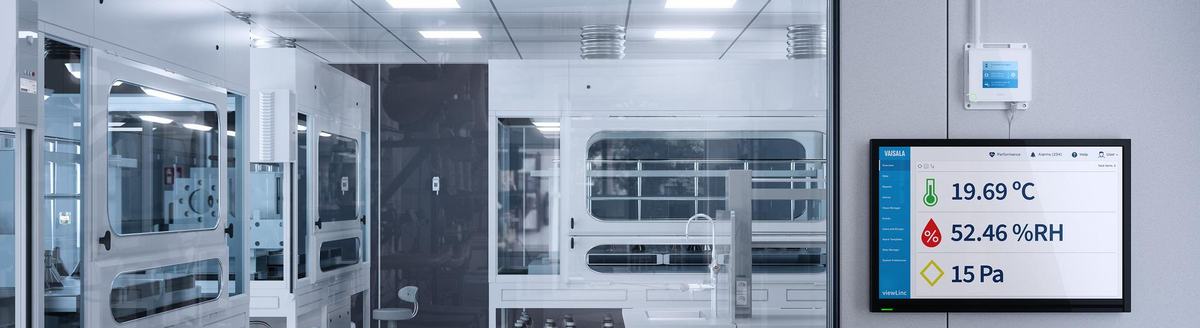
Reduce the risk of out-of-specification conditions and help keep your cleanrooms audit-ready and compliant.
7 instruments
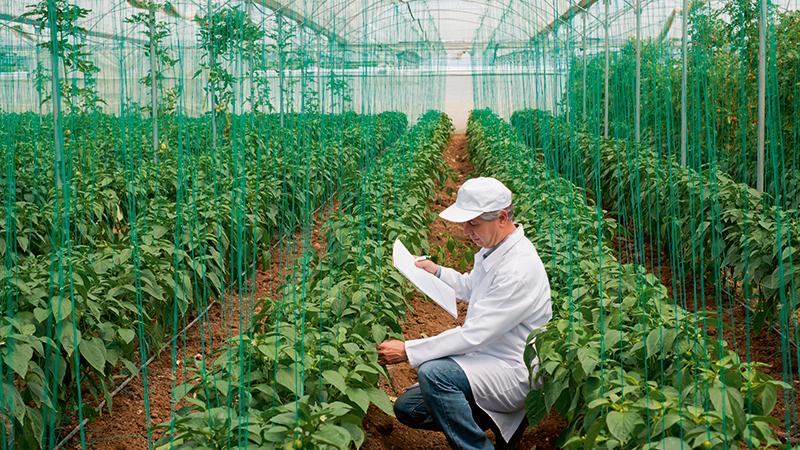
How infrared sensors work, temperature/pressure/humidity compensation, and transmitter placement.
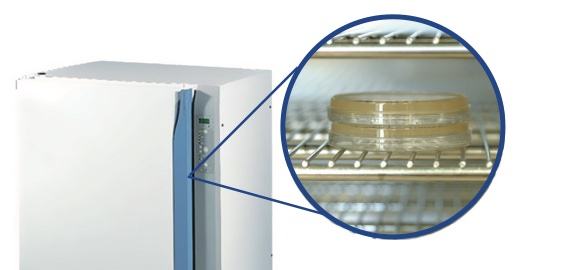
Why CO2 is critical in cell culture, the risk of condensation when measuring in high humidity and temperature, and why sterilization without removing…
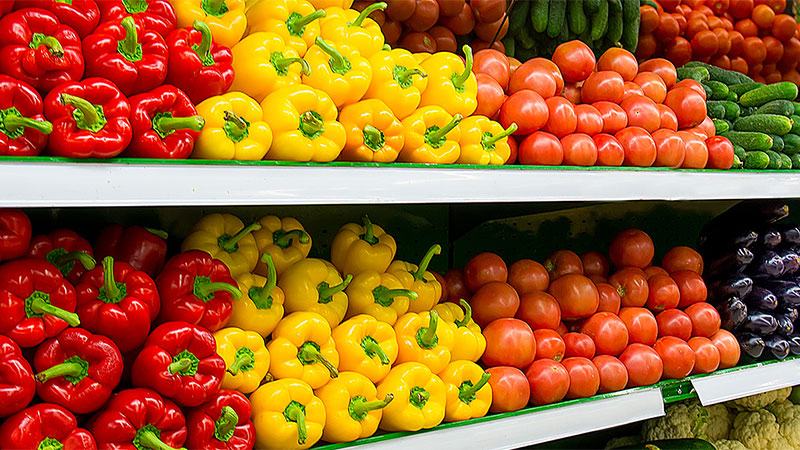
Why O2 is lowered and CO2 raised in controlled-atmosphere rooms, and which instruments withstand the cold and high humidity of this environment.

What equilibrium sampling is, why sensor heating can skew field measurements, and what range is needed for deep soil profiles.

Why demand-controlled ventilation saves energy, and why sensor quality determines whether that ventilation works reliably.
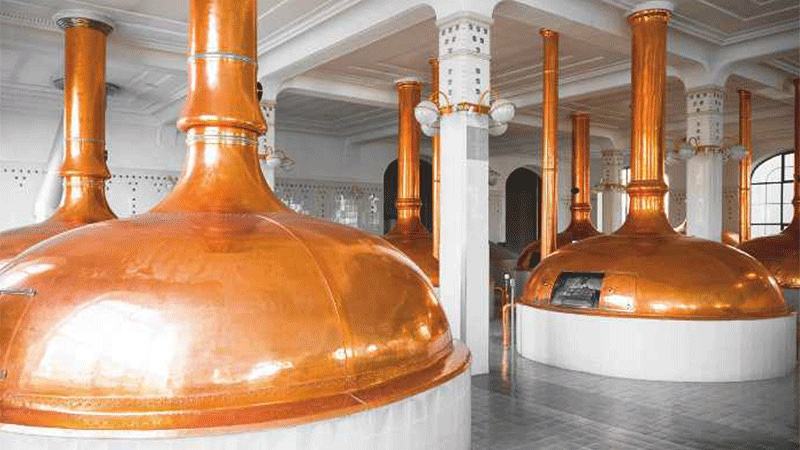
Why CO2 is a real safety risk in breweries and wineries, which areas concentrate the highest risk, and which instruments cover each concentration…
A specialist replies with the solution, the instrument and the service that fit.
Instruments to quote
No instruments yet. An enquiry can be sent anyway: a specialist answers.