
CO2 in Ecological Soil, Snow and Water Measurements
What equilibrium sampling is for measuring CO2 in soil, snow and aquatic ecosystems, why sensor heating can skew the measurement, and what range is needed for deep soil profiles.
Vaisala's GMP343 probe is specifically designed for outdoor ecological measurements: soil respiration, ambient CO2, and plant growth chambers. This note focuses on the equilibrium sampling method used in soil, snow, and aquatic ecosystem research. For the general principles of infrared measurement, see the technical note on how to measure CO2.
Unlike a controlled industrial environment, the challenge here is measuring without disturbing the very system being studied — neither through the sampling method nor through the instrument itself.
This note covers
- What equilibrium sampling is and how it's used in soil, snow and water
- Why sensor heating can skew field measurements
- What measurement range is needed for deep soil profiles
What Equilibrium Sampling Is
Equilibrium sampling circulates air through a closed loop that includes the CO2 probe, a pump, and a length of semipermeable tubing. The membrane allows gas exchange with the surrounding medium (soil, snow, or water) until the concentration inside the loop reaches equilibrium with the outside concentration — without needing to draw a liquid sample or physically disturb the measurement point.
Response time depends on the tubing material: a 1-meter length of silicone rubber submerged in water takes around 1.18 hours to reach half of the total change (half-life), while a 2-meter length takes about 0.51 hours. Sintered PTFE tubing responds faster (around 0.32 hours), though it adds installation complexity.
Why Sensor Heating Can Skew Field Measurements
The GMP343 heats the sensor head to prevent condensation on the optical components — the same solution that solves the humidity problem in closed industrial environments. But in outdoor ecological measurements, that same heat can become a source of error: in snow measurements, snow around the probe was observed to melt earlier than expected, likely due to the heating effect, altering the very condition being measured.
The practical recommendation is to use heating cautiously in field studies, and to monitor soil or snow temperature 1 cm away from the probe to detect whether the instrument's own heat is affecting the immediate measurement environment.
What Measurement Range Is Needed for Deep Soil Profiles
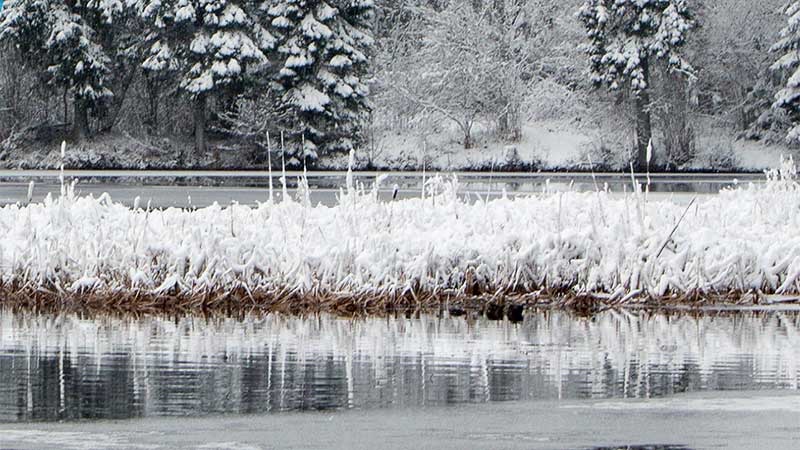
The standard 0–5,000 ppm range can fall short for CO2 profiles in soil during the growing season: at greater depth, concentration can approach 20,000 ppm due to accumulated biological activity. For this case, a version of the GMP343 with the GMM221 module measures up to 20,000 ppm, designed specifically for deeper soil profiles.
In aquatic studies, biofouling of the submerged tubing also needs to be accounted for — the practical recommendation is to replace the silicone section monthly to keep the system's response within expected parameters.
This technical content is based on Vaisala's research on equilibrium sampling for ecological measurements, developed jointly with the Lammi Biological Station and the Department of Forest Ecology at the University of Helsinki. AKRIBIS is an authorized Vaisala partner for distribution and technical support in the region — explore the full Vaisala instrumentation line.
Instruments to measure CO2
-
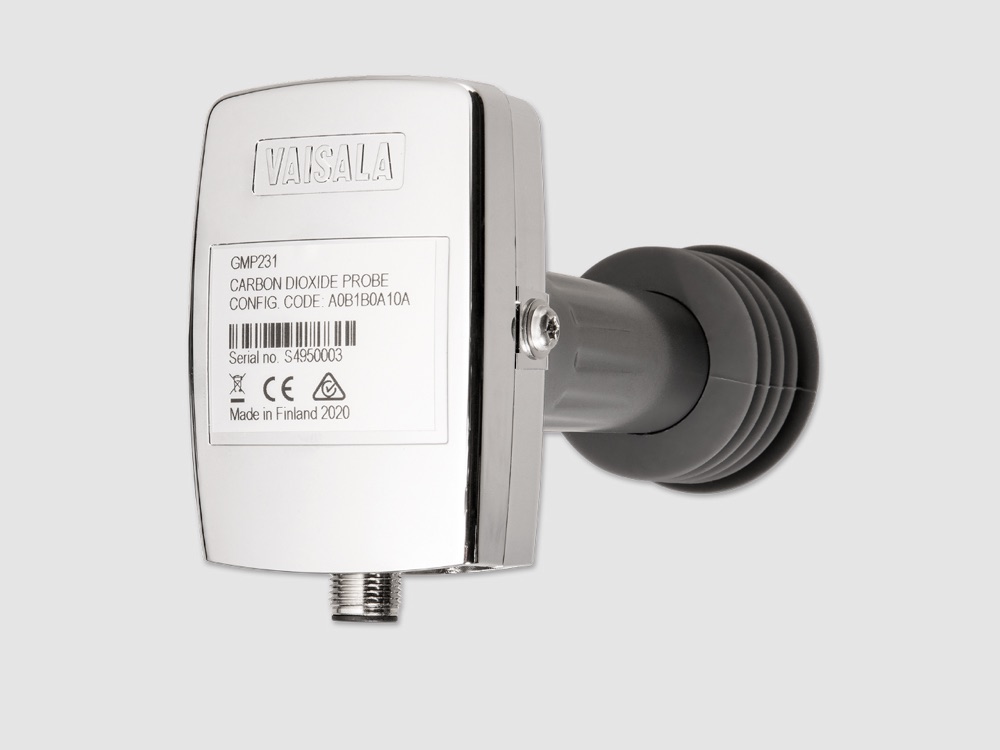 GMP231 Heat-sterilizable CO2 probe for incubators
 -
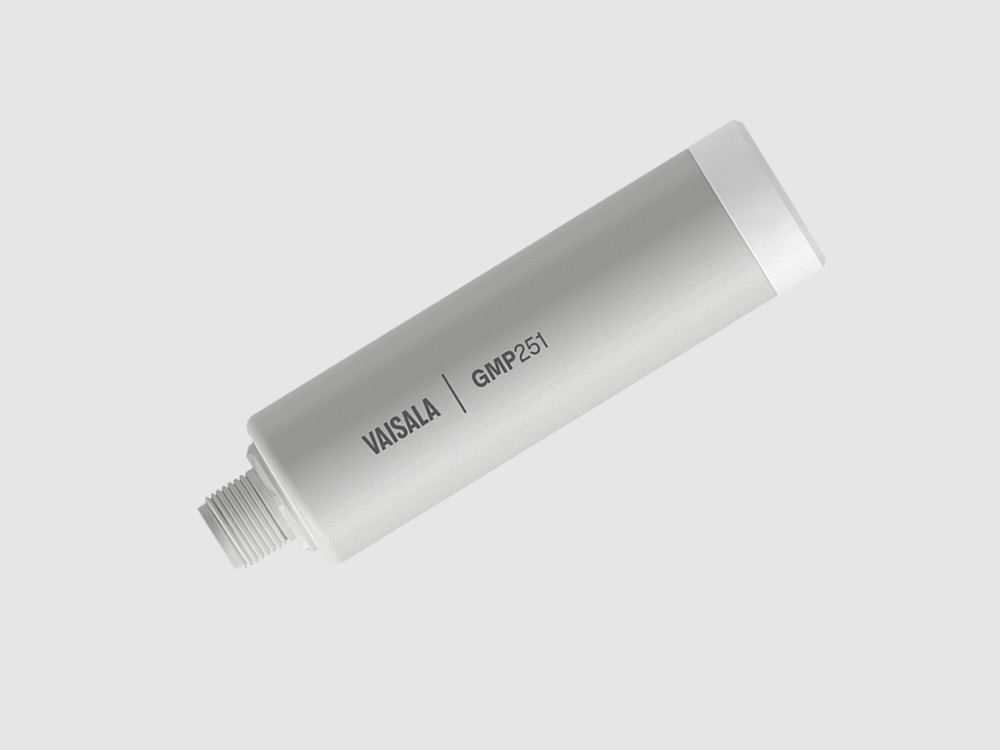 GMP251 CO2 probe for percentage-level measurements
 -
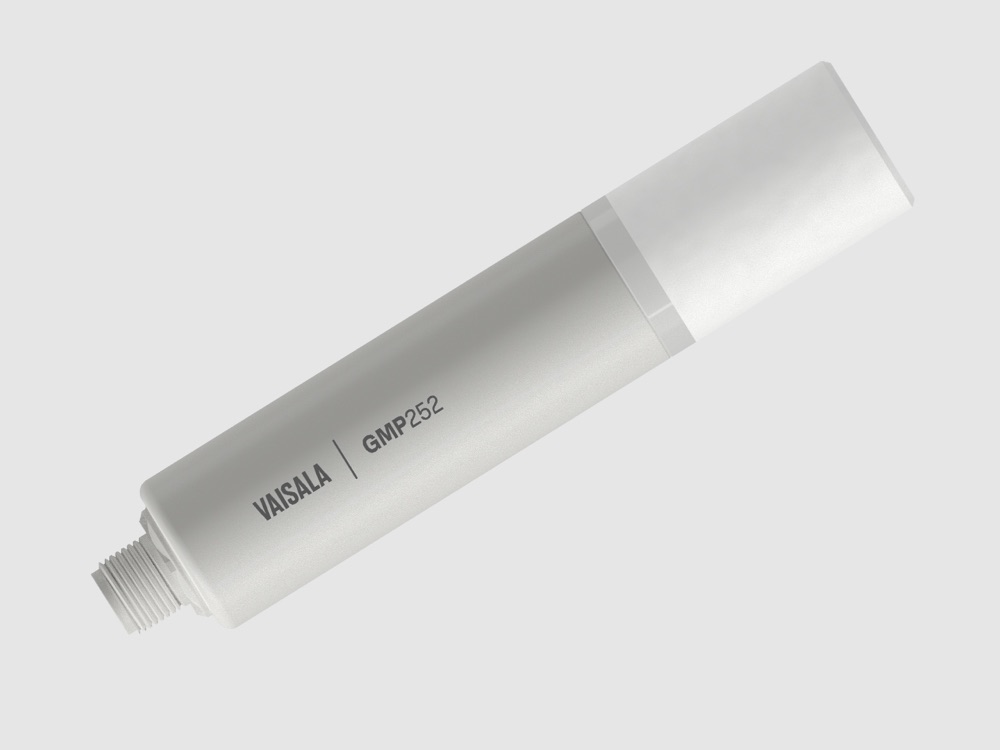 GMP252 CARBOCAP® CO2 probe for ppm-level measurements
 -
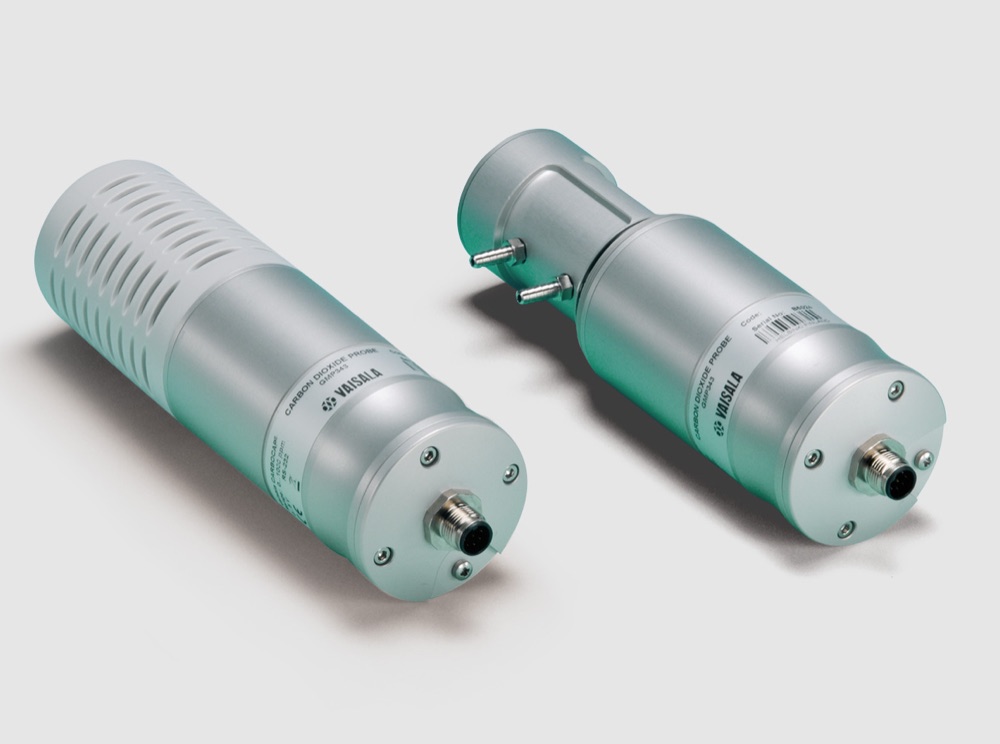 GMP343 Rugged CO2 probe for ecological measurements
 -
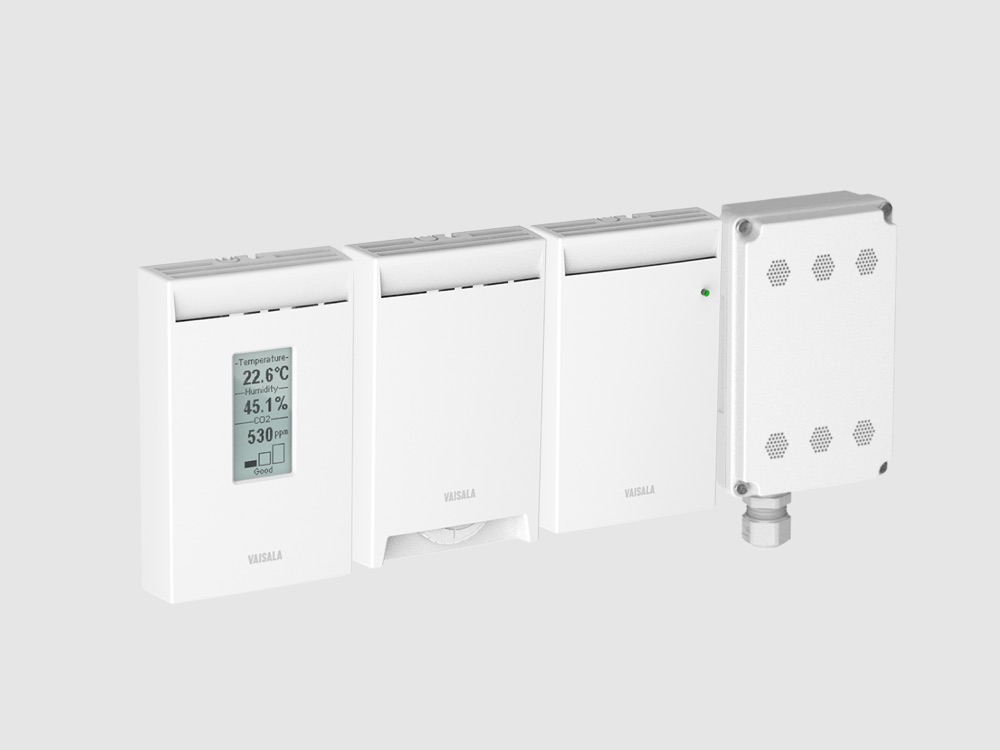 GMW80 Wall-mounted CO2, humidity and temperature transmitter for indoor air quality
 -
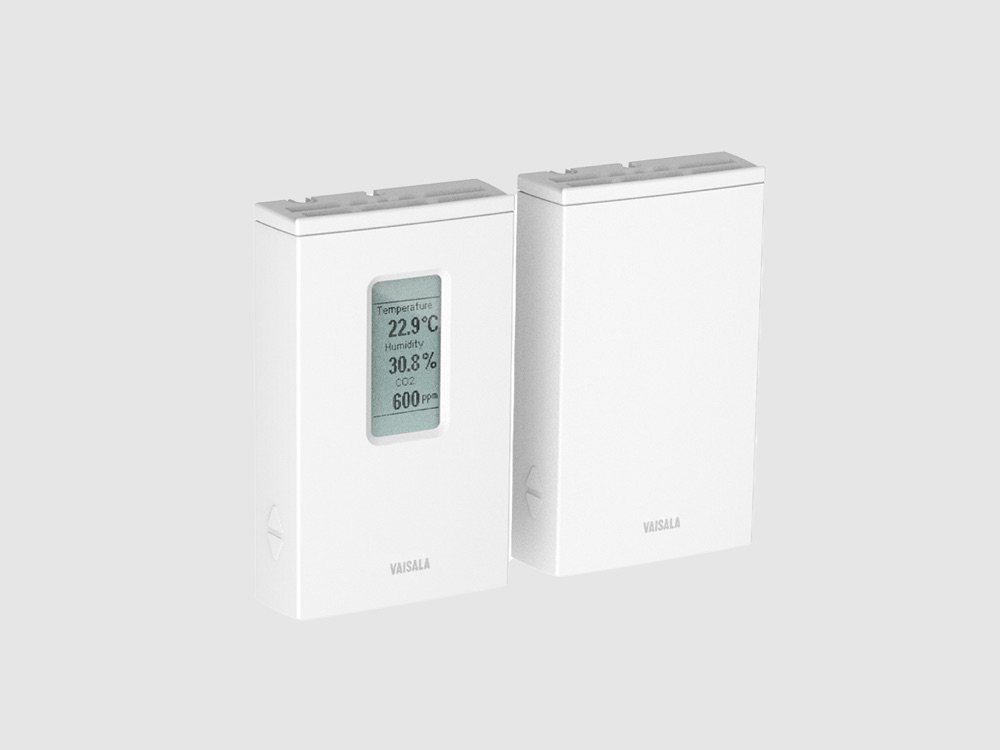 GMW90 Wall-mounted CO2 transmitter for green building projects
 -
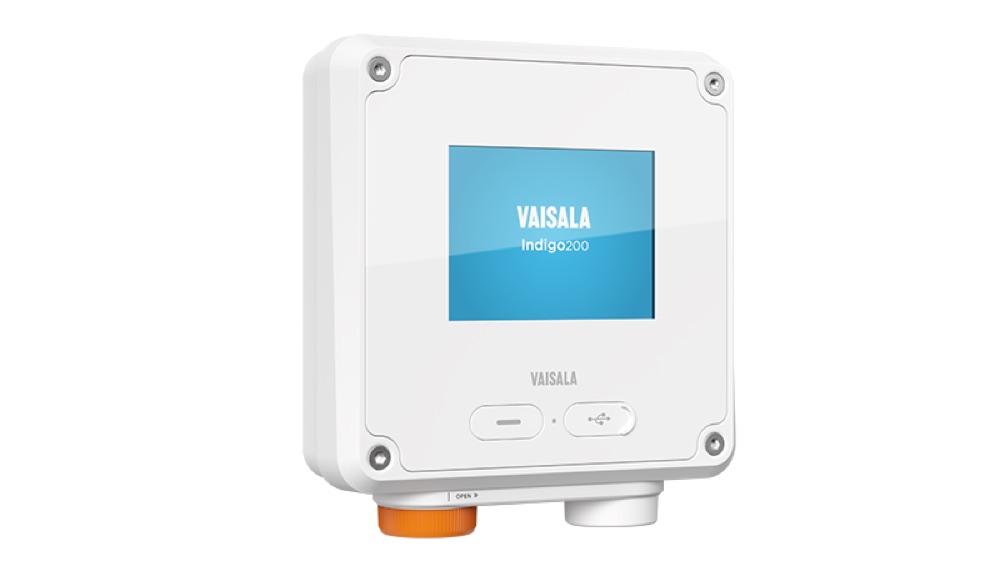 Indigo200 Compact single-probe transmitter for the Indigo ecosystem
 -
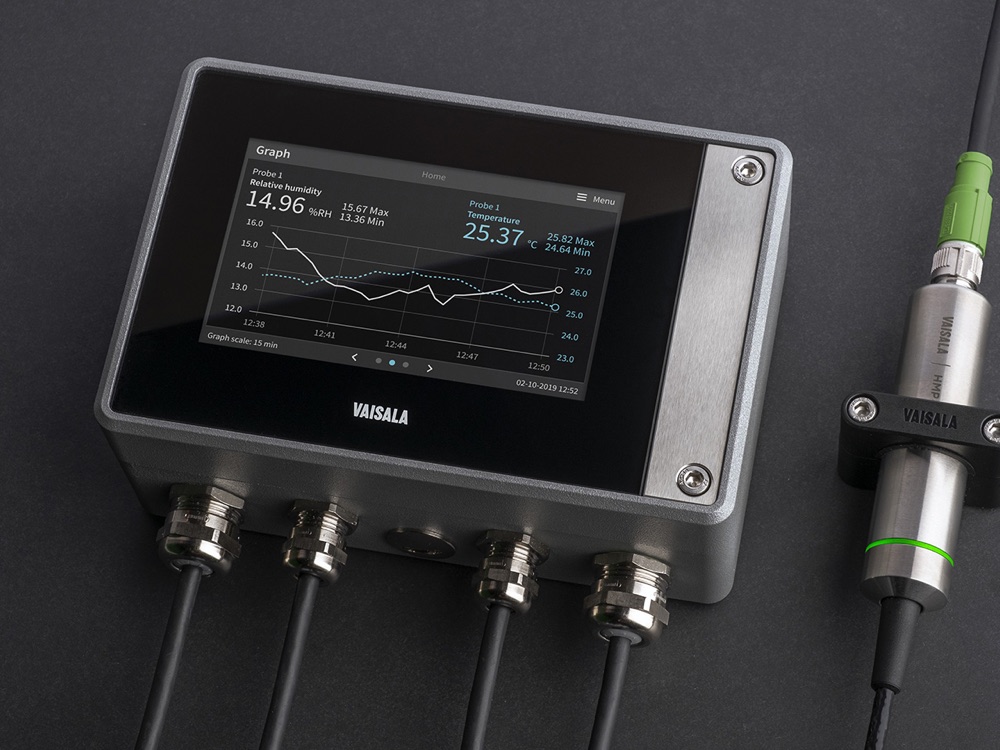 Indigo500 Universal transmitter for Indigo-compatible probes
 -
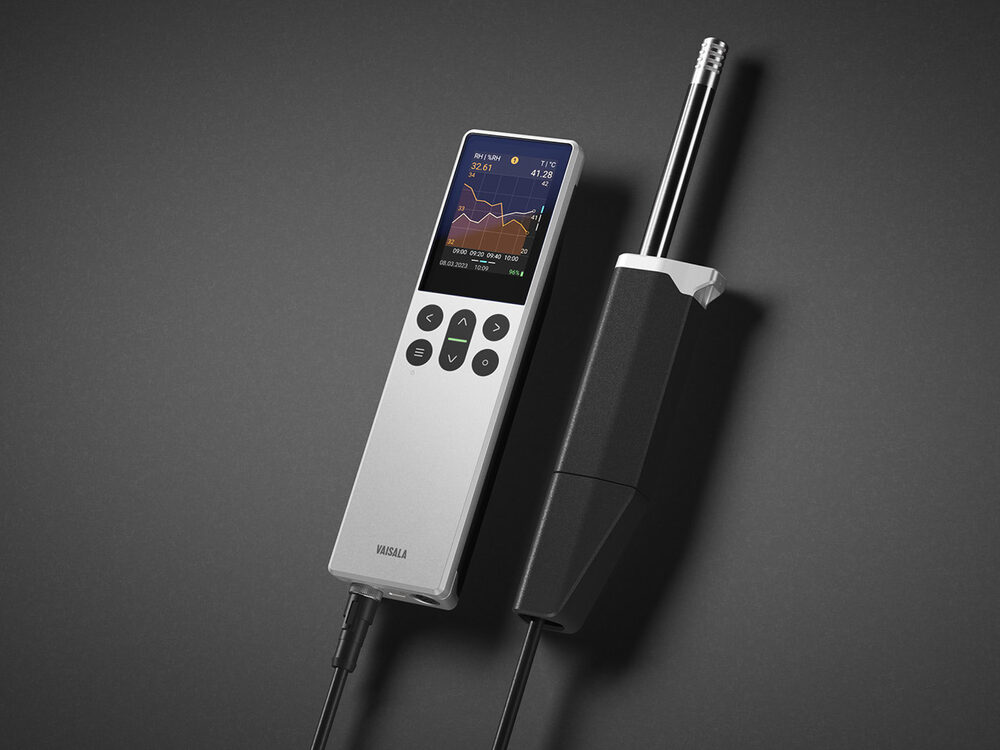 Indigo80 Handheld indicator for Indigo-compatible probes
 -
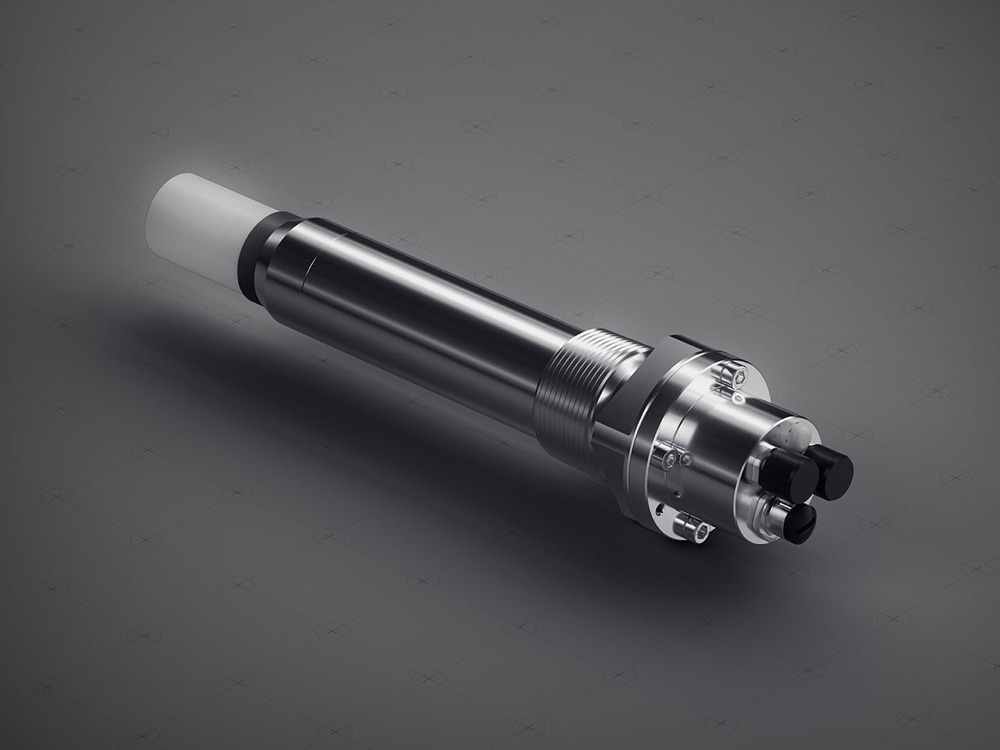 MGP241 Multigas CO2 instrument for carbon capture and storage
 -
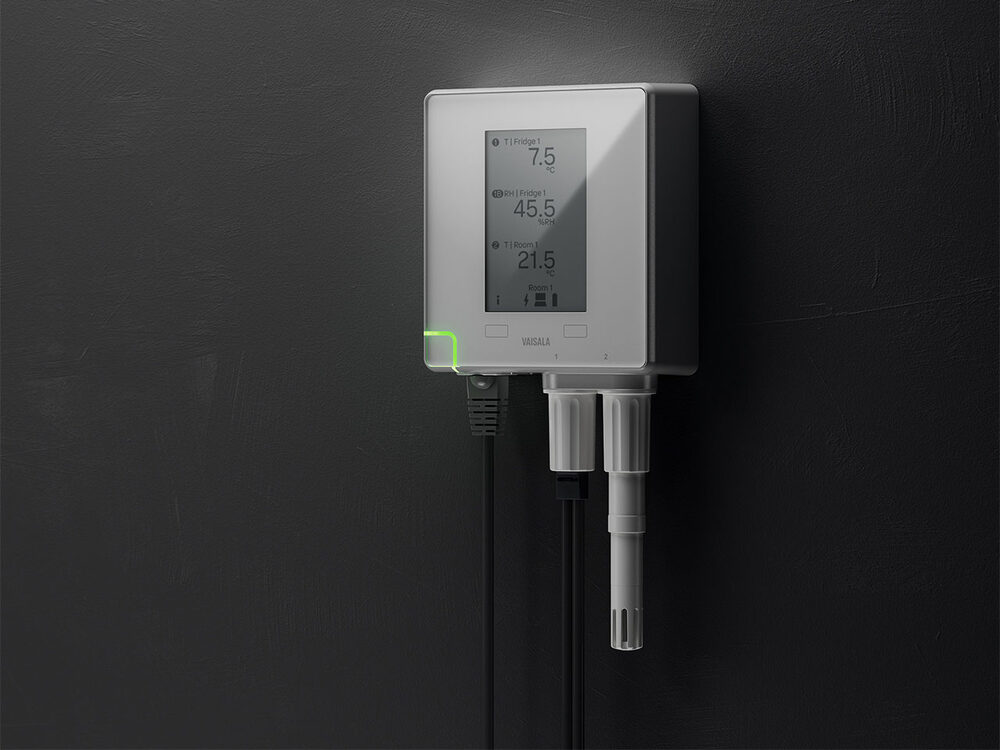 VDL200 Multi-parameter PoE data logger for continuous monitoring
¿Querés profundizar sobre este tema?
Nuestros especialistas pueden asesorarte en detalle sobre su aplicación en tu proceso.