
Humidity in Warehouse Monitoring
What a warehouse without humidity control risks, what variables determine risk inside the storage facility, and why continuous monitoring with remote alerts matters more than a single spot reading.
A warehouse isn't a uniform environment: humidity and temperature vary from point to point depending on location, thermal load, and the traffic of people and goods. For the general context of this magnitude, see the humidity instrumentation landing.
The goal isn't just knowing a room average, but identifying the points where stored product is actually at risk — and finding out before that risk becomes a loss.
This note covers
- What a warehouse without humidity control risks
- What variables determine risk inside a storage facility
- Why continuous monitoring with remote alerts matters more than a single spot reading
What a Warehouse Without Humidity Control Risks
Excessive humidity favors mold growth, corrosion of metal packaging, cardboard packaging damage, and general degradation of sensitive products. At the opposite extreme, an environment that's too dry can cause material cracking, static electricity buildup, and, in some products, quality loss from over-drying.
In regulated storage — pharmaceutical distribution under Good Distribution Practice (GDP) or cold chain — these risks aren't just economic: without a continuous, traceable record, it also can't be proven in an audit that the product stayed within range throughout storage.
What Determines Risk Inside the Facility
A single central sensor isn't enough to know the real conditions of a large warehouse. Variation depends on the volume of the space, nearby energy sources (heaters, AC, fans), shelving layout, where the HVAC control point is located, high-traffic zones, and points of exposure to the outside — such as doors and loading docks.
That's why risk mapping — identifying where sensitive products are and which zones of the facility are most vulnerable to temperature and humidity variation — should come before deciding how many measurement points are needed and where to place them.
Why Continuous Monitoring With Remote Alerts Matters

A spot reading only confirms the condition at the moment it's taken. The real value is in the continuous record: a traceable history for compliance audits, combined with automatic alerts by SMS or email for any out-of-range deviation, so the problem gets corrected before the product is damaged.
Vaisala documents this approach being adopted in GDP-regulated pharmaceutical distribution, tissue banks that replaced manual logs with automated monitoring, and operations with more than 150 monitoring points across life science facilities — evidence that remote monitoring scales well beyond a single warehouse.
This technical content is based on Vaisala's documentation on warehouse and storage facility monitoring. AKRIBIS is an authorized Vaisala partner for distribution and technical support in the region — explore the full Vaisala instrumentation line. To design the risk map for your warehouse, consult a specialist.
Instruments to Measure Humidity
-
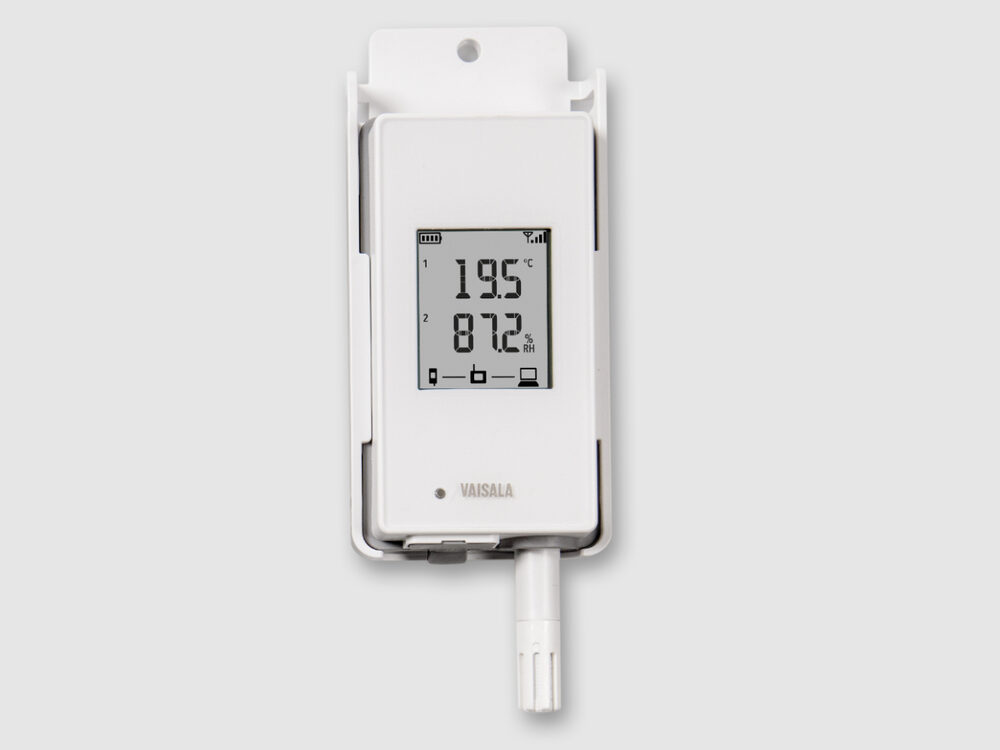 CWL100 Cloud wireless data logger for temperature and humidity
 -
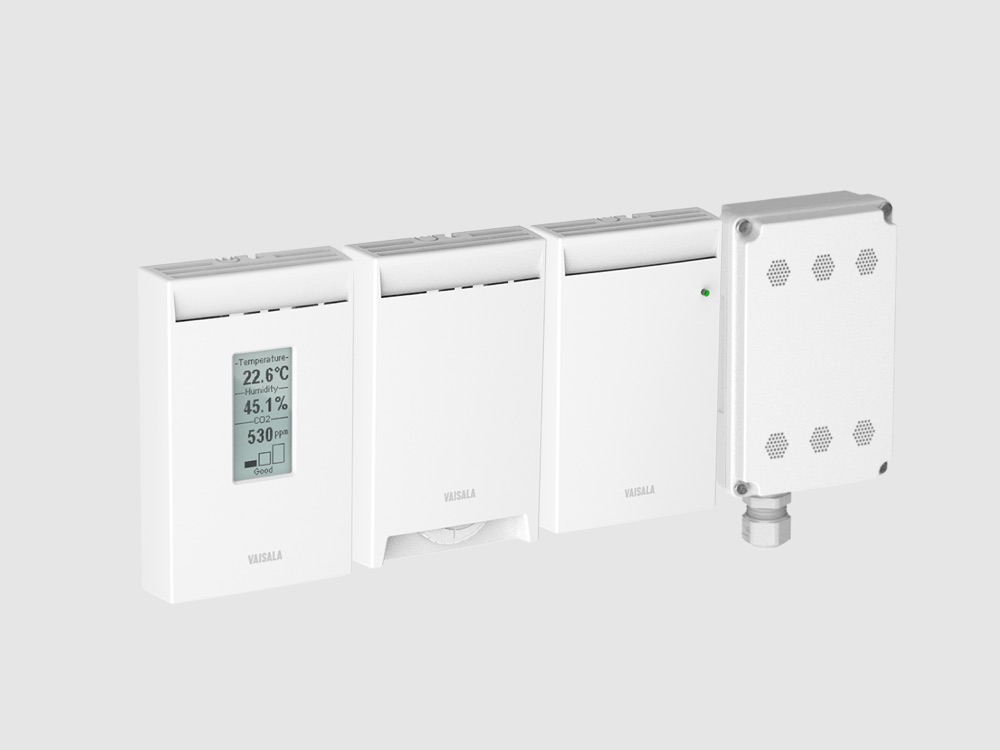 GMW80 Wall-mounted CO2, humidity and temperature transmitter for indoor air quality
 -
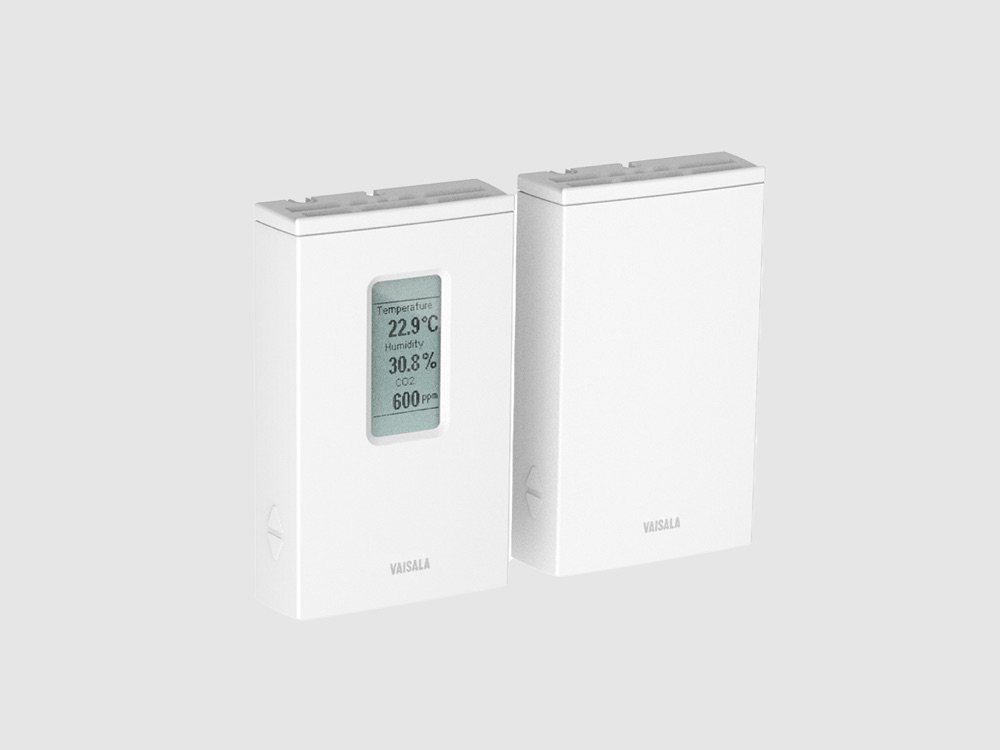 GMW90 Wall-mounted CO2 transmitter for green building projects
 -
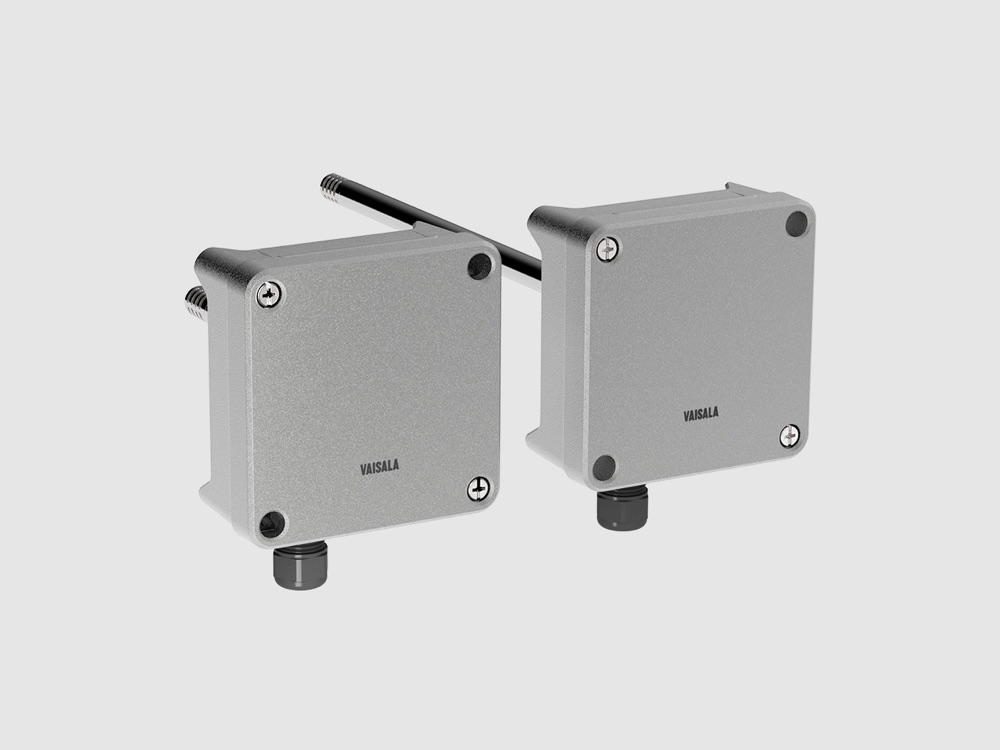 HMD60 Duct humidity and temperature transmitter for HVAC
 -
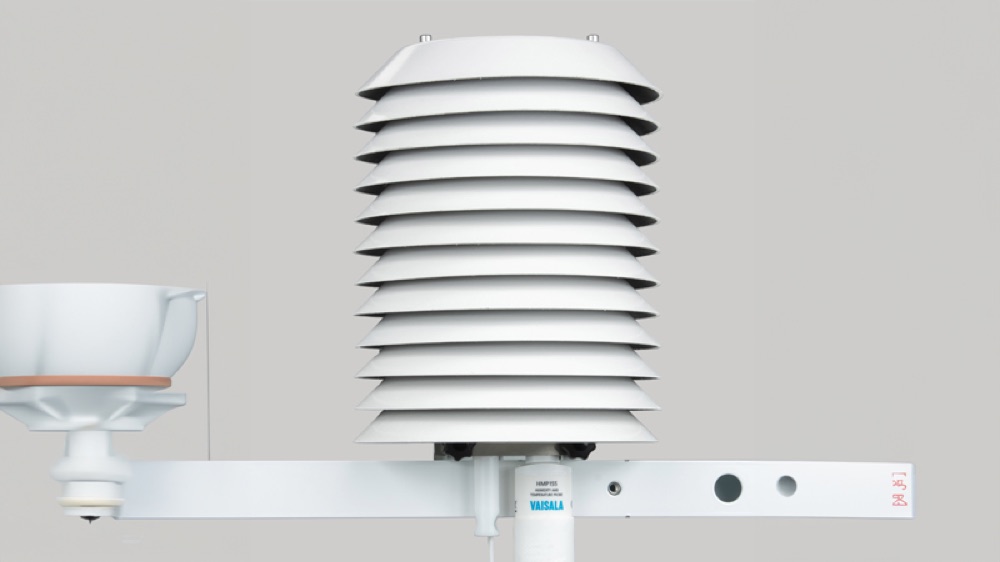 HMP155 HUMICAP® humidity and temperature probe for harsh environments
 -
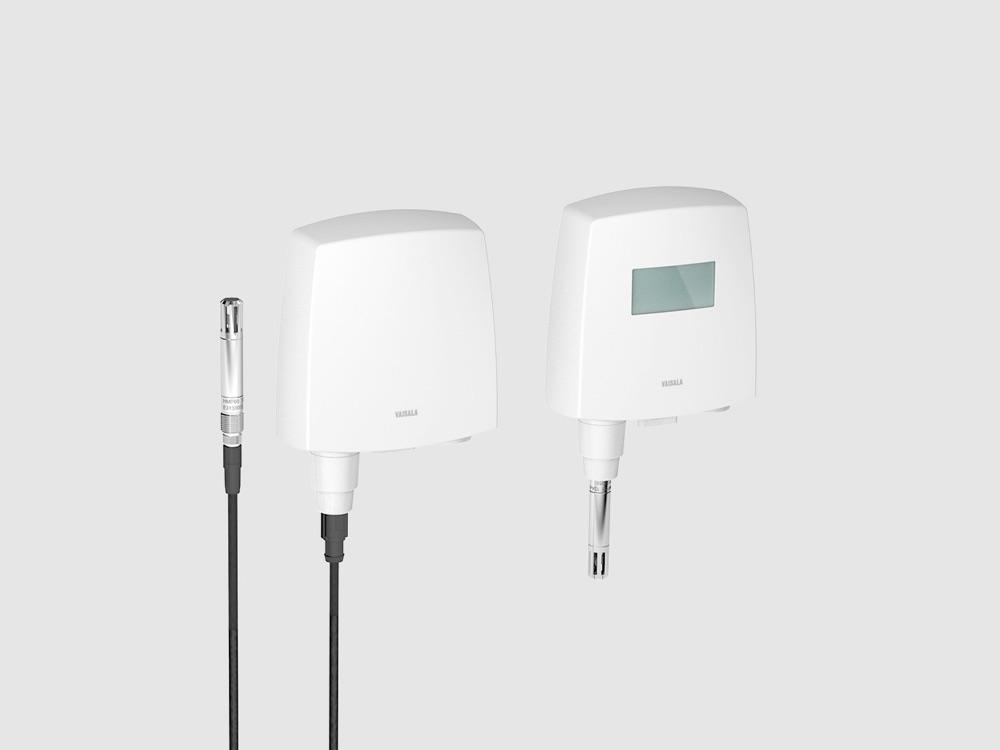 HMT120/130 Humidity and temperature transmitters with exchangeable probe for cleanrooms
 -
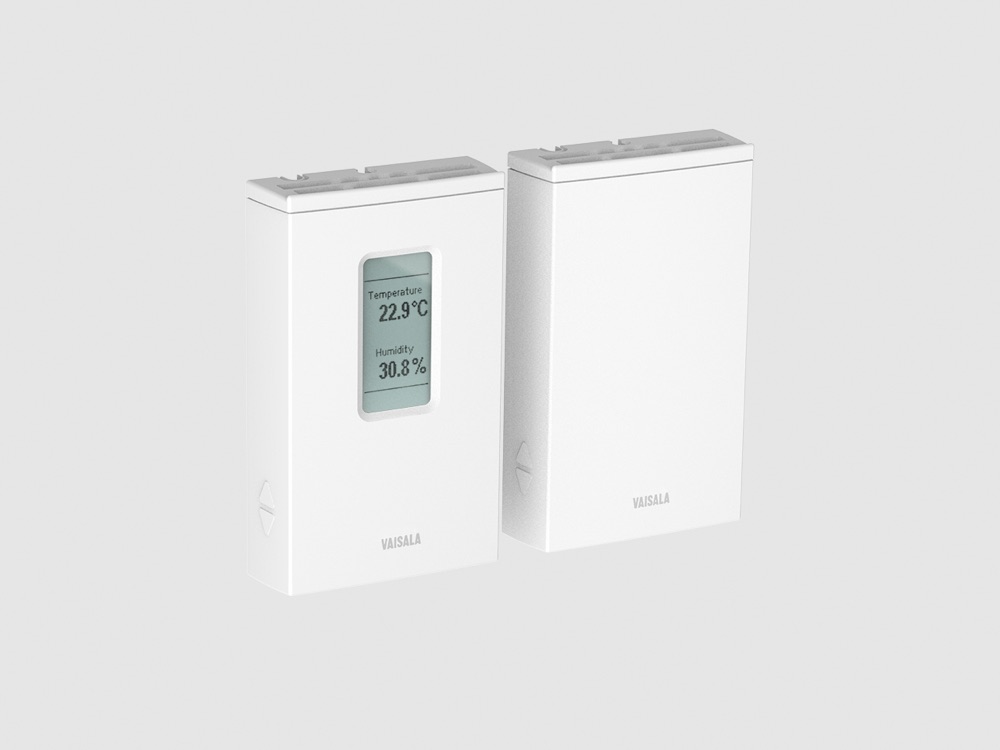 HMW90 Wall-mount humidity and temperature transmitters for building automation
 -
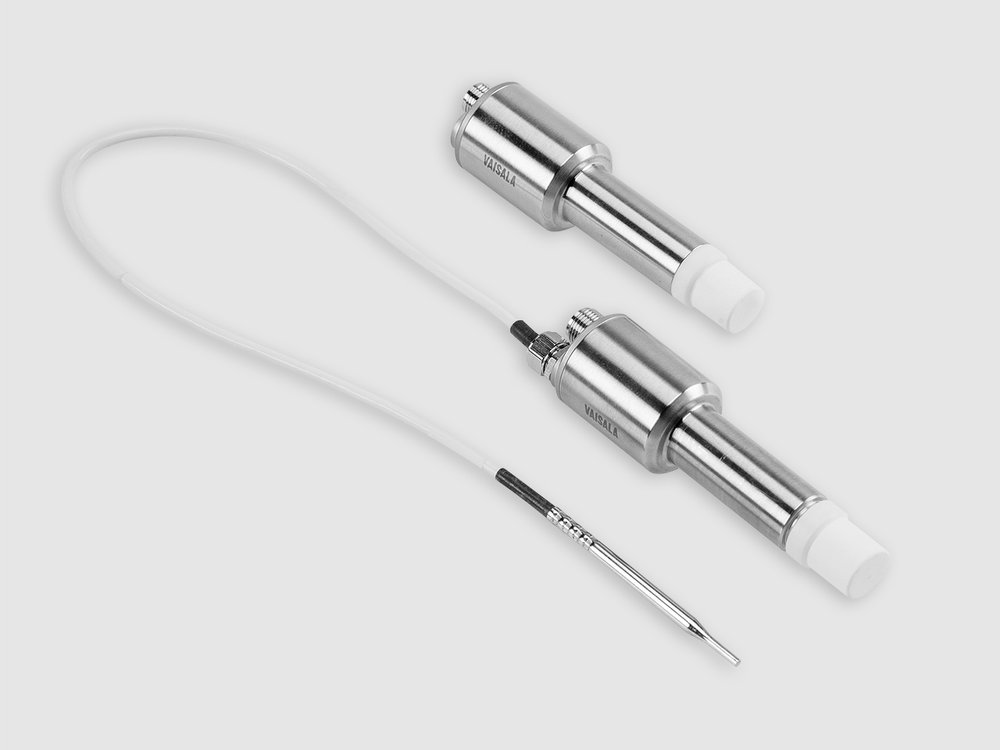 HPP270 PEROXCAP® vaporized hydrogen peroxide probe for bio-decontamination
 -
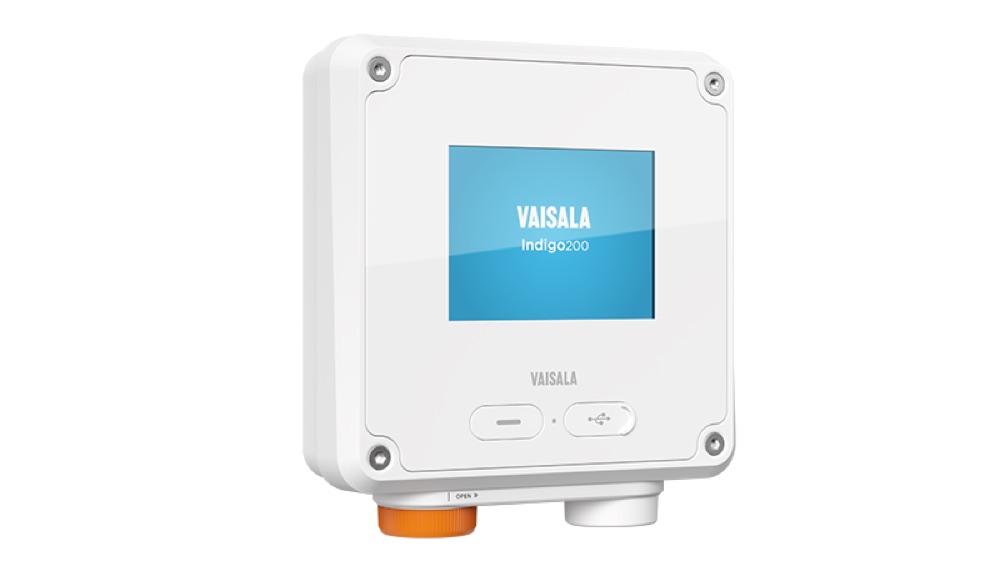 Indigo200 Compact single-probe transmitter for the Indigo ecosystem
 -
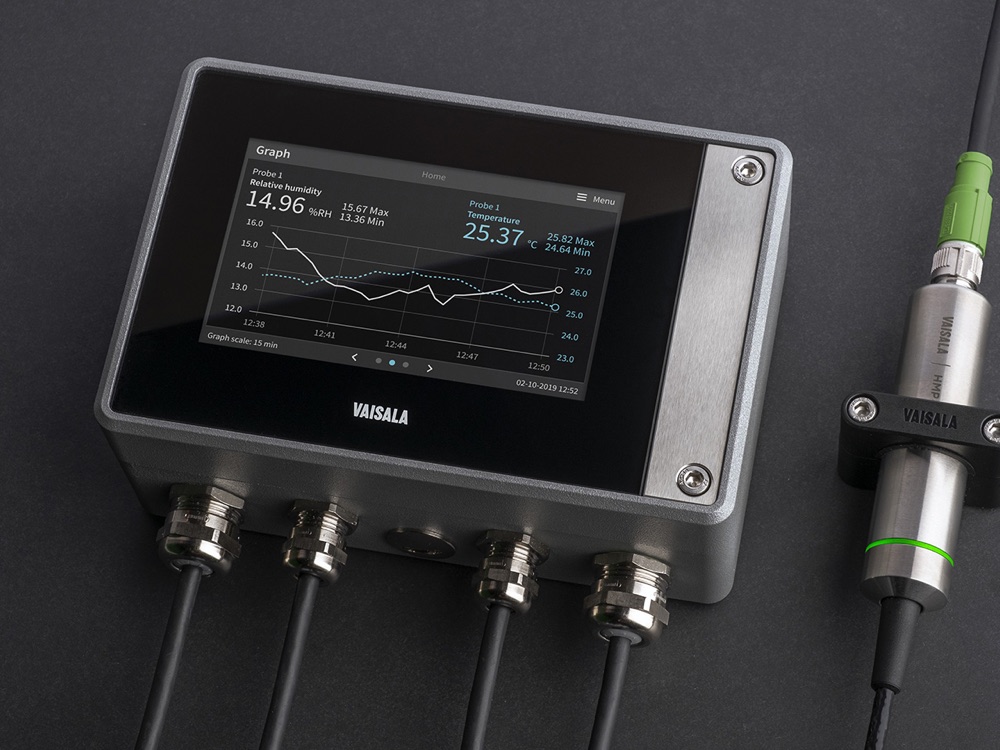 Indigo500 Universal transmitter for Indigo-compatible probes
 -
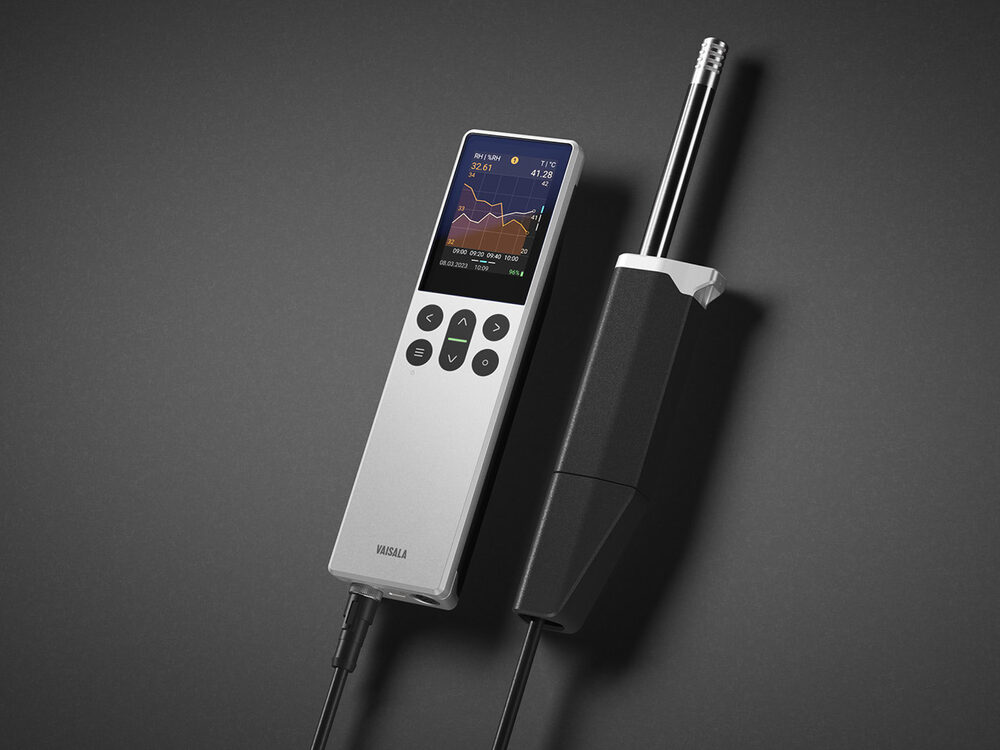 Indigo80 Handheld indicator for Indigo-compatible probes
 -
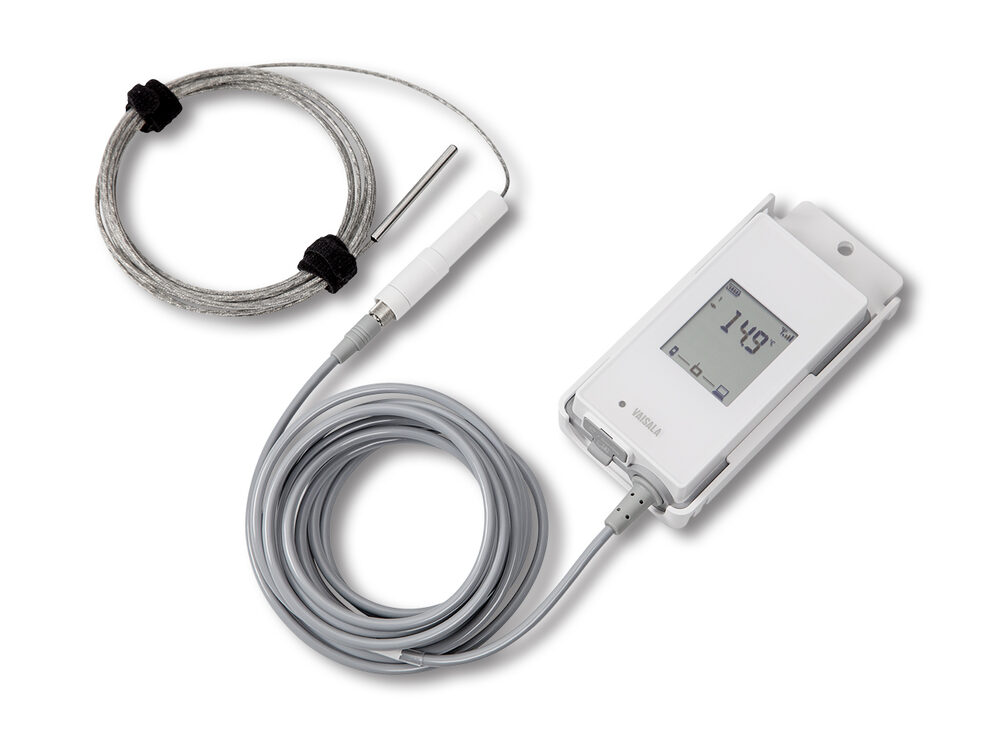 RFL100 VaiNet wireless data logger for continuous monitoring
 -
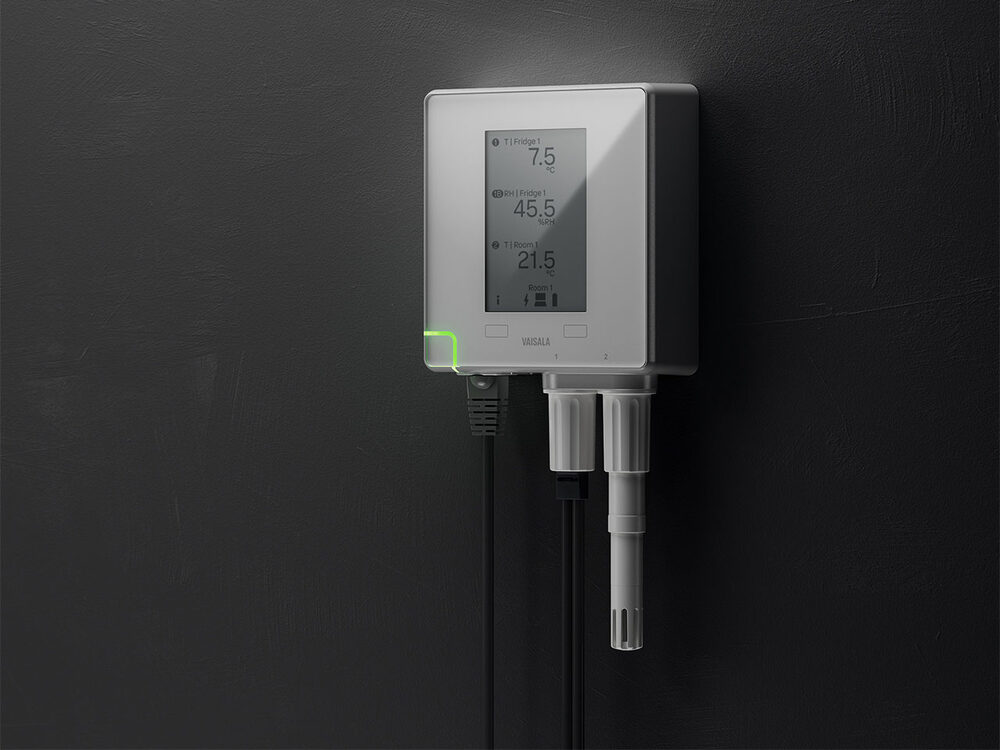 VDL200 Multi-parameter PoE data logger for continuous monitoring
 -
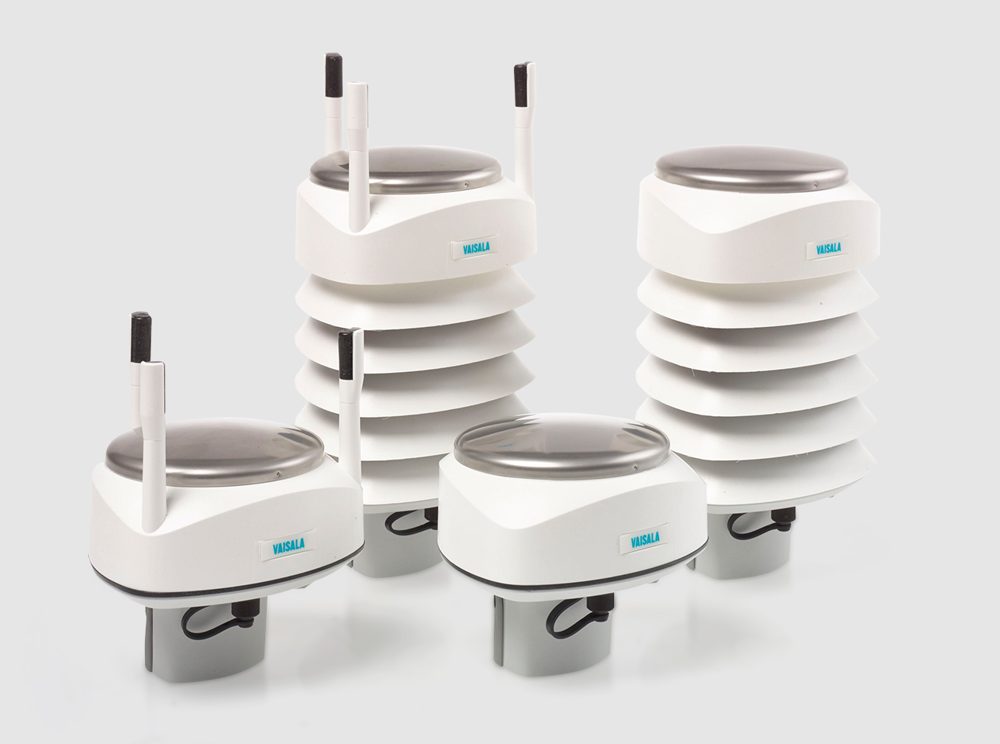 WXT530 Compact multi-parameter weather transmitter series
¿Querés profundizar sobre este tema?
Nuestros especialistas pueden asesorarte en detalle sobre su aplicación en tu proceso.